
“His head on my knee can heal my human hurts. His presence by my side is protection against my fears of dark and unknown things. He has promised to wait for me… whenever… wherever-in case I need him. And I expect I will-as I always have. He is just my dog.” — Gene Hill
Since the day after Christmas, Violet has been fixated on her forthcoming April birthday. In her mind, turning four is monumental because she thinks that’s when she becomes a Big Kid.
She had me list the dates of everyone’s birthday in the family, just to see whose was coming before hers. Going through the list, it hit me: Cooper turns 11 this summer. Eleven.
I suddenly realized: He’s not even really a newly senior dog anymore. He’s just an old dog. A sweet old man whose gradual aging slipped past me, I think, because we’re never apart from each other and the day-to-day stuff all blends and blurs together.
I’m so lucky to have this old dog in my life. There is nothing better than an old dog. But how on earth has my puppy become an old dog?!?! Have any of you felt that way about your old dog, too?
Senior dogs, generally speaking, are slower. They don’t need to rush through life at a frenetic puppy pace. They know what they like and what they don’t, and they seek out their preferences: specific people to cuddle, places to nap, toys to chew. They’re often calmer, wiser. A senior dog might not want to run a marathon alongside you, but he wants nothing more than to just be alongside you. They usually don’t gobble up furniture or dig holes in the yard or jump on your Aunt Gladys. The slower, gentler pace of life settles into their old bones. It’s a beautiful thing to pass the time with an old dog.
Sadly, senior pets often land in shelters when their owners no longer can or no longer want to care for them. The Chicago Tribune reported that senior pets make up about 5 percent of the shelter pet population. But, The Dodo cited, “Seniors make up the bulk of the 1.2 million dogs put down at shelters every year in the U.S.”
Let’s break down all the things that you might need to know about a senior dog so we can dispel some myths about caring for an old dog, share the joys of life with an old dog, and–perhaps–encourage someone to add a senior dog to their family!
As an Amazon Associate I earn from qualifying purchases. This site uses affiliate links, which means I may make a small commission on products purchased through links clicked on this site at no extra cost to you. This helps keep this site running, so thanks for your support in this way!
Have you ever wondered if your furry friend will become more of a snuggle bug as they get older? I’ve been asking myself this question lately as my own border collie has started to mellow out a bit. The good news is, there’s actually some science behind this common question that many dog owners have!
The Short Answer: It’s Complicated
Dogs don’t necessarily become more “cuddly” with age in a straightforward way Their personality changes are more nuanced than that While some dogs may appear more affectionate as they slow down physically, others might maintain their independent streak throughout their lives.
As a dog parent for over 15 years I’ve noticed that my pups have definitely changed as they’ve gotten older – but not always in the ways I expected!
How Dogs Change As They Age: The Science
According to a fascinating study published in Scientific Reports, dogs’ personalities do change over time, similar to humans. The research tracked border collies from 6 months to 15 years old, putting them through various personality tests and then retesting them four years later.
Here’s what they discovered:
- Activity levels decrease continuously as dogs age (this is probably the biggest change)
- Problem-solving ability and attentiveness improve until about age 6, then stabilize
- Curiosity about new objects starts declining around age 3
- Frustration tolerance stays relatively consistent throughout life
- Sociability and desire to interact with humans remains stable with age
Dr. Borbála Turcsán, the lead researcher, explained: “Similar to humans, dog personality is both stable and malleable. Dogs that are active and curious when young will remain active and curious when they get old, but only compared to other dogs.”
In other words, your energetic pup will still be more energetic than the average senior dog, but they’ll be calmer than their younger self.
Why Some Dogs Seem More Cuddly With Age
So if the research doesn’t show dogs becoming more affectionate with age, why do so many owners swear their dogs get cuddlier? There are actually several good reasons for this perception:
1. Decreased Activity Levels = More Downtime
As dogs age, their energy levels naturally decline. This means:
- Less zooming around the house
- Fewer distractions from squirrels and other exciting things
- More time spent resting near their humans
Your dog isn’t necessarily seeking more affection – they just have more time for cuddles now that they’re not busy chasing their tail!
2. Increased Dependency
Senior dogs sometimes develop:
- Vision or hearing loss
- Joint pain or mobility issues
- Cognitive changes
These changes can make them more dependent on their humans for security and comfort. A dog who might have been independent before might now stay closer to you as their primary source of safety.
3. Temperature Regulation
Older dogs often have:
- Less effective temperature regulation
- Thinner fur or decreased body fat
- Joint pain that feels better with warmth
Your senior pup might be seeking your body heat more than affection sometimes!
4. You’ve Bonded More Deeply
Let’s not forget the human side of the equation. After years together:
- You’ve developed stronger communication
- You understand each other’s cues better
- Your bond has deepened naturally
This might make interactions feel more meaningful even if the actual cuddling behavior hasn’t changed much.
Individual Differences Matter Most
While these trends are interesting, they don’t apply equally to all dogs. The biggest factor in how cuddly your dog will be as a senior is… drumroll please… their individual personality!
Dr. Katherine Houpt, professor emeritus at Cornell University College of Veterinary Medicine, points out that different breeds might show different patterns of change. The border collies used in the study are known for their intelligence, and other breeds might age differently.
Some important factors that influence how cuddly your dog might become include:
- Breed tendencies – some breeds are naturally more affectionate than others
- Early socialization – how much positive human contact they had as puppies
- Individual temperament – just like people, dogs have unique personalities
- Health status – pain or illness can make some dogs seek more comfort
- Your relationship – how you’ve interacted with them throughout their life
The Good News For Dog Parents
According to Dr. Houpt, there’s some great news in the research for dog owners:
“Dogs get less active with age, and that should give hope to the people who have puppies that are too active,” Houpt said. “And while they become less oriented to problem-solving and novelty-seeking as they get older, they remain obedient and social, which is probably the most important thing for owners.”
That means your dog’s core personality – the things that make them them – tends to stay stable even as some aspects change. If your dog has always been affectionate, they’ll likely remain that way into old age, though perhaps expressing it differently.
How Different Ages Change Your Dog’s Cuddliness
Let’s break down what you might expect at different life stages:
Puppies (0-1 year)
- High energy but often cuddly when tired
- May be too distracted to snuggle for long
- Form important attachments during this time
Young Adults (1-3 years)
- Peak physical energy
- May seem less interested in cuddles as they explore
- Establishing independence
Middle Age (4-7 years)
- More balanced energy levels
- Established routines and preferences
- Often the “sweet spot” of affection and independence
Mature Adults (8-10 years)
- Slowing down physically
- May enjoy longer cuddle sessions
- Deeper emotional connection with owners
Seniors (11+ years)
- Significantly decreased activity
- May seek more comfort due to physical changes
- Sometimes more clingy, sometimes more independent depending on health
How to Support Your Aging Dog
If you’re hoping for a more cuddly relationship with your aging pup, here are some tips:
- Respect their preferences – Never force cuddles; let them come to you
- Create comfortable spaces – Provide warm, soft beds near where you spend time
- Adjust your expectations – Their way of showing affection might change
- Address health issues – Pain can make dogs less interested in physical contact
- Maintain routines – Predictability helps aging dogs feel secure
- Use gentle touch – Senior dogs may have sensitive areas due to arthritis
- Keep mentally stimulating them – Cognitive engagement keeps their brains young
Real Experiences From Dog Owners
In many online forums and social media groups like the Positive Force Free R+ Dog Training Library, dog owners share their experiences with aging pets. The consensus seems to be that the changes are individualized but noticeable.
One owner shared: “My lab was always friendly but independent until about age 10. Now at 13, she follows me everywhere and always wants to be touching me somehow. It’s like she’s making up for lost cuddle time!”
Another had a different experience: “My spaniel was super clingy as a puppy and young dog. Now at 12, he’s actually more independent and only wants affection on his terms. He’ll come for a quick pet then go to his bed.”
These varied experiences highlight that while general trends exist, your dog’s unique personality will ultimately determine how their affection style changes with age.
When to Be Concerned
While some changes in affection are normal aging, sudden changes can sometimes indicate health problems:
| Change | Possible Normal Aging | When to Be Concerned |
|---|---|---|
| Increased clinginess | Gradual increase over months/years | Sudden clingy behavior, especially with anxiety |
| Decreased interest in affection | Slight decrease in initiation of contact | Complete withdrawal from previously enjoyed interactions |
| Seeking more physical contact | Wanting to sleep closer, more lap time | Pressing head against wall or furniture (sign of neurological issues) |
| Changes in sleeping location | Preferring softer surfaces | Hiding or isolating in unusual places |
| More vocalizations during cuddles | Slight increases in “talking” | Whimpering or crying when touched could indicate pain |
If you notice concerning changes, a visit to your veterinarian is always a good idea.
The Bottom Line
So, do dogs get more cuddly with age? The honest answer is: it depends on the dog. While most dogs become less active and may spend more time lounging with their humans, their fundamental personality traits and desire for affection remain relatively stable.
What changes most is often how they express their affection and how much energy they have for play versus snuggle time. Your once-bouncy puppy who gave kisses then ran off might now prefer to stay by your side longer, giving the impression of increased cuddliness.
The most beautiful part of sharing your life with a dog is witnessing these changes and adapting together as you both grow older. The deep bond that develops over years of companionship is something truly special, whether your pup is the cuddly type or not.
And personally, I think there’s something magical about a senior dog’s gentle affection – it feels somehow deeper, like they’ve finally figured out what matters most in life. Just like us humans, dogs seem to gain some wisdom with those grey muzzle hairs!
Have you noticed changes in your dog’s cuddle preferences as they’ve aged? Every dog’s journey is unique, and that’s part of what makes our relationships with them so special.
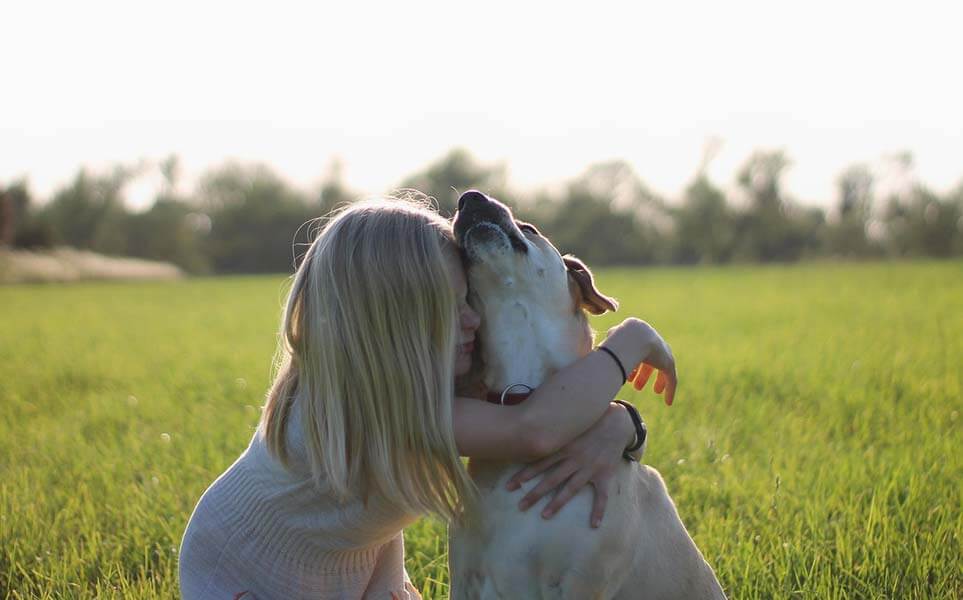
When is a dog considered a senior?
By most accounts, dogs are considered seniors after age six or seven. Large breeds age faster than small breeds, so there’s some wiggle room in that timeline.
The reality is a dog’s aging is just like a human’s. Some enter seniorhood strong, while others hit their golden years already tired.
There’s a lot you can do before your dog enters those older years to help him thrive. If your dog isn’t quite six or seven or maybe just celebrated those birthdays, take a good, honest look at his fitness. We’ll talk about this more, but it’s easier for a senior dog to be healthy if he ages with a good baseline of health. If your pup needs to lose weight or build strength, it’s easier on his body if he’s younger.
How to take care of a senior dog
As we age, our needs change. Same for our dogs. The food that served his body well as a young adult may need to change. The exercise routine that kept him fit may need to be adjusted. The once-a-year trip to the vet might need to become a bi-annual affair. While senior dogs can live long, happy, healthy, fulfilled lives, it’s up to us to tweak their care to ensure that happens.
Let’s dig into a few general categories–fitness, health and wellness, and fun–with specific ideas.
Three years ago, John trained for a marathon. He was already a runner and completed several half marathons, but he decided to tackle the full. His training regiment built incrementally onto duration and distance. Throughout his training, Cooper ran alongside him–up until the 8- or 9-mile marker. Then, John decided Coop was done and brought him home.
Cooper would’ve run the full 26 miles if John let him. He would’ve run until he dropped. He still would–if we let him. But we don’t. Because we can see the dramatically elongated recovery time he faces after each run. We can see the soreness in his joints. We can also see the sheer joy he gets from running, so now we modify his runs to accommodate his almost-11-year-old body.
Fitness encompasses food and exercise, and both the food your dog eats and the exercise he gets contribute to his overall wellness.
The first place to start when assessing your dog’s fitness level? The vet.
We’ll discuss veterinary care in greater detail in the next section, but check in with your vet about your dog’s weight. Are there any concerns? Does he need to gain or lose a few pounds to be in better shape? Ask your vet for ideas. Some might be as simple as feeding less food. Others may include a specific exercise routine.
Many seniors do slow down. They live more sedentary lives, resting more and getting less strenuous exercise. It stands to reason, then, that their metabolisms slow down, too–just like our aging metabolisms! If you’re struggling to keep your senior’s weight down, here are three simple ideas that might help:
- Swap out store-bought treats for fresh fruits and veggies. Carrots, blueberries, apple slices, and so on all make excellent low-cal treats for pups who still deserve treats (i.e. all of them!) but also need to watch their weight. Here’s a list of 15 veggies to consider along with details on how best to serve them.
- Don’t skip the walks. It’s hard, I know. Our schedules are busy, the weather is bad, and the backyard is so convenient. However, for your dog’s longevity, take those daily walks. It’s great for him to keep his joints moving, his muscles working, and his heart pumping. Bonus points: Add a tiny bit of distance (one more block, two more houses, a second lap, etc.) or a second walk each day to really boost your dog’s fitness level.
- Be mindful of table scraps. We all do it: slip a bite under the table, set a bowl down for your pup to lick, drop a scrap and not bother to pick it up because, of course, the dog will get it. All those bits and bites add up. In our house, it’s the toddler and the preschooler who are guiltiest of this behavior, so we’ve started putting Cooper behind a baby gate during meals to keep him from getting too much. Plus, digestive issues are incredibly common among seniors, so fewer food oddities are in their best interest.
You might want to add in supplements, too, but talk that over with your vet first. Cooper takes a bunch, like probiotics, fish oil, and a joint supplement. Of course these are optional and depend on your dog and your budget.
Your vet should be your partner in caring for your senior dog.
Your dog might have been one of the lucky ones, thriving on his once-a-year checkup and vaccinations. That’s never been our lot in life, but if it was yours–that’s awesome! Though be aware: Senior dogs need a lot more veterinary care.
First, most dogs need to go to the vet twice a year. One of those visits should include a blood panel, and it’s ideal to get a baseline when your pup is on the younger side of seniorhood.
Second, many aging pups experience similar side effects of getting older as we do, like:
The incredible thing about veterinary medicine is that most of these things are treatable, manageable, even curable these days. Unfortunately, lots of senior dogs dumped in shelters are there because of these health conditions–either because of a misconception that they’re unable to take care of their dog’s condition, or perhaps that they’re unable to afford the care. Two suggestions to tackle the financial aspect of veterinary care for aging dogs:
- Consider starting a specific fund for your pet’s long-term care. There are a zillion apps these days that do small things like round up your grocery bill and sock away the difference, or you can set apps to auto-withdraw a couple bucks from each paycheck. Here’s a list of 13 apps to look into.
- If you truly can’t afford your dog’s care and something’s come up before you had the chance to save, first, talk to your vet to see if they can help you work out a payment plan. Or, consider applying from assistance. Here are two lists with lots of ideas: this one and this one.
I know many people utilize pet insurance, too. I have no first-hand experience so am hesitant to recommend any service. However, google something like, “pet insurance comparison,” to get a good overview and decide if it’s right for you.
And remember: A fit dog will cost less in veterinary care in the long run. It pays to keep your dog at a healthy weight, to feed him healthy food, and to get lots of exercise. It’s just like us, so think of it as paying dividends for your health, too!
Feed your pup the healthiest food you can afford. (More on choosing a food here.) Take lots of walks together. Keep up with preventative care. You’ll both be happier and healthier for it!
Obviously life isn’t just what we eat, how we exercise, or which doctors we see. However, those things weigh heavily on our overall wellbeing.
If you feel good, you can have more fun! For senior dogs, “fun” might not look like long swims in the lake or hours chasing a ball at the park. Or, then again, it might. Ensuring your dog has a great time throughout his golden years is one of the most enjoyable parts of loving an old dog.
When our beloved, belated Emmett was nearing the end of his life, he was around 14 years old, and his greatest joy was to find a patch of sunlight in the yard and bake his bones. Give him a squeaky tennis ball to chew like a piece of gum, and the boy was in heaven. We made sure he had the chance to do that as often as possible.
For Cooper, he still loves to run. We just keep them shorter–maybe two or three miles–and take him every second or third day. He also loves chewing his toys and playing tug (with this tug that we absolutely love), so those are part of his routine, too.
Whatever brings your dog joy, find ways to incorporate it into your daily routine, not just for special occasions. Every day is a special occasion.
Happiness also means comfort. Maybe your dog needs a heated blanket or a cooling mat. Perhaps a bolster bed does the trick. Or maybe he just wants his fluffy blanket at the foot of your bed… and perhaps a ramp to help him get up there. Whatever makes him most comfy matters. Pay attention to where your dog prefers to doze and if he seeks heat or cold. See if you can adjust your home in small ways to make your pup more comfortable.

Do Not Pick Your Dog Up Like This
FAQ
Are some dogs more cuddly than others?
Some dogs are naturally more cuddly than others. This is inherent in their breed. However, it’s important to remember that to your dog, you are not a human. Instead, they see you as a peculiar, two-legged pack member. Keep this in mind when deciding whether or not to allow your pup to sleep with you.
Do dogs become more active when they get old?
“Dogs that are active and curious when young will remain active and curious when they get old, but only compared to other dogs. A dog’s personality changes over time, and, on average, every dog becomes less active and less curious as they age.”
Do different dog breeds cuddle more?
Different dog breeds tend to cuddle more than others. If your dog is strongly dominant or independent, it may not want to cuddle with you. On the other hand, friendly and more social breeds will cuddle more. Lap dogs such as the Pug, Bolognese, and Chihuahua, are known to be more sociable. Breeds like these will likely want to cuddle with you more.
Do dogs enjoy cuddling?
Nearly every dog enjoys cuddling. Sometimes, you just need to be able to cuddle someone, and these guys are always more than willing to reciprocate. This trait is also great for extroverts and introverts as they are happy to cuddle as often or as little as you like, it all depends on the breed and individual!
Does a dog’s personality change with age?
A study published Wednesday in Scientific Reports attempts to map out those changes and finds that there are some personality traits — such as attraction to novel experiences, the desire to explore and the urge to run around — that seem to change for most dogs with age.
Does age affect a dog’s calmness?
The dogs’ ability to tolerate frustration remained the same during their lives, as did their desire to socialize. But their activity levels decreased continuously as they got older. “The age of the dog was the strongest predictor of the dogs’ level of calmness,” Turcsán said.
Why is my dog suddenly more affectionate?
Increased Bonding: Sometimes, dogs become more affectionate as they age or after a significant bonding experience. Your dog may simply be feeling more attached to you. Environmental Changes: If there are new smells, sounds, or people in your environment, your dog might be looking for security from you.
At what age do dogs become affectionate?
Months 11-12 (and Beyond): Becoming Emotionally Mature
Somewhere around one to one and a half years of age, your dog will reach emotional maturity. Small dogs get there sooner; it can take a bit longer for bigger dogs. At this point, your pup has the emotional capacity of a two to three year old human child.
Do dogs get more attached to you as they age?
While some older dogs may show increased clinginess due to anxiety or health issues, many maintain consistent bonds throughout life.Nov 9, 2022
How long does 1 hour feel to a dog?
Dogs have a higher metabolism than humans, and thus experience time more slowly. Our 60 minutes translates to about 75 minutes for them.