
Have you ever leaned in to give your furry best friend a cuddle and noticed an unpleasant odor coming from their ears? If so, you’re not alone. As a dog owner myself, I’ve definitely experienced that moment of “whoa, what’s that smell?” when getting close to my pup’s head. The truth is, dog ear odor is often one of the first signs that something isn’t quite right.
Why Your Dog’s Ears Might Stink
When it comes to stinky dog ears, infection is usually the main culprit. But there’s more to the story than just that. Let’s dive into what causes those unpleasant smells and what they might mean for your four-legged friend.
The Nose Knows: Different Smells Mean Different Problems
Your dog’s ears can produce different types of odors depending on what’s causing the problem:
- Yeasty or musty smell: Often described as smelling like Fritos corn chips or bread dough. This typically indicates a yeast infection.
- Sweet or musty smell: Common with yeast overgrowth in the ear canal.
- Foul or putrid smell: Usually signals a bacterial infection, which can be more serious.
- Mild waxy smell: Could just be earwax buildup.
- Damp, doggy smell: Might indicate trapped moisture from swimming or bathing.
I remember when my Cocker Spaniel had his first ear infection – the smell was so distinctive I could literally detect it from across the room! It was that sweet, yeasty odor that made me realize something wasn’t right
Common Causes of Smelly Dog Ears
1. Ear Infections
Ear infections are super common in dogs and come in a few varieties:
- Yeast infections: These produce that characteristic musty, sweet smell. The ears might look red and have a brown discharge.
- Bacterial infections: These tend to smell worse – sometimes described as “rotten” or putrid. They often cause more pain, redness, swelling, and sometimes even bleeding or pus.
- Mixed infections: Many dogs have both yeast and bacteria present in their infected ears.
2. Ear Wax Buildup
Just like humans dogs produce ear wax. When it builds up too much it can start to smell. Normally, a dog’s ear has a self-cleaning mechanism, but sometimes this gets disrupted. The wax is usually yellowish, and while it might smell a bit, it’s not as strong as an infection smell.
3. Poor Hygiene Habits
Sometimes the problem is as simple as needing a bath! Dogs that don’t get regular grooming or ear cleaning can develop odors from dirt debris, and oils building up in their ear canals.
4. Water in the Ears
Dogs who love to swim or recently had a bath might trap water in their ears. This moist environment is perfect for bacteria and yeast to grow, leading to that stinky situation.
5. Ear Mites
Though less common in adult dogs, ear mites can cause a dark, coffee-ground-like discharge and a foul odor.
Which Dogs Are More Likely to Get Stinky Ears?
Not all dogs are created equal when it comes to ear problems. Some breeds are much more prone to developing ear infections and odor:
- Dogs with floppy ears: Breeds like Cocker Spaniels, Basset Hounds, and Retrievers have ear flaps that cover the ear canal, trapping moisture and limiting airflow.
- Dogs with hairy ear canals: Poodles and Schnauzers often have hair growing in their ear canals that can trap moisture and debris.
- Dogs with allergies: Allergic reactions often manifest in the ears, making breeds prone to allergies (like West Highland White Terriers) more susceptible to ear problems.
- Dogs who swim frequently: Water-loving breeds may get water trapped in their ears more often.
How to Tell If Your Dog Has an Ear Infection
Besides the smell, watch for these signs that might indicate your dog has an ear infection:
- Head shaking or tilting
- Scratching at the ears
- Rubbing ears on furniture or the floor
- Redness or swelling of the ear canal
- Discharge (yellow, brown, or bloody)
- Pain when ears are touched
- Walking in circles or loss of balance (in severe cases)
- Hearing loss
What To Do About Your Dog’s Smelly Ears
When to See the Vet
I always tell people – if you notice a strong smell from your dog’s ears, it’s time to visit the vet. While mild earwax buildup might be something you can handle at home, most ear infections require veterinary treatment.
You should definitely see your vet if:
- The smell is strong or foul
- There’s visible discharge
- Your dog seems in pain
- The ear is very red or swollen
- Your dog is shaking their head constantly
- This is a recurring problem
Home Care for Dog Ears
While you shouldn’t try to treat an infection at home without vet guidance, there are some things you can do:
Proper Ear Cleaning Technique
- Use only veterinarian-approved ear cleaners (never use alcohol, hydrogen peroxide, or vinegar)
- Gently fill the ear canal with the cleaning solution
- Massage the base of the ear for about 30 seconds
- Stand back and let your dog shake (this helps remove debris)
- Wipe away excess solution and debris with a cotton ball or soft cloth
- Never use cotton swabs or insert anything into the ear canal
After Swimming or Bathing
Always dry your dog’s ears thoroughly after they get wet. You can use a clean towel to gently dry the outer ear, and a veterinary ear cleaner with a drying agent can help remove moisture from the canal.
Treatment for Smelly, Infected Dog Ears
Your veterinarian will likely:
- Examine the ear and possibly take a sample to determine if it’s yeast, bacteria, or both
- Clean the ears thoroughly (sometimes sedation is needed for very painful ears)
- Prescribe appropriate medication, which might include:
- Antifungal medications for yeast
- Antibiotics for bacteria
- Anti-inflammatory drugs to reduce swelling and pain
- Ear drops, ointments, or oral medications
Most ear infections start improving within a few days of treatment, but it’s crucial to complete the full course of medication even if symptoms improve.
Preventing Stinky Dog Ears
As they say, an ounce of prevention is worth a pound of cure! Here’s how to keep your dog’s ears healthy and odor-free:
- Regular inspection: Check your dog’s ears weekly for redness, discharge, or odor
- Routine cleaning: For dogs prone to ear problems, clean ears regularly with a vet-approved cleaner
- Keep ears dry: Thoroughly dry your dog’s ears after swimming or bathing
- Manage allergies: Work with your vet to control any underlying allergies
- Proper grooming: Consider having excess hair in the ear canal trimmed by a groomer
- Healthy diet: Some dogs benefit from diets with omega fatty acids for skin and ear health
My Experience with Dog Ear Infections
My Cocker Spaniel, Max, used to get ear infections all the time. We finally figured out he had food allergies that were making his ears inflamed and prone to infection. After switching his diet and establishing a weekly ear-cleaning routine, his infections became much less frequent.
The key was catching the smell early – that sweet, yeasty odor was always the first sign that trouble was brewing. Now I know to take action at the first whiff of that distinctive smell!
Common Questions About Stinky Dog Ears
Can I treat my dog’s ear infection at home?
While mild wax buildup might be manageable at home with proper cleaning, actual infections need veterinary care. Home remedies like vinegar or coconut oil might actually make things worse if there’s an infection present.
How long does it take for a dog ear infection to heal?
With proper treatment, most ear infections start improving within 1-2 days, but complete resolution may take 1-2 weeks. It’s super important to finish all medications as prescribed, even if symptoms improve quickly.
Why does my dog keep getting ear infections?
Recurrent ear infections often indicate an underlying issue like:
- Allergies (food or environmental)
- Anatomical problems with the ear canal
- Immune system disorders
- Improper cleaning techniques
- Persistent moisture in the ears
Are certain dog breeds more prone to ear infections?
Absolutely! Dogs with floppy ears (Spaniels, Retrievers, Basset Hounds), narrow ear canals, or lots of hair in their ears (Poodles) are more susceptible to ear problems.
Final Thoughts
If your dog’s ears smell bad, don’t ignore it! That odor is usually trying to tell you something. While not every stinky ear means an infection, it’s definitely a sign to take a closer look.
Remember, your dog can’t tell you when something hurts, but their body often gives clues – like that distinctive ear odor. Being proactive about ear health can save your pup from discomfort and prevent more serious complications down the road.
And let’s be honest – nobody wants a stinky-eared dog giving them kisses! Both you and your furry friend will be happier with healthy, fresh-smelling ears.
Have you ever dealt with smelly dog ears? What worked for your pup? I’d love to hear your experiences in the comments!
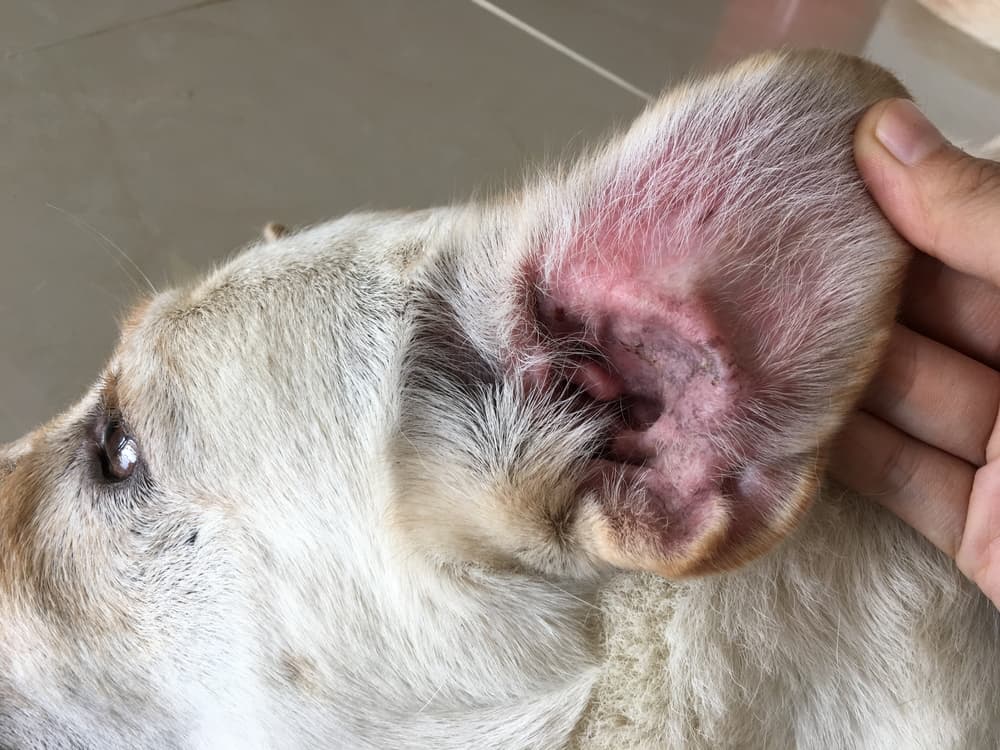
How to Identify a Dog’s Ear Infection

Dogs are our loyal companions, and their unconditional love is unmatched. Our furry friends depend on us to take care of them, and its challenging to determine if they have an issue, especially an ear infection. At Kindred Care Pet Hospital in Richmond, TX, our team of experts will help educate you on the signs that your dog has an ear infection. Here are some initial symptoms of infected ears to look out for.
Constant Scratching and Pain
The incessant scratching around the head does not always mean fleas. Redness and swelling are uncomfortable, and your dog will be unable to stop itching around the ears. Your dog may also shake its head constantly to relieve the pain, and youll likely hear lots of barking and wincing in the process.
If you see something abnormal coming out of your dogs ears that comes with a terrible smell, this is a likely sign of an infection. Scabs and crust may also form, which are common with ear infections.