
Have you ever been hit with a terrible toothache that made you miserable? I know I have! That throbbing pain that makes eating talking and even thinking difficult is something I wouldn’t wish on anyone. But what about our furry friends? Do dogs feel tooth pain like humans do? As a pet parent who’s witnessed my own dog’s dental issues firsthand, I can tell you that YES, they absolutely do!
Dogs experience tooth pain in ways remarkably similar to us, but with one critical difference – they can’t tell us when something hurts. This makes it super important for us pet parents to recognize the signs of dental pain in our canine companions.
The Truth About Canine Dental Pain
Dogs have similar nerve structures in their teeth and gums to humans. This means that when they have dental problems like cavities, broken teeth or gum disease they feel pain just as intensely as we do. However, our furry friends have evolved to hide their pain as a survival mechanism. In the wild, showing weakness could make them targets for predators or competitors.
This pain-masking behavior means your dog might be suffering in silence, making it crucial for you to know what to look for.
Common Signs Your Dog is Experiencing Tooth Pain
When your pup is dealing with dental pain, they’ll likely show several behavioral and physical changes Here are the key signs to watch for
Changes in Eating Habits
- Dropping food: If your dog suddenly starts dropping kibble from their mouth while eating, it could be because chewing causes pain
- One-sided chewing: Dogs with tooth pain often chew only on the “good” side of their mouth
- Reluctance to eat: Your normally food-motivated pup might approach their bowl but then walk away without eating
- Slower eating: Taking much longer than usual to finish a meal
- Avoiding hard foods: Preferring soft foods over crunchy kibble or treats
Visible Changes in Your Dog’s Mouth
Regular inspection of your dog’s mouth can help you spot problems early. Look for:
- Swelling: Around the face, jaw, or gums
- Bleeding gums: Pink gums should not bleed when touched gently
- Missing or broken teeth: Fractured teeth expose sensitive nerves
- Discoloration: Brown or yellow buildup on teeth indicates plaque and tartar
- Red, inflamed gums: Healthy gums should be pink, not angry red
Behavioral Changes
Dogs in pain often show changes in their normal behavior:
- Increased irritability: Even the sweetest dog might become grumpy when in pain
- Reluctance to be touched: Especially around the head and face
- Decreased interest in play: Pain can make normally playful dogs withdraw from activities
- Pawing at the face: Your dog might try to “remove” the source of pain
- Excessive drooling: Pain can stimulate salivary glands to work overtime
As my vet told me when my Labrador was suffering from a cracked molar, “Think about how you feel with a toothache – dogs feel that same misery, but they can’t reach for the Tylenol or call the dentist.”
Other Notable Signs of Dental Pain in Dogs
Beyond the most common symptoms, watch for these additional indicators:
Bad Breath (Halitosis)
Contrary to popular belief, dog breath shouldn’t make you recoil in disgust. While it’s not supposed to smell minty fresh, extremely foul breath is a warning sign of dental disease or infection. That distinctive “rotten” smell comes from bacteria multiplying in your dog’s mouth.
Unusual Drooling
Some breeds naturally drool a lot (looking at you, Saint Bernards and Mastiffs), but if your normally dry-mouthed dog suddenly starts drooling excessively, it could signal dental pain. When teeth or gums hurt, salivary glands can go into overdrive.
Nasal Discharge and Sneezing
This might surprise you, but severe dental problems, particularly in the upper jaw, can actually cause nasal issues. Advanced periodontal disease can deteriorate the bone between the oral and nasal cavities, leading to discharge and sneezing.
Depression or Lethargy
Just like when we’re in pain, dogs often become withdrawn or less energetic when dealing with tooth pain. If your normally bouncy buddy seems down and uninterested in activities they usually enjoy, dental pain could be the culprit.
Why Dogs Get Tooth Pain: Common Dental Problems
Understanding what causes tooth pain in dogs can help you prevent problems before they start:
Periodontal Disease
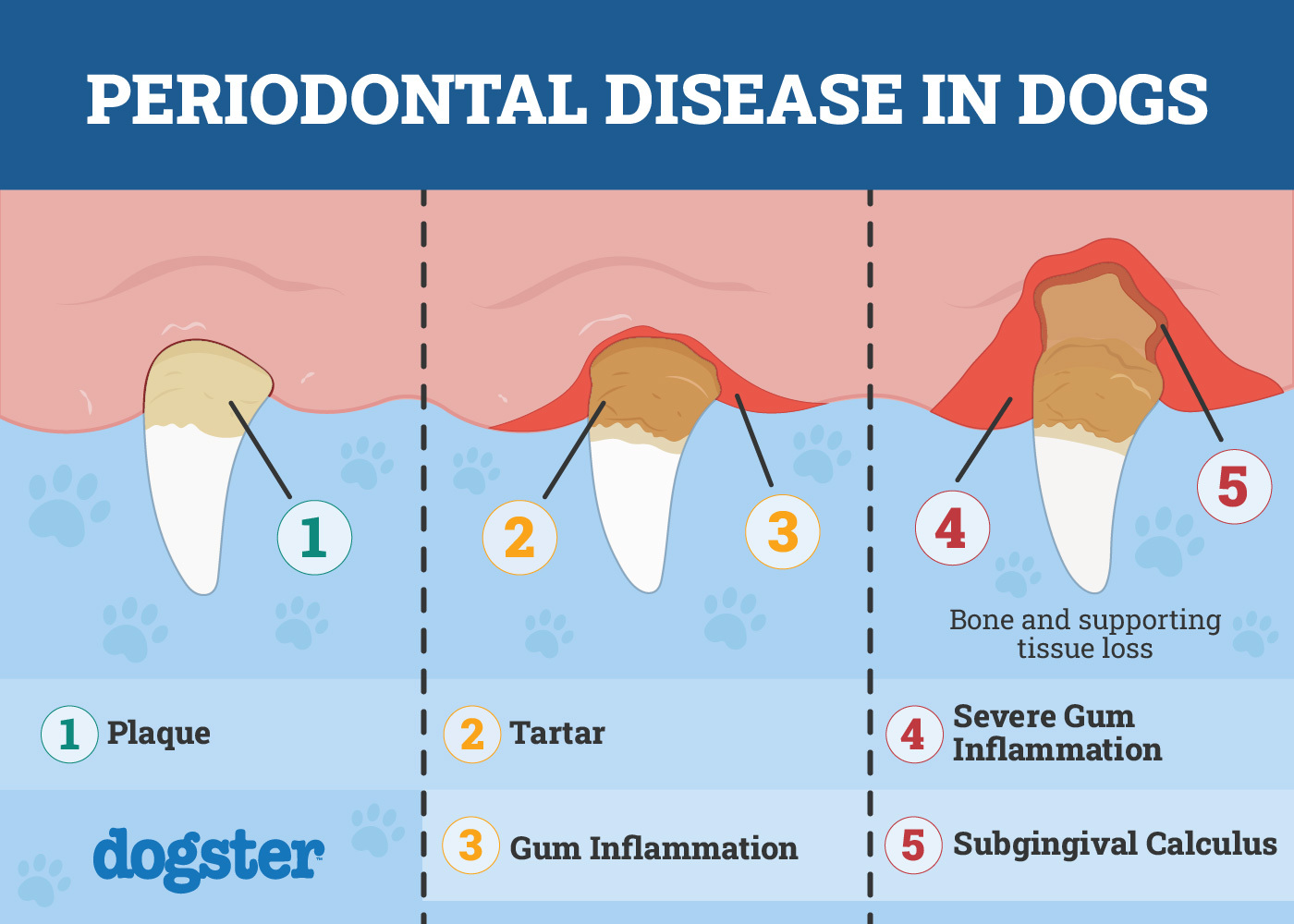
This is the most common dental condition in dogs, affecting about 80% of pups over age three. It begins with plaque buildup that hardens into tartar, eventually causing inflammation and infection of the gums and supporting structures.
Broken or Fractured Teeth
Dogs love to chew, sometimes on things that are too hard for their teeth (like bones, antlers, or even rocks). This can lead to cracked or broken teeth that expose sensitive nerves.
Tooth Infections/Abscesses
Bacteria can enter through damaged teeth or gums, causing painful infections that may form abscesses – pockets of pus that are extremely painful.
Malocclusion (Bad Bite)
Some dogs, particularly brachycephalic breeds like Bulldogs, may have misaligned teeth that can cause pain and discomfort when eating or even at rest.
How Veterinarians Diagnose and Treat Canine Dental Pain
If you suspect your dog is suffering from tooth pain, a veterinary visit is essential. Here’s what to expect:
Diagnosis Process
- Physical examination: Your vet will check your dog’s mouth, head, and face for obvious signs of dental problems
- Dental X-rays: Often necessary to see problems below the gumline
- Complete oral assessment: Usually performed under anesthesia to thoroughly check all teeth and gum surfaces
Treatment Options
Treatment depends on the specific dental issue but may include:
- Professional dental cleaning: Removes plaque and tartar above and below the gumline
- Extractions: Severely damaged teeth may need to be removed
- Antibiotics: For infections
- Pain medication: To provide relief during recovery
- Specialized procedures: Root canals or other advanced dental work for salvageable teeth
Preventing Dental Pain in Your Dog
The best way to deal with tooth pain is to prevent it in the first place! Here’s how:
Regular Home Care
- Tooth brushing: Aim for daily brushing with dog-specific toothpaste
- Dental chews: Enzymatic chews can help reduce plaque
- Water additives: Some products help fight bacteria when added to drinking water
- Appropriate chew toys: Soft enough not to damage teeth but firm enough to help clean them
Professional Care
- Annual dental exams: Your vet should check your dog’s teeth at every wellness visit
- Professional cleanings: Most dogs benefit from regular professional cleanings
- Early intervention: Address minor issues before they become painful problems
Diet Considerations
- Dental-formulated foods: Some dog foods are designed to reduce plaque and tartar
- Avoid hard chews: No bones, antlers, or other extremely hard objects
- Fresh, whole foods: Some fresh foods like carrots can help clean teeth naturally
My Personal Experience with Canine Tooth Pain
I’ll never forget when my dog Buddy started dropping his favorite treats and refusing to chew his dental sticks. At first, I thought he was just being picky, but when he began turning away from his food bowl, I knew something was wrong.
The vet discovered he had a fractured tooth with an exposed nerve – ouch! After extraction and proper medication, he was back to his happy, playful self within days. The transformation was remarkable and made me realize just how much pain he must have been in.
This experience taught me that our dogs rely on us to recognize their pain since they can’t tell us about it. Now I’m religious about checking Buddy’s teeth and gums weekly and brushing his teeth regularly.
When to Seek Emergency Dental Care
While some dental issues can wait for a regular appointment, others require immediate attention. Seek emergency care if your dog shows:
- Severe swelling: Especially if it’s spreading to the eye or throat
- Excessive bleeding from the mouth
- Extreme pain: Crying, whining, or inability to eat or drink
- Signs of systemic illness: Fever, lethargy, or vomiting in addition to dental symptoms
Frequently Asked Questions About Dog Tooth Pain
Can dogs get cavities like humans?
Yes, dogs can get cavities (dental caries), though they’re less common than in humans due to differences in diet and mouth chemistry. However, when they do occur, they cause similar pain.
How can I tell if my dog’s tooth pain is serious?
Any signs of tooth pain should be considered serious enough for a vet visit. However, symptoms like severe swelling, inability to eat or drink, or signs of infection (fever, lethargy) require immediate attention.
Is it normal for older dogs to lose teeth?
While some tooth loss can occur with age, it’s not actually “normal” or healthy. Tooth loss is usually the result of untreated periodontal disease, which is preventable with proper care.
Can I give my dog pain medication for tooth pain?
Never give human pain medications to dogs without veterinary guidance. Many human pain relievers (like ibuprofen and acetaminophen) are toxic to dogs. Your vet can prescribe appropriate pain relief specifically formulated for canines.
How much does canine dental care cost?
Costs vary widely depending on location and specific treatments needed. Basic dental cleanings might range from $300-$700, while more complex procedures involving extractions or root canals can cost $1,000-$3,000 or more. Preventative care is almost always less expensive than treating advanced dental disease.
The Bottom Line: Dogs Feel Tooth Pain Just Like We Do
Our furry friends experience dental pain in ways remarkably similar to humans. The key difference is their inability to communicate their discomfort verbally, combined with their natural instinct to hide pain.
As responsible pet parents, we must be vigilant about dental care and learn to recognize the subtle signs that might indicate our dogs are suffering. Regular home care combined with professional veterinary dental treatment can help ensure your dog maintains a healthy, pain-free mouth throughout their life.
Remember, a pain-free mouth means a happier dog who can enjoy meals, playtime, and all the other joys of being your faithful companion!
Have you ever noticed signs of tooth pain in your dog? What did you do to help them? I’d love to hear your experiences in the comments below!
When It Looks Like Your Dog Is Suffering from a Painful Tooth …
