
Have you ever planted a smooch on your furry friend’s head and wondered if they actually understand what you’re doing? I’ve been working with dogs for years now, and this question comes up all the time from pet parents Today, I’m diving deep into the fascinating world of doggy smooches to answer once and for all do dogs really know what kisses are?
The Truth About Doggy Kisses
Let’s be real—kissing isn’t exactly part of a dog’s natural behavior repertoire. Think about it: have you ever seen dogs in the park puckering up for each other? Of course not! They physically can’t pucker their lips like we humans do, so it’s definitely not an instinctive behavior for them.
Dogs communicate affection in their own unique ways, and kissing simply isn’t one of them While they might lick and nuzzle each other, they typically approach from the side rather than head-on. When your face suddenly comes close to theirs for a kiss, it can actually seem pretty strange or even threatening from their perspective.
Even worse, many of us tend to hug our dogs while kissing them, which unintentionally traps them and removes their escape route. This is why some dogs might react negatively—they’re not being mean, they’re just protecting themselves from what they perceive as a potential threat.
Why Some Dogs Tolerate (or Even Seem to Enjoy) Kisses
Despite not being natural, many dogs do seem to enjoy or at least tolerate our kisses. Why is that? It’s all about learning and association.
When you shower your pup with kisses while simultaneously petting them, speaking in that special “doggy voice,” and showing other signs of affection, they begin to make positive associations. Your dog learns that kisses = love and attention, even if the act itself doesn’t make inherent sense to them.
As one dog trainer at Aunt Lucy’s Dog Training puts it: “Dogs may not naturally understand kisses as affection, but they can certainly learn that’s what they are.”
And we all know if there’s one thing dogs absolutely love it’s love itself!
Not All Dogs Are Kiss Fans
Important to note that dogs have individual personalities and preferences, just like us humans. Some factors that affect whether your dog will enjoy kisses include:
- Personality – Some dogs are naturally more affectionate and tolerant of close contact
- Socialization history – Dogs kissed from puppyhood usually accept it better
- Past experiences – Rescue dogs or those with difficult histories may find kisses threatening
- Your relationship – The stronger your bond, the more likely they’ll accept unusual behaviors
I’ve worked with many rescue dogs who find face-to-face contact extremely uncomfortable or frightening. For these pups, a human face (especially the mouth) coming close can trigger anxiety or fear responses.
Warning Signs Your Dog Isn’t Enjoying Your Kisses
Dogs are pretty good communicators if we pay attention. Here are some signs your kisses might be causing stress rather than joy:
- Yawning – This is actually an appeasement signal in dog language, meaning “I’m not a threat, please back off”
- Sneezing – Can be like a little dog laugh but sometimes indicates confusion or stress
- Turning away – They’re trying to create distance
- Licking lips – A classic stress signal
- Stiffening up – Shows discomfort or tension
- Growling or snapping – A clear “please stop” message
If your dog shows these reactions when you go in for a smooch, it’s probably best to find other ways to show affection. They still love you—they just don’t understand your strange human ritual!
Teaching Your Dog to Enjoy Kisses
Good news! Most dogs can learn to appreciate kisses with some time and positive reinforcement. Here’s my approach to kiss-training:
- Start young if possible – Puppies are more adaptable and form associations more easily
- Use positive associations – Give treats, belly rubs, or toys whenever you give a kiss
- Be gentle and brief – Quick kisses are less intimidating than lingering ones
- Respect boundaries – If your dog seems uncomfortable, back off
- Be consistent – Regular positive experiences help cement the association
With puppies, you might notice they don’t react much to kisses at first. That’s totally normal! Over time, as they learn that kisses come bundled with pets, treats, and other good stuff, they’ll start to make the connection.
For adult dogs who seem nervous about kisses, try this simple training technique: offer a high-value treat immediately after each gentle kiss. This teaches them “kisses = good things” in language they definitely understand!
How Dogs Actually Show Affection
While we’re figuring out if dogs understand our kisses, let’s talk about how dogs naturally express their love. Recognizing these signs helps you understand your dog’s language of love:
- Physical closeness – Nuzzling, snuggling, leaning against you
- Excitement displays – Jumping, wiggling, zooming around when they see you
- Tail wagging – Especially with a relaxed, full-body wag
- Following you everywhere – Even to the bathroom!
- Sleeping near you – A vulnerable position showing trust
- Licking you – Their version of a “kiss”
- Bringing toys – Sharing treasures is a big deal in dog world
One of my clients had a retriever who would always bring his favorite toy whenever she came home—not to play, just to show her his most precious possession. That’s love in dog language!
Better Ways to Show Affection to Your Dog
If your dog isn’t a fan of kisses, don’t worry! There are tons of other ways to show your love that dogs actually understand and appreciate:
- Petting and scratching – Especially in their favorite spots
- Treat time – Nothing says “I love you” like their favorite snack
- Play sessions – Fetch, tug, or whatever games they enjoy
- Walks and adventures – New smells and experiences are pure joy
- Talking to them – Dogs love that special voice you use just for them
- Quality time – Simply being together is meaningful
I’ve found that many dogs actually prefer a good ear scratch or belly rub over kisses any day! These physical connections speak directly to their understanding of affection.
Teaching Dogs to “Kiss” Back
Some pet parents take things a step further and teach their dogs to “kiss” them back. Since dogs can’t pucker up, this usually means training them to give a gentle lick on command.
This can be a cute trick, but remember—excessive licking isn’t always affection. Sometimes it indicates anxiety or stress. And let’s be honest, dog mouths aren’t the cleanest places! While a occasional doggy “kiss” is usually harmless for healthy people, it’s probably best not to encourage face-licking as a regular habit.
When Kisses Might Be Dangerous
In some situations, attempting to kiss your dog could actually be risky:
- With unfamiliar dogs – Never put your face near a dog you don’t know well
- With resource-guarding dogs – If they’re enjoying a bone or toy, keep your distance
- During stressful situations – When dogs are anxious, they need space
- With dogs showing warning signs – Respect their communication
I’ve seen too many avoidable bite incidents where well-meaning people ignored a dog’s clear “no thank you” signals and went in for a kiss anyway. Always respect your dog’s boundaries!
Cultural Differences in Dog-Human Interactions
It’s interesting to note that attitudes toward kissing dogs vary worldwide. In some cultures, close physical contact with dogs is the norm, while in others, it’s considered inappropriate or unhygienic. Dogs adapt to the cultural norms they’re raised in, which is why dogs in different countries might react differently to kisses and other physical affection.
The Science Behind Dog-Human Bonding
Research has shown that positive interactions between dogs and humans—whether kisses or other forms of affection—release oxytocin (the “love hormone”) in both species. This hormone strengthens bonds and creates feelings of trust and attachment.
So while your dog might not understand the human concept of a kiss, they definitely understand and value the bond that these interactions represent.
Final Thoughts on Doggy Kisses
So, do dogs know what kisses are? The simple answer is: not naturally, but they can learn! Dogs are incredibly adaptable and responsive to their human families. They might not be born understanding kisses, but many learn to associate them with love, attention, and all the good stuff that comes from their favorite humans.
The most important thing is to pay attention to your individual dog’s preferences and respect their comfort level. If they enjoy your kisses, smooch away! If not, find other ways to express your affection that they’ll understand and appreciate.
Remember, love is about connection, not specific behaviors. Whether through kisses, cuddles, walks, or treats, what matters most is the special bond you share with your furry best friend.
Do you kiss your dog? How do they react? I’d love to hear your experiences in the comments below!
This article was inspired by information from Aunt Lucy’s Dog Training and other expert sources on canine behavior. Always prioritize your dog’s comfort and wellbeing when showing affection.

Kissing is such a natural thing for many humans, yet have we considered what that gesture means to our canine friends?
In many cultures kissing another person is primarily seen as a sign of affection or, for some cultures, it is simply a positive gesture. For many pet owners giving their pups a kiss and a cuddle is something that comes as second nature, but what do dogs make of this?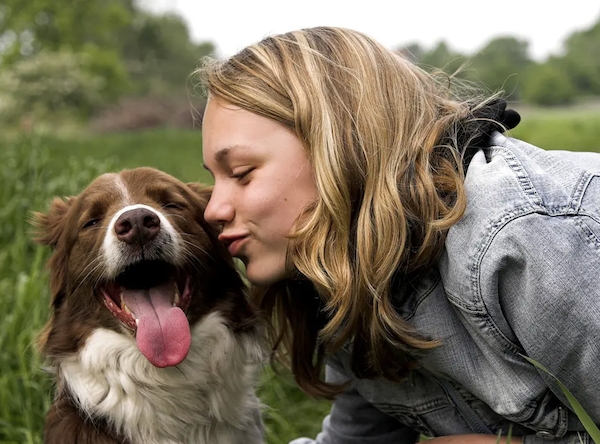
Dogs cannot pucker or purse their lips. They can move their lips somewhat but do not have the lip muscles or range of lip movement as people do. Just like they cannot chew food with their mouths closed, as we do. If it is not natural or native to them, like many gestures that humans do, they need to figure out what it means. Is it a good thing or a bad thing?
From a human perspective
As humans, we expect our dogs to sometimes behave in human-like ways and we therefore may subject them to things that aren’t a normal part of their behavior repertoires. Some of us dress up our dogs, teach them to shake hands with people and even expect them to not pass gas in front of guests. On top of this, we may expect dogs to cherish being kissed and hugged.
From a dog’s perspective
When a dog is kissed, it means bringing our face very close to the dog’s face, and this is something that not all dogs are comfortable with. From a dog’s perspective, putting our face close to their faces and plastering them a kiss on the nose, mouth or forehead, may be perceived as a bite or attempt to bite. When we hug and kiss our dogs, we may also wrap our arms around them which removes the dog’s “flight’ option” (the ability to leave). When we hug and kiss dogs, we may therefore put ourselves at risk for a defensive bite to the face which can be very dangerous.
Studies have shown that bending over a dog, putting the face close to the dog’s face and making eye contact (all behaviors taking place when kissing a dog), often led to bites directed towards the central area of the face. Sadly, according to the study, more than two thirds of the victims were children. Young children often perceive dogs as stuffed animals. They want to hug them and smooch them as they do with their toys.
Perspectives can change
According to Animal Behaviorists, ‘dogs don’t understand human kisses the same way that humans do.’ When kissing a young puppy, you may not notice any signs of recognition at all because they have yet to associate kisses with affection. After repeated pairing with petting and affectionate tones in the voice of the owner, dogs may go beyond tolerating kisses to liking everything that surrounds the kissing experience. On the other hand, some dogs never get used to being kissed, for example, some rescue dogs. We may not know what their experience has been before being rescued or if they experienced any affectionate behavior at all from people.
Dogs may respond differently to being kissed and hugged. Some dogs love it, others show pretty obvious signs of disliking it, and some just tolerate them. Some dog owners claim that their dogs seem to really enjoy it, but is that the real picture? In some cases, dogs may be showing very subtle signs of discomfort that go unnoticed, like pulling away or turning away, some even snarl or grumble. Also, some dogs ‘outgrow’ kisses. They may enjoy them as puppies but less so as an adult dog.
So while dogs do not understand what kisses really mean, many can eventually learn to realize they are positive gestures and respond and reciprocate accordingly.
Do Dogs Understand Hugs and Kisses?
FAQ
Do dogs understand that kisses are affection?
No, dogs do not naturally understand that human kisses are a sign of affection, as kisses are not a part of their natural communication. However, dogs can learn to associate kisses with positive experiences, like affectionate tones and petting, and respond positively to them over time. Key to this understanding is consistent, positive exposure to kisses and respecting a dog’s comfort level, as many dogs can feel stressed by the close proximity and potential aggression of a human face.
Do dogs feel love when you kiss them?
Do dogs know we love them?
Do dogs like to be hugged and kissed?
No, dogs do not inherently like hugs and kisses; these are human gestures that can feel threatening or restrictive to a dog, as they mimic canine dominance or restraint behaviors. While some dogs may tolerate or even learn to enjoy them through positive association, many will show signs of discomfort like lip-licking, yawning, or avoidance. Observing your dog’s body language is key to understanding their preferences, as they show affection through other means, such as leaning into you, nuzzling, or giving gentle licks.