
Have you ever heard someone say “stay calm, dogs can sense fear”? It’s one of those pieces of advice that gets passed around so often that most of us accept it as fact. But is it actually true? Can our furry friends really detect when someone is terrified of them? And if they can, how exactly do they do it?
As a dog lover who’s seen plenty of interactions between canines and nervous humans, I’ve always been curious about this phenomenon. So I decided to dig deeper into what science actually tells us about dogs’ ability to perceive human emotions – particularly fear.
The Science Behind Dogs Sensing Fear
Research has actually confirmed what many dog owners have suspected all along – dogs really can detect when someone is afraid of them. A study conducted by researchers at Liverpool University found that showing anxiety significantly increases your risk of suffering a dog bite. This establishes a clear connection between personality types and the likelihood of being bitten.
But how exactly do dogs pick up on our fear? There are several ways
1. Their Incredible Sense of Smell
Dogs have approximately 300 million olfactory receptors in their noses, compared to about 6 million in humans This gives them a sense of smell that’s roughly 40 times better than ours!
When we’re afraid, our bodies produce specific chemicals:
- Adrenaline
- Cortisol
- Sweat with unique compounds
Dogs can literally smell these stress hormones being released, giving them a chemical signature of your emotional state.
2. They’re Expert Body Language Readers
Dogs are masters at picking up on subtle body cues that humans might miss. They observe
- Micro movements
- Posture changes
- Muscle tension
- Eye movements
A person who’s afraid often displays rigid posture, avoids eye contact, or makes jerky, unpredictable movements – all signals that dogs can detect.
3. Voice Changes
Fear changes the pitch and tone of our voices. Even if we’re trying to sound confident while saying “nice doggy,” a frightened person’s voice typically:
- Gets higher pitched
- Sounds shakier
- Changes in volume
Dogs are extremely sensitive to these vocal shifts.
How Dogs Typically React to Fearful People
Now that we know dogs can detect fear, what do they actually do with this information? The answer isn’t straightforward because dogs, like people, have individual personalities and backgrounds.
Some common reactions include:
Increased Curiosity or Caution
Many dogs become more interested in a person who’s afraid of them. They might:
- Approach more carefully
- Sniff more intensely
- Circle around the person
- Watch from a distance
This isn’t necessarily aggression – it’s often just the dog trying to gather more information about this person who’s giving off unusual signals.
Protective or Defensive Behavior
Some dogs interpret fear as a potential threat. If a dog senses that someone is afraid, they might become more alert or protective because:
- Fear can make humans behave unpredictably
- Unpredictable behavior feels threatening to dogs
- Dogs may respond by becoming more guarded
Mirroring the Emotion
Dogs can actually “catch” emotions from humans through a process similar to empathy. A fearful person might make a dog more anxious too.
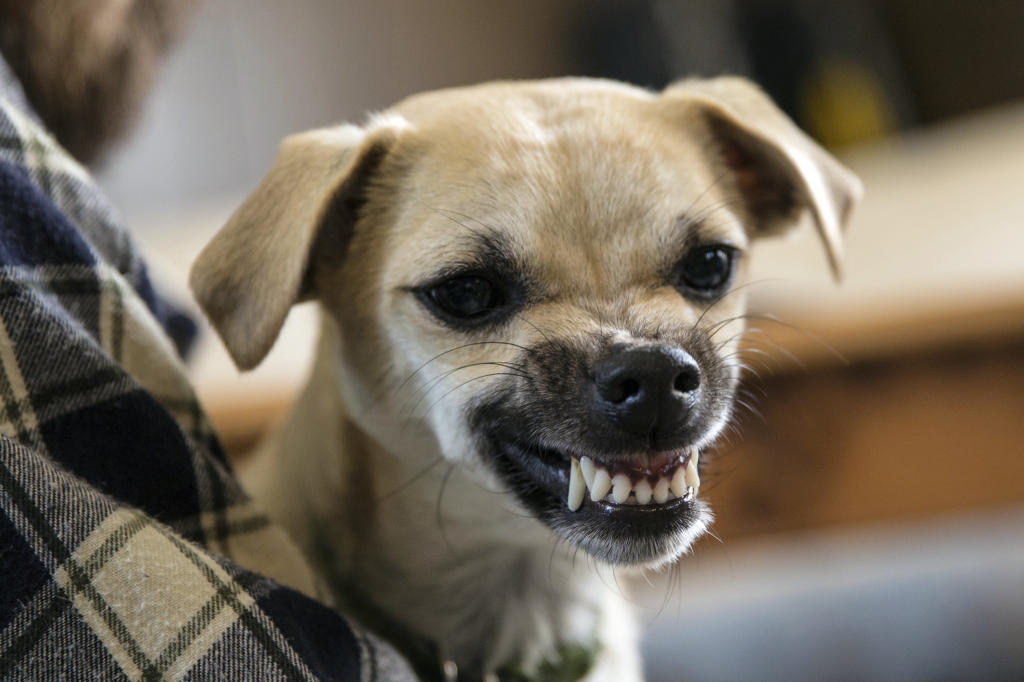
Potential for Aggression
This is the reaction most people worry about, and unfortunately, it can happen. The Liverpool University study mentioned earlier confirmed that anxious people face a higher risk of dog bites. Why might this occur?
- Dogs that are insecure themselves might attack someone they perceive as weaker
- Dogs without proper socialization or training may not know how to appropriately respond to fearful humans
- A dog’s prey drive might be triggered by someone who acts like prey (running away, making sudden movements)
Why Some Dogs Attack When They Sense Fear
The question of why some dogs might become aggressive toward fearful people has several explanations:
Insecurity and Dominance
Just like humans, dogs can be insecure and might overcompensate by asserting dominance over someone they perceive as weaker. This behavior is more common in dogs that:
- Lacked proper socialization as puppies
- Have limited experience with people
- Have been abused or mistreated
Natural Instincts
Though domesticated, dogs still retain some instincts from their wild ancestors. In wolf packs, weak members can be seen as liabilities. Some dogs might respond to perceived weakness with aggression due to these deeply embedded instincts.
Confusion and Frustration
A person who’s afraid often sends mixed signals – they might want to pet the dog but then pull back suddenly, or they might stare (which dogs interpret as threatening) while trying to appear friendly. These contradictions can confuse and frustrate dogs.
How to Stay Safe Around Dogs When You’re Afraid
If you’re someone who gets anxious around dogs, here are some practical tips to stay safe:
Do’s:
- Remain as calm as possible (I know, easier said than done!)
- Speak in a friendly, stable tone
- Keep the dog in your sight without direct eye contact
- Breathe steadily and deeply
- Back away slowly if needed
Don’ts:
- Don’t turn your back on the dog
- Avoid staring directly into the dog’s eyes
- Don’t make sudden movements or raise your arms
- Don’t run away (this can trigger chase instincts)
- Don’t act overly intimidating or weak
Can You Overcome Your Fear of Dogs?
The good news is that cynophobia (fear of dogs) can definitely be addressed. Here are some approaches that have worked for many people:
-
Gradual exposure therapy – Start with looking at pictures of friendly dogs, then watching videos, then observing dogs from a distance, and gradually working up to closer interactions
-
Education – Learning about dog behavior and body language can help make their actions more predictable and less frightening
-
Positive experiences – Meeting well-trained, calm dogs in controlled environments can create new, positive associations
-
Professional help – Therapists specialized in phobias can offer structured programs to overcome fear of dogs
For Dog Owners: Helping Your Dog Around Fearful People
If you’re a dog owner, you have a responsibility to manage your dog around people who might be afraid. Here’s what you can do:
- Train your dog to have excellent recall and basic obedience
- Learn to recognize signs of stress or aggression in your dog
- Keep your dog leashed around new people
- Give fearful people space – don’t insist they interact with your dog
- Consider working with a professional trainer if your dog shows any signs of aggression
The Bottom Line
Yes, dogs absolutely can tell when someone is afraid of them. They use their incredible senses of smell, sight, and hearing to pick up on the subtle changes that occur when a person is anxious or fearful.
While most dogs won’t respond aggressively to fearful people, the connection between showing fear and increased bite risk is real. Understanding how dogs perceive and respond to human emotions can help both fearful people and dog owners navigate these interactions more safely.
I’ve personally seen how this dynamic plays out countless times. My neighbor’s Golden Retriever somehow always knows which visitors are uncomfortable around dogs and gives them extra space, while enthusiastically greeting dog lovers. Dogs truly are remarkable at reading us – sometimes better than we read ourselves!
Whether you’re someone who gets nervous around dogs or a dog owner trying to help fearful friends, remember that awareness and education are your best tools for creating positive interactions between humans and our canine companions.
Have you ever noticed a dog responding to your fear or anxiety? Or maybe you’ve watched your own dog behave differently around people who are afraid? I’d love to hear your experiences in the comments below!
Why is my dog afraid of everything? 5 Reasons dogs become fearful- Dog Training Video
FAQ
Do dogs know when you are afraid of them?
Yes, dogs can sense when someone is scared. They are highly attuned to human emotions and can pick up on cues such as body language, facial expressions, and even changes in scent due to stress. When a person is scared, their body may release certain chemicals and hormones, like adrenaline, which dogs can detect.
Will dogs bite if they sense fear?
They have been loyal companions to humans for thousands of years. However, just like humans, they can become aggressive and act out. The age-old belief that dogs can smell fear appears to be true.
How long does 1 hour feel to a dog?
Dogs have a higher metabolism than humans, and thus experience time more slowly. Our 60 minutes translates to about 75 minutes for them.
Can dogs sense fear in a human?
In summary, dogs can smell your fear, but if anything this makes them less likely to approach you, not more likely.