
Have you ever watched your furry friend panting heavily on a hot summer day and wondered, “Do dogs sweat through their mouths?” It’s a common misconception that many pet parents have! As a dog owner myself for over 12 years, I’ve often pondered this question while watching my Golden Retriever, Max, panting after our afternoon walks.
The short answer? Dogs don’t actually sweat through their mouths! Despite what many believe, that moisture you see isn’t sweat at all. Today, I’m gonna break down exactly how our canine companions cool themselves down and why understanding this is crucial for keeping your four-legged friend safe during those scorching summer months.
How Dogs Really Cool Down: The Basics
Dogs do sweat but not in the same way humans do. Unlike us who can sweat all over our bodies, dogs have a more limited cooling system. Here’s how they actually regulate their body temperature
Panting: Their Primary Cooling Method
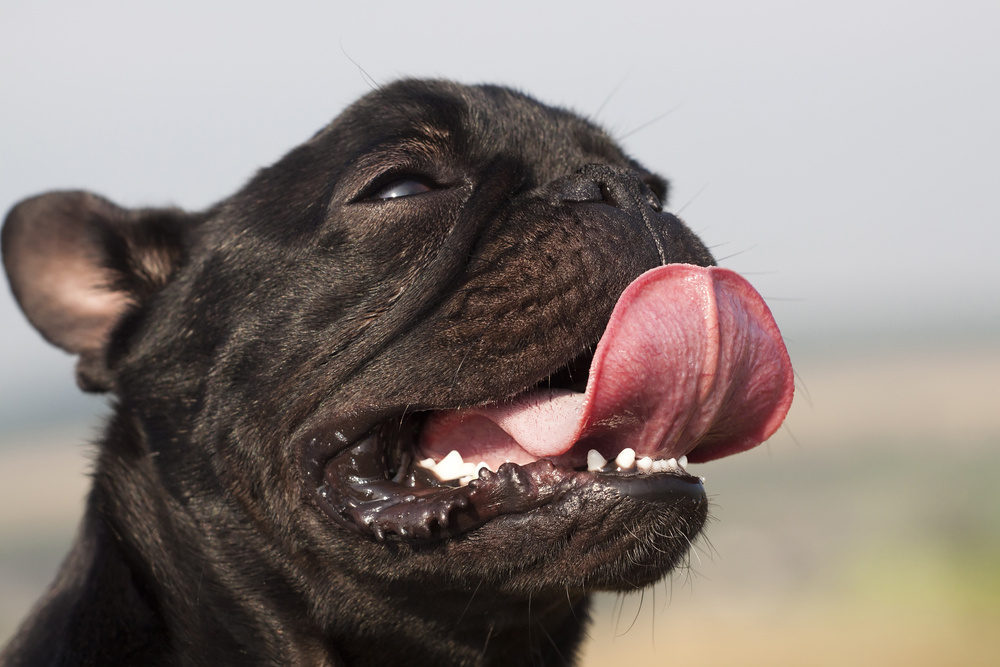
Contrary to popular belief dogs don’t sweat through their mouths when they pant. What’s actually happening is
- Moisture from their tongues, nasal passages, and lungs evaporates
- As air passes over these moist tissues, it creates a cooling effect
- This process helps regulate their internal body temperature
When Max is panting after playtime, he’s not sweating through his mouth—he’s using evaporation to cool down That moisture you see dripping? It’s saliva, not sweat!
Where Dogs Actually Sweat From
Dogs have two types of sweat glands:
- Merocrine (Eccrine) Glands: Located primarily in their paw pads
- Apocrine Glands: Found all over their body
Merocrine Glands: The True Sweat Makers
These glands function similarly to human sweat glands but are only found in your dog’s paw pads. That’s why you might notice damp paw prints on your floor during hot days—your pup is literally sweating through their feet!
The reason dogs don’t have these sweat glands all over their bodies is pretty logical when you think about it. Most dogs are covered in fur, so sweat wouldn’t evaporate effectively to cool them down if it was trapped under all that hair.
Apocrine Glands: Not for Cooling
While technically considered sweat glands, apocrine glands don’t help cool your dog. Instead, they release pheromones that help dogs identify each other by scent. Think of them as doggy ID cards rather than air conditioners!
Why Dogs Pant Instead of Sweat
So if dogs don’t sweat through their mouths, why do they pant so much? Panting is actually super efficient for dogs! When they pant:
- They can quickly move air in and out of their lungs
- This rapid breathing evaporates moisture from their mouth and respiratory tract
- The evaporation process cools the blood in the vessels of these areas
The cooled blood then circulates back through the body, helping to lower overall body temperature. It’s kinda like having a built-in fan!
Vasodilation: Another Cooling Mechanism
Besides panting, dogs also use vasodilation to cool down. This process involves:
- Expansion of blood vessels, especially in their ears and face
- Bringing hot blood closer to the surface of the skin
- Allowing the blood to cool before returning to the heart
If you’ve ever noticed your dog’s ears getting redder when they’re hot, that’s vasodilation in action!
The Problem With Panting: Limitations
While panting is effective, it has serious limitations compared to human sweating:
- It uses energy, which generates additional heat
- It’s less efficient in humid environments (moisture doesn’t evaporate as well)
- It can’t cool a dog as effectively during intense heat
This is why dogs are at higher risk for heatstroke than humans. Their cooling systems just aren’t as efficient as our whole-body sweat response.
Signs Your Dog Is Overheating
Since dogs can’t sweat effectively, it’s crucial to recognize when they’re struggling to cool down. Watch for these warning signs:
Early Signs of Heat Stress:
- Heavy, frantic panting
- Widening tongue as panting increases
- Drooping ears or tail
- Disengagement from activities they were enjoying
- Seeking shade or cool surfaces
Signs of Heat Exhaustion (104-105°F):
- Excessive drooling
- Restless behavior
- Difficulty breathing
- Bright red gums
- Rapid heart rate
Signs of Heatstroke (106°F+):
- Vomiting
- Diarrhea
- Seizures
- Muscle tremors
- Disorientation
- Collapse or unconsciousness
I remember when Max showed signs of overheating during a particularly hot hiking trip. His panting became extremely heavy, and he started drooling excessively. We immediately found shade, gave him water, and cooled him down with some water on his paws. It was a scary reminder of how quickly things can escalate!
Does Fur Make Dogs Hotter?
You might think all that fur would make dogs hotter, but it’s actually more complicated than that. According to Dr. Jerry Klein, Chief Veterinary Officer for the AKC, “Your dog’s coat actually acts as an insulator. A dog’s coat captures air to keep out the cold and hold heat in during winter, and to keep your dog cooler in hot weather.”
This is why you should never shave a double-coated breed like a Husky or German Shepherd thinking you’re helping them stay cool. Their coat provides:
- Natural insulation against heat
- Protection from sunburn
- Regulation of body temperature
Shaving can actually make overheating more likely and may damage their coat permanently!
Dogs at Higher Risk for Overheating
Some dogs have a harder time cooling off than others. Keep an extra close eye on your pup if they are:
- Brachycephalic breeds (with short noses and flat faces) like Pugs, Boxers, Bulldogs, Boston Terriers, and French Bulldogs
- Puppies or senior dogs
- Dogs with respiratory or other health problems
- Dogs with dark-colored coats (absorb more heat)
- Dogs with thick double coats
- Overweight or obese dogs
- Dogs who have experienced heatstroke before
These dogs need extra precautions during hot weather!
How to Help Your Dog Stay Cool
Since dogs don’t sweat through their mouths (or much at all), they need our help staying cool in hot weather. Here are my top tips:
Immediate Cooling for an Overheated Dog:
- Move them to a cooler environment ASAP
- Offer cool (not cold) water to drink
- Run cool water over their body, especially paw pads
- Place wet towels on their body (keep head elevated)
- Contact your veterinarian immediately if symptoms are severe
Prevention Tips:
- Always provide shade and plenty of fresh water
- Exercise during cooler parts of the day (early morning/evening)
- Consider cooling vests or bandanas for outdoor activities
- Wet your dog’s paws during walks in hot weather
- NEVER leave your dog in a parked car, even for a few minutes
- Place the palm of your hand on walking surfaces—if it’s too hot for your hand, it’s too hot for their paws!
- Consider kiddie pools or sprinklers for backyard cooling fun
I’ve found that freezing some of Max’s favorite toys in water creates fun ice blocks that keep him entertained and cool on hot days. He loves licking and playing with these frozen treats!
Fun Facts About Dog Cooling
Did you know:
- Dog sweat is actually odorless until it mixes with bacteria on the skin
- Dogs from different regions have evolved different cooling capacities
- Some dogs naturally dig holes to lie in because the earth is cooler below the surface
- A dog’s normal temperature is higher than humans: 100-102.5°F is normal (ours is 98.6°F)
When to Worry: Heatstroke is an Emergency!
If you suspect your dog is suffering from heatstroke, this is a true emergency. Take immediate action:
- Remove them from the heat source
- Apply cool (not cold) water to their body
- Place wet towels on their body, especially the neck, armpits, and groin areas
- Keep their head elevated
- Transport them to the nearest veterinary hospital immediately
Remember: heatstroke can be fatal if not treated promptly!
The Bottom Line on Dog Sweat
So, do dogs sweat through their mouths? Nope! Dogs cool themselves primarily through panting (not mouth sweating) and limited sweating through their paw pads. Understanding how your dog regulates their temperature is essential for keeping them safe in hot weather.
As pet parents, we need to be extra vigilant about preventing overheating since our furry friends can’t cool themselves as efficiently as we can. By recognizing the signs of heat stress early and taking appropriate action, we can ensure our pups stay comfortable and safe year-round.
Next time you see your dog panting, you’ll know exactly what’s happening—not sweating through the mouth, but using a clever evolutionary adaptation to stay cool!
What cooling techniques have you tried with your dog? Do they have any particular ways they like to cool off in hot weather? I’d love to hear your experiences in the comments!
How Do Dogs Sweat?
Dogs only produce sweat in certain parts of their bodies. Dogs have two types of sweat glands:
- Merocrine glands
- Apocrine glands
Merocrine sweat glands function similarly to human sweat glands. Located in your dog’s paw pads, these glands activate when your pet is hot to cool them down. This is why you might notice damp paw prints on the ground during particularly hot days.
Most dogs are covered in fur, so if sweat glands were located on their bodies, the sweat would fail to evaporate. Cooling takes place when sweat evaporates. That’s why it is much more efficient for dogs to have sweat glands in their paw pads, where there is little fur.
Apocrine sweat glands are different from merocrine glands. While veterinarians consider apocrine glands to be sweat glands, their main purpose is to release pheromones, not cool your dog off. These glands are located all over every dog’s body, and they help a dog identify other dogs by scent.
What’s the Point of Panting?
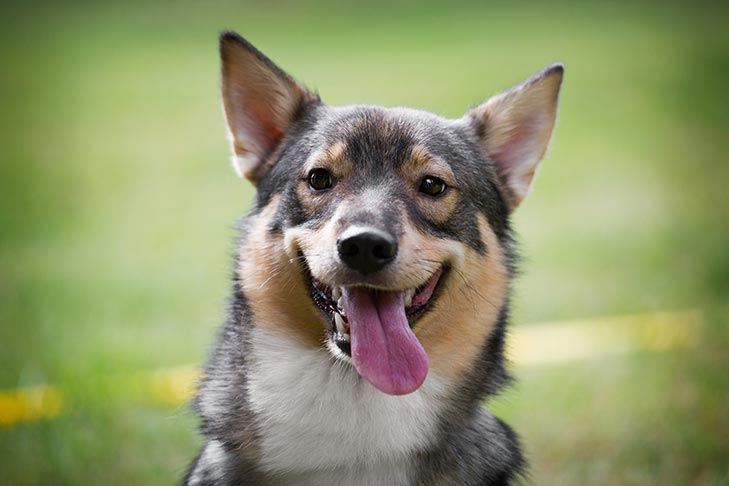
Sweat plays a very small role in cooling down your dog. Dogs rely on panting to control most of their temperature regulation. When dogs pant, moisture from their tongues, nasal passages, and the lining of their lungs evaporates, cooling them down as air passes over the moist tissue.
They also rely on vasodilation, which is the expansion of blood vessels (especially in their ears and face), to cool down. When the blood vessels expand, they bring the hot blood closer to the surface of the skin, which allows it to cool down before returning to the heart and helps regulate an animal’s internal body temperature.
Do dogs sweat?
FAQ
Do dogs sweat a lot?
Dogs only produce sweat in certain parts of their bodies. Dogs have two types of sweat glands: Merocrine sweat glands function similarly to human sweat glands. Located in your dog’s paw pads, these glands activate when your pet is hot to cool them down. This is why you might notice damp paw prints on the ground during particularly hot days.
Why do dogs have sweat glands in their paws?
That’s why it is much more efficient for dogs to have sweat glands in their paw pads, where there is little fur. Apocrine sweat glands are different from merocrine glands. While veterinarians consider apocrine glands to be sweat glands, their main purpose is to release pheromones, not cool your dog off.
Do dogs have sweat glands?
Most dogs are covered in fur, so if sweat glands were located on their bodies, the sweat would fail to evaporate. Cooling takes place when sweat evaporates. That’s why it is much more efficient for dogs to have sweat glands in their paw pads, where there is little fur. Apocrine sweat glands are different from merocrine glands.
Does a sweat gland cool a dog?
Neither type of sweat gland is effective at cooling, but that’s no reason for concern—dogs have better ways cool down. When a dog is panting, they are rapidly inhaling, humidifying, and exhaling air. This movement causes moisture in the airways to evaporate, which leads to a cooling effect.
Does dog sweat smell like human sweat?
The sweat from the merocrine sweat glands in a dog’s paw pads does not have the odor associated with human sweat. In fact, human body odor is the result of skin bacteria mixing with sweat. Sweat from the apocrine glands is also not an odor us humans can smell.
Do dogs sweat through their fur?
No, dogs do not sweat through their fur. They have sweat glands close to their fur, but those glands mainly produce an odor to communicate with other dogs. Can you smell dog sweat? No, humans can’t smell dog sweat. It’s possible that dogs can smell each other’s sweat. But the sweat released from a dog’s paw pads may produce a corn-chip odor.
Can dogs sweat through their mouth?
Since they are covered with thousands of hair follicles, dogs sweat through their paws, nose, and tongue.Jun 3, 2022
What body part does a dog sweat through?
Dogs have merocrine sweat glands in their paw pads. These glands activate when a dog is hot, producing sweat to cool them down. However, because the surface area of paw pads is small, this sweating has a minimal effect on overall body temperature.
Which animal sweats only through its tongue?
Animals with little hair on their bodies – such as humans, horses and some species of monkeys – cool down when sweat evaporates from their skin. For species with long hair, such as dogs, sweating would be like putting on a sodden coat. For this reason, dogs stick out their tongues and pant to cool down .
How do dogs sweat and stay cool?
Merocrine sweat glands function similarly to human sweat glands. Located in your dog’s paw pads, these glands activate when your pet is hot to cool them down. This is why you might notice damp paw prints on the ground during particularly hot days.