
When it comes to dogs, not all yawns are the same. Aside from that, the reasons for yawning aren’t fully understood (in dogs or humans). It used to be thought that yawning was a way to replenish the brain’s oxygen supply. However, researchers have not yet found any evidence of this.
Yawning also hasn’t been shown to wake up a tired brain, even though we yawn most when we’re bored or tired. Since yawning is most likely to occur in a warm room, it’s thought that it does have some effect on cooling the brain. However, more studies need to be done on this. Now, it’s thought that yawning is a form of communication. Here are a few reasons why your dog may yawn:
Most trainers and behaviorists will advise owners to watch out for signs of stress in their dogs, and one of these signs is often excessive yawning. This is accurate information, as dogs do seem to yawn when they’re feeling anxious. For example, you might find during an obedience class that dogs feeling stress and displeasure from their owners will often yawn as if to display their understanding that punishment may be coming.
If you’re out on a walk and stop to talk to a neighbor, you might notice your dog yawn a few times. This could be because your dog is uncomfortable with the person. They could also just be anxious to get moving again. After all, a dog excited to go on a walk certainly doesn’t want to stop and sit around for 20 minutes.
Yawning as a sign to communicate indifference has been observed in both domesticated dogs and wild canids. Many times, when a dog is faced with an aggressive dog, they’ll offer a yawn in response to the aggressor. This simply means that the yawning dog is uninterested in conflict. It’s not a sign of submission but rather a sign of pacification.
Yawning can also be seen in dominant dogs and wolves. When confronted with submissive or fearful pack members or strangers, they’ll often yawn to show their lack of concern with the submissive one. This often seems to have a calming effect on the anxious dog or wolf.
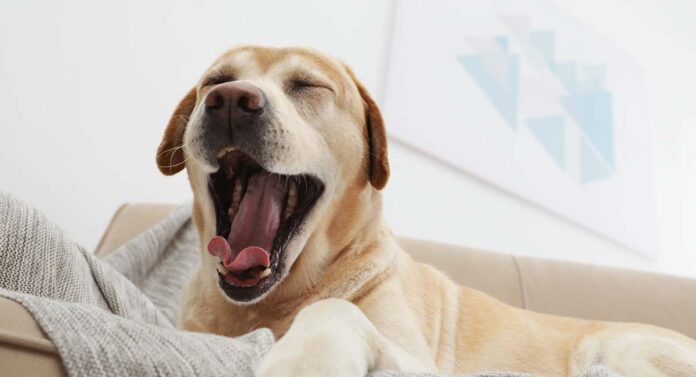
Ever caught your furry friend mid-yawn and wondered, “Is my dog just sleepy, or is something else going on?” While humans typically yawn when we’re tired or bored, our canine companions have a whole different language going on with those big, wide-mouthed gestures.
As a long-time dog owner myself, I’ve noticed my golden retriever Max yawning not just when he’s ready for bed, but in all sorts of situations that made me curious. After diving into research and talking with our family vet, I discovered that doggy yawns are way more interesting than I thought!
Let’s explore the fascinating world of dog yawns together and find out if tiredness is really the main culprit, or if there’s more to this common canine behavior.
Why Do Dogs Yawn? The Truth Behind Those Big Stretchy Mouths
First things first – yes, dogs absolutely do yawn when they’re tired, just like we do. But that’s just one piece of a much bigger puzzle!
1. Tiredness: The Classic Yawn Explanation
When your dog is feeling sleepy, they might let out a big yawn as they transition between sleep and wakefulness. This is probably the explanation most of us assume when we see our pups yawning.
“This kind of yawn is calm and accompanied by slow breathing, a relaxed body, and maybe even a stretch,” according to pet behaviorist Qiai Chong
Signs that your dog’s yawn is from tiredness:
- Relaxed body language
- Slow, deep breathing
- Might be followed by settling down to sleep
- Often occurs at typical rest times (evening, after exercise)
2. Stress Relief: The Pressure Valve Yawn
Surprisingly one of the most common reasons dogs yawn isn’t tiredness at all – it’s stress! Dogs use yawning as a self-soothing mechanism to help calm themselves down in stressful situations.
Dr. Shannon Barrett a veterinarian explains that stress yawns often come with other signs like “cowering, panting, pacing, or hiding.” Your dog might be trying to literally yawn away their anxiety.
I noticed this with Max whenever we visit the vet. He’ll yawn repeatedly in the waiting room, even though he just had a nap before we left home!
3. Communicating with Other Dogs: The Peace-Making Yawn
Dogs are social animals with complex communication systems. When a dog feels threatened, such as when meeting an unfamiliar dog, they may yawn as what trainers call a “calming signal.” Essentially, your dog is saying, “I’m friendly, I don’t want any trouble!”
This type of yawning is often paired with:
- Tucked tail
- Lowered posture
- Avoidance behaviors
4. Empathetic Mimicry: The “I Love You” Yawn
Ever yawned and then noticed your dog yawn right after? That’s not a coincidence! Research shows that dogs participate in contagious yawning, particularly with humans they feel emotionally close to.
Dr. Nell Ostermeier notes that “yawns are as ‘contagious’ for dogs as they are for people.” When your dog catches your yawn, it might actually be a sign that they feel bonded to you. How sweet is that?
5. Excitement: The “Can’t Wait” Yawn
Contrary to what you might expect, dogs sometimes yawn when they’re actually super excited! Your pup might yawn right before a walk or when you’re getting ready to play fetch – not because they’re bored, but because they can barely contain their excitement.
Dr. Barrett explains that an excited dog will show other happiness signs alongside yawning, like “tail wagging, play bowing, or showing you their tummies.”
6. Boredom: The “Entertain Me” Yawn
Just like humans, dogs can yawn when they’re not mentally stimulated enough. If your dog is yawning and also showing signs like pacing, destructive chewing, or digging, they might be telling you they need more enrichment activities.
My Max starts yawning a lot on rainy days when we can’t go for our usual long walks – a clear sign he needs some indoor games to keep his mind busy!
7. Confusion: The “I Don’t Get It” Yawn
During training sessions, dogs might yawn when they’re struggling to understand what’s expected of them. This type of yawning stems from the stress of confusion or frustration when they can’t figure out what you want them to do.
How to Tell What Your Dog’s Yawn Means
Context is everything when decoding your dog’s yawns! Here’s a handy guide to help you understand what your pup might be trying to communicate:
| Accompanying Behavior | Likely Meaning | How to Respond |
|---|---|---|
| Ears pinned back, panting, pacing, cowering | Stress or fear | Remove from stressful situation, use calming techniques |
| Wagging tail, relaxed body, play bowing | Happiness or excitement | Engage in play or rewarding activities |
| Relaxed body language, stretching | Tiredness | Let them rest or cuddle up |
| Digging, chewing, pacing | Boredom | Provide mental stimulation (walks, toys) |
| Tucked tail, lowered posture | Appeasing another dog | Monitor interaction, intervene if needed |
When Dog Yawning Becomes a Concern
While most yawning is perfectly normal, excessive yawning might occasionally signal an issue. If your dog seems to be yawning constantly along with other concerning symptoms, it might be time to talk to your vet.
Watch out for these red flags when combined with frequent yawning:
- Lethargy
- Changes in appetite
- Barking excessively
- Restlessness
- Paw licking
- Yawning while eating or drinking
Dr. Barrett also warns that yawning can sometimes be confused with a behavior called “fly biting,” where dogs snap at invisible objects in the air. This can indicate gastrointestinal or neurological issues and warrants a vet visit.
Medical Reasons That Could Affect Sleep and Cause Yawning
If your dog is yawning excessively during the day, they might not be getting enough quality sleep. Several medical conditions can disrupt your dog’s sleep pattern:
- Anxiety: Dogs with separation anxiety or general anxiety might be too vigilant to sleep properly
- Arthritis: Pain from joint inflammation can make it hard for dogs to get comfortable
- Cognitive difficulties: Older dogs with dementia may experience disrupted sleep-wake cycles
- Digestive issues: A dog with an upset stomach might be too uncomfortable to sleep well
- Skin problems: Itchy skin from allergies or parasites can keep your dog awake
- Urinary tract infections: More frequent bathroom trips can interrupt sleep
How to Help Your Yawning Dog
Now that we understand what might be causing those big doggy yawns, here’s how to help based on the underlying cause:
For Tired Dogs:
- Ensure they have a comfortable sleeping area
- Maintain a consistent sleep schedule
- Provide adequate exercise during the day (but not right before bedtime)
For Stressed Dogs:
- Identify and minimize stressors when possible
- Try calming products like ThunderShirts or pheromone diffusers
- Consider professional training for anxiety issues
- Provide a safe space where they can retreat when overwhelmed
For Bored Dogs:
- Increase physical exercise appropriate for their age and breed
- Offer interactive puzzle toys and mental challenges
- Rotate toys to keep things interesting
- Schedule regular playdates with other dogs if your pup is social
For Excited Dogs:
- Channel their excitement into structured activities
- Practice calm greetings and departures
- Use positive reinforcement to reward calm behavior
Final Thoughts: Understanding Your Dog’s Yawns
So, do dogs yawn when they’re tired? Absolutely! But as we’ve discovered, that big open-mouthed gesture can mean so much more. By paying attention to the context and your dog’s body language, you can better understand what they’re trying to communicate.
I’ve learned that Max’s yawns at the vet are his way of coping with stress, while his evening yawns on the couch are genuinely signaling he’s ready for bed. Understanding these differences has helped me respond appropriately to his needs.
Dogs might not speak our language, but they’re constantly communicating with us through behaviors like yawning. By becoming fluent in “dog,” we can strengthen our bond with our furry friends and ensure they’re happy, healthy, and understood.
Have you noticed interesting yawning patterns in your dog? What do you think they’re trying to tell you? Share your experiences in the comments below!
Disclaimer: While this article provides general information about dog behavior, it’s not a substitute for professional veterinary advice. If you’re concerned about your dog’s health or behavior, please consult with a qualified veterinarian.
They’re Yawning in Response
The phenomenon of yawns being contagious is an interesting one, and it isn’t unique to humans. It’s thought to be a learned behavior since infants and preschoolers don’t catch yawns the way older humans do. However, it’s a known observation that yawns are contagious among people. What’s more interesting, is that yawns are contagious to dogs, too. Dogs will yawn in response to another dog yawning. They’ll also yawn in response to humans yawning, especially if it’s a human they know very well. Many believe this is a sign that dogs are empathetic to fellow canines and humans alike.
So the next time your dog yawns, you don’t necessarily have to worry about them feeling stressed or anxious. Although this very well might be the case, it isn’t always. Many times the yawning is a normal part of daily life, just as it is for us humans.
Why Do DOGS YAWN So Much? | Understanding Canine Language
FAQ
Do dogs yawn when they’re sleepy?
Yes, dogs do yawn when they are tired or sleepy, often as a sign they are winding down for a nap or rest. However, yawning in dogs can also signal other emotions, such as stress, anxiety, boredom, or even excitement, so it’s important to consider the dog’s overall body language and the context of the situation to understand the true meaning behind their yawn.
What does a dog stress yawn look like?
Excessive Licking or Yawning
Dogs, just like humans, yawn when they are bored or tired. What you probably didn’t know was sometimes dogs yawn because they are stressed. You can tell the difference easily because a stressed yawn is more intense and longer than a normal yawn.
Why does my dog do a fake yawn?
What does it mean when my dog yawns?
A dog’s yawn can signal tiredness or a transition into sleep, but more often it indicates stress, anxiety, or frustration as a self-calming behavior. Other meanings include social empathy or “catching a yawn“ from their human or another dog, or even a sign of underlying physical pain or confusion during training. To understand the yawn, you must consider the context and other accompanying body language.