
Just like people, dogs can develop conjunctivitis or pink eye at any stage of their lives. Knowing the signs of conjunctivitis will help you identify a possible infection before lasting damage occurs.
Are you worried about your furry friend’s red, goopy eyes? If your dog has been diagnosed with conjunctivitis (also known as pink eye), you’re probably wondering if and when those uncomfortable symptoms will clear up. Good news – in most cases, conjunctivitis in dogs is treatable and will go away with proper care!
As a pet parent who’s dealt with this common eye condition multiple times, I want to share everything you need to know about conjunctivitis recovery in dogs. Let’s dive in!
What Exactly Is Conjunctivitis in Dogs?
Conjunctivitis is simply an inflammation of the conjunctiva – that’s the tissue lining the inside of your dog’s eyelids and covering the white part of the eye This tissue is actually a mucous membrane that normally makes mucus to help protect the eye
When this tissue gets inflamed it becomes red swollen, and often quite uncomfortable for your poor pup. Dogs even have a third eyelid (called the nictitating membrane) at the inner corner of each eye, which can also become inflamed.
Types of Conjunctivitis in Dogs
Before we talk about recovery times, it’s important to understand that there are different types of conjunctivitis in dogs, each with its own healing timeline:
- Allergic Conjunctivitis: Caused by allergic reactions to things like pollen, dust, mold, or certain proteins in food
- Bacterial Conjunctivitis: Caused by bacterial infections (often Staphylococcus or Streptococcus)
- Viral Conjunctivitis: Caused by viruses like canine distemper or herpesvirus
- Follicular Conjunctivitis: Characterized by small bumps on the inner eyelids (common in younger dogs)
Other conditions can also lead to conjunctivitis, including:
- Dry eye (keratoconjunctivitis sicca)
- Eyelid abnormalities
- Foreign bodies in the eye
- Trauma to the eye
- Blocked tear ducts
- Immune-mediated conditions
So, Does Conjunctivitis Go Away in Dogs?
Yes, conjunctivitis in dogs typically does go away with proper treatment. However, the recovery time varies depending on several factors:
Typical Recovery Timelines
- Mild Cases: A few days to one week
- Bacterial Conjunctivitis: 5-14 days with appropriate antibiotics
- Viral Conjunctivitis: 1-3 weeks (can take up to 4 weeks for full resolution)
- Allergic Conjunctivitis: Symptoms improve quickly with treatment but may recur if allergen exposure continues
- Complicated Cases: Variable and potentially longer, especially if there’s an underlying condition
One of my dogs, a Cocker Spaniel (a breed prone to eye issues), developed bacterial conjunctivitis last year. With consistent treatment using the prescribed antibiotic drops, his eyes started looking better within 3 days, and were completely back to normal after about 10 days.
Factors That Affect Recovery Time
Several things can influence how quickly your dog recovers from conjunctivitis:
-
The underlying cause: Bacterial infections usually respond quickly to antibiotics, while viral infections take longer to resolve.
-
Severity of the infection: Mild cases heal faster than severe ones with significant discharge and swelling.
-
Promptness of treatment: Early intervention usually means faster recovery! Don’t wait if you notice symptoms.
-
Your dog’s overall health: Puppies, senior dogs, and those with weakened immune systems may take longer to recover.
-
Treatment adherence: Following your vet’s instructions exactly is crucial for quick healing.
-
Breed predisposition: Some breeds (like Pugs, Bulldogs, Retrievers, Poodles, and Cocker Spaniels) are more prone to eye issues, which can complicate recovery.
How to Tell If Your Dog’s Conjunctivitis Is Getting Better
Good news! There are clear signs that your dog’s pink eye is improving:
- Decreased redness and swelling around the eyes
- Reduction in eye discharge (changing from thick/yellow to clear/watery before stopping)
- Less squinting and rubbing at the eyes
- Return to normal behavior (more playful, alert, and comfortable)
Even if symptoms improve, always complete the full course of medication prescribed by your vet to prevent recurrence or antibiotic resistance.
When Conjunctivitis Won’t Go Away
Sometimes, conjunctivitis persists despite treatment. This could indicate:
- An incorrect diagnosis
- The wrong type of treatment
- An underlying condition that hasn’t been addressed
- A chronic condition requiring ongoing management
If your dog’s symptoms aren’t improving after a few days of treatment, or if they worsen at any point, contact your veterinarian right away.
Can I Use Human Eye Drops for My Dog’s Conjunctivitis?
NEVER use human eye drops without consulting your veterinarian first!
I learned this the hard way when I almost used my own eye drops on my dog before a quick call to my vet stopped me. Human eye medications can:
- Contain ingredients toxic to dogs
- Worsen certain eye conditions
- Delay proper treatment
- Be ineffective for the specific cause of your dog’s conjunctivitis
Dogs have different eye pH levels and tear composition than humans, so they need specially formulated medications.
Treatment Options for Canine Conjunctivitis
The treatment your vet recommends will depend on the cause of your dog’s conjunctivitis:
For Bacterial Conjunctivitis
- Topical antibiotics (eye drops or ointments)
- Sometimes oral antibiotics for severe infections
For Viral Conjunctivitis
- Supportive care
- Antiviral medications in some cases
- Time (3-4 weeks typically needed for full resolution)
For Allergic Conjunctivitis
- Topical steroids
- Antihistamines
- Avoiding identified allergens
For Underlying Conditions
- Surgery for eyelid abnormalities
- Medications to stimulate tear production for dry eye
- Immunomodulatory drugs for immune-mediated conditions
Home Care During Recovery
While your dog is recovering from conjunctivitis, these home care tips can help:
-
Keep the eyes clean: Gently wipe away discharge with a clean, damp cloth (use a separate cloth for each eye).
-
Prevent self-trauma: Use an E-collar (cone) if your dog is pawing or rubbing at their eyes.
-
Administer medications as directed: Even if symptoms improve, complete the full course!
-
Minimize exposure to irritants: Keep your dog away from dust, smoke, and other potential allergens.
-
Follow-up with your vet: Attend all recommended recheck appointments.
Is Conjunctivitis Contagious?
This is a super important question that many dog owners have! The answer depends on the type:
- Bacterial and viral conjunctivitis can be very contagious to other dogs
- Allergic conjunctivitis is not contagious
- Bacterial conjunctivitis can potentially spread to humans through direct contact (though this is rare)
If your dog has infectious conjunctivitis, it’s best to:
- Keep them separated from other pets
- Wash your hands thoroughly after touching your dog’s face
- Avoid letting them share toys, bedding, or food/water bowls with other pets
Prevention Tips
While you can’t prevent all cases of conjunctivitis, these steps can help reduce the risk:
- Regular eye cleaning with vet-approved products
- Keeping hair around the eyes trimmed
- Avoiding exposure to irritants and allergens
- Regular veterinary check-ups to catch problems early
- Keeping vaccinations current (especially for diseases like distemper)
- Boosting your dog’s immune system with proper nutrition
When to See a Vet Immediately
Don’t wait to seek veterinary care if you notice:
- Severe or worsening symptoms
- Significant eye discharge
- Excessive pawing at the eye
- Signs of pain
- No improvement after a few days of home care
- Underlying health conditions
So, does conjunctivitis go away in dogs? Yes, in most cases, with proper veterinary treatment, your dog’s conjunctivitis will resolve completely. The timeline varies from a few days to several weeks depending on the cause and severity.
Remember that early diagnosis and treatment are key to a quick recovery and preventing complications. While mild cases may sometimes resolve on their own, it’s always best to consult with your veterinarian to ensure proper treatment and to rule out more serious eye conditions.
Has your dog ever had conjunctivitis? Share your experience in the comments below!
Disclaimer: This article is for informational purposes only and is not a substitute for professional veterinary advice. Always consult with your veterinarian for diagnosis and treatment of your pet’s medical conditions.
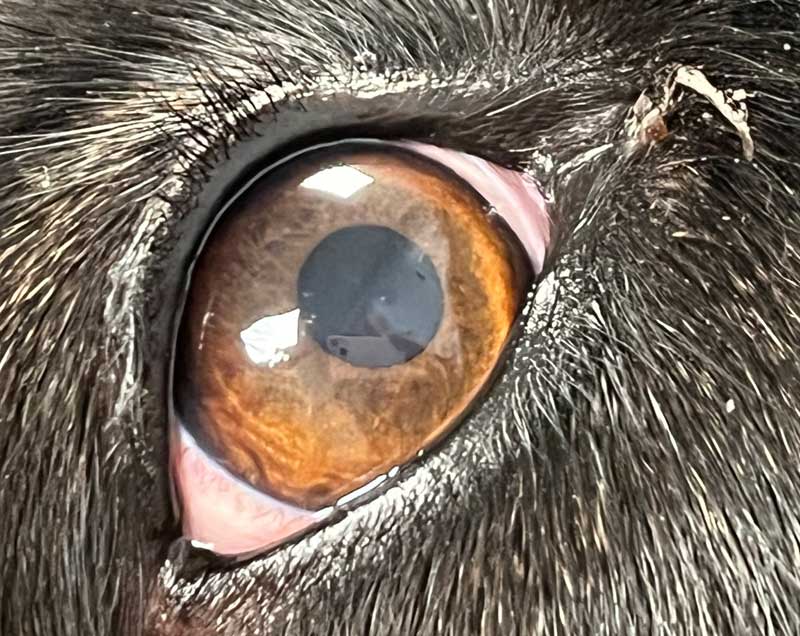
What is conjunctivitis in dogs?
Conjunctivitis, sometimes informally referred to as “pink eye,” is an irritation or inflammation of the conjunctiva, the soft tissue that lines the inside of the eyelids and the white portion of the eye.
Conjunctivitis can occur in both eyes or just one eye. If the cause of conjunctivitis is infectious, it may start in one eye and spread to the other.
Is there a cure for conjunctivitis in dogs?
Conjunctivitis will almost always resolve with appropriate treatment. However, allergic conjunctivitis may recur, and—just as people can get “colds” more than once—dogs can develop infectious conjunctivitis multiple times.
Top 7 Effective Home Remedies for Conjunctivitis in Pets
FAQ
Do dogs have conjunctivitis?
Some forms of canine conjunctivitis can resolve on their own in dogs with otherwise healthy immune systems, but dogs usually require therapy to avoid chronic changes to the eyes and full resolution of the squinting, redness, pain, and discharge. What happens if conjunctivitis in dogs is left untreated?
Can dogs get conjunctivitis if left untreated?
When you notice changes in your dog’s eyes, it is important to contact your veterinarian because conjunctivitis could be a clinical sign of more severe diseases, such as canine distemper or canine influenza. If left untreated for too long, it can even lead to permanent blindness. What Is Conjunctivitis in Dogs?
How long does bacterial conjunctivitis last in dogs?
These viruses are usually quite contagious and can take 3 to 4 weeks to fully resolve. Examples of viruses that can cause these signs in dogs include canine distemper virus and canine herpesvirus. Primary bacterial conjunctivitis is uncommon in dogs, and there are no known age, gender, or breed predispositions for it.
How do I know if my dog has conjunctivitis?
The most common signs of conjunctivitis – and the reason why we call it pink eye – are redness and swelling of the white of one or both eyes. You may even notice that your pup’s eyelids are swollen. Conjunctivitis in dogs is not usually as obvious as in humans because most of the white part of their eyes is covered by their eyelids.
How is conjunctivitis treated in dogs?
Your dog’s treatment will depend on the cause of the conjunctivitis. If the problem is a foreign body or some other type of irritant, then this will need to be removed. When an irritant is present in your dog’s living environment, you’ll need to make a plan to ensure your dog isn’t exposed to this allergen.
How long does conjunctivitis last?
The duration of clinical signs depends on the underlying cause. With appropriate treatment, bacterial conjunctivitis is usually fully resolved within 5 to 7 days. Viral conjunctivitis can take up to 3 to 4 weeks for full resolution. Allergic conjunctivitis will persist until the underlying allergen is discovered and eliminated.
How long does conjunctivitis last in dogs?
Dog conjunctivitis duration varies by cause but typically lasts a few days to a couple of weeks, with bacterial cases resolving in 5–7 days, viral infections taking up to 3–4 weeks, and allergic forms persisting until the allergen is identified and removed. A veterinary diagnosis is crucial, as prompt and proper treatment, such as prescribed eye drops or other medications, leads to resolution and minimizes the risk of permanent eye damage or vision loss.
How do I get rid of my dog’s conjunctivitis at home?
Unfortunately, home remedies can sometimes exacerbate the problem as they can cause more reaction and lead to deterioration of conjunctivitis in dogs. Apart from washing any excess discharge with cooled down boiled water, no other treatments are recommended without seeking veterinary advice.
Should I wipe my dog’s conjunctivitis?
Twice a day, wet a clean soft cloth with lukewarm water, squeeze out, and wipe away discharge from around the eye area. Carefully trim eye hair to prevent contamination from building up around the eyes and allow discharge to drain. Smooth hair around the eye away from the eye area. This can prevent reinfection.