
Dogs are undoubtedly one of the most beloved and highly regarded companion animals. They are known for their loyalty, playfulness, and social nature. One of the distinct behaviors of dogs that fascinates many pet parents is howling.
Dogs howl for a variety of reasons, and understanding why dogs howl can help pet parents better communicate with and care for their furry friends. Let’s take a look at how dogs may have come to have this unusual behavior, and what they might use it for.
Howling is one of those mysterious dog behaviors that makes us wonder what’s going on in our furry friends’ minds As a dog owner, I’ve often found myself wondering does howling actually stress dogs out? Or is it a natural form of expression they enjoy? The relationship between howling and stress in dogs is more complex than you might think, and today I’m gonna break it all down for you
Understanding Why Dogs Howl
Before diving into whether howling causes stress, we should understand why dogs howl in the first place. Howling is an ancient form of canine communication with several purposes
- Location identification: Dogs howl to announce their presence and location to other dogs
- Social bonding: Howling helps dogs connect with their pack members
- Emotional expression: Dogs use howling to express various emotions, including stress and excitement
- Instinctual behavior: Some breeds like huskies have a stronger genetic predisposition to howl
Howling serves multiple functions in the doggy world, which is why the relationship between howling and stress isn’t straightforward.
The Connection Between Howling and Stress
So, do dogs actually howl when they’re stressed? According to the information from SmallDogGuides, yes, dogs can definitely howl when they’re experiencing stress or anxiety. However, it’s important to understand that howling isn’t ALWAYS an indication of stress.
When a dog is feeling anxious or stressed, howling can function as a coping mechanism It allows them to express and release their pent-up emotions. Think of it as similar to how humans might cry or talk through their problems when feeling overwhelmed
How to Recognize Stress-Related Howling
Not all howling is created equal! If you’re trying to determine whether your dog’s howling is stress-related, look for these signs:
- Increased frequency or duration of howling
- Howling that happens in response to specific triggers (like thunderstorms or being left alone)
- Other stress behaviors accompanying the howling (panting, pacing, etc.)
- Changes in body language (ears back, tail tucked, tense posture)
A relaxed dog who occasionally howls when excited is very different from a dog who howls persistently while showing other signs of distress.
Common Stress Triggers That Cause Howling
Several situations commonly trigger stress-related howling in dogs:
- Separation anxiety: Dogs with separation anxiety often howl when left alone
- Noise phobias: Loud noises like fireworks, thunderstorms, or sirens can trigger stress howling
- Environmental changes: Moving to a new home or introducing new pets can cause stress
- Medical issues: Pain or discomfort from health problems might cause a dog to howl
Does Howling WITH Your Dog Stress Them Out?
This is a interesting question many dog owners have. If your dog starts howling, should you join in or will that stress them out more?
The answer really depends on your individual dog and the context. In many cases, howling together can actually be a positive bonding experience. Dogs are pack animals, and when you howl with them, you’re essentially participating in a group activity that can strengthen your bond.
However, if your dog is already howling due to stress or anxiety, joining in might reinforce or escalate their stressed state. You’d essentially be confirming that there’s something to be worried about.
How to Address Stress-Related Howling
If you’ve determined that your dog’s howling is indeed related to stress, here are some effective ways to help them:
Create a Stable Environment
Ensure your dog has a quiet, comfortable space where they feel secure. A consistent routine also helps reduce anxiety.
Exercise and Mental Stimulation
A tired dog is generally a less stressed dog! Regular exercise and mental challenges help burn off nervous energy.
Desensitization Training
Gradually expose your dog to whatever triggers their stress howling, starting at a very low intensity and slowly increasing it while pairing it with positive experiences.
Consider Professional Help
For severe cases of anxiety-related howling, consulting with a veterinarian or professional dog behaviorist might be necessary.
Other Causes of Howling Besides Stress
It’s crucial to remember that howling doesn’t always indicate stress. Dogs also howl for these reasons:
- Boredom: Dogs without enough mental or physical stimulation might howl out of boredom
- Attention-seeking: Some clever pups learn that howling gets them attention from their humans
- Communication with other dogs: Howling can be a social activity to connect with other dogs
- Response to high-pitched sounds: Many dogs howl in response to sirens, musical instruments, or even certain TV sounds
- Medical issues: Sometimes howling indicates pain or discomfort
Can Howling Actually RELIEVE Stress?
Here’s an interesting twist – in some contexts, howling might actually help dogs REDUCE stress rather than indicate it. Just as humans sometimes feel better after crying or venting, dogs might find emotional release through howling.
In pack environments, howling serves as a form of social bonding. The SmallDogGuides article mentions a study on wolf behavior that found howling was common during times of reunion or when announcing their presence to other packs. For domestic dogs, this could translate to howling as a way to connect with their human family members.
Differentiating Between Types of Howling
To determine whether your dog’s howling is stress-related or something else, pay attention to:
- The timing and frequency of the howling
- What happens before and after the howling episodes
- Your dog’s body language during howling
- How they respond to attention during howling episodes
A happy, excitement-based howl typically comes with relaxed body language, wagging tail, and playful behavior. A stress howl usually involves tense body language and other signs of anxiety.
Should You Be Concerned About Your Dog’s Howling?
Occasional howling is perfectly normal for most dogs, especially for breeds with a genetic predisposition for vocalization like huskies, beagles, and various hound breeds. However, sudden changes in howling patterns or excessive howling combined with stress signals should raise concerns.
If your dog’s howling is:
- Sudden and unusual for them
- Excessive or uncontrollable
- Accompanied by other behavioral changes
- Happening alongside signs of pain or discomfort
…then it’s probably time for a vet visit to rule out medical issues.
The Bottom Line: It’s Complicated
So, does howling stress dogs out? The answer isn’t simple. While dogs DO sometimes howl WHEN they’re stressed, the act of howling itself isn’t inherently stressful for them. In fact, in many contexts, howling is a natural form of expression that might even help dogs process emotions.
The key is understanding your individual dog, recognizing the difference between happy howls and stress howls, and addressing any underlying issues that might be causing distress.
Table: Recognizing Different Types of Howling
| Type of Howling | Characteristics | What It Means | How to Respond |
|---|---|---|---|
| Stress/Anxiety Howling | Accompanied by pacing, panting, other stress signs | Your dog is feeling anxious or stressed | Address the underlying stressor; provide comfort and security |
| Social Howling | Often in response to other howls or sirens | Your dog is communicating or responding to sounds | Usually harmless; no intervention needed |
| Attention-Seeking Howling | Stops when attention is given | Your dog wants something from you | Avoid reinforcing the behavior by responding only when quiet |
| Pain/Discomfort Howling | May be accompanied by limping, whining, or other signs of distress | Your dog may be injured or ill | Veterinary check-up recommended |
| Boredom Howling | Often repetitive, occurs when alone or inactive | Your dog needs more stimulation | Increase exercise and mental enrichment |
Remember that every dog is unique, and what works for one pup might not work for another. By paying attention to your dog’s specific needs and behaviors, you can better understand their howling and help ensure they maintain a healthy emotional state.
In my experience with my own dog, learning to distinguish between his different types of vocalizations has been key to understanding his emotional state. It takes time and patience, but the bond you’ll develop through this understanding is totally worth it!
Have you noticed specific patterns in your dog’s howling behavior? Understanding these patterns is the first step toward addressing any underlying stress and ensuring your furry friend stays happy and healthy.
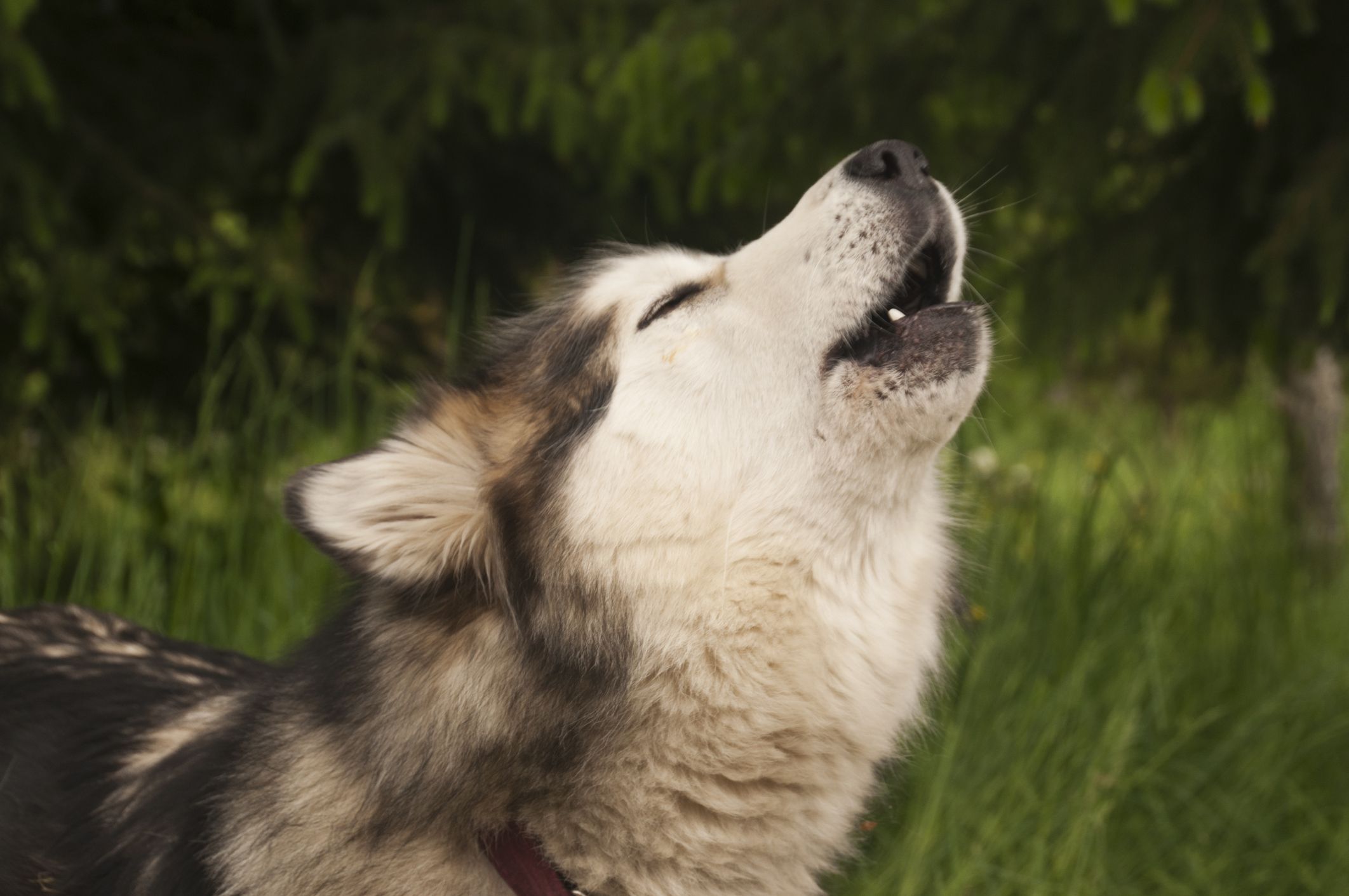
If Howling Is Excessive, Seek Veterinary Guidance
For better or worse, howling is a natural behavior for many dogs and serves as a means of communication. It’s one of the many fascinating behaviors of dogs that make them unique and lovable pets. If your dog loves to howl more than others, high-value treats can help curb excitement and stress caused from howling. Treats can include longer lasting rawhides, calming chews, or even an interactive treat game.
It is important to note, however, that excessive howling may be a sign of an underlying medical or behavioral issue. Pet parents who notice what seem like extreme or chronic cases (howling without stopping even for treats, howling while performing other behaviors like biting, or in signs of pain) of howling should seek veterinary care.
Paying attention to your dog’s howling behavior and understanding the reasons behind it can help you be a better communicator and pet parent to your pup.
Featured : iStock.com/dageldog
Dr. Tiffany Tupler is a graduate from the University of Florida College of Veterinary Medicine with a certificate in shelter medicine and…
The Origin of Howling in Dogs
Domesticated dogs descended from wolves over 15,000 years ago. Even though behaviorally, dogs are no closer to wolves than humans are to primates, their evolutionary development helps us understand some of their unique traits. Wolves howl as a means of communication with other wolves. Howling is used to assemble the pack, coordinate the pack’s hunting activities, establish territories, and warn other groups to stay away.
WHY DO DOGS HOWL? | Veterinarian Explains
FAQ
Does it upset my dog when I howl?
Howling along with your dog is totally fine! Its actually one of the few primordial things we can do together with our dogs. Your dog might howl with you out of instinct, to communicate, or maybe just for the fun as an extra bonding experience. If your dog doesn’t howl back, it doesn’t matter some just don’t.
What does howling do to dogs?
Curiosity and Alertness: The sound of howling can be intriguing or stimulating for dogs. They might become alert and excited, wanting to understand what’s happening and participate. Playfulness: If your dog associates howling with playtime or fun interactions, it may lead to a burst of energy and excitement.
Should you let your dog howl?
For better or worse, howling is a natural behavior for many dogs and serves as a means of communication. It’s one of the many fascinating behaviors of dogs that make them unique and lovable pets. If your dog loves to howl more than others, high-value treats can help curb excitement and stress caused from howling.
Do dogs get sad when howling?
“Each dog will have its own reason for howling—and, yes, they can be happy or sad when they howl,” says Sandra Mitchell, DVM, DABVP. “They may also be worried, nervous, excited, or just looking for attention!”