
When it comes to nutrition for dogs, one size does not fit all. In fact, the size of a dog is an important factor to consider when choosing pet food.
Dogs weighing more than 55 pounds at ideal body weight, such as golden and Labrador retrievers, and giant dogs (weighing more than 100 pounds at ideal body weight) like Great Danes, can benefit from eating a large breed dog food. This is because large and giant dog breeds have a higher predisposition to joint issues. Additionally, some large breed dogs may have digestive sensitivities, which requires paying extra attention to what you feed and how you feed them to avoid causing them discomfort.
The type and amount of food you feed big dogs may have a positive or negative impact on their health. As a pet parent, understanding what makes large breed dog food different, why it matters, and how to feed your large breed puppy or adult may help them stay healthy and happy. When questions arise, dont hesitate to speak to your vet about the most appropriate food for your large or giant breed dog.
Have you ever stood in the pet food aisle staring at all those bags labeled “Large Breed,” wondering if your furry friend actually needs special food? You’re not alone! As a dog owner myself I’ve spent plenty of time scratching my head over this exact question. Let’s dive into everything you need to know about large breed dog food and whether your pup needs it.
What Exactly Is Large Breed Dog Food?
Large breed dog food is specially formulated to meet the nutritional needs of bigger dogs While regular dog food is designed for average-sized dogs, large breed formulas address specific requirements that bigger pups have due to their size and activity levels
What Counts as a “Large Breed” Dog?
Generally speaking dogs that weigh more than 50 pounds at maturity are considered large breeds. According to the Purina Institute, large dogs are those weighing 25-45 kg (55-100 lbs) while giant dogs weigh over 45 kg (over 100 lbs). Common large breeds include
- Labrador Retrievers
- German Shepherds
- Golden Retrievers
- Bullmastiffs
- Great Danes
5 Key Differences Between Large Breed and Regular Dog Food
If you’re wondering what makes large breed food different from regular kibble, here are the major distinctions:
1. Kibble Size
Large breed dog food typically features bigger kibble pieces than regular food. This isn’t just a random choice – larger dogs have bigger mouths and need to eat more at once, so the kibble is sized appropriately.
2. Caloric Density
Surprisingly, large breed dog food is often LESS calorically dense than food for smaller dogs. According to the Purina Institute, large and giant breed dogs have relatively slower metabolic rates, meaning they need fewer calories per kilogram of body weight than small and toy dogs.
3. Protein & Fat Content
Large breed formulas often contain carefully balanced protein levels to support healthy muscle mass without promoting too-rapid growth. Fat content is typically carefully controlled to prevent excessive weight gain.
4. Joint Support Nutrients
Large breed foods frequently contain ingredients that support joint health, such as:
- Glucosamine
- Chondroitin
- Omega-3 fatty acids from fish oil
These nutrients are crucial because larger dogs are more prone to joint problems and orthopedic issues.
5. Vitamin & Mineral Balance
Large breed foods typically have specific vitamin and mineral profiles, with particular attention to calcium and phosphorus levels to ensure proper bone development without contributing to skeletal problems.
Does My Dog REALLY Need Large Breed Food?
Now for the big question! The answer depends on several factors:
Your Dog’s Size
If your dog weighs (or will weigh) more than 50 pounds at maturity, they technically qualify as a large breed. However, size alone isn’t the only consideration.
Activity Level
Some large breeds are super active and need the tailored nutrition of large breed food. Others are more laid-back and might not require the same formulation. A hyperactive Lab probably has different needs than a more relaxed Newfoundland, even though both are large breeds.
Health Considerations
If your large dog has joint issues or is at risk for orthopedic problems (common in many large breeds), the joint-supporting ingredients in large breed food could be beneficial.
Age
Puppies have different nutritional needs than adult dogs. Large breed puppies especially benefit from specialized large breed puppy food that controls growth rate to prevent skeletal problems.
The Risks of Feeding Incorrect Food
For Large Dogs Eating Regular Food
If you feed a large dog regular food that’s not formulated for their size:
- They might consume too many calories, leading to obesity
- They could miss out on joint-supporting nutrients
- The calcium and phosphorus balance might not be ideal for their bone health
- The kibble size might be too small, causing them to eat too quickly
For Small/Medium Dogs Eating Large Breed Food
While not harmful, it’s not really necessary for smaller dogs to eat large breed food. The kibble might be too big for them, and the nutrient profile isn’t tailored to their needs.
When to Switch Puppies to Large Breed Food
If you have a large breed puppy, it’s best to start them on large breed puppy food right away. When they reach adulthood (usually between 12-24 months depending on the breed), you can transition them to adult large breed food.
The Purina Institute notes that obesity is a common problem in dogs of all sizes, including large dogs. Some large breeds are especially prone to weight gain, which can have serious health consequences by adding stress to joints and increasing the risk of orthopedic diseases.
Portion Control is Super Important!
No matter what food you choose, portion control is crucial for large breed dogs. Due to their larger stomachs, they may need more food volume to feel full, but that doesn’t mean they need more calories per pound of body weight.
Tips for proper feeding:
- Carefully measure or weigh food portions
- Monitor your dog’s body condition (aim for 4-5 on the Purina Body Condition System 9-point scale)
- Adjust amounts based on your individual dog’s needs
- Don’t forget to count treats in the daily calorie total
Real Talk: Do You Need to Buy Breed-Specific Food?
While some brands market foods for specific breeds like German Shepherds or Golden Retrievers, most veterinary nutritionists agree that the broad categories (puppy, adult, senior, large breed, etc.) are more important than breed-specific formulas.
The most important factors are:
- Quality ingredients
- Proper nutrient balance
- Appropriate food for your dog’s size, age, and activity level
Making the Decision: A Simple Checklist
To determine if your dog needs large breed food, ask yourself:
- Does my dog weigh (or will it weigh) more than 50 pounds?
- Is my dog prone to joint or orthopedic issues?
- Does my dog struggle with weight management?
- Has my vet recommended large breed food?
If you answered “yes” to most of these questions, large breed food is probably a good choice.
FAQ: Your Large Breed Food Questions Answered
Can I feed my medium or small dog large-breed dog food?
While it won’t harm them, it’s not necessary. The kibble might be too large, and the nutrient profile isn’t designed for smaller dogs.
How much large-breed dog food should I feed my dog?
This depends on your dog’s weight, activity level, and metabolism. Follow the guidelines on the packaging but be prepared to adjust based on your dog’s body condition.
Can large dogs eat small-breed food?
It’s not ideal. Small-breed formulas typically have higher caloric content and different nutrient profiles than what large dogs need. Plus, the tiny kibble might encourage gulping rather than proper chewing.
The Bottom Line
Choosing the right food for your large breed dog isn’t just about marketing – there are real nutritional differences that matter for your pup’s long-term health. If you have a large breed dog, especially one prone to joint issues or weight gain, a quality large breed formula is likely your best bet.
Remember, every dog is an individual with unique needs! When in doubt, have a chat with your veterinarian about the best nutritional choices for your specific furry friend. They can help you navigate all the options and choose what’s truly best for your big buddy.
Have you made the switch to large breed food? I’d love to hear about your experiences in the comments below!
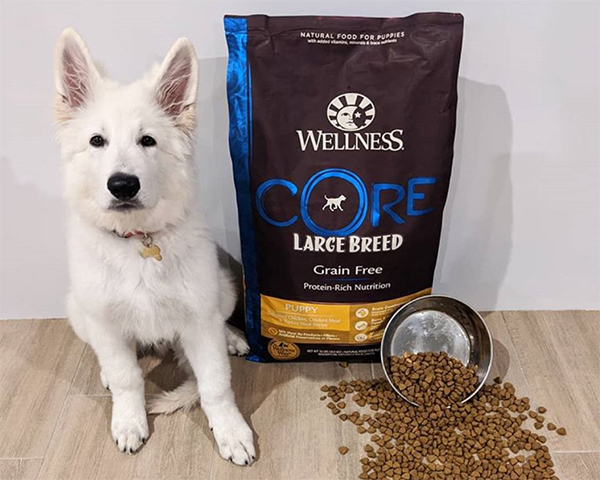
Nourishing Your Gentle Giant
While you cant always protect your dog from disease or injury, you can support their lifelong health with your vets guidance and nutrition that is formulated for their large size.
What Makes Large Breed Dog Food Different?
When it comes to the differences between feeding big dogs and small ones, the devil is in the details. One thing that makes some large breed dog food different is the kibble size: bigger kibbles for bigger mouths. Bigger kibbles can help encourage dogs to actually chew their food instead of gulping it whole. Adequately chewing appropriately sized dog food kibbles may have several benefits, including improved digestion and happy brain chemicals.
Some additional benefits of large breed dog foods may include:
- L-carnitine to help dogs maintain a healthy metabolism
- Controlled calories and fat to reduce unhealthy weight gain
- Balanced fiber to aid normal digestion
- Nutrients to support joint health
- Balanced minerals to support strong bones