
There’s nothing more annoying than a pesky fly buzzing around your head, so you can just imagine how your dog feels! You want them to stay away from you and your pet by learning how to keep flies off dogs.
It’s easy enough for us to just swat that pest away, but sometimes your dog can be at the mercy of those irritating insects, so it’s important to know some tips for keeping flies off dogs. Before we get into that, however, let’s look at some reasons why your dog might attract flies.
Ever watched your poor pup constantly shaking their head or scratching their ears because pesky flies won’t leave them alone? I’ve been there too with my German Shepherd and it’s heartbreaking. After trying countless commercial products that promised relief but delivered disappointment, I started exploring home remedies – and Vaseline kept coming up as a potential solution.
But does Vaseline actually keep flies off dogs? Let’s dig into what really works and what’s just an old wives’ tale when it comes to protecting our furry friends from these irritating insects
The Quick Answer: Does Vaseline Repel Flies?
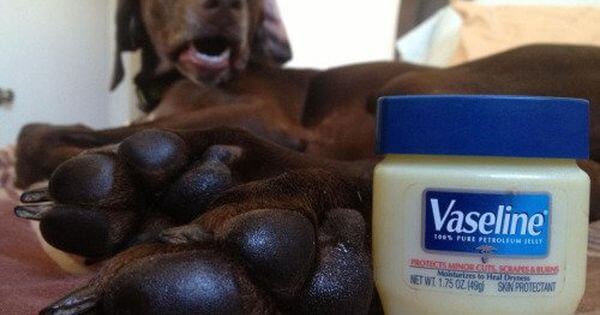
There’s anecdotal evidence suggesting Vaseline can help keep flies away from your dog, particularly around sensitive areas like their ears. However, scientific evidence is limited, and experts have mixed opinions on its effectiveness.
Many dog owners report success with applying a thin layer of Vaseline to areas like
- Behind the ears
- On the belly
- Between the legs
- Around ear tips
- On the snout (carefully!)
But as with any home remedy, results vary, and there are both pros and cons to consider before slathering your pup with petroleum jelly.
How Vaseline Might Work as a Fly Repellent
So what’s the theory behind this petroleum jelly protection? It’s pretty simple – Vaseline creates a physical barrier that makes it difficult for flies to land and bite your dog. The sticky texture essentially prevents flies from getting a good grip on your dog’s skin.
Some vets and pet experts acknowledge this mechanical barrier might help in certain situations. For instance, according to petMD, flies typically target specific areas on dogs, particularly around their ears, and petroleum jelly can create a protective layer that insects struggle to penetrate.
This can be especially helpful for:
- Dogs with existing wounds that might attract flies
- Dogs with sensitive skin who react poorly to commercial repellents
- Areas where flies are particularly bothersome, like ear tips
The principle is similar to how Vaseline works on human skin – it forms a protective coating that can prevent external irritants from reaching the skin beneath.
Is Vaseline Safe for Dogs?
Before we get too excited about this potential solution, let’s talk safety. Can you actually put Vaseline on your dog without harming them?
The good news is that Vaseline is generally considered non-toxic for dogs. However, there are some important caveats:
-
Ingestion concerns: If your dog licks off a large amount of Vaseline, they might experience digestive upset including diarrhea or vomiting. Avoid areas your dog can easily reach with their tongue.
-
Skin reactions: Some dogs may have allergic reactions to petroleum jelly. Always do a small patch test first and watch for any signs of irritation.
-
Pore clogging: Petroleum jelly can clog pores, potentially leading to skin problems if used extensively over long periods.
-
Attracting dirt: The sticky nature of Vaseline means it can attract dirt and debris to your dog’s coat, potentially creating a matted mess.
I’ve found it’s best to use Vaseline sparingly, focusing on targeted areas rather than covering large portions of your dog’s body. And always monitor your pup after application to ensure they’re not having any adverse reactions.
Real-World Experiences from Dog Owners
In the German Shepherd Community, many owners have shared their struggles with keeping flies away from their GSD’s ears. One owner mentioned trying different repellent sprays and even petroleum jelly without success, highlighting that what works for one dog might not work for another.
Some dog owners swear by Vaseline as an effective fly deterrent, while others report limited success. This inconsistency suggests that factors like:
- Individual dog’s skin chemistry
- Local fly species
- Application technique
- Environmental conditions
…all play roles in how effective Vaseline might be for your particular situation.
Better Alternatives for Keeping Flies Off Dogs
If Vaseline isn’t working for your pup (or you’re concerned about potential downsides), there are several other options worth trying:
Commercial Dog-Safe Fly Repellents
Several products are specifically formulated to repel flies from dogs. These typically contain ingredients that are safe for pets while being unpleasant for insects. Look for products containing natural repellents like:
- Citronella
- Eucalyptus
- Lemongrass
- Cedar oil
Environmental Management
One of the most effective approaches is managing your environment to reduce fly populations:
- Clean up promptly: Remove dog waste quickly, as flies are attracted to feces
- Proper garbage disposal: Keep trash cans sealed and away from areas where your dog spends time
- Eliminate standing water: Prevent fly breeding grounds by removing sources of stagnant water
- Fly traps: Set up fly traps away from your dog’s area to reduce the overall fly population
Physical Barriers
For some dogs, especially those with particularly sensitive ears, physical protection might be the best option:
- Fly masks or bonnets: These cover the ears and face to prevent flies from landing
- Mesh screens: If your dog has an outdoor kennel, consider adding fine mesh screens
- Fly sheets: Similar to those used for horses, these can cover larger portions of your dog’s body
Natural Remedies
If you prefer a natural approach but Vaseline isn’t working, consider:
- Apple cider vinegar: Some owners report success with diluted ACV sprayed on their dog’s coat
- Essential oil blends: Diluted oils like lavender or citronella (used with extreme caution and vet approval)
- Herbal repellents: Products containing neem or other herbal ingredients
The Most Effective Approach: Combination Methods
In my experience, the most successful fly control strategy usually involves multiple techniques rather than relying on a single solution like Vaseline. For example:
- Apply a dog-safe fly repellent to your dog’s coat
- Use Vaseline only on specific trouble spots like ear tips
- Implement environmental controls to reduce fly populations
- Provide physical protection during peak fly times
This multi-faceted approach addresses the problem from several angles, increasing your chances of success.
When to See the Vet: Beyond Fly Control
Sometimes, persistent fly problems might indicate an underlying issue that needs veterinary attention. If flies seem unusually attracted to your dog despite your best efforts, consider whether:
- There might be an undiagnosed wound or infection
- Your dog has a skin condition that’s attracting flies
- There could be ear infections making ears particularly attractive to flies
If you notice your dog’s ears becoming increasingly red, swollen, or sensitive, or if you see any open sores or unusual discharge, it’s time to consult your veterinarian.
Application Tips: If You Do Use Vaseline
If you decide to try Vaseline as a fly repellent for your dog, here are some tips for maximizing effectiveness while minimizing risks:
- Apply thinly: A thick layer isn’t necessary and increases the chance of messy situations
- Focus on targeted areas: Only apply to specific trouble spots rather than large body areas
- Monitor for licking: If your dog tries to lick off the Vaseline, reconsider this method
- Wash regularly: Clean the areas where you’ve applied Vaseline periodically to prevent buildup
- Use only pure petroleum jelly: Avoid scented or medicated versions
I usually put a small dab on my fingertip and gently spread it in a thin layer just on the edges of my dog’s ears where flies tend to bite most frequently.
My Personal Experience
I’ve tried Vaseline on my German Shepherd’s ears during summer months when flies were particularly bad. I found it worked moderately well for short periods, especially on days when we weren’t very active. However, I needed to reapply it frequently, and it became ineffective if my dog went swimming or got wet.
For us, a combination approach worked best – using Vaseline on ear tips for quick protection, while also implementing better waste management in our yard and using a commercial repellent for longer outings.
So, does Vaseline keep flies off dogs? The answer is: it might help somewhat, but probably won’t be a complete solution on its own.
Vaseline can create a physical barrier that makes it harder for flies to bite your dog, particularly in sensitive areas like the ears. However, its effectiveness varies widely based on individual circumstances, and it comes with some drawbacks like potential ingestion concerns and the tendency to attract dirt.
If you’re struggling with flies bothering your dog, Vaseline is a relatively safe option to try as part of a broader fly control strategy. Just use it sparingly, monitor your dog for any adverse reactions, and be prepared to try alternative methods if it doesn’t provide the relief you’re hoping for.
Remember, keeping your dog comfortable and fly-free often requires a combination of environmental management, appropriate repellents, and possibly physical barriers – there’s rarely a single magic solution that works for every dog in every situation.
Have you tried Vaseline on your dog? What worked best for keeping flies away from your furry friend? I’d love to hear about your experiences!
What are the Best Ways to Keep Flies Off Dogs?
So, how do you keep flies off dogs? There are a number of easy things you can do to keep flies off your dog. Let’s start with the basics.
Keep Your Dog Clean and Healthy
Just keeping your pooch clean and healthy will help you get rid of flies around him. Sometimes that’s easier said than done, but there are some things that can help. You’ll want to groom him regularly since flies love dirt and odors.
It’s particularly important to keep the area around his genitals and anus clean and trimmed so that that area doesn’t get matted or dirty. Regular bathing and grooming will help him stay squeaky clean and free of flies.
If biting flies are attacking a particular area on your dog — like his ears — you can solve that problem by applying petroleum jelly to that area. There are also some other safe insect repellents you can use like apple cider vinegar or lemongrass essential oil.
In fact, lemongrass essential oil has actually been tested and proven to repel stable flies, and if you’ve ever been around a stable, you know how pesky those flies can be!
Other essential oils with fly repellent properties include Idaho tansy, geranium, sandalwood, rosemary, and lavender.
If you’re interested in making your own essential oils fly spray for your pup, just dilute between five and ten drops of your preferred essential oil in a 32-ounce spray bottle filled with distilled water. Be sure to shake it well before you spray it on your dog.
Avoid getting it in his eyes, nose, or mouth, and never apply essential oils without first diluting them in water. Pure oils can be irritating to his skin. There are also some essential oils that are fine for people but not for their furry friends.
As always, it’s also wise to consult your veterinarian before applying anything topically on your dog’s skin. It is possible that if he licks it off, it could cause some gastrointestinal irritation.
Some essential oils can be poisonous for your dog, so you’ll want to avoid using them. Though not a complete list, the following essential oils can cause more problems than they solve:
- Tea tree oil;
- Pennyroyal;
- Oil of wintergreen;
- Pine oils;
- Cinnamon oil
- Citrus oils
- Peppermint oil;
- Sweet birch oil;
- Ylang-ylang oil.
Most of these require a high dose to cause problems, but it’s just best to avoid using them as a fly repellant. Another important consideration for keeping flies off dogs is their environment.
Does Vaseline keep flies off dogs?
FAQ
What can I put on my dog to keep the flies off?
Will vaseline keep flies off dogs?
Coating the tips of your dog’s ears with a thin layer of Vaseline may provide enough of a barrier to prevent biting flies from feeding.
What is a natural fly repellent for animals?
How do you keep flies off dog wounds?