
Hyperandrogenism in dogs is a rare syndrome characterized by elevations of masculinizing sex hormones such as testosterone and its derivatives in the blood serum. It is most frequently documented in intact male dogs.
In males, androgens are produced by the interstitial cells (cells in the small spaces between tissue) of the testes and are responsible for normal male sexual development. Androgens promote masculine behavior and physical development, such as spermatogenesis – the formation of sperm. Androgens include the steroid hormones testosterone, androsterone, and dihydrotestosterone, which is a derivative of testosterone and a biologically-active metabolite (substance essential to the metabolic process).
Dihydrotestosterone is formed primarily in the prostate gland, testes, hair follicles, and adrenal glands. Androgens are also produced by the adrenal cortex (situated along the perimeter of the adrenal gland near the kidneys), and by the ovaries in females.
Hyperandrogenism may occur as a result of excessive hormone production by the testes, ovaries, or the adrenal cortex. The latter may occur secondary to dysfunctional enzyme activity. Hyperandrogenism may also occur in association with the administration of synthetic androgens.
Hyperandrogenism may be symptomized by behavioral changes, abnormalities of the reproductive tract, and skin problems. This disorder tends to occur in Pomeranians, Chow Chows, Poodles, Keeshond, and Samoyeds.
Your veterinarian will perform a complete physical exam on your dog, including a blood chemical profile, a complete blood count, an electrolyte panel, and a urinalysis, in order to rule out an underlying metabolic cause for the disease, such as hypothyroidism, hyperadrenocorticism, or hyperestrogenism. A complete neurologic exam will also be performed if your dog is behaving abnormally. You will need to be prepared to give your veterinarian a thorough history of your dogs health, onset of symptoms, and any genetic background that you are familiar with, in case there is a genetic link. It will also help if you know the health status of your dogs maternal parent, during and after pregnancy, in case the disorder was acquired before birth.
Abdominal radiography or ultrasound imaging can be used to visualize the interior space of the abdomen for masses or gonadal tissue, both of which may be a leading cause for hyperandrogenism.
In addition, there are several tests that may be used to make a conclusive diagnosis: A karyotype, or chromosome analysis, may be used to detect intersex/gonadal sex abnormalities; serum samples will be taken for evaluation of sex hormones; growth hormone stimulation test; serum testosterone concentration test; an adrenocorticotropic hormone (ACTH) stimulation test to measure the adrenal response to ACTH (which is a hormone produced in the pituitary gland); and a test of the cortisol-creatinine ratio in the urine to rule out hyperadrenocorticism. Results may be variable.
Surgical neutering of intact animals is recommended, and surgical excision of any testosterone-secreting masses or neoplastic (abnormal) tissue should be performed. Controlled destruction of the adrenal gland can also be undertaken. Growth hormones may be administered, but the treatment will depend on the particular underlying cause of your dogs hyperandrogenism.
After the initial treatment has brought your dogs condition under control, your veterinarian will schedule follow-up appointments in order to follow the progress and to treat any further complications or underlying disorders. Your veterinarian may repeat the ACTH stimulation tests and blood tests to verify serum testosterone if it was initially high, along with standard physical exams to assure that your dog is recovering from the effects of the hyperandrogenism.
Ever wondered why your sweet little pup suddenly starts acting like a rebellious teenager? One day he’s your cuddly best friend and the next he’s lifting his leg on every vertical surface and challenging other dogs at the park. If this sounds familiar you’re likely witnessing the effects of hormone surges in your male dog.
As a dog owner for over 15 years, I’ve seen my fair share of canine hormone-related behaviors. Let me tell you, it can be quite the rollercoaster! But understanding what’s happening with your furry friend can make this phase much easier to manage.
The Reality of Male Dog Hormone Surges
Yes, male dogs absolutely do experience hormone surges! In fact, adolescent male dogs have much higher testosterone levels than adult males. This surge usually begins when they enter puberty, typically between 6-18 months of age depending on the breed (smaller breeds mature faster than larger ones)
During this time your once-obedient puppy might seem to “forget” basic training exhibit new challenging behaviors, and generally test your patience. Don’t worry – you’re not alone in this experience!
Understanding Canine Puberty and Testosterone
Dog puberty is similar to human adolescence – it’s the period between sexual maturity and social maturity. This developmental stage brings both behavioral and physical changes as your dog transitions from puppyhood to adulthood.
When Does It Start?
Testosterone surges typically occur when your pup is between:
- 6-15 months for small breeds
- 9-18 months for larger breeds
Peak Testosterone Levels
Research shows that male dogs reach their highest testosterone levels around 6-12 months of age. After this peak, levels usually plateau, though they remain higher during adolescence than in full adulthood.
How Testosterone Affects Your Dog’s Behavior
That surge of testosterone doesn’t just change your dog physically – it dramatically impacts behavior too. Here are some common behaviors you might notice:
1. Increased Confidence and Risk-Taking
Your formerly cautious pup might suddenly become a daredevil! This is because testosterone increases confidence and risk-taking behaviors. While this can be helpful for naturally timid dogs, it might amplify challenging behaviors in already confident pups.
2. Mounting Behaviors
One day your dog is playing normally, and the next he’s mounting everything that moves (and some things that don’t!). This sexually-motivated behavior is directly linked to rising testosterone levels.
3. Marking Territory
Has your house-trained dog suddenly started lifting his leg inside? Testosterone increases marking behaviors as your dog attempts to establish territory and communicate with other dogs.
4. Roaming Tendencies
If your dog becomes an escape artist during adolescence, blame it on hormones! Sexually mature males often feel a strong urge to roam in search of potential mates.
5. Increased Aggression or Competitiveness
You might notice your dog becoming more reactive toward other male dogs. This competitive aggression is an adaptive behavior designed to ensure the fittest offspring in the wild. Unfortunately, it’s not so helpful in the dog park!
6. “Selective Hearing”
Does your dog suddenly pretend he can’t hear you calling him? Testosterone can increase what trainers call “persistence” – your dog’s determination to do what HE wants rather than what YOU want.
7. Changes in Social Interactions
Your dog might become clingier with you or, conversely, more independent. Other dogs will also start treating him differently as his “puppy privileges” disappear.
Physical Changes During Testosterone Surges
It’s not just behavior that changes during hormone surges. Your male dog will also experience physical developments:
- Muscle Growth: Increased testosterone contributes to greater muscle mass
- Bone Growth: Testosterone helps strengthen ligaments and supports bone development
- Physical Maturation: Sexual organs develop fully during this time
- Weight Gain: Both muscle development and increased appetite can lead to weight gain
- Leg-lifting: Most male puppies squat to urinate until testosterone surges trigger leg-lifting
Is This Normal? When to Worry
While hormone surges are completely natural, some dogs may experience a rare condition called hyperandrogenism, characterized by abnormally high levels of masculinizing sex hormones.
This condition might cause extreme behavioral changes or physical abnormalities. Breeds that seem predisposed to this condition include Pomeranians, Chow Chows, Poodles, Keeshonds, and Samoyeds.
Signs that might indicate a problem beyond normal hormone surges include:
- Extreme aggression
- Abnormalities of the reproductive tract
- Persistent skin problems
- Dramatic and concerning personality changes
If you notice these symptoms, consult your veterinarian for proper testing and diagnosis.
Managing Your Dog During Hormone Surges
Living with a hormone-charged adolescent dog isn’t always easy, but these strategies can help:
1. Consistent Training
Now is NOT the time to slack on training! In fact, hormone surges make consistent training more important than ever. Use positive reinforcement techniques to redirect unwanted behaviors and reinforce the good ones.
2. Plenty of Exercise
A tired dog is a good dog! Physical exercise helps burn excess energy and can reduce unwanted behaviors. Try:
- Long walks
- Fetch sessions
- Swimming
- Agility training
3. Mental Stimulation
Don’t forget to exercise your dog’s brain too! Puzzle toys, training sessions, and nose work can help keep that hormone-fueled mind occupied.
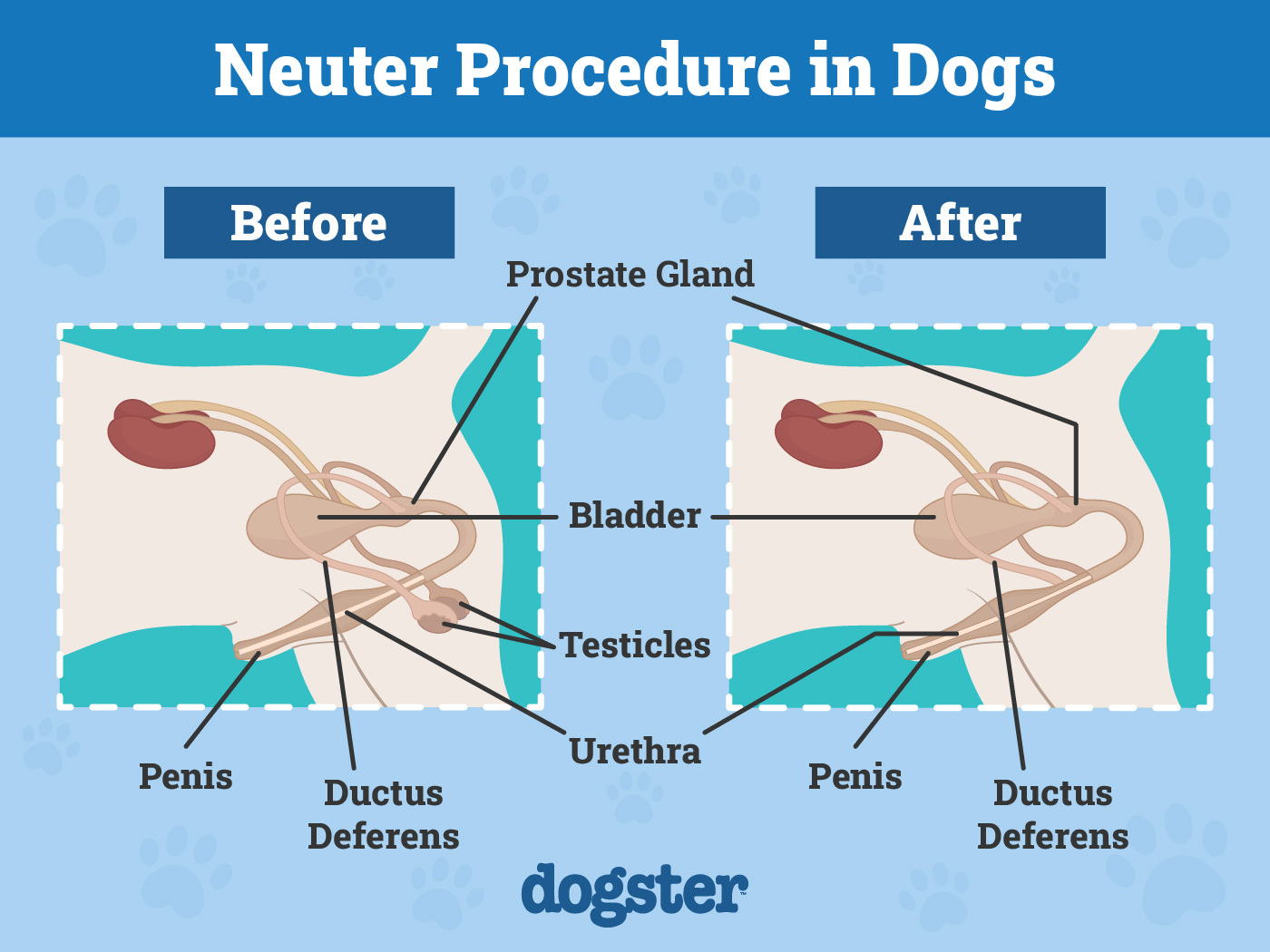
4. Consider Neutering
Neutering is one way to manage testosterone levels, though opinions vary on the best timing. Some research suggests waiting until physical maturity for optimal bone and joint development, especially in larger breeds. Discuss the pros and cons with your veterinarian.
5. Establish a Routine
Dogs thrive on consistency. A regular schedule for feeding, exercise, and training provides structure during this chaotic hormonal period.
The Big Question: Will This Phase Ever End?
Good news! The most intense hormone-driven behaviors typically settle down as your dog reaches full maturity (around 2-3 years for most breeds). Adult male dogs still have testosterone, but levels typically decrease from the adolescent peak.
That said, some behaviors that develop during this time might become habits if not addressed through training. That’s why consistent guidance during this phase is so important!
FAQ About Male Dog Hormone Surges
How long do hormone surges last in male dogs?
The most intense period typically lasts several months, with the peak occurring between 6-12 months. However, the entire adolescent phase can last up to 2 years, especially in larger breeds.
Do all male dogs experience hormone surges the same way?
No! Just like human teenagers, each dog’s experience is unique. Breed, individual temperament, and environment all influence how hormones affect behavior.
Can neutering help with hormone-driven behaviors?
Yes, neutering can reduce many testosterone-driven behaviors, especially if performed before or during adolescence. However, behaviors that have become learned habits may persist regardless of hormone levels.
Are there supplements or medications to manage hormone surges?
For extreme cases, veterinarians sometimes prescribe medications to manage hormone-related behaviors. However, training, exercise, and patience are typically the first line of approach.
Do female dogs have hormone surges too?
Absolutely! Female dogs experience their own hormone fluctuations related to their heat cycles, which occur approximately every 7 months once they reach sexual maturity (usually between 6-15 months of age).
The Bottom Line
Male dogs definitely experience hormone surges, with testosterone levels peaking during adolescence. These surges affect both behavior and physical development, sometimes turning your sweet puppy into a challenging teenager!
Remember that this phase is temporary. With patience, consistent training, and appropriate management, you and your furry friend will weather the hormone storm together. Before you know it, you’ll have a mature, well-adjusted adult dog who makes you proud.
Have you noticed hormone-related changes in your male dog? What strategies worked best for you during this challenging phase? I’d love to hear your experiences in the comments below!
Help us make PetMD better
Was this article helpful?