
Do you love puppy breath? Why does it smell so good? What does it mean when it smells bad? Discover everything you need to know about puppy breath here!
Puppy breath, one of the sweetest, rarest smells on the planet–at least dog-lovers think so. It’s been called the “new car smell” of puppies, and for good reason. It’s a big part of that cuddly, fuzzy, sweet appeal.
So what makes it so beguiling and how come it doesn’t last forever? Let’s take a closer look.
Have you ever cuddled with your adorable puppy and suddenly caught a whiff of something. not so adorable? That stinky puppy breath can catch you off guard, especially when your little furball was giving you sweet-smelling kisses just days ago! If you’re wondering “do puppies breath smell when they lose their teeth,” the short answer is YES – and it’s completely normal.
As a dog owner who’s been through the teething phase multiple times, I can tell you that puppy teething bad breath is a real phenomenon that affects virtually all puppies. The good news? It’s temporary! Let’s dive into why this happens and what you can do about it.
Why Puppy Breath Smells Bad During Teething
Puppies typically have reasonably good-smelling breath when they’re very young, Many dog owners even love that distinctive “puppy breath” smell that young puppies have in their first few months of life This unique aroma usually fades by the time they turn 6 months old,
But when teething starts? That’s when things can get stinky! Here’s why:
1. Swollen Gums and Teeth Shedding
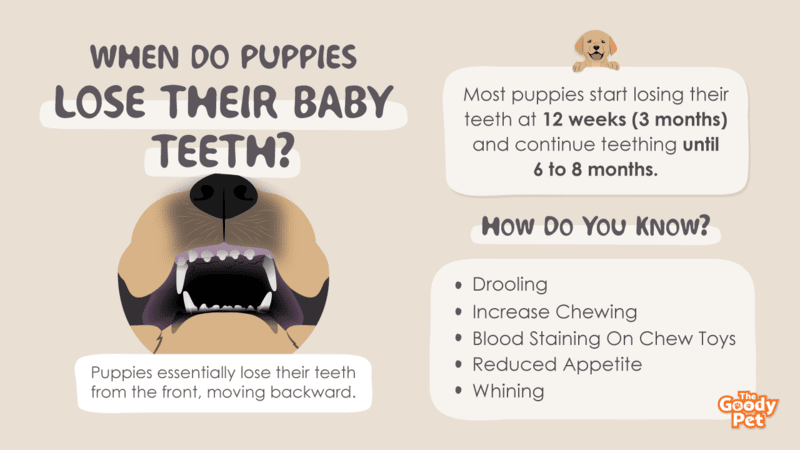
When puppies start losing their baby teeth (also called deciduous or “milk teeth”) around 3-4 months of age, their gums become inflamed and swollen. As the adult teeth push through, tiny spaces form between the swollen gums and emerging teeth. Food particles get trapped in these spaces, where they rot and cause that distinctive bad breath.
2. Bleeding Gums
It’s completely normal for puppies to experience minor bleeding when they’re teething. You might notice small blood stains on their chew toys. This bleeding occurs as milk teeth fall out and adult teeth push through sensitive gum tissue.
The blood in their mouth can give off a metallic odor that contributes to bad breath. While a little bleeding is normal excessive bleeding should prompt a vet visit.
3. The Chewing Menace
Teething puppies chew EVERYTHING to relieve their sore gums. This constant chewing can lead to:
- Small cracks in their fragile teeth
- Oral injuries (cuts on gums, cheeks, or tongue)
- Foreign objects getting stuck between teeth
- Bacteria buildup from chewing inappropriate items
All these factors create perfect conditions for bacteria to thrive, resulting in that distinctive puppy teething bad breath.
4. Saliva and Blood on Chew Toys
Teething puppies drool more than usual due to pain and discomfort. Their favorite chew toys become covered in saliva and sometimes blood. When these fluids dry on the toys, they start to smell. As puppies continue chewing on these toys, the odor transfers back to their mouths.
How Long Does Puppy Teething Bad Breath Last?
The teething process generally lasts until puppies are about 6-8 months old. Most puppies will have all their adult teeth by six months, though some breeds might take slightly longer.
The good news is that once teething is complete, the bad breath associated with it should resolve. If your puppy continues to have bad breath after teething is finished, it might indicate another issue that needs addressing.
7 Effective Remedies for Puppy Teething Bad Breath
While you can’t completely eliminate bad breath during teething, there are several things you can do to manage it:
1. Start a Dental Care Routine
Begin brushing your puppy’s teeth gently with a puppy-friendly toothpaste (NEVER use human toothpaste!). For very young puppies:
- Start with a soft cloth or finger toothbrush
- Use just a small amount of dog-specific toothpaste
- Be gentle around sore gums
- Keep sessions short and positive
Even brushing 2-3 times a week can make a significant difference in breath odor.
2. Provide Appropriate Chew Toys
Give your puppy plenty of appropriate chew toys to satisfy their urge to chew. Look for toys specifically designed for teething puppies. Some great options include:
- Rubber toys with ridges that massage gums
- Frozen chew toys that soothe inflammation
- Puppy-specific dental chews (with vet approval)
Remember to clean these toys regularly to prevent odor buildup!
3. Try Natural Breath Fresheners
Some natural foods can help freshen your puppy’s breath:
- Fresh mint or parsley: Sprinkle a small amount in their food
- Frozen apple slices: The crunchiness helps clean teeth (remove seeds first!)
- Frozen carrots: Great for soothing gums and scraping away food particles
Always check with your vet before introducing new foods to your puppy’s diet.
4. Keep Toys Clean
Since toys can harbor bacteria and odors, establish a regular cleaning routine:
- Wash fabric toys according to manufacturer instructions
- Clean rubber and plastic toys with mild soap and water
- Replace heavily soiled or damaged toys
5. Regular Vet Check-ups
Schedule regular veterinary check-ups during the teething period. Your vet can:
- Monitor the teething process
- Check for any abnormalities
- Provide specific recommendations for your puppy
6. Water Additives
Ask your vet about puppy-safe dental water additives. These products can help reduce bacteria in your puppy’s mouth when added to their drinking water.
7. Address Excessive Bleeding
If you notice excessive bleeding, broken teeth, or signs of pain (difficulty eating, pawing at the mouth), consult your veterinarian immediately. These could indicate complications that need treatment.
Other Causes of Puppy Bad Breath
While teething is a common cause of puppy bad breath, it’s not the only one. Other potential causes include:
- Eating poop: Puppies sometimes eat their own or other animals’ feces, which can cause terrible breath.
- Foreign objects: Items stuck in the mouth can rot and cause bad odors.
- Dental disease: Though rare in young puppies, it’s possible.
- Diet: Some dog foods can cause worse breath than others.
- Health issues: Certain medical conditions can cause bad breath.
If your puppy’s breath is extremely foul or doesn’t improve after teething, it’s worth having your vet check for these other causes.
When to Be Concerned About Puppy Bad Breath
While some bad breath during teething is normal, certain signs warrant veterinary attention:
- Extremely foul breath (beyond the typical teething smell)
- Difficulty eating or drinking
- Excessive drooling
- Pawing at the mouth
- Visible injury or severe bleeding in the mouth
- Broken teeth
- Vomiting or diarrhea along with bad breath
FAQs About Puppy Teething and Bad Breath
Why does my 5-month-old puppy’s breath smell so bad?
Your puppy is likely in the peak of teething. At 5 months, many puppies are actively losing baby teeth and growing adult teeth, leading to inflammation, minor bleeding, and trapped food particles that cause bad breath.
What does puppy teething breath smell like?
Puppy teething breath often has a fishy or ammonia-like smell. Some owners describe it as metallic due to the presence of blood from bleeding gums.
Why does my puppy have bad breath all of a sudden?
Sudden bad breath often coincides with the start of teething, usually around 3-4 months of age. If it appears at other times, check for foreign objects in the mouth or consult your vet.
Is bad breath in puppies dangerous?
Mild bad breath during teething is normal and not dangerous. However, extremely foul breath could indicate a health problem requiring veterinary attention.
Conclusion
So, do puppies breath smell when they lose their teeth? Absolutely! It’s a normal part of the teething process that affects most puppies between 3-8 months of age. The combination of swollen gums, bleeding, trapped food particles, and increased chewing creates the perfect environment for bacteria growth and subsequent bad breath.
While you can’t completely prevent teething breath, you can manage it with proper dental care, appropriate chew toys, regular cleaning, and natural breath fresheners. The good news is that once your puppy has all their adult teeth, this particular breath issue should resolve.
Remember, puppy breath that’s extremely foul or persists after teething might indicate another issue, so don’t hesitate to consult your veterinarian if you’re concerned.
Have you experienced puppy teething breath with your furry friend? What remedies worked best for you? I’d love to hear about your experiences in the comments!
Stock Up & SAVE with Our New App!
“Get your puppy accustomed to having their mouth touched and brush their teeth with a vet-approved toothpaste a few days a week,” suggests Warner. The earlier you can start, the better.
Puppies love to chew, and the right toys can do double duty by satisfying that urge while helping to support oral health. Look for vet-approved dental toys designed to massage the gums and gently scrape away plaque as your pup chews.
These toys not only help keep puppy breath fresher for longer, but also promote healthy tooth development and can make the transition to brushing easier down the line. Opt for toys that are durable, appropriately sized, and safe for teething mouths.
When Does Puppy Breath Go Away?
“Puppy breath typically lasts until a puppy gets all its teeth in, which in most dogs takes about 4-6 months,” says Smith. “As the adult teeth emerge, the bacteria changes since the dog is eating a variety of foods and not relying on its mother’s milk.”
You may also notice a metallic scent at times, due to your puppy’s swollen gums and bleeding as “baby” teeth come out.
After 6 months, most dogs will have their adult teeth fully in. “As the adult teeth come in, new bacteria are established, and the breath begins to resemble an adult dog,” says Smith. At this point, dental hygiene becomes more important in preventing not only bad breath but also dental disease.