
We break down the myths and dive into research to ask the question, is dog sledding cruel?
Is dog sledding inhumane? This is something we have always wondered, and the main reason that up until recently, we had never tried the activity.
Over the years we’ve heard horror stories about dog mushing, of dogs being overworked, or worse, and when we had the opportunity to try it for ourselves in Canada we were unsure of what to do.
We have always been big advocates for responsible tourism, especially when it comes to wildlife encounters and the fair treatment of animals.
We’re heavily opposed to activities such as elephant riding, close-up experiences with large cats and other similar tourist wildlife attractions, and the idea of using dogs to pull us across the snow just didn’t sit right with us.
It’s against our nature to jump to conclusions without doing proper research though, and so we began looking into as many stories as possible.
Our first round of research came up with some sad results. The Iditarod race in Alaska, perhaps the most famous dog sledding race in the world, had a tragic history of dog deaths, with 107 gorgeous pups perishing in the 1997 event alone.
Then there was the horrific story of the dog sledding outfitter in Whistler, who were caught putting down 56 of their dogs after the Winter Olympics, as bookings had fallen and they could no longer afford to feed them all.
Instantly the activity of dog sledding seemed like something we couldn’t partake in. But then again, these were the two most famous negative cases which we had already heard about. What if those two events didn’t truly represent the entire industry?
Luckily we continued reading, and what we found was much more uplifting. Countless vets and dog sledding companies swore that the huskies actually love mushing, and that each pup was treated extremely well with regular veterinary check-ups, lots of rest breaks and healthy food provided.
We also chatted to a few friends with similar morals and ethics who had been dog sledding abroad, and they all felt fine with their choice to go ahead with the activity.
The fact of the matter was the more we dived into whether or not dog sledding is cruel, the most information we got saying that it was nothing of the sort.
After all, if riding a horse was considered totally fine, why would dog sledding be any different if the dogs were capable and properly looked after?
Torn with what to do, we decided to go ahead with it and make up our own decision. What we found was simply amazing.
Ever wondered if those powerful huskies are actually happy when they’re hitched up to a sled? As someone who’s spent time researching and experiencing dog sledding firsthand, I can tell you there’s a lot more to this question than meets the eye. Let’s dive into the fascinating world of sled dogs and discover whether they truly enjoy their work or if they’re simply being exploited.
The Natural Instinct to Pull
Sled dogs, particularly breeds like huskies, malamutes, Eskimo dogs, and Chinooks, aren’t just random dogs forced into labor. These northern breeds have been specifically developed over thousands of years for this exact purpose. Their genetics literally program them for:
- High energy output
- Incredible endurance
- Cold weather tolerance
- Strong pulling instinct
- Pack mentality
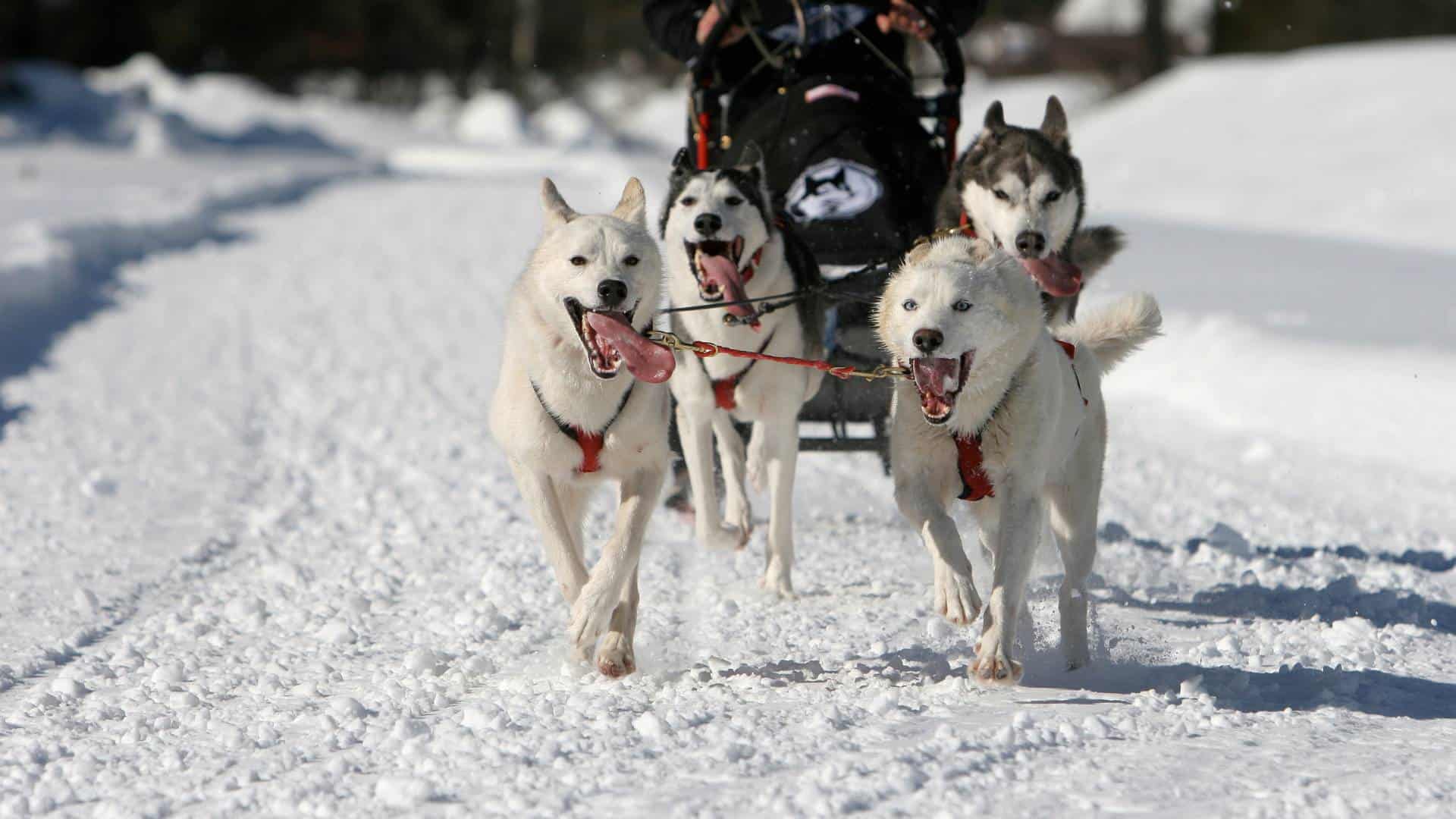
When you see a team of sled dogs in their harnesses, their excitement is unmistakable. They jump, bark, and pull at their lines with such enthusiasm that handlers often need anchors just to keep the sleds in place before takeoff! This isn’t learned behavior – it’s instinctual drive.
What Sled Dogs Are Actually Doing
To understand if dogs enjoy sledding we need to look at what the activity involves for them. Dog sledding is
- A high-energy activity where dogs pull a sled through snow
- Usually performed in teams of 4-6 dogs or more
- Guided by verbal commands like “Gee!” (right) and “Haw!” (left)
- A combination of physical exercise and mental stimulation
For working breeds with tremendous energy this provides an outlet that matches their natural abilities. Think about it – these are dogs that were bred to run and pull. Keeping them as regular pets without this kind of activity would be like keeping a border collie in an apartment with no job to do!
What Experienced Mushers Say
I’ve talked with several mushers and visited sledding operations and the consensus is clear among ethical operators. Jocelyn LeBlanc owner of Sky High Wilderness Ranch, explains that these dogs are their livelihood – their wellbeing is paramount not just for ethical reasons but practical ones too.
During my research at the Yukon Quest (one of the most challenging dog sledding races), I observed mushers spending significant time with each dog, massaging them and showing genuine affection. The dogs’ excitement when they saw the sleds was undeniable – they literally couldn’t wait to get moving!
Jereme Asenault, who owns Snowy Owl Sled Dog Tours, has about 180 huskies and says his dogs “immediately love every client” and will pull anyone, anytime “because that’s what they’re bred to do; it’s what they want to do more than anything in the world.”
Signs That Sled Dogs Enjoy Their Work
How can we tell if sled dogs actually enjoy pulling? Here are some clear indicators I’ve observed:
- Excited behavior before sledding: Dogs jumping with excitement when harnesses appear
- Eagerness to be chosen: Dogs actively trying to get the musher’s attention to be picked
- Physical signs of enjoyment: Alert posture, wagging tails, bright eyes
- Resistance to stopping: Many dogs will continue pulling even when tired
- Bonding with handlers: Strong relationships between dogs and mushers
One musher I spoke with shared that when his truck filled with kennels pulls into the yard, the dogs “lined up like school children anxious to get in to their beds because they knew that this truck meant a good long run.” This isn’t the behavior of animals being forced to do something against their will!
The Dark Side: When Dog Sledding Becomes Cruel
I’d be lying if I said all dog sledding operations were ethical. Like any activity involving animals, there are unfortunately cases of abuse and mistreatment. According to animal welfare organizations, concerning practices can include:
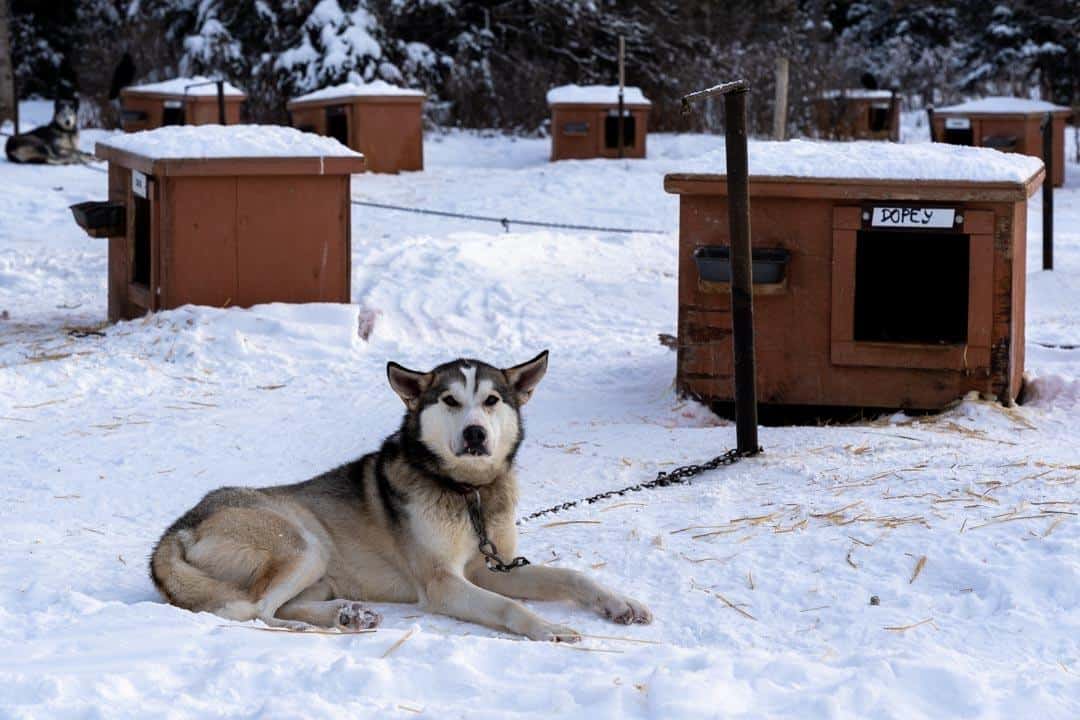
- Dogs tied to short chains for extended periods
- Overworking dogs to exhaustion
- Poor living conditions
- Inadequate veterinary care
- Abandoning dogs when they can no longer race
These practices are genuinely cruel and should be condemned. However, they represent the worst examples, not the standard for responsible mushers who genuinely care for their dogs.
Physical Impacts of Sledding on Dogs
Sledding is physically demanding, no doubt about it. But for dogs bred for this purpose, it can be extremely beneficial when done right:
Benefits:
- Provides necessary physical exercise
- Stimulates mental engagement
- Prevents boredom and destructive behaviors
- Satisfies natural drive to run and pull
- Builds confidence and teamwork
Potential Risks (when done improperly):
- Joint problems from overexertion
- Paw pad injuries from ice and rough terrain
- Respiratory issues from cold exposure
- Dehydration during long runs
- Digestive upset from intense activity
Responsible mushers take extensive precautions to prevent these issues, including special diets, protective booties for paws, adequate rest periods, and regular veterinary checkups.
The Daily Life of a Sled Dog
Many people wonder what sled dogs do when they’re not pulling sleds. At ethical operations, their care includes:
- Proper housing with insulation against extreme cold
- Regular exercise even during off-seasons
- Socialization with handlers and other dogs
- High-quality nutrition designed for working dogs
- Medical care tailored to their needs
At Sky High Wilderness Ranch, older retired sled dogs roam freely around the property, living out their golden years in peace. These dogs aren’t just tools – they’re respected athletes and companions.
My Personal Take on Dog Sledding
After researching this topic extensively, I believe that sled dogs at ethical operations genuinely enjoy pulling sleds. It aligns perfectly with their natural instincts and provides the physical and mental stimulation they crave. I’ve seen firsthand how these dogs light up when the harnesses come out!
That said, I think it’s our responsibility as animal lovers to support only those operations that demonstrate proper care and respect for their dogs. The difference between ethical and unethical mushing is stark, and we should vote with our dollars by choosing responsible operators.
How to Identify Ethical Dog Sledding Operations
If you’re considering experiencing dog sledding, here’s how to ensure you’re supporting good practices:
Look for operations where:
- Dogs appear healthy, clean, and alert
- Dogs have adequate space when not working
- Staff show genuine affection toward the dogs
- Rest periods are enforced during activities
- Dogs receive plenty of water and nutrition
- Older dogs are properly retired and cared for
Red flags include:
- Dogs that appear fearful or lethargic
- Visible signs of neglect or poor health
- Cramped, dirty living conditions
- Staff using harsh or threatening behavior
- Overworking dogs regardless of weather conditions
The Cultural Significance of Dog Sledding
Dog sledding isn’t just a sport or activity – it has deep cultural roots dating back approximately 9,000 years in Siberia. These dogs were essential for survival in harsh arctic environments, allowing people to travel and transport goods across ice and snow where horses couldn’t go.
One of the most famous historical examples is the 1925 serum run to Nome, where sled dogs like Balto and Togo raced to deliver life-saving medicine across Alaska. These heroic dogs saved countless lives and demonstrated the incredible bond between humans and working dogs.
Final Thoughts: It’s Complicated But Clear
So, do sled dogs enjoy pulling sleds? Based on all the evidence, for dogs at ethical operations, the answer is a resounding YES. These dogs are doing exactly what they were bred to do – and they love it.
That said, we can’t ignore that abuses exist in some operations. As with any activity involving animals, human ethics play a huge role in determining whether the experience is positive or negative for the dogs involved.
I believe we should support and celebrate responsible dog sledding while working to eliminate cruel practices. These amazing animals deserve nothing less than our respect and protection.
If you’ve ever seen a team of huskies barking with excitement as they prepare to run, their joy is impossible to miss. That’s not the behavior of animals being forced to work – it’s the unbridled enthusiasm of dogs doing what they were born to do.
Have you ever experienced dog sledding or worked with sled dogs? I’d love to hear your thoughts and experiences in the comments below!
What About Other Places?
During our next couple of weeks around Canada, we travelled to Quebec and Banff, two places that were also famous for dog sledding tours.
While we didn’t join any new tours on this trip, we did visit dog sledding company in Quebec and spent some time chatting to the staff and owner.
It was the exact same experience as when we were Yukon. These people put their dogs on a pedestal. The owner even adopted dogs that the RSPCA were going to put down, even though they couldn’t be put to work, purely so she could give them a wonderful life at her property.
The reason we didn’t go sledding there was because it had snowed so much the night before. “It’s too much work for the dogs to pull through this much snow, better to give them a rest day and give the customers their money back,” she proudly said.
While we were exploring the best things to do in Banff, we joined a company for a day of ice climbing and asked the guide if had any experience dog sledding.
“I’ve never done it myself,” he shared, “but I have a few friends that work at dog sledding companies and the dogs absolutely love it. They’re born for it, and they have a really good life!”
During our questioning we never came across another story of sled dog animal cruelty outside of the two examples we had seen before. In the end we made up our mind. Is dog sledding cruel? Not in the slightest.
Can the Dogs Handle Pulling Sleds?
This is often the question people ask when considering whether or not dog sledding is inhumane. Here’s what we found out.
The dogs that are used for sledding are mostly huskies, or very similar breeds to huskies, and these dogs are well and truly born to mush. It’s in their blood.
They are strong work animals, and given the opportunity they will run for days without stop. They have so much energy to burn that the crave exercise.
As for the added weight of the sleds, this is why dogs are always put in teams of 4, 5, 6 or even more, depending on how many people will be riding in the sled.
Once the sled starts moving as well, it’s all about momentum. It’s easier to keep something on the go once it’s already moving rather than pulling a stationary object.
For this reason whenever the sled takes off with the dogs, the person in control jumps off and pushes as well to assist the dogs. The same is done with uphill sections – the human pushes so the whole job isn’t left to the dogs.
Do Sled Dogs Enjoy Pulling Sleds? – The Winter Sport Xpert
FAQ
What is dog sledding?
Dog sledding is a high-energy activity in which one or more dogs pull a sled or sleigh that is steered by their handler. Huskies, malamutes, Eskimo dogs, and Chinooks are some of the most popular mushing breeds, but today any athletic and active dog can pull a sled. But where did it all begin?
Can a dog pull a sled?
Huskies, malamutes, Eskimo dogs, and Chinooks are some of the most popular mushing breeds, but today any athletic and active dog can pull a sled. But where did it all begin? Around 9000 years ago, dogs were the primary mode of transportation in Siberia.
Is sledding bad for dogs?
Sledding can be more harmful than helpful if dogs are not given proper care and rest. Dogs look forward to running and working, but if they are pushed to their limits, mushing becomes a negative experience. Sled dogs not kept in healthy conditions can suffer from respiratory issues because of prolonged exposure to cold and wet weather.
Is dog sledding a good sport?
Dog sledding is a historically significant and intense sport that builds trust and loyalty with handlers. But there’s a lot more to this canine sport than meets the eye. What is Dog Sledding? Do Dogs Enjoy Sledding? What’s Good About Dog Sledding? Why is Mushing Seen as Cruel? Can Sledding Hurt Dogs?
Can a dog sled through the snow?
Mushing and pulling sleds through the snow is not only a job but a way to release energy and just have fun. Mountain dogs and husky hybrids have been sledding for years to perform rescues and deliver goods to snow-covered villages from Siberia to Alaska.
What happened to dog sledding?
Then there was the horrific story of the dog sledding outfitter in Whistler, who were caught putting down 56 of their dogs after the Winter Olympics, as bookings had fallen and they could no longer afford to feed them all. Instantly the activity of dog sledding seemed like something we couldn’t partake in.
Do sled dogs like pulling?
Yes, sled dogs generally enjoy pulling sleds because the activity aligns with their natural instincts to run, pull, and work as a team, providing them with a sense of purpose, fulfillment, and necessary physical and mental stimulation. Many mushers observe high levels of excitement in their dogs when it’s time to be harnessed for sledding, indicating their enjoyment of the job.
Do huskies enjoy pulling sleds?
Is sled pulling good for dogs?
Sled dogs, particularly breeds like Siberian Huskies and Alaskan Malamutes, are generally bred for pulling sleds and have a strong instinct to run and work. Many sled dogs enjoy the activity because it allows them to engage in physical exercise, socialize with other dogs, and fulfill their natural instincts.
What kind of dog is best for pulling a sled?
The best dogs for pulling sleds include Alaskan Huskies, which are bred for performance and are the most common in racing; traditional breeds like the Siberian Husky, known for endurance and temperament; the heavy-hauling Alaskan Malamute; the powerful Greenland Dog and Canadian Eskimo Dog for traditional freight; and the crossbred Eurohound for sprint racing.