
[vc_row type=”in_container” full_screen_row_position=”middle” scene_position=”center” text_color=”dark” text_align=”left” overlay_strength=”0.3″ shape_divider_position=”bottom”][vc_column column_padding=”no-extra-padding” column_padding_position=”all” background_color_opacity=”1″ background_hover_color_opacity=”1″ column_shadow=”none” column_border_radius=”none” width=”1/1″ tablet_text_alignment=”default” phone_text_alignment=”default” column_border_width=”none” column_border_style=”solid”][vc_column_text]My Rhodesian ridgeback, Colombo, is three years old. He’s also intact. I know we are in the minority, because for most dog owners in the U.S., owning a three year old intact male dog is not something they would ever fathom.
Before we got Colombo, my husband and I knew that we wanted to keep him intact. With the issues we’d had with Zara after spaying her, we were reluctant to neuter him. I’d also read a lot about the risks of neutering large-breed dogs, especially if the neutering was done at a young age.
Colombo is also a show dog, and in order to show in conformation events, dogs must be intact. At some point, he may be bred, although he needs to finish his show championship and complete all of the recommended health testing before that would be considered. We have no plans to neuter him unless there is a medical reason, such as testicular cancer.
For the most part, living with an intact male dog has been uneventful. However, I have learned several things about intact males in the past three years that I did not know before having one.
Ever walked into a home with an unneutered dog and noticed that distinctive doggy smell? If you’re wondering whether unneutered dogs actually smell more than their neutered counterparts, you’re not alone This is a common question among dog owners, and today we’re going to dive deep into this smelly subject!
As a dog owner myself, I’ve dealt with my fair share of canine odors. Let me tell you, there’s definitely something to this question. Let’s explore the science behind dog smells and discover if those intact males really do have a stronger stink.
The Science Behind Dog Smells
Dogs naturally have a unique scent. It’s like their personal fingerprint – each pup has their own special smell. This natural odor comes from oils in their fur and sweat from their paws. But when it comes to unneutered dogs, there’s more to the story.
How Unneutered Dogs’ Smell Differs
Unneutered male dogs (also called intact males) often carry a distinct musky smell that makes them stand out from neutered dogs. This isn’t just your imagination – it’s science!
The main difference comes down to hormones, particularly testosterone. These hormones significantly change a dog’s body odor The natural chemicals in their body can cause more powerful smells that serve specific purposes in the doggy world
- Attracting mates: That musky scent is basically doggy cologne!
- Marking territory: It helps them communicate with other dogs
- Signaling reproductive status: It’s nature’s way of broadcasting availability
Factors Contributing to Unneutered Dogs’ Odor
Several factors play into why unneutered dogs might smell stronger
1. Hormones
Testosterone and other hormones in unneutered males can create a distinct musky odor. This is completely natural, but it’s definitely noticeable to human noses.
2. Marking Behavior
Unneutered dogs mark territory more frequently. This marking behavior involves urine that has a particularly pungent smell due to hormones and other chemicals. And let’s be honest – pee doesn’t smell great to begin with!
3. Active Scent Glands
Intact males have more active scent glands. These glands work overtime when they’re unneutered, producing stronger scents.
4. Diet and Health
What your dog eats affects how they smell. Unneutered dogs sometimes have different dietary needs, which can impact their overall odor.
5. Grooming Habits
Dogs focused on mating and territory may spend less time on personal grooming. Less self-cleaning = more stink!
Behavioral Implications of Being Unneutered
The smell is just one part of the equation. Being unneutered also affects how dogs behave, which can indirectly contribute to odor issues.
Effect on Mating Behavior
Unneutered dogs show strong mating drives that can make them more restless and active. During mating periods, they might:
- Become more agitated
- Attempt to escape to find mates
- Show aggression if denied the chance to mate
All this extra activity can lead to more sweating and stronger body odor.
Impact on Territorial Marking
This is a big one! Marking territory is extremely common in unneutered dogs, and it definitely contributes to odor problems.
| Marking Behavior | Impact on Odor |
|---|---|
| Indoor marking | Stronger household odors, difficult to remove completely |
| Outdoor marking | More intense scent signals to other dogs |
| Frequency | Unneutered dogs mark much more often |
The scent from marking serves as communication with other dogs – it warns off competing males and attracts females. Unfortunately, what’s useful in dog communication isn’t always pleasant for human noses!
Health Considerations
The link between being unneutered and odor isn’t just about natural behaviors – health factors come into play too.
Link Between Odor and Health Issues
Some unneutered dogs can develop stronger odors due to specific health issues:
- Infections: Skin or ear infections can cause foul odors
- Anal gland problems: Impacted anal glands create a particularly nasty smell
- Dental issues: Tooth decay leads to bad breath
- Urinary tract diseases: Can result in foul-smelling urine
Regular check-ups with a vet are crucial to ensure these issues aren’t contributing to your dog’s odor problems.
Benefits of Neutering in Managing Odor
Neutering offers several benefits that can help manage your dog’s odor:
- Reduces aggression: Less aggression means less stress, potentially reducing sweat and odor
- Decreases marking: Neutered dogs mark less frequently
- Lowers health risks: Prevents conditions that might cause unpleasant smells
Many dog owners report that after neutering, their dog’s natural scent becomes less intense and more manageable. It’s not that neutered dogs don’t have an odor – they just typically smell less strong than their unneutered counterparts.
Managing Dog Odor
If you have an unneutered dog or are waiting for the right time to neuter, there are ways to manage the smell in the meantime.
Grooming and Hygiene Practices
Regular grooming is key to keeping your furry friend smelling fresh:
- Brushing: Remove dirt and distribute natural oils (aim for several times a week)
- Bathing: Use a pet-friendly shampoo that neutralizes odors (monthly, or as needed)
- Ear cleaning: Clean ears with a vet-approved solution to prevent odor buildup
- Dental care: Brush teeth with canine toothpaste for fresher breath
- Nail trimming: Prevent dirt and bacteria buildup under nails
Don’t forget to regularly clean their bedding and toys too! These items can harbor stale smells that make your whole house stink.
Environmental Considerations
Creating a clean living environment helps manage pet odors:
- Ensure good ventilation in your dog’s primary living areas
- Consider using air purifiers to filter out pet odors
- Clean and disinfect living spaces weekly
- Wash bedding with fragrance-free detergent bi-weekly
- Wipe down and sanitize feeding areas daily
- Clean toys monthly with dog-safe cleaning solutions
For accidents inside the house, enzymatic cleaners work best as they break down odors organically rather than just masking them.
The Real Talk: Is Neutering Worth It for Odor Control?
I’ve talked to countless dog owners about this, and the consensus seems clear: yes, neutering does help reduce dog odor. But should you neuter your dog JUST because of the smell? That’s a more complicated question.
Neutering has many benefits beyond odor control, including:
- Preventing unwanted litters
- Reducing certain health risks
- Decreasing aggressive behaviors
- Making your dog less likely to roam
The decision to neuter should be made considering your dog’s overall health and wellbeing, not just the smell factor. It’s best to consult with your veterinarian to determine what’s right for your specific pup.
Frequently Asked Questions
Do unneutered male dogs smell bad?
Unneutered male dogs typically have a stronger, muskier odor than neutered dogs due to hormones. This smell isn’t necessarily “bad,” but it is more noticeable and can be unpleasant to some people.
Does neutering a dog reduce smell?
Yes, neutering usually reduces a dog’s odor. The removal of sexual organs decreases hormone-driven behaviors and associated smells, though it won’t eliminate all natural dog odor.
Do intact male dogs sniff more?
Yes, intact males often sniff more due to their instinct to detect female reproductive status and mark territory. This behavior is directly related to their hormonal drives.
What are the common problems with intact male dogs?
Intact male dogs frequently exhibit territorial marking, aggression toward other males, and roaming behaviors. They also face higher risks for testicular cancer and prostate issues as they age.
Conclusion
The simple answer? Yes, unneutered dogs generally do smell more than neutered ones. The combination of hormones, marking behaviors, and natural biological processes creates a stronger scent in intact males.
If you’re struggling with your dog’s odor, regular grooming and good hygiene practices can help manage the smell. However, discussing neutering with your vet might be worth considering if odor is becoming a significant issue in your home.
Remember that every dog is unique, and factors like breed, age, and health also affect how much your dog smells. What’s most important is providing loving care for your furry friend, whether they’re neutered or not!
As a dog lover, I’ve learned that a little dog smell is just part of the package when you welcome these amazing animals into your life. With proper care and management, you can keep even an unneutered dog smelling relatively fresh and clean.
Do you have an unneutered dog? What tricks have you found to manage the smell? I’d love to hear your experiences!
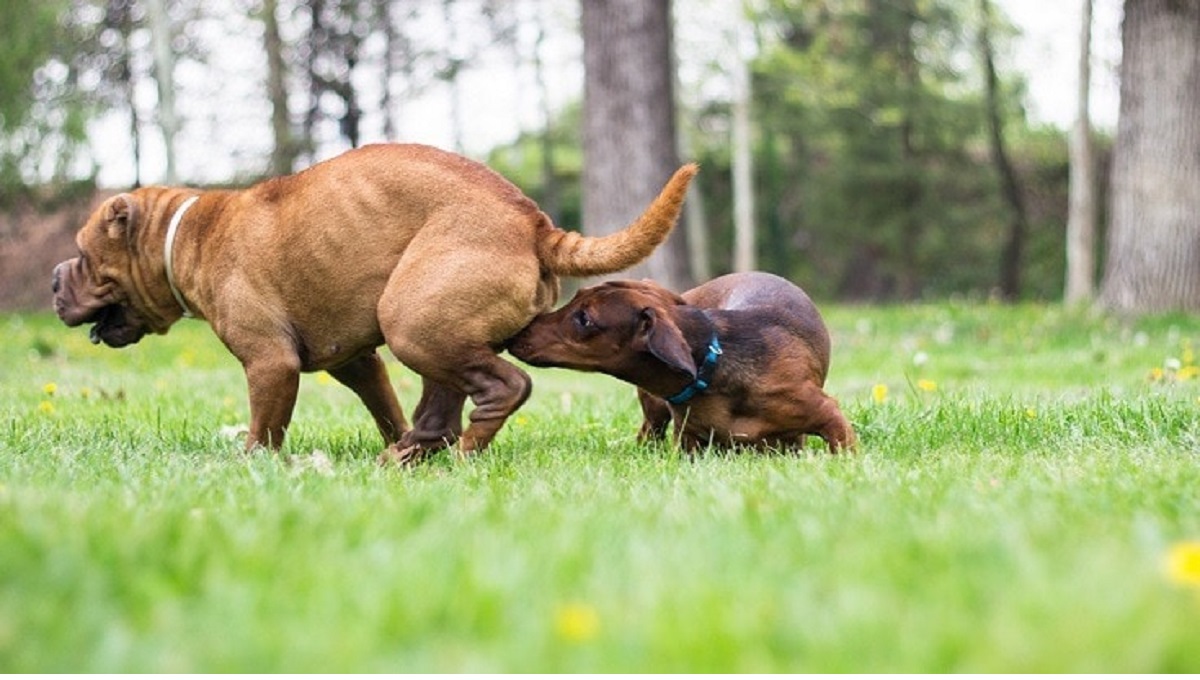
Neutered Males Can Be Problematic
Before I owned an intact male dog, I had no idea that a lot of neutered males don’t like intact males. We learned this the hard way with Colombo when he was about a year old. At that point, we still took him and Zara to the local dog parks fairly regularly. Colombo LOVED to play with the other dogs when he was a puppy. One day, we were at one of the large parks when another dog started getting aggressive with Colombo. They had run to the other end of the park, out of earshot. I got to them as quickly as I could. The other dog, a large male pointer, was growling and getting in Colombo’s face. Colombo was not scared and was growling back. I grabbed him and tried to pull him away but the pointer just kept advancing. Eventually, I yelled for help and a man came and pulled the pointer back.
Thankfully, neither dog was hurt, but the incident was scary. Afterward, I did some online research and discovered that neutered males are often aggressive to intact males. When males are neutered, they smell female to other dogs. Since most of the dogs in this country are spayed or neutered, the majority of dogs smell female to each other. It makes sense that when a neutered male encounters an intact male, they smell male, and thus different.
It is Possible to Find a Daycare or Kennel that Allows Intact Dogs
Another reason people often want to neuter their male dogs is to reduce marking. I personally don’t find this a compelling reason to neuter a dog. Yes, Colombo does love to pee on every bush in the neighborhood if we let him. But he’s never marked inside our house or anyone else’s house. And it’s not always a male behavior. Zara started marking when she was two years old, and now lifts her leg just like a male. Marking inside the house is likely a house-training/behavior issue.