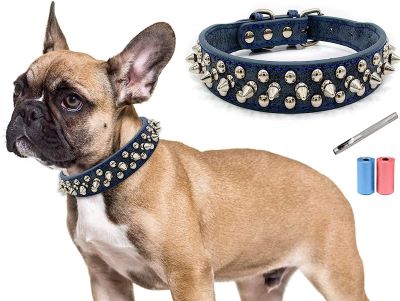
Have you ever seen those intimidating spiked collars on dogs and wondered if they’re just for show or if they actually serve a purpose? I’ve been researching this topic extensively, and what I discovered might surprise you. Spiked collars have a fascinating history and some legitimate protective benefits, but they also come with significant drawbacks that every dog owner should consider.
The Ancient Origins of Spiked Dog Collars
Before we dive into whether these collars actually protect our furry friends, let’s take a quick trip back in time Spiked collars weren’t always just a fashion statement!
During ancient Roman times, metal spikes were first used in dog collars as a form of protection for dogs used in battles These collars were typically made of leather with short spikes embedded in them. The primary purpose? To protect the dog’s neck from being bitten by enemy dogs during combat
As we moved into the Middle Ages, longer spikes were added to collars. These served to protect hunting dogs from wolves and other predators while they were out with their owners. The longer spikes prevented predators from biting the dog’s neck, which could be fatal.
Traditionally, these collars were used on powerful breeds like Mastiffs and Bulldogs, who were bred for their strength and ferocity in hunting and fighting. The spikes made these dogs appear more intimidating while providing actual protection from threats.
How Do Spiked Collars Protect Dogs?
Now to the big question – do these collars actually provide protection? Based on my research, there are several protective benefits:
1. They Deter Attacks from Other Animals
One of the primary benefits of spiked collars is their ability to deter attacks from other animals. The spikes create a visual deterrent that can discourage other dogs or wild animals from approaching or attacking your dog. As CoyoteVest, a manufacturer of protective pet gear explains on their website
“Spiked collars are a great way to make sure your dog has some protection if there’s ever an unexpected attack. We designed this beautiful spiked collar with alternating length spikes and decorative rivets that give it a ‘don’t mess with me’ style and ‘you can’t mess with me’ functionality.”
2. They Provide Physical Protection for the Neck
If another animal does attack your dog, the spikes can act as a physical barrier, preventing the attacker from getting a grip on your dog’s vulnerable neck area. This can be particularly important for:
- Small dogs that might be vulnerable to coyotes or larger dogs
- Dogs that frequent areas with wildlife
- Working dogs that might encounter predators
3. Protection for Specific Scenarios
Spiked collars can be especially useful for:
- Working dogs: Livestock guardian dogs benefit from the extra protection
- Rural areas: Dogs in areas with predators like coyotes or wolves
- Known dog attack areas: If you live in an area with aggressive stray dogs
The Downsides: When Spiked Collars Aren’t a Good Idea
Despite their protective benefits, spiked collars aren’t without significant drawbacks:
1. Potential for Injury
The most concerning downside is the potential for injury – not just to other animals, but to your own dog, yourself, and others. According to Dogshunter:
“The spikes can cause cuts, bruises, or punctures on your dog’s neck, especially if they are too sharp, too long, or too tight. This can lead to bleeding, infection, or scarring, and also cause pain and discomfort for your dog.”
There’s also risk to humans – if your dog jumps up to greet someone, those spikes could cause scratches or worse.
2. Negative Public Perception
Let’s be honest – spiked collars have a certain aesthetic that not everyone appreciates. They can make even the friendliest dog look aggressive or dangerous. This might lead to:
- People avoiding you and your dog on walks
- Negative judgments about you as a pet owner
- Unwanted attention from authorities or animal welfare groups
3. Not Suitable for All Dogs
Spiked collars aren’t appropriate for:
- Dogs that play roughly with other dogs
- Puppies who are still learning social skills
- Dogs that tend to chew on their collars (CoyoteVest specifically warns: “If you think one of your dogs will just chew on this collar it is not the right choice for you.”)
- Dogs primarily kept as indoor pets with limited exposure to wildlife
Are There Better Alternatives?
If protection is your main concern, there are alternatives that might work better in certain situations:
1. Harnesses
Many experts suggest that harnesses provide better control and comfort for dogs. According to Epic Dog Supply:
“Harnesses are an alternative option to spiked dog collars that provide better control and comfort for dogs without causing harm or pain. They distribute the pressure evenly across the chest and shoulders instead of just the neck area.”
2. CoyoteVest and Similar Products
Products specifically designed for predator protection, like the CoyoteVest, offer protection without some of the downsides of traditional spiked collars. These products are designed with modern materials and safety considerations in mind.
3. Training and Supervision
Perhaps the best protection is proper training and supervision. Teaching your dog recall commands and keeping them on a leash in areas where predators might be present can be more effective than relying solely on protective gear.
How to Choose a Spiked Collar (If You Decide It’s Right for Your Dog)
If you’ve weighed the pros and cons and decided a spiked collar is appropriate for your situation, here are some tips for choosing the right one:
1. Proper Sizing is Critical
An ill-fitting collar can cause discomfort or injury. CoyoteVest provides this sizing guide:
| Collar Size | Neck Circumference |
|---|---|
| Mini | 6.5″ – 8.75″ |
| Extra Small | 8.5″ – 10.75″ |
| Small | 11″ – 13.25″ |
| Medium | 12.5″ – 15″ |
| Large | 15.25″ – 18.5″ |
Measure your dog’s neck carefully and ensure the collar fits properly – you should be able to fit two fingers between the collar and your dog’s neck.
2. Material Matters
Look for quality materials that won’t break easily or cause irritation. Some considerations:
- Leather vs. PU leather: Real leather tends to be more durable but more expensive
- Spike material: Hard plastic spikes are typically lighter than metal but may be less durable
- Buckle quality: Ensure the buckle is sturdy and won’t fail when needed most
3. Consider When and Where to Use It
Many owners use spiked collars situationally rather than all the time:
- During walks in areas with known predators
- When hiking in wildlife areas
- For specific outings where protection might be needed
As CoyoteVest notes: “This Spiked Collar is… perfect for occasional use but over time the PU leather will start to show signs of wear.”
My Personal Experience with Spiked Collars
I’ve tried several different types of collars with my German Shepherd, including a spiked collar when we lived in an area with frequent coyote sightings. While the collar did seem to give her a more intimidating appearance, I found that it wasn’t practical for everyday use.
The collar was uncomfortable for her when she laid down, and I was always worried about the spikes catching on furniture or scratching visitors. We eventually switched to using a harness for regular walks and only used the spiked collar for hikes in areas where we might encounter wildlife.
Final Thoughts: Protection vs. Practicality
So, do spiked collars protect dogs? The answer is yes – but with significant caveats.
Spiked collars can provide real protection against animal attacks by:
- Creating a visual deterrent
- Providing a physical barrier to neck bites
- Making your dog appear more intimidating to potential threats
However, this protection comes with tradeoffs:
- Potential for injury to your dog and others
- Negative public perception
- Limited practicality for everyday use
As responsible dog owners, we need to weigh these factors carefully based on our individual circumstances. For most urban and suburban dog owners, a spiked collar might be unnecessary overkill. For those in rural areas with predator concerns, it might be a reasonable protective measure when used appropriately.
Whatever you decide, remember that no collar – spiked or otherwise – is a substitute for proper training, supervision, and care. Your dog’s safety ultimately depends more on your vigilance than on what they’re wearing around their neck.
Have you used a spiked collar for your dog? I’d love to hear about your experiences in the comments below!
Disclaimer: This article is for informational purposes only and should not be considered professional advice. Always consult with a veterinarian or professional trainer before introducing new equipment to your dog.
Why Do These Dogs Wear Spiked Collars?! ⚔️
FAQ
What is a spiked dog collar?
Spiked dog collars have spikes or prongs that apply pressure on the neck when pulled. While they may be effective in controlling some dogs, they can also cause pain and discomfort. Working dogs such as livestock guardian dogs may benefit from wearing a spiked collar to protect them from predators.
What are the benefits of using spiked dog collars?
Some of the benefits of using spiked dog collars are: – They can deter other dogs from attacking your dog. The spikes can make your dog look more intimidating and discourage other dogs from biting or fighting with your dog.
Are spiked dog collars safe?
Some of the drawbacks of using spiked dog collars are: – They can injure your dog. The spikes can cause cuts, bruises, or punctures on your dog’s neck, especially if they are too sharp, too long, or too tight. This can lead to bleeding, infection, or scarring, and also cause pain and discomfort for your dog.
Should a working dog wear a spiked collar?
Working dogs such as livestock guardian dogs may benefit from wearing a spiked collar to protect them from predators. However, it is important to note that these collars should only be used under careful supervision and training.
Why do dogs wear spiked collars?
This can reduce the damage and pain that your dog may suffer, and also lower the risk of infection or disease transmission. – They can help you train your dog. Some spiked dog collars are designed to apply pressure or discomfort to your dog’s neck when you pull on the leash.
Is a spiked collar beneficial?
Spiked collars can be beneficial for people living in dangerous neighborhoods or near farmland/crops. While dogs are often seen as loving family members today, they can still act as protectors when necessary. If you reside in an area where you don’t always feel safe, bringing your dog along with a spiked collar could provide an additional layer of security.
Will a spike collar protect my dog?
Spiked collars are a great way to make sure your dog has some protection if there’s ever an unexpected attack.
Do spiked collars deter predators?
Wolves go after the throat for the finish. Collars like this are essential to help the dog survive. Those spikes are a great deterrent to predators.Feb 27, 2025
What kind of dogs benefit from prong collars?
Safety for Strong Dogs: For large or powerful breeds prone to pulling, prong collars can prevent harmful behaviors like lunging, reducing the risk of injury to both the dog and the person holding the leash.
Are spike collars ethical?
Choke and prong collars are designed to punish dogs for pulling by inflicting pain and discomfort. They can cause serious physical and emotional damage to dogs and should never be used.