
How often should your small, medium or large furry friend be walked? Click here to read our dog walking guide and find out.
Dogs need exercise every day to keep them healthy, happy and mentally stimulated. A simple walk can improve your furry friend’s social behavior and strengthen the bond that ties you together.
How long should you walk a dog? While breed, age and health conditions are big influencers in how much physical activity your pooch needs, size is also an important factor. A small dog will likely get more benefit out of a short stroll than a large canine. Read our dog walking guide below to learn how often and how long you should walk your pet, depending on its size.
Ever wondered if your tiny pup needs daily walks like their bigger counterparts? You’re not alone! Many small dog owners assume their little buddies get enough exercise just zooming around the living room. But is that really true? Let’s dig into the facts about walking small dogs.
The Short Answer: Yes, But With Caveats
A small dog needs about a half hour a day outdoors to maintain their health. You can break this time into two 15-minute walks Your small dog needs daily walks to stay healthy and to control their weight. But too much of a good thing can be harmful, so moderation is the key
Understanding Small Dog Exercise Needs
Small dogs (typically weighing under 20 pounds) have different exercise requirements than larger breeds While they might not need the long, strenuous walks that a Border Collie or Labrador requires, they still benefit tremendously from regular outdoor activity.
Benefits of Walking Small Dogs Daily
- Physical health – Maintains muscle tone and appropriate weight
- Mental stimulation – Helps build confidence and provides enrichment
- Behavioral benefits – Reduces anxiety, aggression, and hyperactivity
- Bonding opportunity – Strengthens your relationship with your pet
- Socialization – Exposes them to new environments and other dogs
According to veterinarians, regular walks provide both physical and mental benefits that indoor play alone can’t match Your little furball needs those outdoor adventures!
How Much Walking Do Small Dogs Really Need?
The amount of exercise a small dog needs depends on several factors:
Factors Affecting Small Dog Exercise Needs:
- Age – Puppies and seniors have different requirements
- Breed – Some small breeds are naturally more energetic
- Health status – Dogs with mobility issues need modified exercise
- Weight – Overweight dogs may need more activity (but gentler)
- Energy level – Individual personality makes a difference
For most healthy small dogs, here’s what experts recommend:
| Dog Size | Daily Walking Time | Frequency | Notes |
|---|---|---|---|
| Small (<10 lbs) | 30 minutes | 2 walks of 15 minutes each | Short, frequent walks are better than one long one |
| Small (10-20 lbs) | 30-40 minutes | 2 walks of 15-20 minutes each | Can often handle slightly longer walks |
| Brachycephalic breeds (Pugs, etc.) | 20-30 minutes | 2-3 shorter walks | Need special attention to prevent overheating |
Walking Schedule for Small Dogs
According to veterinarian Michael Fox, an ideal walking schedule might look like:
- A short morning walk before breakfast
- A midday potty break (between noon and 2 pm)
- A slightly longer afternoon/evening walk
- A final quick potty break before bed
This routine aligns with dogs’ natural behavioral cycles and provides the right balance of exercise and rest.
Small Breeds That Need Less Walking
Some small breeds are naturally less active and do fine with shorter walks:
- Shih Tzu
- Maltese
- Pekingese
- Japanese Chin
- English Bulldogs
These breeds typically do well with one or two short daily walks, especially as they age.
Small Breeds That Need More Walking
Don’t be fooled by size! Some small breeds are little bundles of energy:
- Yorkshire Terriers
- Jack Russell Terriers
- Miniature Pinschers
- Dachshunds
- Beagles
These active small breeds often need more exercise than you might expect based on their size alone.
Special Considerations for Walking Small Dogs
For Puppies
Small breed puppies shouldn’t go on full walks until they’ve completed their vaccinations (usually around 16 weeks). Until then:
- Practice leash walking in your yard
- Keep walks very short (5-10 minutes)
- Focus on positive experiences rather than distance
- Be mindful of their developing joints
According to Dr. Emily Wilson, a veterinarian quoted by the American Kennel Club, “If you have a little teacup, poodle puppy, don’t go around the block. That’s a long way for them to go.”
For Senior Small Dogs
As small dogs age, they still benefit from walking but may need modifications:
- Shorter, more frequent walks
- Slower pace
- Avoid steep hills or difficult terrain
- Consider a dog stroller for longer outings when they tire
- Pay attention to signs of fatigue or pain
Can You Skip Walking Sometimes?
Life happens! Is it OK to miss a walk occasionally? According to experts – yes, it’s generally fine to skip a day here and there. Small dogs can get some exercise through:
- Indoor play sessions
- Interactive toys
- Backyard time (in a secure area)
- Training sessions (mental exercise counts!)
However, regularly skipping walks can lead to problems like weight gain, boredom, and behavioral issues. Try to maintain consistency when possible.
Signs Your Small Dog Needs More Exercise
Not sure if your pup is getting enough movement? Watch for these clues:
- Destructive behavior (chewing furniture, digging)
- Excessive barking
- Weight gain
- Restlessness or trouble settling down
- Seeming “hyper” or unable to focus
- Becoming more anxious or aggressive
Signs Your Small Dog Is Getting Too Much Exercise
On the flip side, too much walking can also be problematic:
- Excessive panting or trouble breathing
- Lagging behind during walks
- Limping or favoring a leg
- Refusing to continue walking
- Sleeping more than usual after walks
- Paw pad irritation
Walking Alternatives for Small Dogs
Can’t always fit in a walk? Try these alternatives:
- Indoor fetch – Even small spaces work for tiny dogs
- Puzzle toys – Mental stimulation is important too
- Hide and seek – Hide treats or toys around your home
- Training sessions – Learning new tricks provides mental exercise
- Playdates – Playing with other dogs can be great exercise
Tips for Walking Small Dogs
- Use a harness rather than a collar (safer for small throats)
- Adjust your pace – small dogs have to trot to keep up with humans
- Be weather-conscious – small dogs are more sensitive to temperature extremes
- Bring water even for short walks
- Check paws regularly – tiny paws can get injured more easily
- Be aware of predators in rural areas (hawks, coyotes)
- Consider dog booties for extreme weather or rough terrain
My Experience Walking Small Dogs
I’ve owned both a Yorkshire Terrier and a Shih Tzu, and let me tell you – they had COMPLETELY different exercise needs! My Yorkie would literally bounce off the walls without his two daily walks, while my lazier Shih Tzu was content with one leisurely stroll and lots of nap time.
The most important thing I’ve learned is to pay attention to your individual dog. Some days they might have more energy, other days less. Being flexible while maintaining a general routine seems to work best.
The Bottom Line
So, do small dogs need to be walked every day? Yes, with few exceptions. While they may not need the lengthy excursions required by larger breeds, small dogs still benefit greatly from daily outdoor activity.
A small dog needs about a half hour a day outdoors to maintain their health. You can break this time into two 15-minute walks. Your small dog needs daily walks to stay healthy and to control their weight. But too much of a good thing can be harmful, so moderation is the key.
Remember: a tired dog is a happy dog – even if they’re tiny! Regular walks help prevent behavior problems while keeping your small furry friend physically and mentally healthy.
FAQs About Walking Small Dogs
Q: Can I just let my small dog run around the yard instead of walking?
A: While yard time is good, it doesn’t provide the same mental stimulation or varied exercise that walks do. Try to do both when possible.
Q: My small dog hates walking. What should I do?
A: Start with very short, positive walks with lots of treats. Gradually increase distance as they become more comfortable. Consider if there might be a medical issue causing discomfort.
Q: How do I know if my small dog is getting enough exercise?
A: A well-exercised small dog should be calm and content at home, maintain a healthy weight, and sleep well at night.
Q: Is it OK to use a dog stroller for my small dog?
A: Yes! Strollers can be great for elderly dogs, puppies, or for portions of longer walks when your dog gets tired. Just make sure they’re also getting some actual walking time.
Q: My small dog wants to walk for hours. Is this OK?
A: While some small breeds have surprising stamina, be careful not to overdo it, especially in hot weather. Gradually build up their endurance and watch for signs of fatigue.
What walking routine works best for your small dog? Every pup is different, so finding the right balance might take some trial and error!
How often should you walk a medium dog?
Medium-sized dogs can range from low energy to athletic, depending on the breed. These include but are not limited to: Boxers, Chinooks, Whippets and Cocker Spaniels. In general, medium-sized canines need about 40 to 80 minutes of walking every day. Unlike smaller breeds, medium-sized pooches should be able to walk at a comfortable pace alongside you.
How often should you walk a small dog?
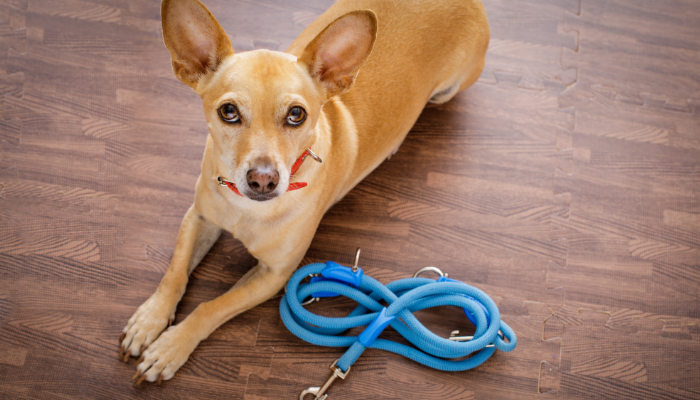
Small breed dogs, such as Chihuahuas, Poodles and Yorkshire Terriers, tend to be less active. However, those little canines still need daily exercise to maintain optimal health. Regular walks could help prevent aggression, anxiety, fear and hyperactivity.
In general, little dogs need about half an hour of walking a day, which can be broken up into two 15-minute segments. Fewer and shorter walks are recommended, since small canines need to trot to keep up with the average human gait. Casual trips around the neighborhood once a day should be sufficient exercise for smaller breeds.
When considering how long or far to walk, remember to keep your pet’s age, health level and physical features in mind. For example, Bulldogs, Pugs and other short-nosed breeds are prone to a variety of respiratory problems. They may easily overheat if exercised too much, so walks should be kept to 20 to 30 minutes.