
When you hear a dog growl, your initial instinct is probably that it’s out of aggression. In fact, there are around 5 reasons why your dog is growling – Let’s take a look at what they are and how you can identify them.
Ever been playing with your furry friend when suddenly they let out a growl that makes you wonder “Wait, is Fido upset?” Well, I’ve got news for you – sometimes dogs actually growl when they’re happy! It’s one of those confusing dog behaviors that can leave pet parents scratching their heads.
As a dog owner myself, I’ve experienced those moments of uncertainty when my pup starts growling during what seems like a perfectly pleasant play session. It took me years to understand that not all growls are created equal!
Types of Happy Growls Your Dog Might Make
Dogs are amazingly expressive creatures, and growling is just one part of their communication toolkit Let’s break down the types of happy growls you might hear from your pooch
Play Growling
This is probably the most common “happy growl” you’ll encounter When dogs are having the time of their lives during play, they often let out these excited growls You’ll typically notice this during
- Tug-of-war games
- Wrestling sessions
- Chase games
- Playtime with other dogs
Play growls tend to be higher-pitched than aggressive growls and are usually accompanied by loose wiggly body language. Your dog’s tail will likely be wagging and they’ll have a relaxed, open-mouthed expression – almost like they’re smiling!
Pleasure Growling
This one’s my absolute favorite! Some dogs make a low, rumbly sound when they’re feeling super content – almost like a cat’s purr but in dog language.
Pleasure growls are typically:
- Lower pitched
- Longer lasting
- Almost like your dog is trying to “talk” to you
- Often heard during petting sessions or cuddle time
My lab mix makes this adorable grumbly sound whenever I scratch that perfect spot behind his ears. It’s his way of saying “Oh yeah, that’s the good stuff!”
How to Tell Happy Growls From Unhappy Ones
Now here’s the tricky part – how do you know if your dog’s growl is friendly or a warning? Context and body language are key!
Happy Growl Signals
When a dog growls because they’re happy, you’ll usually notice:
- Relaxed, loose body posture
- Wagging tail
- “Play bow” position (front end down, rear end up)
- Bouncy, excited movements
- Relaxed facial expression
- Higher-pitched vocalizations
According to a survey mentioned on VetExplainsPets, about 75% of pet owners have witnessed their dogs growling when happy, particularly during playtime or cuddle time. Many pet owners actually find their dog’s happy growling to be endearing!
Warning Growl Signals
In contrast, when a dog growls out of fear, aggression, or discomfort, you’ll notice:
- Stiff body posture
- Raised hackles (hair standing up along back)
- Fixed, hard stare
- Showing teeth
- Tight, closed mouth
- Lower-pitched growl
- Holding their breath
Different Types of Growls Dogs Make
To fully understand your dog’s communication, it helps to know that dogs use different types of growls for different situations:
1. Play/Happy Growls
We’ve covered these – they’re the fun ones!
2. Frustration Growls
These happen when your dog’s needs aren’t being met. Maybe they can’t greet another dog they see, or perhaps dinner is late. They’re saying “Hey, I want something to happen!”
3. Fearful Growls
When dogs feel threatened or scared, they might growl to say “Please back off, I’m uncomfortable.” This is a warning that they need space.
4. Aggressive Growls
These are the serious ones – low, intense growls that indicate a dog is ready to defend themselves if necessary. This type requires immediate attention and possibly professional help.
5. Resource Guarding Growls
Some dogs growl when protecting something valuable to them – food, toys, or even their favorite human. This is saying “This is mine, stay away!”
Common Situations Where Happy Growls Occur
I’ve noticed certain scenarios seem to bring out those happy growls more than others:
During Interactive Play
Tug-of-war is probably the number one trigger for play growls. There’s something about that back-and-forth struggle that brings out the playful predator in our pups! My dog sounds like he’s auditioning for a monster movie when we play tug, but his bouncy body language makes it clear he’s having a blast.
Cuddle Time
Some dogs get so content during petting sessions that they can’t help but vocalize their pleasure. This is especially common when you hit their favorite scratching spot!
Mealtime Excitement
Many dogs growl with excitement when they’re about to be fed their favorite treats or meals. It’s their way of expressing anticipation and happiness about the food that’s coming their way.
Greeting Loved Ones
Some dogs get so excited when their favorite people come home that they express it through happy growls combined with wiggles, jumps, and sometimes even “talking” vocalizations.
Common Concerns About Happy Growling
Many pet parents worry about their dog’s happy growls. Here are some common questions:
Should I discourage my dog from growling when happy?
Generally, no! Happy growling is a normal part of canine communication. Discouraging it might confuse your dog about how to express themselves. However, if the play is getting too rough or intense, it’s fine to take a break and help your dog calm down.
Will my dog’s happy growling escalate to aggression?
Not typically. Happy growling during play is a different behavior than aggressive growling. However, some dogs can get overexcited during play, which is why monitoring body language is important.
How can I tell if my dog’s growling during play is becoming problematic?
Watch for signs that play is getting too intense:
- Stiffening body language
- Play partner showing signs of fear or discomfort
- Growls becoming lower and more intense
- Other dogs or people becoming uncomfortable
If you see these signs, it’s time for a play break!
When to Be Concerned About Growling
While happy growls are nothing to worry about, there are times when growling does indicate a problem:
- When growling is accompanied by a stiff body, raised hackles, or bared teeth
- When growling occurs in response to normal handling or everyday activities
- When growling is directed at family members, especially children
- When the pattern or type of growling suddenly changes
If you notice any of these concerning patterns, it’s best to consult with a professional dog trainer or behaviorist. They can help determine if there’s an underlying issue that needs to be addressed.
How Professionals View Happy Growling
According to professionals quoted on VetExplainsPets, dog trainers and veterinarians agree that happy growling is a normal part of canine communication.
One professional dog trainer explained, “Dogs can definitely growl when they are happy, especially during playtime or cuddle time. It’s important for pet owners to understand their dog’s individual communication style in order to build a strong bond with their furry friend.”
A veterinarian specializing in canine behavior added, “Growling is a natural behavior for dogs, and it’s important for pet owners to be able to differentiate between different types of growling in order to respond appropriately.”
My Personal Experience with Happy Growlers
I’ve had the pleasure of living with two happy growlers over the years. My first dog, a German Shepherd mix, was the queen of play growls – tug-of-war with her sounded downright scary if you didn’t know her! But her bouncy movements and play bows made it clear she was having the time of her life.
My current dog is more of a pleasure growler. He makes these adorable grumbly sounds when he’s getting belly rubs that sound almost like he’s trying to have a conversation. It’s one of my favorite things about him!
Tips for Living with a Happy Growler
If your dog is one of those pups who expresses joy through growls, here are some tips:
- Learn to read your dog’s full body language, not just listen to vocalizations
- Warn guests that your dog “talks” during play so they don’t misinterpret
- Take video of your dog’s happy growling to show your vet if you’re concerned
- Create a “pause” cue for play that gets too rowdy
- Never punish growling – it’s your dog’s way of communicating
Final Thoughts
Yes, dogs absolutely can growl when they’re happy! Understanding the difference between happy growls and warning growls comes down to paying attention to context and body language. A loose, wiggly dog with a play bow and wagging tail who’s growling during a game is very different from a stiff, still dog with a fixed stare who’s growling when approached.
The best way to understand your dog’s communication is simply to spend time observing them in different situations. Over time, you’ll become fluent in your particular pup’s dialect of dog language – growls and all!
So next time your furry friend lets out a growl during playtime, don’t worry – they might just be telling you they’re having the best time ever!
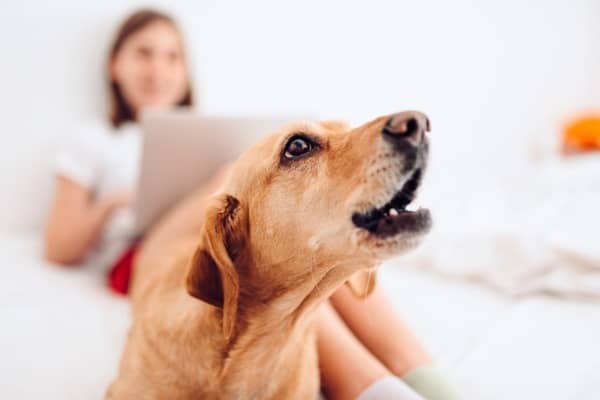
What Are the Different Dog Growls?
Your dog will growl out of aggression just like you may initially think, but there are ways you can identify that they are definitely telling you that they are angry. The three L’s can indicate that your dog is growling with aggression: loud, long and low rumbles. Their body language will also immediately tell you that they are angry, with raised hackles, lunging movements and snapping.
The motion behind this growl is to express their power; their reason for anger is commonly if they have seen something they want to hunt, or they want to exert their dominance over another canine. Always be cautious when trying to separate your dog from this situation and never encourage their aggression.
Commonly misinterpreted as aggression, your dogs can growl due to frustration as well which is most similar to a pleasure growl. Dogs don’t handle irritation very well which is why it is often expressed with low, rumbling growl.
This often occurs when there is something separating the owner and the dog, like a fence or a wall. The frustration reflects the desperation of your pet to see you and highlights their irritation at the thing that is separating you. They can hear you, but they can’t greet you!
At times, dogs feel uncomfortable just like we do and their way of telling us is with a rumbling type of growl. This would be paired with a set jaw, stiff body language and dilated pupils.
They may feel uncomfortable because something is scaring them, or they are being possessive or territorial over their space or an object. Take notice of the surroundings and pay attention to whatever us causing your dog to feel threatened or afraid. It may be you or it may be another dog, so try to safely remove the perpetrator out of their personal space.
Why Do Dogs Growl?
First of all, we wanted to address the reason behind why your dog growls in the first place. Any sound they make, whether it’s a growl, a bark or a whine, means that they are trying to communicate how they are feeling to you.
If you listen close enough to your dog’s growl each time, you will be able to hear the difference and eventually identify what they are trying to tell you. Also, make sure you take notice of the different environment and situation they are in when they growl as this can be a big indicator of how they are feeling too.
Dogs Growl When They Are Happy Too – Why A Growling Dog Is Good
FAQ
Why does my dog growl when happy?
Can a dog growl affectionately?
How to tell if your dog is pleasure growling?
… clear from the situation your dog is in if they are emitting a pleasure growl: if they are having their belly rubbed or something else, they really enjoy!Mar 19, 2025
What is a happy growl called?
It is called “play growling.” Some dogs will growl when they are fully engaged and having a great time or playing with tug toys with other dogs. While this is normal and harmless for some dogs, it’s important to make sure the play does not get too rough with negative responses.