
Fleas get their share of attention and awareness as nuisances that can plague dogs, but ticks shouldn’t be overlooked.
Unlike biting insects, ticks don’t bite and fly away; they remain on their hosts, feeding for days before they crawl off. Here’s what you need to know about ticks on dogs, their bites, and how to handle and remove them.
Finding a tick on your furry best friend can be alarming but discovering what appears to be a dried-up, dead tick can be even more confusing. Many pet owners wonder do ticks actually dry up while attached to dogs? The answer is yes – ticks can absolutely dry up and die while still attached to your dog’s skin. Let’s explore everything you need to know about dried dead ticks on dogs how to identify them, and what to do when you find one.
What Happens When Ticks Die on Dogs?
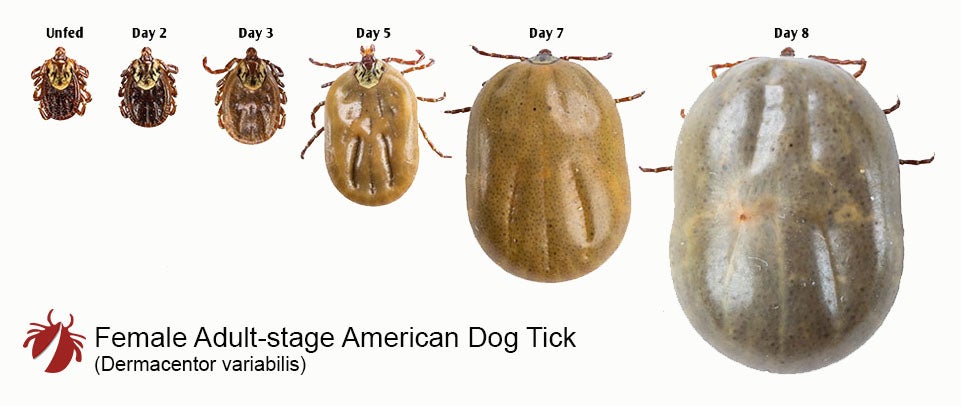
When a tick dies while attached to your dog, it doesn’t simply fall off as many pet owners might expect. Instead, the tick often remains firmly attached thanks to its specialized mouthparts that are embedded in your dog’s skin. After death, the tick’s body will typically:
- Shrink and dry up
- Appear wrinkly or shriveled
- Have legs that curl up (rather than extend outward)
- Change color (often becoming lighter or grayish)
- Become stiff to the touch
Ticks that die while feeding on your dog can remain attached for days or even weeks if not removed, gradually drying out over time
Why Do Ticks Dry Up on Dogs?
There are several reasons why you might find a dried dead tick on your dog:
1. Tick Preventatives
The most common reason ticks die and dry up on dogs is the use of tick preventative medications. These products don’t actually prevent ticks from latching onto your dog – instead, they kill the tick after it bites. This means you might still find dead ticks on your dog even if they’re on regular preventative medication.
Tick preventatives including:
- Topical treatments
- Oral medications
- Medicated collars (like Seresto)
2. Natural End of Life Cycle
Some ticks might simply reach the end of their natural life cycle while attached to your dog. Adult male ticks typically die after mating, and females die after laying eggs.
3. Your Dog’s Scratching
Dogs often scratch or bite at irritating tick bites. This scratching might partially damage the tick without completely removing it, causing it to die while remaining partially attached.
How to Identify a Dried Dead Tick vs. Live Tick
It’s important to know whether you’re dealing with a live or dead tick before attempting removal. Here’s how to tell the difference:
Dead Tick:
- Legs curled up and stiff
- No movement when touched with tweezers
- Body appears dried, shriveled, or wrinkly
- Often silvery-white or grayish in color (if engorged before death)
- Feels hard and rigid when touched
Live Tick:
- Legs flat against body or extending outward
- Movement when touched or disturbed
- Body appears smooth and plump
- Dark brown or reddish-brown coloring
- More flexible body
Pro tip: If you’re unsure, gently touch the tick with tweezers to see if there’s any movement. Dead ticks won’t respond at all.
How to Safely Remove a Dried Dead Tick from Your Dog
Even though dead ticks pose less disease risk than live ones, they should still be removed promptly to prevent skin irritation or infection. Here’s how to safely remove a dried dead tick:
Materials You’ll Need:
- Fine-tipped tweezers or a tick removal tool
- Gloves
- 70% isopropyl alcohol or 3% hydrogen peroxide
- Clean container or ziplock bag
- Damp paper towel
Step-by-Step Removal Process:
- Put on gloves to protect yourself
- Part your dog’s fur around the tick to get a clear view
- Position the tweezers as close to your dog’s skin as possible, grasping the tick’s body firmly
- Pull upward with steady pressure – avoid twisting or jerking which could leave mouthparts embedded
- Place the tick in a container with a damp paper towel if you want your vet to identify it
- Clean the bite area with alcohol or hydrogen peroxide
- Disinfect your tools afterward
Important: Don’t use petroleum jelly, nail polish, matches, or other home remedies to remove ticks. These methods can stress the tick and cause it to release more infectious material into your dog.
What if the Tick Head Stays Embedded?
Sometimes when removing a dried dead tick, the body comes off but the head or mouthparts remain embedded in your dog’s skin. While this isn’t ideal, it’s not typically dangerous.
If this happens:
- Don’t dig into your dog’s skin trying to remove it
- Clean the area with antiseptic
- Monitor for signs of infection
- The body will usually reject the remaining parts naturally within a few days
What to Do After Removing a Dried Dead Tick
After successfully removing the tick:
- Clean the bite area thoroughly with antiseptic
- Monitor the site for several days – some redness, swelling, or a small bump is normal
- Save the tick in alcohol if you want your vet to identify it
- Watch for signs of tick-borne illness in your dog over the next few weeks
When to Call Your Vet
While finding a dried dead tick isn’t usually cause for immediate concern, you should contact your veterinarian if:
- The bite area becomes increasingly red, swollen, or develops pus
- Your dog shows symptoms like lethargy, loss of appetite, fever, or lameness
- You’re unsure about proper tick removal
- Your dog isn’t on regular tick preventative medication
- You live in an area with high rates of tick-borne diseases
Common Tick-Borne Diseases in Dogs
Even dead ticks may have transmitted disease before dying. Common tick-borne diseases in dogs include:
-
Lyme Disease – Transmitted by deer ticks/black-legged ticks
- Symptoms: Fever, lameness, joint swelling, lethargy
-
Rocky Mountain Spotted Fever – Transmitted by American dog ticks and brown dog ticks
- Symptoms: Fever, poor appetite, vomiting, abdominal pain, nervous system issues
-
Ehrlichiosis – Transmitted by brown dog ticks and lone star ticks
- Symptoms: Fever, lethargy, respiratory issues, bleeding problems
-
Babesiosis – Transmitted by various tick species
- Symptoms: Weakness, dark urine, anemia, systemic shock
FAQs About Dried Dead Ticks on Dogs
Will a dead tick fall off my dog on its own?
No, most dead ticks will not fall off on their own. The mouthparts remain firmly embedded in your dog’s skin, which is why manual removal is necessary.
How can I tell if the bump on my dog is a tick or a scab?
Ticks have legs, even when dead. Part your dog’s fur and look closely – if you see legs, it’s a tick. If you’re still unsure, consult your veterinarian.
How long does it take for a tick bite to heal on a dog?
A typical tick bite takes 2-3 weeks to heal completely. Some dogs may develop a small bump or scab at the bite site, which is normal.
Can I tell how long a tick has been on my dog?
Yes, to some extent. Engorged ticks (full of blood) have likely been attached for 2-10 days. Flat ticks have probably attached more recently. Dried dead ticks that appear wrinkly have likely been dead for several days.
Are all ticks dangerous to dogs?
Not all ticks carry diseases, but it’s impossible to tell which ones do just by looking. That’s why prompt removal and prevention are important regardless of tick type.
Prevention: Keep Those Ticks Away!
The best way to handle dried dead ticks is to prevent them in the first place:
- Use year-round tick preventatives as recommended by your vet
- Check your dog regularly for ticks, especially after outdoor activities
- Keep your yard maintained by mowing regularly and removing leaf litter
- Create tick barriers around your yard with gravel or wood chips
- Consider environmental treatments if you live in a heavily tick-infested area
Final Thoughts
Finding a dried dead tick on your dog isn’t usually cause for panic, especially if your pup is on regular preventative medication. The most important thing is to remove it properly and monitor the bite site for any signs of infection or illness.
We’ve found that most of our clients are relieved to learn that dead ticks pose significantly less risk than live ones, but it’s still important to stay vigilant about tick prevention and regular checks. After all, our furry friends count on us to keep them safe and healthy!
Have you ever found a dried dead tick on your dog? How did you handle it? Share your experiences in the comments below!
Can You Drown or Squish a Tick?
After removing a tick from your dog, it’s not necessary to drown it. If you decide to squish the tick, wear gloves or protect yourself. If they’ve already fed, they will be messy and bloody. The best way to kill a tick is to put it in a small, closed container filled with isopropyl alcohol.
Do Dog Ticks Carry Lyme Disease?
Yes, ticks can transmit many diseases to people and pets, including Lyme disease. A tick must be attached for 36–48 hours to transmit Lyme disease, so removing it quickly can help prevent illness. Using tick preventatives and vaccinating for Lyme disease can help prevent infection.
Other diseases commonly transmitted by tick bites include: