
Dog vomiting is one of the most common reasons pet owners rush to emergency veterinary hospitals. While occasional stomach upset is normal, knowing when vomiting signals a true emergency can mean the difference between a quick recovery and a life-threatening situation.
Every dog owner will likely face this messy situation at some point, but not all vomiting episodes are created equal. Understanding what to look for and when to seek help gives you the power to make the right decisions when your furry family member isnt feeling well.
Has your furry bestie just thrown up on your favorite rug? Don’t panic! As a dog mom to three mischievous pups, I’ve definitely been through the “midnight vomit cleanup” more times than I’d like to admit Seeing our dogs throw up can be super stressful, but most of the time, it’s not something to lose sleep over
In this guide, I’m gonna walk you through everything you need to know about helping your dog feel better after vomiting – from understanding why it happened to knowing exactly what steps to take (and when it’s time to rush to the vet!)
Understanding Why Your Dog is Throwing Up
Before we jump into treatment it’s helpful to understand why your dog might be vomiting in the first place. Dogs throw up for loads of reasons and knowing the potential cause can help you take the right steps.
Common Causes of Dog Vomiting
- Dietary Indiscretions: This is a fancy way of saying “your dog ate something they shouldn’t have” – like garbage, spoiled food, or that sock that went missing last week.
- Sudden Diet Changes: Dogs have sensitive tummies! Switching foods too quickly can trigger vomiting.
- Motion Sickness: Just like humans, dogs can get car sick during travel.
- Infections and Parasites: Bacterial, viral, or parasitic infections can cause vomiting.
- Stress and Anxiety: Big changes, loud noises, or separation anxiety can upset your dog’s stomach.
- Toxin Ingestion: Things like chocolate, grapes, onions, household chemicals, or certain plants can be toxic to dogs.
- Underlying Medical Conditions: More serious issues like kidney disease, liver problems, pancreatitis, or even cancer can cause vomiting.
Immediate Actions to Take When Your Dog Vomits
Okay, so your dog just threw up. What should you do right now? Here’s my step-by-step approach:
1. Stay Calm and Assess the Situation
First things first – take a deep breath! Your dog picks up on your energy, so staying calm helps them stay calm too.
Look at the vomit (I know, gross, but important). Note:
- Color (is it yellow, clear, or contains blood?)
- Contents (undigested food? foreign objects?)
- Consistency and smell
- How many times they’ve vomited
2. Withhold Food (But Not Water)
The most important first step is to give your dog’s stomach a break by withholding food.
The fasting period depends on your dog’s size and age:
- Puppies or small dogs: 4-6 hours
- Adult or larger dogs: 12 hours
This fasting period gives their tummy time to settle down and reset. BUT – don’t withhold food from:
- Very young puppies (they can become hypoglycemic)
- Dogs with diabetes or on insulin
- Dogs with specific health conditions
Always have fresh water available, but if your dog tends to drink too much at once, offer small amounts frequently instead.
3. Provide a Clean, Comfortable Environment
Your poor pupper needs some TLC! Make sure they have:
- A quiet, comfortable place to rest
- Fresh bedding
- Limited activity (no zoomies right now!)
4. Clean Up the Vomit Promptly
This isn’t just for your carpet’s sake – it’s to prevent your dog (or other pets) from re-ingesting it. Use appropriate cleaning products to disinfect the area thoroughly.
When to Call the Vet Immediately
While most vomiting episodes in dogs resolve on their own, some situations require immediate veterinary attention. Don’t wait if you notice any of these red flags:
- Blood in the vomit (either bright red or dark, coffee-ground appearance)
- Repeated vomiting (more than 2-3 times in 24 hours)
- Your dog is trying to vomit but nothing comes up (could indicate a blockage)
- Additional concerning symptoms like lethargy, weakness, diarrhea, pain, or difficulty breathing
- Known or suspected toxin ingestion
- Your dog is very young (puppy) or senior
- Your dog has pre-existing health conditions
Remember, it’s always better to be safe than sorry. If you’re unsure, at least call your vet for advice!
Reintroducing Food After Vomiting
Once your dog has stopped vomiting and completed the fasting period, it’s time to carefully reintroduce food. This is super important and needs to be done gradually to avoid triggering more vomiting.
What to Feed Your Dog After Vomiting
The best foods for dogs recovering from vomiting are bland, easily digestible options that won’t irritate their sensitive stomach.
Homemade Bland Diet Options:
- Boiled chicken (skinless, boneless, no seasoning) mixed with white rice
- Very lean ground turkey or hamburger (boiled to remove fat, no seasoning) with white rice
- Boiled sweet potatoes or plain pumpkin (not pie filling)
- Boiled white potatoes (no butter or seasonings)
Commercial Diet Options:
- Over-the-counter sensitive stomach formulas
- Prescription diets from your vet (like Hill’s i/d or Royal Canin Gastrointestinal)
- Wet food instead of kibble (more digestible and provides hydration)
How to Reintroduce Food: A 4-Day Plan
Day 1: Fasting Period
- Fast your healthy adult dog for 4-12 hours
- Ensure they have access to small amounts of water frequently
Day 2: Small, Frequent Meals
- Start with 10% of their normal meal size
- Wait a few hours to see if they keep it down
- If successful, offer 25% of normal meal size
- Wait a few more hours
- If still successful, offer another 25% of normal meal
- Finally, if no vomiting, offer 50% of normal meal size
Day 3: Increasing Portions
- Offer 50% of normal meal size
- Wait a few hours
- If no vomiting, offer another 50% of normal meal
- Wait a few more hours
- If still doing well, offer a normal-sized meal
Day 4: Transition Back to Normal
- Feed normal amount divided into three meals spaced throughout the day
Day 5 and Beyond:
- Gradually transition back to their regular diet over the next few days
If at ANY point your dog vomits again during this process, go back to fasting and consider contacting your vet.
Additional Ways to Support Your Dog’s Recovery
Beyond the basics of fasting and reintroducing food, there are several other things you can do to help your dog feel better after vomiting:
Keep Your Dog Hydrated
Vomiting can lead to dehydration, which can make your dog feel even worse. Signs of dehydration include:
- Dry gums
- Sunken eyes
- Lethargy
- Loss of skin elasticity
To encourage drinking:
- Offer small amounts of water frequently
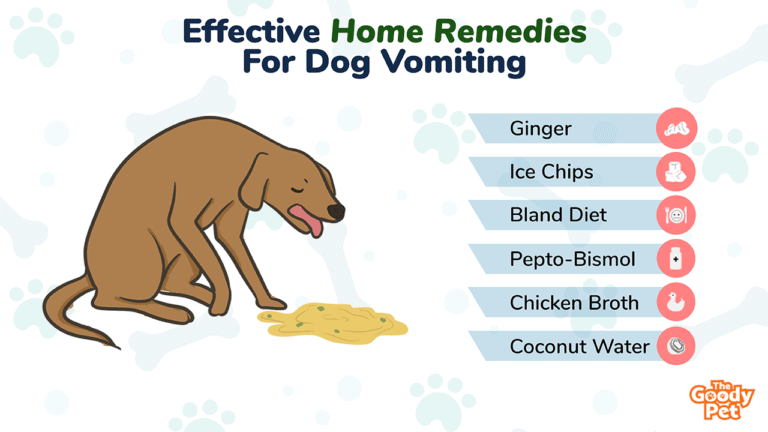
- Try ice cubes for your dog to lick
- For severe cases, your vet might recommend pet-friendly electrolyte solutions
Provide Plenty of Rest
Just like when we’re sick, dogs need extra rest to recover. Limit exercise and excitement for 24-48 hours after vomiting episodes.
Consider Probiotics
Once your dog is keeping food down, probiotics designed specifically for dogs can help restore healthy gut bacteria. Always check with your vet before starting any supplements.
Monitor for Improvement
Keep a close eye on your dog’s behavior and symptoms. They should show signs of improvement within 24 hours of your home care efforts. If they’re not getting better or seem to be getting worse, it’s time to call the vet.
Preventing Future Vomiting Episodes
While you can’t prevent every upset tummy, there are steps you can take to reduce the likelihood of future vomiting:
- Feed a high-quality, balanced diet appropriate for your dog’s age and health status
- Prevent access to garbage and other potential toxins
- Introduce new foods gradually over 7-10 days
- Feed smaller, more frequent meals rather than one or two large ones
- Avoid exercise right after meals
- Keep toxic foods out of reach (chocolate, grapes, raisins, onions, garlic, etc.)
- Stay up-to-date on parasite prevention
- Manage stress and anxiety in your dog’s environment
A Word of Caution About Home Remedies
We all want to help our dogs feel better fast, but be careful with home remedies or over-the-counter medications. Many human medications are toxic to dogs, and even seemingly harmless remedies can sometimes make things worse.
Never give your dog any medication without consulting your veterinarian first.
My Personal Experience
Last summer, my Lab mix, Buddy, got into the trash while I was at work (my fault for leaving it accessible!). I came home to find multiple piles of vomit around the house. After cleaning up the mess, I followed the steps I’ve outlined above:
- I withheld food for about 12 hours
- Kept fresh water available in small amounts
- The next morning, I offered him a small amount of boiled chicken and rice
- Gradually increased his portions over the next day
- By day 3, he was back to his normal, energetic self!
I’ve learned that most single vomiting episodes resolve with simple home care, but I always keep my vet’s number handy just in case.
Frequently Asked Questions
Why did my dog throw up?
Dogs vomit for many reasons ranging from eating something they shouldn’t have to more serious medical conditions. The most common cause is dietary indiscretion (eating garbage, spoiled food, or non-food items).
When should I be concerned and take my dog to the vet?
Be concerned if your dog has vomited multiple times, there’s blood in the vomit, they’re trying to vomit but nothing comes up, they seem in pain, or if they have other concerning symptoms like lethargy or diarrhea. Puppies and senior dogs should see a vet sooner rather than later.
What is the best way to rehydrate my dog after vomiting?
Offer small amounts of water frequently rather than a large bowl all at once. Ice cubes can be helpful for dogs to lick. In severe cases, your vet might recommend special electrolyte solutions.
How long should I withhold food after my dog vomits?
For small dogs or puppies, withhold food for 4-6 hours. For larger, adult dogs, withhold food for up to 12 hours. Always keep water available.
What bland foods can I feed my dog after vomiting?
Good options include boiled chicken with white rice, lean ground meat with rice, plain boiled potatoes, or a small amount of plain yogurt (if your dog tolerates dairy).
Final Thoughts
Dealing with a vomiting dog isn’t fun for anyone, but with the right approach, you can help your pup feel better quickly. Remember that fasting, followed by a bland diet introduced gradually, is the cornerstone of home care for vomiting.
Most importantly, trust your instincts as a pet parent. You know your dog better than anyone, and if something seems seriously wrong, don’t hesitate to seek veterinary care. Your quick action could make all the difference in your dog’s recovery.
Have you dealt with a vomiting dog before? What worked for you? Share your experiences in the comments below!
Disclaimer: While this article provides general guidance, it is not a substitute for professional veterinary advice. Always consult your veterinarian for specific guidance tailored to your dog’s health needs.
Step 3: Prepare for transport
Keep your dog as calm and comfortable as possible during transport to minimize stress. Bring a towel or blanket to protect car seats and provide comfort. For smaller dogs, a carrier lined with absorbent material helps contain any additional vomiting. Let the veterinary team know your estimated arrival time so they can be ready to help your dog when you arrive.
Bloat is a life-threatening emergency where the stomach fills with gas and twists on itself. Large, deep-chested breeds face higher risk, but it can affect any dog. Signs include repeated unsuccessful attempts to vomit, a swollen stomach, restlessness, and rapid decline. Without quick veterinary help, bloat can be fatal within hours. Veterinarians will need to perform imaging to confirm this condition.
Ingestion of household chemicals, certain foods, or medications can cause severe vomiting and potentially damage internal organs. Common toxins include chocolate, grapes, antifreeze, and human medications. Symptoms may include vomiting, drooling, seizures, or collapse depending on the toxin. Quick veterinary care increases the chances of successful treatment.
Top Questions About Dog Vomiting
Dog vomiting becomes serious when it happens multiple times within a few hours, contains blood, or comes with low energy, stomach pain, or bloating. Puppies, senior dogs, and those with health conditions need faster attention as they can get worse quickly. Call a veterinary facility first to confirm they can see your pet and describe what youre seeing clearly.