
Ever been dragged down the street by your enthusiastic pup? Yeah, me too. It’s not exactly the peaceful stroll we imagine when thinking about walking our furry friends. After my lab nearly pulled my arm off chasing a squirrel last year, I decided enough was enough and dove into the world of no-pull harnesses. What I discovered completely changed our walking experience!
What Exactly Is a No-Pull Dog Harness?
A no-pull dog harness is a specialized type of harness designed specifically to discourage your dog from pulling during walks. Unlike traditional collars or basic harnesses, these clever contraptions work by redistributing pressure and redirecting your dog’s momentum when they try to pull.
The beauty of no-pull harnesses is that they use gentle pressure rather than pain to curb pulling behaviors. They’re humane training tools that can make walks more enjoyable for both you and your furry companion.
The Science Behind How No-Pull Harnesses Work
No-pull harnesses use some pretty clever mechanics to discourage pulling. Here’s what’s happening when your dog wears one:
Front Attachment Point
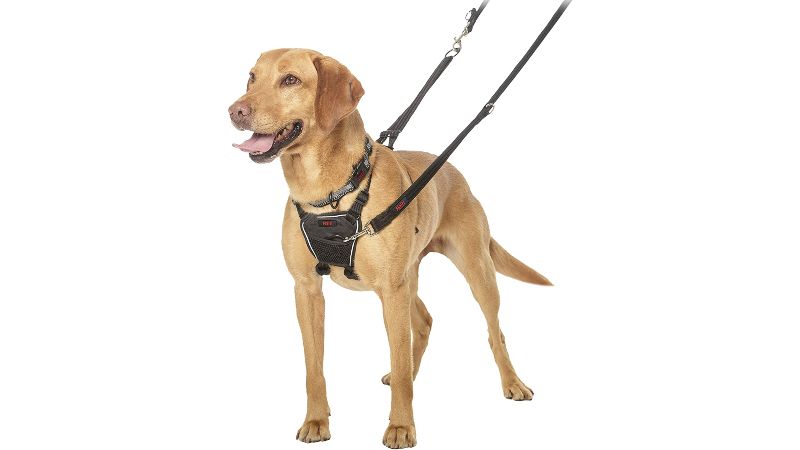
The most important feature of most no-pull harnesses is the front clip where you attach the leash. This is usually a D-ring positioned at the center of your dog’s chest.
When your dog pulls forward with a front-clip harness, something interesting happens:
- The leash attachment point causes them to turn toward you rather than continuing forward
- This automatically redirects their momentum sideways instead of ahead
- It takes advantage of dogs’ natural tendency to give in to pressure
- It prevents them from building momentum and leaning into the leash
As certified animal behaviorist Mary Huntsberry explains “A dog that’s constantly pulling is frustrating for owners who just want to go on a nice leisurely walk.” The front-clip design elegantly solves this problem by working with your dog’s natural movements.
Pressure Distribution
Another key aspect of how no-pull harnesses work is how they distribute pressure
- Traditional collars concentrate all pulling force on your dog’s sensitive throat area
- No-pull harnesses spread pressure evenly across the chest and shoulders
- This makes pulling less comfortable without causing pain
- Some designs include a martingale loop that gently tightens when pulling occurs
This even distribution is especially important for small dogs and brachycephalic (flat-faced) breeds, who can actually damage their throats from excessive pulling with regular collars.
Types of No-Pull Harnesses
There are several different designs of no-pull harnesses on the market
Front-Clip Harnesses
These have a leash attachment point at the front of the dog’s chest. When the dog pulls, the design causes them to be turned to the side rather than allowing them to move forward.
Dual-Clip Harnesses
These versatile options have rings for attaching the leash on both the front and back. As Mikkel Becker, certified dog trainer, points out, “You can clip the leash to adjust to whatever situation you and your dog find yourselves—for example, a crowded sidewalk versus an open green space.”
With dual-clip designs, you can:
- Use both clips simultaneously for maximum control
- Use just the front clip for moderate control
- Graduate to just the back clip as leash manners improve
Head Halters
While not technically harnesses, head halters work on a similar principle. They fit over your dog’s head and muzzle (similar to a horse’s halter) and steer your dog’s head in the direction you want them to go. These are particularly effective for larger, stronger dogs who tend to pull.
Benefits of Using a No-Pull Harness
The advantages of using a no-pull dog harness go beyond just stopping the pulling:
1. Reduces Physical Strain on Both Ends of the Leash
Let’s be honest – being pulled down the street by an enthusiastic dog is exhausting! No-pull harnesses reduce strain on:
- Your arms, shoulders, and back
- Your dog’s throat and trachea
- Both of your enjoyment of walks
2. Helps Prevent Injuries
Traditional collars can cause serious harm when dogs pull regularly:
- Neck injuries
- Tracheal damage
- Eye issues from pressure
- Thyroid problems
A properly fitted no-pull harness eliminates these risks by distributing pressure more evenly across your dog’s body.
3. Better Control of Reactive Dogs
If your dog tends to lunge at distractions like squirrels or other dogs, a no-pull harness gives you much better control.
“No-pull harnesses are excellent for deterring lunging behaviors,” according to training experts. “When a dog tries to lurch forward, the harness automatically turns them back towards you.”
4. Improves Loose Leash Walking Skills
Over time, consistent use of a no-pull harness combined with positive reinforcement helps teach your dog better leash manners overall. As they learn that pulling doesn’t work, they’ll naturally start walking with a loose leash by your side.
Choosing the Right No-Pull Harness for Your Dog
Not all no-pull harnesses are created equal, and finding the right one for your specific dog is important. Here’s what to look for:
Size and Fit
It’s crucial to get a properly sized harness. Measure your dog’s chest girth (the widest part just behind the front legs) and consult sizing charts before purchasing. The harness should be snug but not tight – you should be able to fit two fingers between the harness and your dog’s body.
Comfort Features
Look for these comfort-enhancing features:
- Well-padded chest plates
- Wider straps to distribute pressure
- Cushioning to prevent chafing
- Smooth edges that won’t rub
As experts point out, “A thicker, wider strap is going to better distribute the pressure so it doesn’t cut into your dog’s skin.”
Strength and Durability
The harness needs to be strong enough to handle your dog’s pulling power. This is especially important if you have a large or powerful breed. Look for:
- Sturdy stitching
- Strong hardware
- Durable materials
- Quality construction
Your Dog’s Pulling Habits
Consider how and why your dog pulls:
- Is she a constant puller?
- Does she only pull at certain stimuli?
- Is she reactive to other dogs?
- How strong is she?
The answers to these questions will help determine which style of no-pull harness will work best.
Using a No-Pull Harness Effectively
Simply putting a no-pull harness on your dog won’t magically solve all pulling issues. Here’s how to use it effectively:
Introduce the harness gradually with positive reinforcement:
- Let your dog sniff and explore the harness before putting it on
- Use treats and praise to create positive associations
- Start with short periods of wearing it around the house
- Check the fit before each walk
Consistent Training
Combine the harness with training techniques:
- Stop walking immediately when your dog pulls
- Only move forward when there’s slack in the leash
- Reward good leash behavior with treats and praise
- Keep initial training walks short and upbeat
As one professional trainer notes: “The key to success with a no-pull harness is consistency and patience. It may take some time for your dog to adjust to the harness, but with positive reinforcement and practice, you will see a noticeable improvement in their walking behavior.”
Mental and Physical Stimulation
A dog with pent-up energy is more likely to pull on walks. Make sure your dog gets adequate:
- Play time at home
- Mental stimulation from toys and games
- Appropriate things to chew on
- Interactive toys that dispense treats
“You want to give your dog mental and physical stimulation at home,” explains Huntsberry. “That may help her expend energy so she feels less of a need to pull when she gets outside.”
Common Concerns About No-Pull Harnesses
Let’s address some frequent questions dog owners have about these harnesses:
Will a no-pull harness hurt my dog?
No, a properly fitted no-pull harness shouldn’t cause any pain or discomfort. They’re designed to provide gentle feedback, not punishment.
How long will it take before my dog stops pulling?
This varies by dog. Some respond quickly within a few walks, while others may take weeks of consistent training. The harness is a tool to help with training, not an instant fix.
Can I use a no-pull harness on a puppy?
Yes! It’s actually ideal to start leash training with a no-pull harness while your pup is young. Just be sure to get one that fits properly and is appropriate for their size.
Can I leave the harness on all day?
Nope, that’s not a good idea. Remove the harness when not in use to prevent irritation, chafing, or your dog chewing on it.
Trends in No-Pull Harness Technology
The world of no-pull harnesses continues to evolve with some cool new trends:
Customizable Options
Many companies now offer customizable harnesses tailored to your dog’s specific measurements and needs. This provides a more personalized and comfortable fit.
Eco-Friendly Materials
With growing environmental awareness, eco-friendly no-pull harnesses made from recycled or sustainable materials are becoming more popular.
Reflective Features
Safety-focused designs now include reflective materials to increase visibility during nighttime walks. This helps both you and your dog be seen by passing vehicles.
Multi-Purpose Designs
Some harnesses now include additional features like:
- Built-in pockets for treats
- Storage for waste bags
- Attachment points for backpacks
- Water-resistant materials for rainy climates
Final Thoughts: A Tool, Not a Magic Solution
I’ve personally seen amazing results with my dog using a no-pull harness, but I want to emphasize that it’s a training tool, not a magic solution. The combination of the right harness plus consistent positive reinforcement training is what creates lasting results.
As with any training method, patience and consistency are key. It might take some time for your dog to adjust to the new harness and learn appropriate walking behavior, but the effort is so worth it!
Walking your dog should be an enjoyable experience for both of you. With the right no-pull harness and a bit of training, those frustrating leash-pulling battles can become a thing of the past. Before you know it, you’ll be enjoying peaceful strolls with your four-legged friend walking politely by your side!
Have you tried a no-pull harness with your dog? What was your experience like? I’d love to hear about it in the comments below!
The Ultimate Guide to No-Pull Dog Harnesses
Walking your dog should be an enjoyable experience for both you and your pup. However, if your dog tends to pull on the leash, walk time can quickly become frustrating and even painful. This is where a no-pull dog harness can help.
What is a No-Pull Dog Harness?
A no-pull dog harness is a specialized type of harness designed to deter your dog from pulling during walks. Unlike traditional collars or basic harnesses, no-pull harnesses discourage pulling by redirecting your dogs forward motion.
When your dog attempts to pull on a no-pull harness, the harness gently tightens around your dogs chest or shoulders. This causes your dog to turn back towards you rather than continuing to pull forward. No-pull harnesses use pressure, not pain, to curb pulling.
No-pull harnesses work by eliminating your dogs ability to build momentum when pulling. They take advantage of the natural tendency for dogs to give in to pressure and discourage them from leaning into the leash. There are many different types to choose from including no pull mesh harnesses, cooling harnesses, and more.
Benefits of No-Pull Dog Harnesses
Do you dread taking your dog for walks because he pulls relentlessly on the leash? Are your arms sore and shoulders strained from trying to control your strong dog? Youre not alone. Many dog parents struggle with leash pulling, which can make exercise and quality time together unpleasant for both pet and parent.
The good news is that a simple solution exists – the no-pull dog harness. This specialized type of harness is designed to deter your dog from pulling by gently redirecting their forward motion.
No-pull harnesses offer many benefits, making them an excellent training tool and walking aid for dogs and owners alike. Keep reading to learn all about the perks of using a no-pull harness for your precious pooch.
Reduce Strain on Your Body
Lets not forget the humans on the other end of the leash! Having a strong, large breed dog constantly pulling on walks can result in some major upper body soreness. Even smaller dogs can strain your arms, shoulders, and back with their pulling.
By deterring your dog from pulling, a front-clip harness reduces the strain on your body substantially. Youll no longer have to engage in a tug-of-war just to get down the block. This helps prevent injuries to both your arms and back.
Deter Lunging at Distractions
Dogs dont only pull constantly on walks – some react intensely when they spot something exciting like a squirrel or another dog. Their instinct is to lunge forward on the leash towards the distraction.
No-pull harnesses are excellent for deterring lunging behaviors. When a dog tries to lurch forward, the harness automatically turns them back towards you. This gives you greater control over reactive dogs.
Improve Loose Leash Walking
Of course, the main goal of a no-pull harness is to teach your dog better leash manners overall. While it controls pulling in the moment, consistent use also aids long-term leash training.
As your dog learns that pulling is no longer rewarding, they begin to walk more politely on a loose leash by your side. The harness helps reinforce that only slack leash gets to move forward.
Better Control of Large Dogs
Big dogs understandably require more strength to control when they are pulling on the leash. No-pull harnesses give owners much-needed extra leverage over large, powerful breeds like huskies or boxers who tend to pull hard. Check out the Complete Control Harness at Canada Pooch for help with no-pull walks.
The front clip on the harness lets you easily steer even very muscular dogs back towards you. This provides better handling for people who may be smaller than their canine companion.
As you can see, incorporating a no-pull dog harness into your walks offers huge benefits for both you and your pup! They create an all-around more pleasant, controlled, and safe walking experience while avoiding injuries.
If leash pulling is an ongoing issue with your pup, consider investing in one of these special harnesses. Combine it with consistent positive reinforcement training for best results. In no time, youll be enjoying your strolls together rather than dreading them.
How No-Pull Dog Harnesses Work
There are a few key features that enable no-pull harnesses to deter pulling:
Front Attachment Point
The most important feature of a no-pull harness is the front clip where you attach the leash. On a standard harness, the leash attaches to the dogs back. This allows them to easily surge forward when pulling since the force comes from behind.
With a front clip, the leash attaches to a ring on the front of the harness near your dogs chest. When they pull forward, the harness steers them into a curved path back toward you.
This automatically turns your dog away from whatever is triggering the pulling. Redirecting forward motion prevents your dog from moving in the direction they want to go.
Choosing the Right No-Pull Dog Harness
- Size and Fit –Its crucial to get the proper-sized harness so it fits your dogs body correctly. Measure your dogs chest girth and consult sizing charts. Make sure the harness doesnt rub or restrict movement.
- Comfort –Look for well-padded chest plates and shoulder straps to prevent irritation. Check that straps dont dig in or chafe your dog when pulling occurs.
- Strength –The harness needs to be sturdy enough to stand up to your dogs pulling without breaking.
- Your Dogs Pulling Habits –Factor in whether your dog is a constant puller or only pulls at certain stimuli. This will determine if you need a head halter design or a simple front clip harness.
Correctly Using a No-Pull Dog Harness
Simply putting a no-pull harness on your dog wont solve leash pulling on its own. Proper training is still required to teach loose-leash walking. Here are some tips:
- Introduce the harness slowly with positive reinforcement to create a good association. Have your dog wear it for short periods to get accustomed to it before walks.
- Make sure the harness is correctly fitted each time before walks to maximize its effectiveness. Check all straps and buckles.
- Keep initial walks short and upbeat when introducing your dog to the harness. Dont let them get frustrated.
- Bring high value treats on walks to reward good leash behavior near distractions. mark and reward any slack in the leash.
- Stop immediately when your dog starts pulling so they learn that pulling stops forward progress.
- Be patient and consistent. It takes time for dogs to overcome pulling habits.
Proper conditioning paired with the right no-pull harness can help end leash pulling for good! But have realistic expectations – very driven pullers may require more intensive training.
Investing in a properly fitted no-pull harness, combined with consistent positive reinforcement training on the leash, can provide a long-term solution to make walks enjoyable for you and your dog. No-pull harnesses allow you to manage to pull comfortably and securely as you continue training. While not a magic fix, they are invaluable for redirecting your dogs energy and teaching polite leash manners over time. With the right harness and dedication to training, youll be on your way to relaxed strolls around the neighborhood.
We use first-party and third-party cookies to understand the uses of our online store and to be able to improve it and to adapt the content to your preferences. For more information, please consult our Privacy Policy.
How does a no pull harness for dogs work – 4XPAW Review
FAQ
Do no pull dog harnesses actually work?
Why does my dog still pull with a no pull harness?
They are pulling, because it’s still working for them, and the discomfort caused by the collar or no-pull harness does not override their desire to explore their environment.
How does an anti-pull harness work?
No-pull dog harnesses work by shifting the force of pulling from the neck to the chest and shoulders.May 8, 2024