
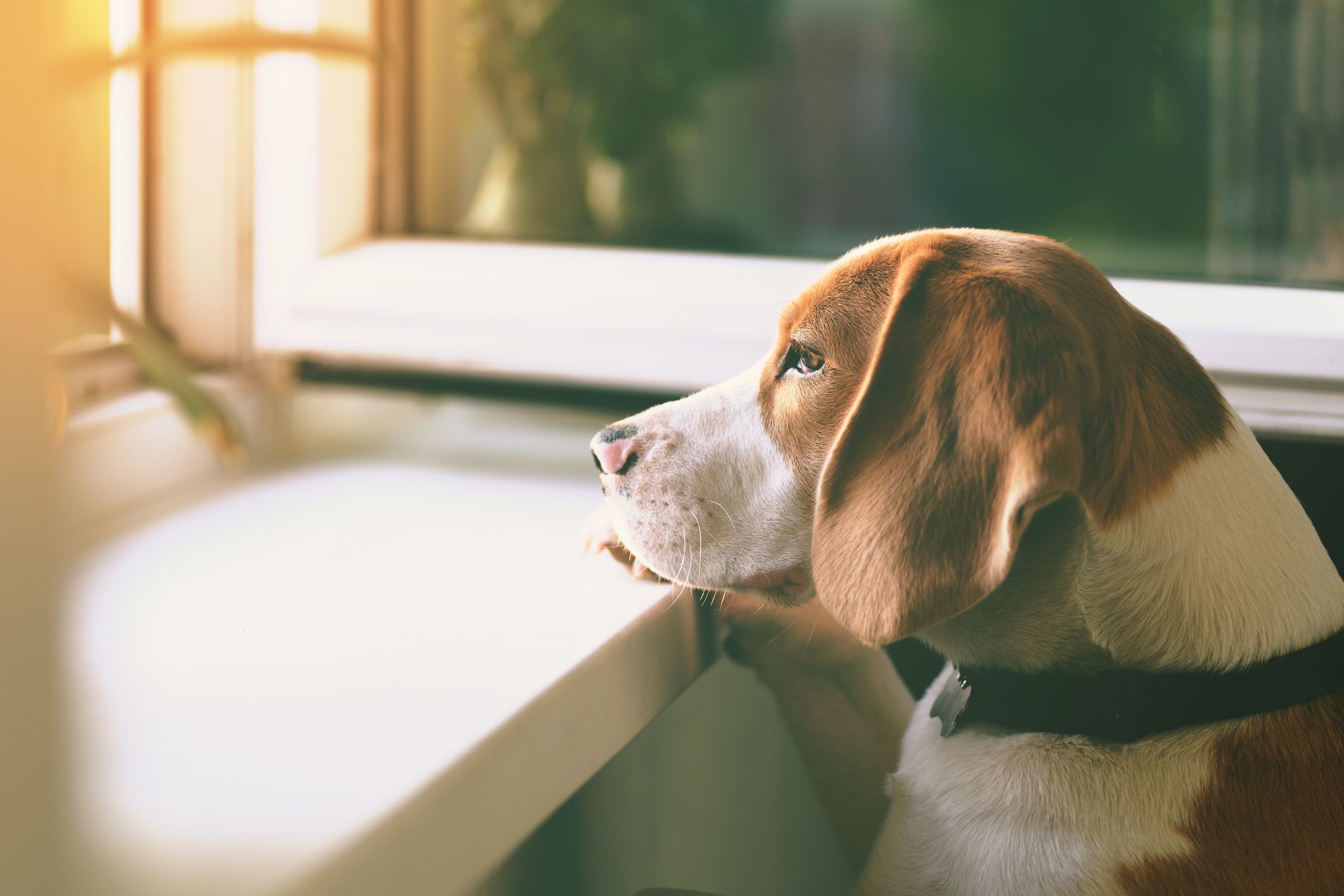
From wagging their tail when you walk in the door to following you from room to room, dogs love to show their loyalty when their favorite person (we’re talking about you!) is around. As much as we want to hang out 24 hours a day with our best friend, the reality is all furry friends inevitably spend time alone. When you leave for the day, you might sometimes wonder, “do dogs get lonely?” Yes, dogs can feel lonely, but there are many ways to help them overcome it!
Have you ever come home to find your favorite pair of shoes chewed to bits or noticed your usually playful pup seems more like a couch potato lately? Your furry friend might be trying to tell you something important – they’re feeling lonely!
As a dog owner for over 10 years, I’ve seen the subtle (and sometimes not-so-subtle) ways our canine companions express their emotions. Dogs are incredibly social creatures who have evolved alongside humans for thousands of years. They’re not just pets; they’re family members who crave connection and companionship.
In this comprehensive guide, I’ll share everything you need to know about identifying loneliness in your four-legged friend and practical ways to help them feel connected again.
Do Dogs Actually Get Lonely?
The short answer? Absolutely!
Dogs experience a range of emotions similar to human toddlers. They feel happiness, sadness, jealousy, anger, and yes – loneliness. According to animal behavior experts, dogs evolved to be by our side – whether hunting, working in fields, or simply relaxing by the fire. This deep-rooted companionship drive means they genuinely miss us when we’re gone.
Think about it – we’re not just their playmates; we’re their entire world! We provide food, exercise, access to the outdoors, and all the belly rubs they could want. When that connection gets disrupted, especially after periods of constant togetherness (like during a pandemic), our pups can definitely experience loneliness.
11 Signs Your Dog Might Be Feeling Lonely
Let’s explore the key behaviors that might indicate your dog is experiencing loneliness:
1. Noticeable Changes in Behavior
One of the first signs that something’s off with your furry friend is a shift in their typical behavior patterns. If your normally energetic pup suddenly seems withdrawn or uninterested in activities they usually love, this could be a red flag.
My neighbor’s golden retriever, Buddy, went from being the neighborhood social butterfly to barely acknowledging visitors when his owner started a new job with longer hours. Dogs are creatures of habit, and these sudden changes often indicate something’s wrong.
2. Excessive Barking or Whining
That non-stop “woofing” or high-pitched whining might be more than just annoying – it could be your dog’s attempt to call out for companionship! Dogs often use vocalization to express their feelings and a sudden increase in barking (especially when you’re not home) can be their way of saying “Hey, I miss you!”
3. Destructive Behavior
Coming home to destroyed furniture, chewed shoes, or dug-up houseplants? Your dog might be channeling their loneliness into destructive habits. This behavior usually stems from boredom and anxiety when left alone for extended periods.
My own dog once tunneled through an entire sofa cushion while I was at work – it wasn’t because she suddenly developed a hatred for my décor choices! She was simply looking for ways to occupy her mind and release pent-up energy
4. Loss of Appetite or Overeating
Just like humans might lose interest in food when feeling down, dogs can show their emotional distress through changing eating patterns. Some lonely dogs push away their food bowls, while others might overeat for comfort. If you notice your dog’s weight fluctuating or meal-time enthusiasm waning, loneliness could be a factor.
5. Excessive Sleeping or Lethargy
Is your once-active pooch suddenly sleeping the day away? While dogs do sleep a lot (12-14 hours daily is normal), a significant increase in napping or general lethargy might signal they’re feeling blue. Think of loneliness as a heavy blanket – some dogs simply withdraw and sleep more to pass the time when feeling disconnected.
6. Pacing or Restlessness
On the flip side, some dogs respond to loneliness with anxious energy. If your dog seems unable to settle down, constantly pacing or circling your home, they might be physically expressing their emotional discomfort. This restlessness often resembles searching behavior – almost like they’re looking for their missing companion (you!).
7. Excessive Clinginess
Does your dog suddenly follow you EVERYWHERE – even to the bathroom? This shadow-like behavior often develops when dogs fear being left alone again. If your pup sticks to you like velcro whenever you’re home, pawing at you constantly, or demanding non-stop attention, they may be trying to fill the emptiness they felt while you were away.
8. Loss of Interest in Toys or Activities
A lonely dog might ignore toys or games they once loved. If your dog no longer greets you with their favorite tennis ball or seems uninterested in their usual play routines, it could indicate they’re feeling disconnected. This isn’t just boredom – it can be a sign of deeper emotional distress.
9. Regression in House Training
This one’s frustrating, but important to recognize: a perfectly house-trained dog suddenly having accidents indoors might be showing signs of emotional distress. Stress and loneliness can disrupt your dog’s routine and lead to house-training lapses. Instead of assuming they’re being defiant, consider it might be a cry for help.
10. Excessive Licking or Grooming
Have you noticed your dog obsessively licking or chewing at their paws or fur? This self-soothing behavior is similar to humans biting their nails when anxious. Excessive grooming can even lead to “hot spots” or bald patches. If your dog seems fixated on grooming themselves more than usual, it could be their way of coping with lonely feelings.
11. General Depression
Yes, dogs can actually become depressed! A depressed dog often shows a combination of the above symptoms plus a general “flatness” to their personality. Their eyes might lack their usual sparkle, and they simply seem like a sadder version of their normal self.
7 Effective Ways to Help Your Lonely Dog Feel Connected
Now for the good news – there are plenty of ways to help your lonely pup feel loved and connected again! Here are my favorite strategies that have worked wonders for my own dogs and those of my friends:
1. Increase Quality Time Together
This one’s simple but powerful – when you are home, make your time together count! Even short but focused play sessions, training exercises, or just cuddling on the couch can make a huge difference to your dog’s emotional wellbeing.
I’ve found that a 15-minute focused play session with my dog actually seems more beneficial than being in the same room for hours while I’m distracted with work or scrolling on my phone.
2. Provide Mental Stimulation
Boredom amplifies loneliness, so keep your dog’s mind engaged! Interactive toys, puzzle feeders, and chew toys can provide crucial mental stimulation while you’re away.
My go-to solution is filling a rubber toy with peanut butter and freezing it – this keeps my pup busy for ages! Remember that chewing is natural anxiety relief for dogs, so appropriate chew toys can help them cope with stress.
3. Create a Comfort Zone
Make your dog’s alone space feel safe and inviting. Whether it’s a dedicated dog room, a crate, or just their favorite corner of the house, fill it with:
- Comfortable bedding
- A piece of clothing with your scent
- Favorite toys
- Calming music or TV noise
Some dogs even benefit from white noise machines or specially designed dog music that helps mask outside sounds that might trigger anxiety.
4. Consider a Dog Walker or Daycare
Breaking up long periods alone can make a world of difference. Consider hiring a dog walker for midday outings or enrolling your pup in doggy daycare a few days a week. The physical exercise and social interaction can dramatically improve your dog’s mood.
One of my clients saw complete transformation in her anxious Labrador after just two weeks of twice-weekly daycare visits!
5. Gradual Departure Training
If your schedule is changing (like returning to the office after working from home), help your dog adjust gradually:
- Practice your departure routine without actually leaving
- Start with short absences (5-10 minutes)
- Gradually increase time away
- Don’t make a big deal about leaving or returning
- Associate your departure with something positive (like a special treat)
6. Consider a Canine Companion
While getting a second dog isn’t the right solution for everyone, some dogs truly thrive with a furry friend. Before adding another pet, consider:
- Does your dog generally enjoy other dogs?
- Do you have the time and resources for another pet?
- Would your living situation accommodate another animal?
- Would your current dog’s personality mesh well with a companion?
7. Technology to the Rescue
We live in an amazing time for pet parents! Consider tech solutions like:
- Pet cameras that let you check in and even dispense treats
- Two-way audio systems so your dog can hear your voice
- Automatic ball launchers for self-directed play
- Smart feeders for routine mealtimes
When to Seek Professional Help
While loneliness is common and often manageable with the strategies above, sometimes dogs need extra support. Consider consulting your veterinarian or a certified animal behaviorist if:
- Your dog’s symptoms are severe or worsening
- They show signs of self-harm (excessive licking causing wounds, etc.)
- Behavior changes are extremely sudden
- Home strategies aren’t helping after several weeks
- You suspect true separation anxiety (panic when you leave, not just sadness)
Your vet can rule out medical causes and might recommend training resources or even medication in severe cases.
Final Thoughts
Understanding and addressing loneliness in our dogs isn’t just about preventing destroyed furniture or excessive barking – it’s about honoring the incredible bond we share with these amazing animals who have literally evolved to be our companions.
Remember, your dog isn’t trying to punish you by acting out when alone – they simply miss their best friend! With patience, understanding and the strategies we’ve discussed, you can help your furry friend feel secure and content even when you can’t be together 24/7.
Have you noticed signs of loneliness in your dog? What strategies have worked best for you? I’d love to hear your experiences in the comments below!
How to Manage Loneliness in Dogs
Not only is alone time beneficial for you and your furry friend, but dogs can even learn to enjoy the time apart! Here are a few ways you can keep your best friend feeling content throughout the day.
#1: Increase Quality Time Together
Dogs need socialization, and one of the best ways to do that is through bonding activities! You can try outdoor activities with your dog like walking and biking or adding training sessions to your routine. You don’t necessarily have to be together more often, but make sure you give your pup plenty of attention when you are around. Plus, a tired pup is likely to just sleep when you’re gone.
7 Signs Your Dog Is Lonely
FAQ
How do I know if my dog needs a companion?
- Your dog loves other dogs. Dogs enjoy having companionship throughout the day, whether for playtime or just cuddling. …
- Your dog has a lot of energy. …
- Your dog seems bored. …
- Your dog is overly attached. …
- Your dog hates to be alone.
How to tell if dogs are lonely?
Signs of Loneliness: A lonely dog may exhibit behaviors such as excessive barking, destructive chewing, or withdrawal. They might also show signs of anxiety when left alone.
Does a single dog get lonely?
Yes, some dogs can get lonely without another dog, as they are inherently social pack animals that thrive on companionship and can experience loneliness, boredom, and anxiety if left alone too often. Loneliness can manifest as destructive behavior, excessive barking or howling, lethargy, clinginess, and changes in appetite. However, the need for a companion varies by individual dog, influenced by their socialization, personality, and history, with some dogs preferring quiet time and others needing constant company.
What is the 3-3-3 rule for dog anxiety?
The 3-3-3 rule for dogs is a guideline outlining the typical adjustment period for a rescue dog after adoption, broken into three phases: 3 days of feeling overwhelmed and nervous, 3 weeks of settling into a routine and showing their personality, and 3 months of feeling truly at home, trusting, and bonding with their new family. This rule provides a helpful framework for new owners to set realistic expectations and be patient, as the timeline can vary for each dog.