
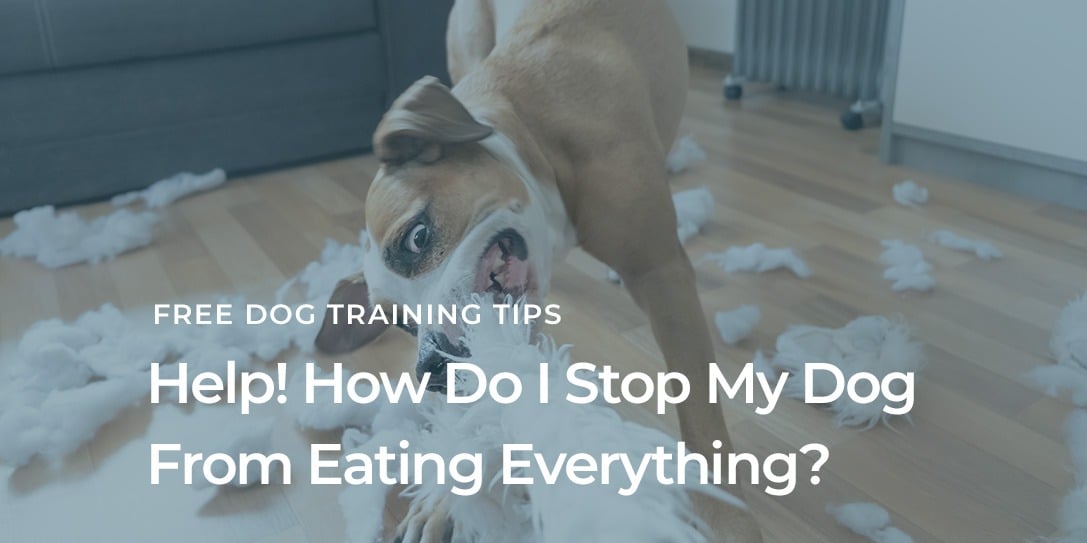
It’s easy to get frustrated when your puppy chews up your expensive Italian shoe or gnaws on the legs of your furniture—especially when he’s seemingly ignoring all the toys you’ve bought him. But don’t get mad or discouraged. A chewing puppy is completely normal, and, although it can drive you crazy, this behavior is simple to fix.
Is your puppy turning your home into an all-you-can-eat buffet? Trust me, I’ve been there! My little furball once tried to devour my expensive Italian shoe (just one of them, naturally) and I nearly lost my mind. But here’s the good news – this frustrating behavior is completely normal AND totally fixable.
In this comprehensive guide, I’m sharing all the strategies that worked for me and countless other overwhelmed puppy parents. We’ll explore why puppies eat everything in sight and give you practical solutions to save your belongings (and your sanity).
Why Does My Puppy Eat Everything? Understanding the Root Causes
Before we jump into solutions, it’s important to understand why your puppy has transformed into a vacuum cleaner with teeth. There are actually several reasons behind this behavior:
1. Teething Discomfort
Puppies lose their baby teeth between 12 weeks and 6 months old. During this time, they’re growing from 28 puppy teeth to a full set of 42 permanent teeth! This process can be painful, and chewing helps relieve their discomfort. Your slippers become unfortunate casualties in their search for relief.
2. Natural Exploration Method
Unlike humans with hands, puppies explore the world through their mouths. Putting objects in their mouths gives them vital information about texture, taste, weight, and consistency. It’s basically their way of “touching” things!
3. Play and Entertainment
Sometimes, your puppy chews things simply because it’s fun! Once they discover the leg of your coffee table is entertaining to gnaw on, they’ll return to it whenever they’re bored
4. Potential Nutritional Issues
In some cases, puppies may eat non-food items due to a condition called pica, which could indicate nutritional deficiencies. For example, eating rocks might suggest a calcium deficiency.
Is This Normal Behavior or Something Concerning?
The short answer: It’s usually normal! Most puppies go through this exploratory phase, and many grow out of it with proper training and maturity. However, repeatedly eating non-food items (called pica) can be problematic and may require veterinary attention, especially if your puppy is obsessively eating rocks, dirt, or other non-digestible materials.
Now, let’s get to the solutions you’ve been waiting for!
15 Effective Ways to Stop Your Puppy from Eating Everything
1. Puppy-Proof Your Home Like a Pro
This is probably the most important step! Create a safe, confined area for your puppy using a dog gate or wire pen. Remove anything you don’t want chewed or eaten. This isn’t just about protecting your stuff—it’s about keeping your puppy safe from potential hazards.
Pro tip: Get down on your hands and knees to see your home from your puppy’s perspective. You’ll be amazed at what you missed at eye-level!
2. Provide Appropriate Chew Toys
Your puppy NEEDS to chew, so give them appropriate options. Choose toys that are:
- The right size for your puppy’s mouth
- Various textures and materials
- Different colors (yes, this matters!)
- Appropriate hardness (never harder than your dog’s teeth)
KONG toys and Nylabone puppy chews are excellent options that have saved countless furniture legs over the years.
3. Rotate Toys Regularly
Puppies get bored easily! I keep a stash of toys and rotate them every few days to maintain interest. A toy that’s been “away” for a week suddenly becomes the most exciting thing ever when it reappears.
4. Master the “Leave It” Command
This is a life-saving command that deserves your attention:
- Start indoors in a controlled environment
- Hold a treat in your closed hand and say “leave it”
- Wait until your puppy stops trying to get it
- Reward with a DIFFERENT treat from your other hand
- Practice consistently, gradually increasing difficulty
5. The Art of Distraction and Redirection
When you catch your puppy munching on something inappropriate:
- Get a favorite toy (squeaky toys work best for grabbing attention)
- Play with it enthusiastically yourself
- When your puppy drops the forbidden item to investigate your toy, make the swap
- Remove the inappropriate item later when they’re not paying attention
This works WAY better than chasing them around, which turns it into a fun game from their perspective!
6. Provide Mental Stimulation
A bored puppy is a destructive puppy! Provide mental enrichment through:
- Puzzle toys
- Snuffle mats
- Training sessions
- Socialization opportunities
Just 15 minutes of mental stimulation can tire a puppy out more than a 30-minute walk!
7. Consistent Supervision is Key
I can’t stress this enough—never let your puppy roam unsupervised during this phase. Use a crate or playpen when you can’t actively watch them. Remember the golden rule of puppy training: if they can’t be supervised, they need to be confined safely.
8. Use Taste Deterrents Strategically
For immovable objects like furniture legs or baseboards, try using taste deterrents like bitter apple spray. These create a negative association with the object itself, not with you, which is crucial. Just make sure there are plenty of appropriate chew toys nearby as alternatives.
9. Address the Outdoor Eating Challenge
If your puppy is eating everything OUTSIDE (grass, rocks, sticks), try these approaches:
- Keep walks structured with a short leash initially
- Practice the “leave it” command outdoors after mastering it inside
- Bring high-value treats to reward good behavior
- Consider a basket muzzle for severe cases (temporary solution)
10. Check Their Diet
Sometimes puppies eat strange things because they’re missing nutrients in their diet. Ensure you’re feeding high-quality puppy food appropriate for their age, size, and breed. When in doubt, consult your vet about proper nutrition.
11. Never Use Punishment
I made this mistake once and regretted it immediately. Yelling or physical punishment only damages your relationship with your puppy and can make the problem worse! Focus on positive reinforcement and management instead.
12. Exercise Appropriately
A tired puppy is less likely to get into trouble. Make sure your puppy gets age-appropriate exercise. For young puppies, this means several short play sessions throughout the day rather than one long walk.
13. Be Patient with Poop Problems
If your puppy is eating poop (gross but common!), pick it up immediately. This phase usually passes as puppies mature, but consistent cleanup and supervision are key until then.
14. Special Attention During Teething
When your puppy is teething, try special strategies:
- Frozen washcloths (supervised only!)
- Frozen KONG toys filled with peanut butter
- Puppy-specific teething toys
15. Know When to Call the Vet
If your puppy swallows something dangerous, don’t wait! Call your vet immediately. Signs that warrant immediate attention include:
- Vomiting
- Lethargy
- Hard, tight stomach
- Loss of appetite
- Difficulty pooping
Will My Puppy Outgrow This Phase?
Good news! Most puppies do outgrow their need to eat everything as they mature. However, proper training during this phase is crucial. Without guidance, some dogs develop lifelong habits of inappropriate chewing.
Most puppies show significant improvement by 6-8 months of age when teething is complete, though some high-energy breeds may take longer to settle down.
My Personal Experience: What Finally Worked
When my lab puppy wouldn’t stop eating rocks in the backyard, I was at my wit’s end. What finally worked was a combination approach:
- I dedicated 15 minutes every day to “leave it” training
- I used a long training lead in the yard so I could redirect quickly
- I scattered his favorite toys throughout the yard
- I added calcium supplements to his diet (with vet approval)
- I filled a KONG with frozen peanut butter for supervised outdoor time
Within 3 weeks, the rock-eating stopped completely! It wasn’t one magic solution—it was consistency with multiple approaches.
Final Thoughts: Patience is Your Best Friend
Remember, your puppy isn’t trying to drive you crazy (even though it might feel that way sometimes!). They’re just being puppies, exploring their world the only way they know how. With consistent training, appropriate alternatives, and lots of patience, this challenging phase will pass.
The best advice I can give? Take lots of pictures during this frustrating time. One day, you’ll look back on these “Destructo-Puppy” days and laugh… I promise!
Have you found other effective ways to stop your puppy from eating everything? Share your experiences in the comments below!
Disclaimer: Always consult your veterinarian if you’re concerned about your puppy’s behavior or if they’ve ingested something potentially harmful.
It’s Natural Seeking Behavior
Puppies are very curious and eager to explore new things. And because they don’t have hands, the best way to investigate is to put something in their mouth and chew on it. This gives your puppy information about taste, texture, weight, and consistency of their new find.
Puppy-Proof Your Home
While we want our puppies to explore and play, we also need to keep them safe. It’s critical that we make it easy for puppies to learn what objects are fair game for play and keep them out of danger. This can easily be done by puppy-proofing your home.
The easiest way to puppy-proof your home is to dedicate a dog-safe area. This can be a small room or confined area within your home that is blocked off with a dog gate or wire pen. No items should be kept in that space that you don’t want the puppy to get into. Whenever the puppy can’t be actively supervised, he should be safely confined to this area.
Your dog’s designated area should be filled with dog-safe enrichment. This includes:
- Comfortable bedding
- A crate
- A water bowl
- Toys
Dog-proofing is also an important step if you adopt an older dog, as a new environment can spark his curiosity and lead to bad chewing habits.
Dog Training Tips for Puppies That Eat Everything
FAQ
How do I get my Dog to stop eating everything?
To get your dog to stop eating everything, work on teaching him the skills ‘drop it’ and ‘leave it’. These skills are essential for all dogs and can be lifesaving in some situations. An exchange game is a game where your dog learns to trade what he’s got for what you’ve got, which can also help in this regard.
How to teach a puppy to stop eating everything?
To teach a puppy to stop eating everything, work on drop it and leave it games. Both ‘drop it’ and ‘leave it’ are essential skills for all dogs to learn. They can be lifesaving in some situations and are the best way to help your puppy stop eating everything.
How do you train a dog not to eat?
Part of your pup’s basic training should include teaching it not to eat or chew anything other than its toys, food, or treats. Most puppies outgrow indiscriminate munching, but if your pup continues to vacuum up anything that hits the floor: Puppy-proof your home. It could save you veterinary bills—and your pet’s life. Keep an eye on your pup.
At what age does a puppy stop eating everything?
Do puppies grow out of eating everything off the ground?
The good news is that most puppies will outgrow this desire to a certain extent, but before you get your hopes up too much, it’s important to understand that it will not go away entirely.
Do puppies outgrow pica?
That’s part of their normal behavior, and most grow out of the phase, said Karwacki. Older dogs who develop pica will likely need intervention. Pet parents can help their pups from a young age by training and teaching them what is appropriate to chew.
How do you break a puppy’s food obsession?
Training your dog to wait patiently for their meal can work wonders. Start with basic commands like “sit” and “stay” before feeding them. Gradually introduce “leave it” for situations where they might grab food impulsively. Always reward calm, obedient behavior with praise or non-food rewards.