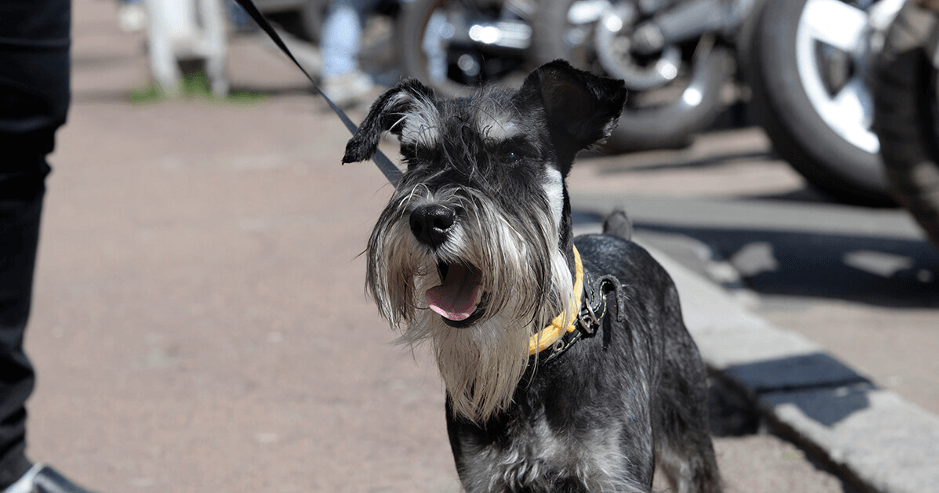
Although dogs dont speak like humans, they have their own way of communicating and make many different sounds in different situations, particularly if they are feeling nervous. You may hear your pooch howling, whining, whimpering, barking and growling – and some dogs even purr!
With time, youll soon get to know what your pooch is saying – and all sounds have different meanings. For example, some common doggy phrases include:
Does your peaceful neighborhood stroll suddenly turn into a barking frenzy when a stranger appears? You’re not alone! Many dog owners struggle with this common behavior issue. After countless embarrassing encounters and frustrated neighbors I’ve gathered the most effective strategies to help your four-legged friend become more welcoming (or at least quieter) around new people.
Why Does My Dog Bark at Strangers?
Before tackling the solution, it’s important to understand why your dog barks at strangers in the first place. Dogs don’t just bark to annoy us – there’s usually a legitimate reason behind their vocal outbursts.
Common Reasons for Barking at Strangers:
- Territorial Barking: Your dog is protecting their home and family
- Fear or Anxiety: Strangers represent unknown potential threats
- Protective Instinct: They’re trying to alert you to possible danger
- Excitement: Some dogs just get overly stimulated by new people
- Lack of Socialization: Limited exposure to different types of people
As a dog owner for over 15 years, I’ve seen firsthand how different dogs bark for different reasons. My Corgi used to bark out of excitement, while my neighbor’s German Shepherd barks from a protective instinct. Understanding your dog’s specific motivation is the first step toward addressing the problem.
The Science Behind Your Dog’s Behavior
There’s actual science behind why dogs bark at strangers. When a dog feels protective of their home and family, they engage in what experts call “territorial barking.” This is a natural instinct for dogs – they’re simply trying to warn potential threats to stay away.
When your dog sees a stranger, their brain processes whether this person represents a threat. If they decide yes (which happens often without proper training), the barking begins. This is your dog’s way of saying, “Stay back! This is my territory!”
How to Stop Your Dog from Barking at Strangers
Now for the part you’ve been waiting for – practical solutions to stop the barking! These techniques have been tested and proven effective by dog trainers, behaviorists, and countless dog owners.
1. Start with Basic Obedience Training
Before addressing specific barking issues, make sure your dog understands basic commands like “sit,” “stay,” and “quiet.” This establishes you as the leader and gives your dog structure.
Pro Tip: The “quiet” command is particularly useful. To teach it:
- Wait for your dog to bark
- Say “quiet” in a calm, firm voice
- When they stop barking (even for a moment), immediately reward them
- Repeat consistently until they understand the command
2. Use Positive Reinforcement Techniques
Modern dog training emphasizes rewarding good behavior rather than punishing bad behavior. As a certified dog trainer noted, “Positive reinforcement is a powerful tool in training dogs. By rewarding them for remaining calm and quiet around strangers, you’re reinforcing the behavior you want to see.”
When your dog sees a stranger and remains calm:
- Immediately offer a high-value treat
- Provide verbal praise in an excited tone
- Give physical affection if they enjoy it
The key is timing – reward them BEFORE they start barking for maximum effectiveness.
3. Practice Desensitization and Counterconditioning
These fancy terms simply mean gradually exposing your dog to what triggers their barking while creating positive associations.
Step-by-Step Process
- Start at a distance where your dog notices strangers but doesn’t bark
- When they see a stranger and stay quiet, reward them
- Gradually decrease the distance over multiple sessions
- Eventually, have strangers offer treats (under your supervision)
I tried this with my rescue dog who would bark frantically at delivery people. We started by watching them from our window, and after a few weeks, she could calmly observe them from our front porch without a peep!
4. Implement the “Look at That” Game
This clever training technique teaches your dog to look at strangers and then look back at you for a reward It’s super effective for changing their emotional response.
How to Play:
- When you spot a stranger at a distance, say “look at that”
- The moment your dog looks at the stranger, click a clicker (or use a marker word like “yes”)
- When they look back at you, give them a treat
- Repeat until they automatically look back at you after seeing a stranger
According to the Dog Gone Problems training method, “By managing the distance between your dog and the stranger, and clicking each time they look at the person, you can start to change their emotional response.”
5. Manage the Environment
Sometimes prevention is the best approach while you’re working on training:
- Keep Your Dog on a Leash: This provides control in public settings
- Use Gates or Baby Gates: Keep your dog separated from the front door when guests arrive
- Consider Window Film: For dogs who bark at passersby, semi-opaque window film can help
- Create a Safe Space: Give your dog a quiet area to retreat to when visitors come over
6. Prioritize Socialization
One of the most effective long-term solutions is proper socialization. The more your dog is exposed to different types of people in positive scenarios, the less likely they’ll view strangers as threats.
Even with adult dogs, it’s never too late to socialize! Start with:
- Walks in busy (but not overwhelming) areas
- Controlled meet-ups with friends your dog hasn’t met
- Dog-friendly public events where they can observe people from a safe distance
I’ve been taking my previously reactive dog to outdoor cafes where she can watch people from under our table. Now she barely notices when new people approach!
Tips for Specific Barking Scenarios
When Someone Comes to Your Door:
- Practice with friends coming to the door repeatedly
- Teach your dog to go to a designated spot when the doorbell rings
- Reward calm behavior with high-value treats
- Use management techniques like baby gates while training
While on Walks:
- Maintain distance from strangers initially
- Use the “look at that” technique described earlier
- Carry high-value treats for immediate rewards
- Practice in less busy areas before advancing to crowded spaces
In the Car:
- Start by desensitizing your dog to the car environment
- Gradually introduce them to strangers from a distance
- Use window covers if needed during the training process
- Reward calm behavior with special car-only treats
What NOT to Do
Knowing what to avoid is just as important as knowing what to do:
- Don’t Yell or Punish: This increases anxiety and can make barking worse
- Avoid Bark Collars: These treat the symptom, not the cause, and can create fear
- Don’t Force Interactions: Never drag your dog toward strangers
- Skip the Water Spray: This creates negative associations with strangers
- Don’t Reward Barking: Giving attention (even negative) can reinforce the behavior
When to Seek Professional Help
If you’ve tried these techniques consistently for several weeks without improvement, it might be time to call in reinforcements:
- Certified Dog Trainer: For basic barking issues
- Certified Applied Animal Behaviorist: For more complex fear-based behaviors
- Veterinary Behaviorist: If you suspect medical issues or severe anxiety
During our struggle with our rescue dog’s barking, we eventually consulted a behaviorist who identified some anxiety issues we hadn’t recognized. The specialized training plan made all the difference!
FAQ: Common Questions About Dogs Barking at Strangers
How long will it take to stop my dog from barking at strangers?
Every dog is different. Some may show improvement within days, while others might take months. Consistency is key! My beagle took about 6 weeks of daily practice before we saw significant changes.
Can I train an older dog not to bark at strangers?
Absolutely! While puppies may learn faster, older dogs can definitely learn new behaviors. It might take more patience and consistency, but it’s never too late.
My dog only barks at certain types of people. Is this normal?
Yes, this is quite common. Dogs may react differently based on past experiences or perceived threats. Address these specific triggers through focused training and socialization.
What if my dog barks at strangers while in the car?
Car barking often stems from feeling trapped or territorial. Start by desensitizing your dog to people passing by the car while it’s parked. Gradually work up to having people approach the vehicle.
Should I use a bark collar to stop my dog from barking?
I don’t recommend bark collars as they don’t address the underlying cause of barking and can create additional fear or anxiety. Positive reinforcement techniques are more effective and strengthen your bond with your dog.
Final Thoughts
Remember, teaching your dog not to bark at strangers requires patience, consistency, and understanding. There will be setbacks along the way – I know we had plenty! – but with persistent training and positive reinforcement, most dogs can learn to be calmer around new people.
The goal isn’t necessarily to eliminate all barking (that’s unrealistic and would remove an important communication tool for your dog), but rather to manage excessive barking and help your dog feel more comfortable around strangers.
By implementing these strategies consistently, you’ll not only enjoy quieter walks and home visits but also strengthen the trust between you and your furry friend. Good luck, and here’s to peaceful encounters with strangers in your future!
Does Your Dog Bark and Growl at Strangers? 5 Reasons Why:
Because there can be a few reasons for barking behaviour, if your pet is barking at strangers, its important to understand why – and address the barking if it is a negative response.
Some pooches can be very welcoming to everyone, wag their tails, sniff and generally want to have a fuss made of them. For these pooches, barking may simply be a way to say Hi! to a new friend. However, other dogs may be more wary and bark and growl at strangers in a territorial, or fearful way, especially if a new person is coming into their home or safe space. Gradual training and reassurance can usually help to solve or reduce barking, but its important to be aware of your dogs history too, as negative barking may be caused by a number of things:
They may have had a negative experience
If your dog has had a bad experience when meeting someone previously, they may be nervous about meeting other strangers. In this case, make sure that new meetings are gradual and be very patient with your pet. They may just be frightened of what is going to happen next.
To reassure your dog, keep them close to you, on a lead, and reassure them at all times that you know this new person and its OK that they come close. Providing a few treats for calm behaviour – or even having the new person give treats – is a good way to encourage your pooch!