
Have you ever wondered, “how do I track my dog with a chip?” Maybe your furry friend has a tendency to wander off, or perhaps you’re just worried about what might happen if they ever got lost. Well, you’re not alone! As a pet parent myself, I’ve had those same concerns, which is why I decided to dig deep into the world of pet microchips and tracking.
What I discovered might surprise you – and it’s super important info that every dog owner needs to know So grab a cup of coffee, get comfy, and let’s clear up some major misconceptions about microchips and how they actually work!
The Big Microchip Myth: Can You GPS Track Your Dog With a Microchip?
Let’s cut to the chase – NO, you cannot track your dog’s location with a microchip. This is probably the biggest misconception pet owners have about microchipping.
Despite what many people believe, microchips are NOT GPS tracking devices. They don’t have batteries, they don’t transmit signals, and they can’t tell you where your lost pup is wandering around.
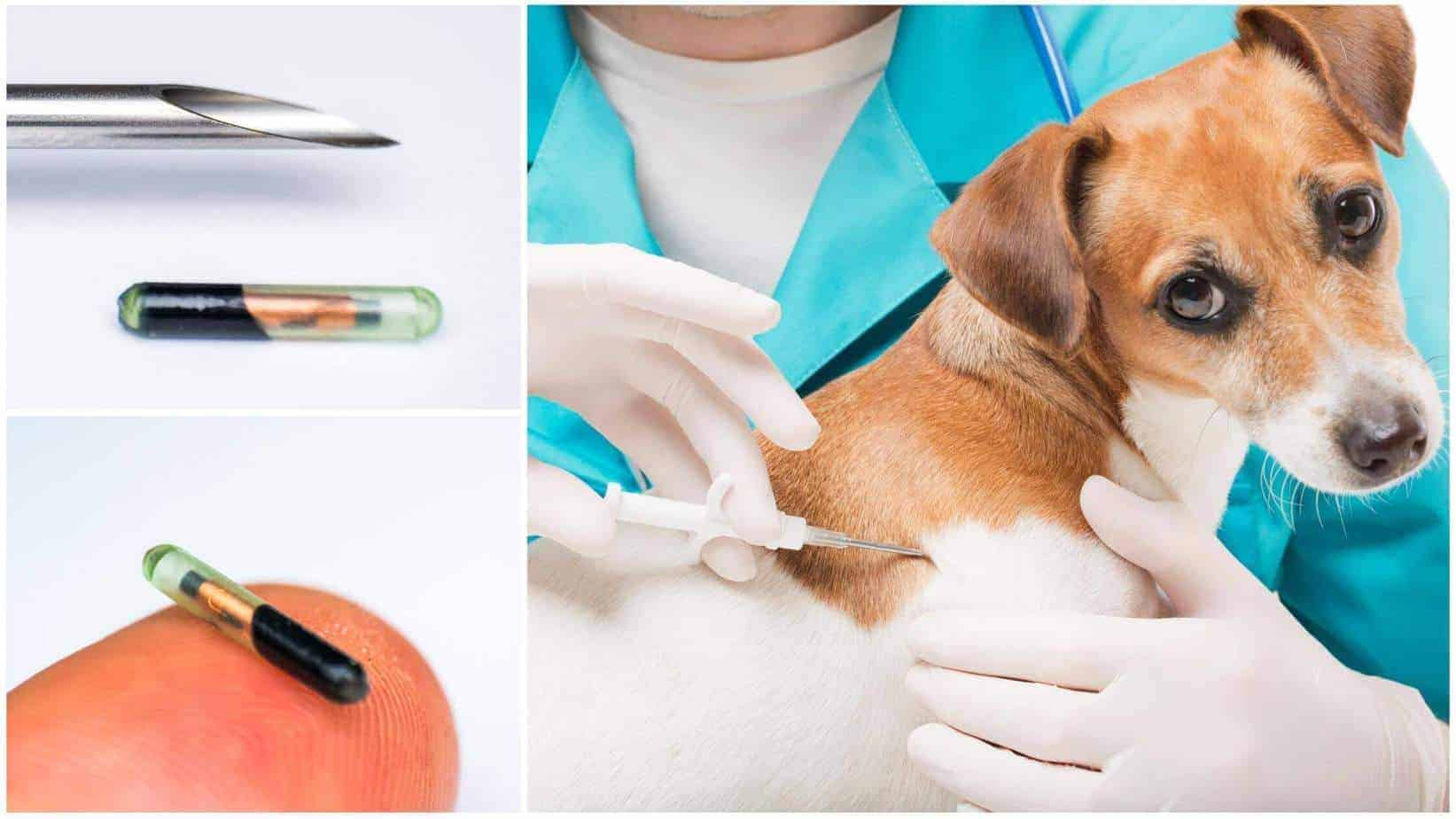
So what exactly IS a microchip then? Think of it more like a permanent ID card rather than a tracking device. It’s a tiny electronic chip (about the size of a grain of rice) that’s inserted under your dog’s skin between their shoulder blades. The chip contains a unique identification number – that’s it!
When scanned by a special reader at a vet’s office or animal shelter, this ID number can be looked up in a registry database to find your contact information. It’s a way to identify your pet if they’re found, not a way to locate them when they’re lost.
How Microchips Actually Work
To understand why you can’t track your dog with a microchip, it helps to know how they really work:
-
Passive RFID Technology Microchips use Radio-Frequency Identification (RFID) technology They’re passive devices with no power source.
-
Activation by Scanner: The chip only activates when a scanner passes over it. The scanner’s radio waves momentarily power the chip, allowing it to transmit its ID number back to the scanner.
-
Registry Lookup Once the unique ID number is obtained, it must be looked up in a registry database where your contact info is stored
-
Owner Contact: The shelter or vet office then uses your registered contact information to get in touch with you.
The key thing to remember is that microchips rely on someone finding your pet, scanning the chip, and contacting you. The chip itself doesn’t broadcast any signal or location data.
What To Do If Your Microchipped Dog Is Lost
If your microchipped dog goes missing, here’s what you should do:
1. Check Your Registration Information
First things first – verify that your microchip is properly registered with your current contact information. You’d be surprised how many pet owners forget to update their info when they move or change phone numbers!
You can check your registration in several ways:
- Enter your pet’s microchip number in the AAHA Pet Microchip Lookup tool
- Contact your microchip company directly
- Call your vet who might have your microchip records
If you can’t find your pet’s microchip number, check:
- Your pet’s adoption papers
- Vet records
- The paperwork you received when your pet was microchipped
2. Report Your Pet as Lost in the Microchip Registry
Once you’ve confirmed your registration information is correct, report your pet as lost in the microchip company’s database. This flags your pet in the system, so if someone finds them and scans the chip, the company will know they’re missing and can expedite the reunification process.
3. Contact Local Shelters and Animal Hospitals
Don’t just rely on the microchip! Be proactive and:
- Call all local animal shelters and veterinary offices
- Send them a photo and description of your dog
- Ask them to scan any found dogs matching your pet’s description
- Check with them daily, as new animals arrive constantly
4. Create and Distribute “Lost Pet” Flyers
While waiting for someone to find and scan your dog’s microchip:
- Create eye-catching flyers with a clear photo
- Include your contact information
- Mention that your dog is microchipped (this may encourage finders to take them to a shelter or vet)
- Post them around your neighborhood, at local businesses, and in parks
Microchipping vs. GPS Tracking: Understanding the Difference
Since microchips don’t actually track your dog’s location, what options do you have if you want real-time tracking? Here’s a comparison:
| Feature | Microchip | GPS Tracker |
|---|---|---|
| Purpose | Identification | Real-time location tracking |
| Power Source | None (passive) | Battery (needs recharging) |
| Location Tracking | No | Yes |
| Placement | Under the skin (permanent) | On collar (removable) |
| Cost | One-time fee ($45-$60 typically) | Device cost + subscription fee |
| Maintenance | None | Battery charging, subscription renewal |
If you want to actually track your dog’s whereabouts, you’ll need a GPS tracking device specifically designed for pets. These devices:
- Attach to your dog’s collar
- Transmit location data in real-time
- Connect to an app on your smartphone
- Require battery charging
- Usually involve a monthly subscription fee
The good news is you can use BOTH a microchip (for permanent identification) AND a GPS tracker (for real-time location monitoring) for maximum protection.
Common Questions About Dog Microchips and Tracking
Can I scan my dog’s microchip with my phone?
Nope! Regular smartphones cannot scan pet microchips. The chips operate on specific radio frequencies that require specialized scanners available at vet offices and animal shelters.
There are some microchip companies like Save This Life™ that offer innovative solutions where people who find your pet can Google a number on your pet’s ID tag to alert you. But this still isn’t scanning the actual microchip with a phone.
How much does it cost to microchip a dog?
Microchipping typically costs between $25-$60 depending on your location and veterinarian. Some places, like Save This Life™, offer microchips for around $45 that come with additional benefits like emergency care coverage if your pet gets lost.
Remember that most microchips are a one-time fee with no monthly charges (unlike GPS trackers which usually require subscriptions).
Can a microchip be removed from a dog?
Technically yes, but it’s rare and requires a surgical procedure by a veterinarian. Microchips are designed to be a permanent form of identification, and there’s rarely a medical reason to remove one.
Can any vet scan a microchip?
Yes! Any vet office or animal shelter should have universal scanners that can read all standard pet microchips. However, they’re not required to scan every animal that comes in unless requested, so if you find a lost pet, always ask for it to be scanned.
Can a dog be microchipped but not registered?
Absolutely, and this happens more often than you’d think! The microchip itself is just a number – it’s useless without registration connecting that number to your contact information. If you adopt a dog from a previous owner, always verify that the microchip is registered with your current info.
The Importance of Proper Microchip Registration
I can’t stress this enough – getting your dog microchipped is only half the battle. The chip is essentially useless if it’s not properly registered with your up-to-date contact information.
Here’s why registration is crucial:
- Without registration, the microchip is just a random number that doesn’t lead back to you
- Studies show that microchipped pets are far more likely to be returned to their owners, but ONLY when the chips are registered
- Even if registered, outdated contact info can prevent reunification
When registering your pet’s microchip:
- Complete the registration immediately after microchipping
- Include multiple contact methods (phone, email, address)
- Update your information whenever it changes
- Consider adding an emergency contact as backup
The Best of Both Worlds: Using Microchips AND GPS Trackers
For maximum protection, I recommend using both technologies:
- Microchip – For permanent identification that can’t fall off or be removed
- GPS Tracker – For active monitoring and location tracking
This two-pronged approach gives you:
- A permanent ID solution if your dog loses their collar
- Real-time tracking for immediate location information
- Peace of mind knowing you’ve covered all bases
What To Do When You Find a Lost Dog
If you find someone else’s lost dog:
- Take them to a vet or shelter to be scanned for a microchip
- If they have a Save This Life™ tag, simply Google the number on the tag
- If no microchip is found, check for ID tags and report the found pet to local shelters
Remember, someone is likely frantically searching for their beloved pet, just as you would be if your dog went missing.
Final Thoughts: The Truth About Tracking Your Dog With a Chip
So to answer the original question – “how do I track my dog with a chip?” – the simple truth is that you can’t track your dog with a microchip alone. Microchips are incredible tools for identification and reunification, but they aren’t tracking devices.
Instead, consider microchips as your backup plan – your dog’s permanent ID card that helps them find their way home if all other identification is lost. For active tracking, invest in a quality GPS pet tracker.
The best protection comes from using multiple safety measures:
- Microchipping (with up-to-date registration)
- ID tags with current contact info
- GPS tracking device
- Proper training and secure containment
By understanding the limitations and benefits of each tool, you can make informed decisions about how best to protect your four-legged family member.
Have you had any experiences with microchips or GPS trackers for your pets? I’d love to hear your stories in the comments below! And if you found this article helpful, please share it with other pet parents who might benefit from knowing the truth about microchips and pet tracking.
Stay pawsitive, and keep those furry friends safe!
Disclaimer: This article is for informational purposes only and is not intended as veterinary advice. Always consult with your veterinarian about the best identification and tracking options for your specific pet.
Using an External GPS Tracking Kit
- 1 Purchase a GPS tracking device made for your pet’s species. GPS trackers are great for finding your pet wherever they go using an app. GPS pet trackers work similarly to phone trackers—they tell you where your pet is in real-time. As long as your pet is wearing a GPS, you can hunt down their location with Bluetooth software. You can find GPS trackers that are appropriate for cats or dogs, but some are made specifically for one or the other. Look for one that is the best option for your pet.[11]
- Most trackers clip onto your pet’s collar and typically range from $20 to $100.
- Most companies require you to carry a subscription to their GPS tracking service to view your pet’s location.
- Some GPS devices also send information about temperature, activity level, health monitoring, and related options. You can choose either a basic model or one with added features, depending on your preference.
- 2 Attach the GPS tracker to your pet’s collar or choose a built-in collar. Your pet will need to wear the GPS tracker at all times. Some brands come pre-attached to a collar, while others are easily attached to your pet’s existing collar.[12]
- If you have a cat, make sure that the collar is cat-safe to prevent injury.
- 3 Monitor your pet’s location. Once the GPS tracker is attached to your pet, you can easily check their location. Depending on your device’s features, you may also be able to keep track of where your pet goes over time, such as where your cat likes to roam when it’s outdoors.
- Remember to change or recharge the battery when it gets low.
- 4 Recognize the GPS tracker’s limits. These devices have a few limitations. They may fall off your pet or lose power or connectivity/signal. Play around with your device’s limitations before placing it on your pet. This way, you’ll know what to expect.[13]
Advertisement Section 6 of 7:
Locating a Lost Pet Using a Microchip
- 1 Enter the pet’s microchip number into the chip registry. If you’ve lost your pet and they have a microchip, double-check that the chip number is registered in a microchip registry. Your pet’s chip manufacturer has its own registry, but you can also register your pet with a universal registry.[2] Search your pet’s information with the AAHA’s Microchip Registry Lookup feature.
- If you’ve lost your pet’s microchip number, try calling the vet or clinic that installed the chip for the records.
- 2 Wait for a call when the pet’s microchip is scanned. While it’s hard to wait for news about your lost pet, microchips must be scanned for you to be reunited with your pet. If your pet is taken to a vet or shelter, they will scan the pet to see if it has a microchip. They will then be able to look up your contact information and notify you of your lost pet.[3]
- If you found a lost pet, bring them to a local vet clinic or shelter to have their microchip scanned. The vet should be able to help you get the owner’s contact information so you can return the pet safely.
- 3 Ask the shelter if your rescue pet was chipped before adoption. Even if you did not install a microchip in your pet, it may still have one. Many shelters install the chips in every pet they adopt. If your rescue pet is lost, contact the shelter to see if this is the case for your pet. If so, the shelter may be contacted if your pet is found.[4]
- Make sure the shelter knows you want your pet back. Keep checking back with them to see if your pet has been found and returned to them, which may happen if the address on your adopted pet’s chip is still set as the shelter.
Advertisement Section 3 of 7: