
You’re probably familiar with the practice of ear-tipping community cats to identify them as having been spayed or neutered. Would it surprise you to know that since 2010, the Association of Shelter Veterinarians’ Veterinary Medical Care Guidelines for Spay-Neuter Programs has also recommended “the use of a simple green linear tattoo to identify all neutered pet animals”?
The fact that sterilization indicator tattoos are not well-known or universally utilized even in shelters prompted Dr. Meaghan Mielo to survey shelters, spay/neuter clinics, veterinary colleges, and private veterinary practices about their awareness and use of the tattoos for her Maddie’s Shelter Medicine Internship research project.
“Dr. Julie Levy and I decided to do this research earlier this year because we noticed many shelter vets were frustrated at how frequently we end up doing unnecessary surgery on an animal who turned out to be already spayed or neutered,” said Dr. Mielo. “Not only does doing an exploratory surgery disrupt the surgical flow of the day, but it’s a much more complicated and lengthy procedure.”
She continued, “Additionally, there’s always a risk with anesthesia, and there’s always pain associated with surgery. So if we can find any way to prevent those two things from happening in our patients, I think it’s our responsibility as veterinarians to do that.”
Dr. Mielo reported on her research findings as part of the shelter medicine track at the 2019 American Board of Veterinary Practitioners Symposium held in Denver, Colo., on Oct. 11.
Have you ever picked up your pup from the vet after a spay or neuter surgery and noticed a small, colorful line on their belly? If so you might have wondered if your four-legged friend secretly joined some kind of doggy biker gang! Don’t worry – your pooch hasn’t gone rebel on you. That little mark is actually a veterinary tattoo and it serves an important purpose.
At our clinic, we’ve seen many confused pet parents wondering about these mysterious marks. Let’s dive into everything you need to know about how vets tattoo dogs and why this practice is more important than you might think.
Why Do Vets Tattoo Dogs?
The main reason vets tattoo dogs is to indicate that they’ve been spayed or neutered. This permanent marking helps prevent unnecessary surgeries and provides valuable information about a dog’s medical history.
Here’s why these tattoos are so useful
- Prevents unnecessary surgeries – Without a clear indication that a dog has been fixed, vets might have to anesthetize and open up a dog just to check if they’ve been spayed or neutered
- Helps with lost pets – If a dog gets lost and ends up at a shelter, the tattoo immediately shows their sterilization status
- Rules out certain medical conditions – Knowing a dog is fixed helps vets rule out reproductive-related issues like pregnancy, uterine infections, or testicular cancer
- Saves time in emergency situations – In urgent cases, vets can quickly determine if reproductive organs might be involved in the problem
As Dr. Roth explains, “Knowing the spay/neuter status of a pet helps us to better help the pet,” especially when time is critical.
The Tattooing Process: How Do Vets Actually Do It?
You might be wondering exactly how vets apply these tattoos. Don’t worry – it’s much simpler and less painful than human tattoos!
When the Tattoo is Applied
Typically, veterinarians apply the tattoo while the dog is still under anesthesia during their spay or neuter surgery. This means your furry friend won’t feel a thing during the process.
Tattoo Methods
Vets use several different techniques to tattoo dogs:
- Tattoo Gun – Some vets use a small tattoo machine, similar to what human tattoo artists use but specifically designed for veterinary purposes
- Needle and Syringe Method – Other vets prefer a manual technique using a needle and syringe
- Tattoo Marker – In some cases, vets may use a specialized veterinary tattoo marker
Tattoo Location and Appearance
According to Dr. Mielo’s 2022 study published in The Veterinary Journal, the most common placement for these tattoos is near or in the incision site for both male and female dogs. The tattoo is usually:
- A small, straight line (about an inch long)
- Blue or green ink (the most common colors)
- Located on the dog’s abdomen near the surgical site
The mark is intentionally simple and standardized so other vets can easily recognize it.
How Common is Dog Tattooing?
Not all veterinary clinics tattoo dogs after spay/neuter surgeries. According to Dr. Mielo’s survey:
- 80% of animal shelters tattoo the dogs they sterilize
- 72% of spay/neuter clinics use tattoos
- Only a small percentage of private veterinary practices routinely tattoo
If you’re curious about whether your vet offers this service, just ask! Many vets will be happy to tattoo your dog during their procedure if requested.
Other Ways to Mark Sterilized Dogs
Tattooing isn’t the only method used to indicate a dog has been fixed. Other methods include:
Ear-Tipping
Some organizations, particularly those working with feral or community animals, practice ear-tipping. This involves removing a small portion of the ear tip while the animal is under anesthesia.
However, many veterinarians find this method controversial. As the Fur-Ever Paws website notes, “Some vets find the idea of cutting off healthy ear tissue unprofessional or unethical, so they prefer to use other methods.”
Microchipping
Microchips can contain information about a dog’s sterilization status. However, this requires:
- Capturing the dog
- Having a scanner available
- The microchip being properly registered with updated information
That’s why visible markings like tattoos are often preferred, especially for shelter animals.
Different Types of Dog Tattoos
While spay/neuter tattoos are most common, there are actually several types of tattoos that might be applied to dogs:
1. Sterilization Indicator Tattoos
These are the simple green or blue lines that indicate spay/neuter status.
2. Identification Tattoos
Before microchips became widespread, many kennels clubs and service dog organizations required tattoos as permanent identification. As noted on KeepingDog:
“Many kennels clubs like the Canadian Kennel Club, American Kennel Club, Schutzhund Club, racing dogs and all service dogs (guide dogs, military and police dogs) were required to be tattooed.”
These ID tattoos are typically placed on the inner thigh or belly and consist of a unique number or code.
3. Alternative Sterilization Procedure Indicators
Male dogs who have undergone alternative sterilization procedures like vasectomies or zinc injections (Zeutering) may receive special tattoos. These indicate the dog is sterile but may still have testicles present.
The Controversy: When Tattoos Go Too Far
While medical tattoos serve an important purpose, it’s crucial to distinguish them from cosmetic tattoos. There have been some concerning incidents where owners have requested decorative tattoos for their pets.
One particularly troubling case involved a pit-bull mix named Zion who was tattooed by her owner while sedated from surgery. This incident sparked outrage among animal welfare advocates.
The American Veterinary Medical Association (AVMA) takes a clear stance against cosmetic procedures. As Emily Patterson-Kane, an AVMA animal-welfare scientist, stated: “We have policies against cosmetic procedures because, ultimately, the animal doesn’t benefit. It’s not for the good of dog, even if owner might enjoy it.”
Why Tattoos Are Better Than Scars Alone
You might wonder why vets don’t just rely on surgical scars to indicate a dog has been fixed. The answer is simple: scars fade!
“When a dog is sterilized, a scar will be left on its belly. But scars may fade, especially if the dog is very young when the surgery is performed,” explains Dr. Roth. “A tattoo at the incision site lasts forever.”
This is particularly important because:
- Spay scars can become nearly invisible as puppies grow
- A tiny scar might be mistaken for a belly button or injury
- Male dogs with undescended testicles (cryptorchidism) might appear neutered when they’re not
- Some dogs have prosthetic testicles called Neuticles
Our Experience with Dog Tattoos
At our clinic, we’ve found that most pet owners are happy to have their dogs tattooed during sterilization surgery once they understand the benefits. The process adds minimal time to the procedure and causes no additional discomfort since it’s done while the animal is still under anesthesia.
One client, LK, shared this positive feedback about their experience: “Thank you for the exceptional tattooing that you did on Hazine (Anatolian Shepard) and Sir II (Boxer mix). It surprised me that the small dog was more of a hand full but you handled it all well and your professionalism really showed thru. I am glad to know a professional offering this service to our beloved animals.”
What to Expect After Your Dog Gets a Tattoo
If your dog comes home with a new tattoo after their surgery, here’s what to expect:
- Healing Process: A very fine scab (barely visible) will form over the tattoo and will fall off after a day or two
- Care Requirements: The area is typically covered with petroleum jelly to aid scabbing, but no special care is needed
- Visibility: The tattoo is designed to be visible but discreet
Remember, this small mark serves an important purpose and could save your pet from unnecessary procedures in the future!
Should You Request a Tattoo for Your Dog?
If your pet is scheduled for a spay or neuter procedure, consider asking your vet about tattooing. Many vets will be happy to accommodate this request, especially if they don’t do it as standard practice.
For identification purposes, weigh the pros and cons of tattoos versus microchips:
Tattoo Pros:
- Visibly noticeable without special equipment
- Cannot fail or migrate like microchips sometimes do
- No ongoing registration fees
Tattoo Cons:
- May be difficult to see on dark-furred animals
- Doesn’t provide contact information, just identification
- Some tattoos might fade over time
So there you have it – the complete lowdown on how vets tattoo dogs! These small marks serve an important purpose in protecting our furry friends from unnecessary procedures and helping vets provide better care.
Next time you spot that little blue or green line on your pup’s tummy, you’ll know it’s not a sign they’ve joined some secret doggy gang. It’s actually a simple, practical solution to a common veterinary challenge.
Have you noticed a tattoo on your dog after surgery? Or are you considering requesting one during an upcoming procedure? Let us know in the comments below – we’d love to hear your experiences!
Spay and Neuter Tattoo Usage Survey Findings
Among the survey findings:
- 30 percent of veterinary schools included tattooing in required surgical lecture curriculum.
- 73 percent of veterinary schools require sterilization indicator tattoos in surgical laboratories, but only 30 percent in teaching hospital spay/neuter procedures.
- Only 5 percent of surveyed private veterinary practices tattoo owned animals during sterilization. That number rises to 11 percent for private practices sterilizing unowned dogs and cats.
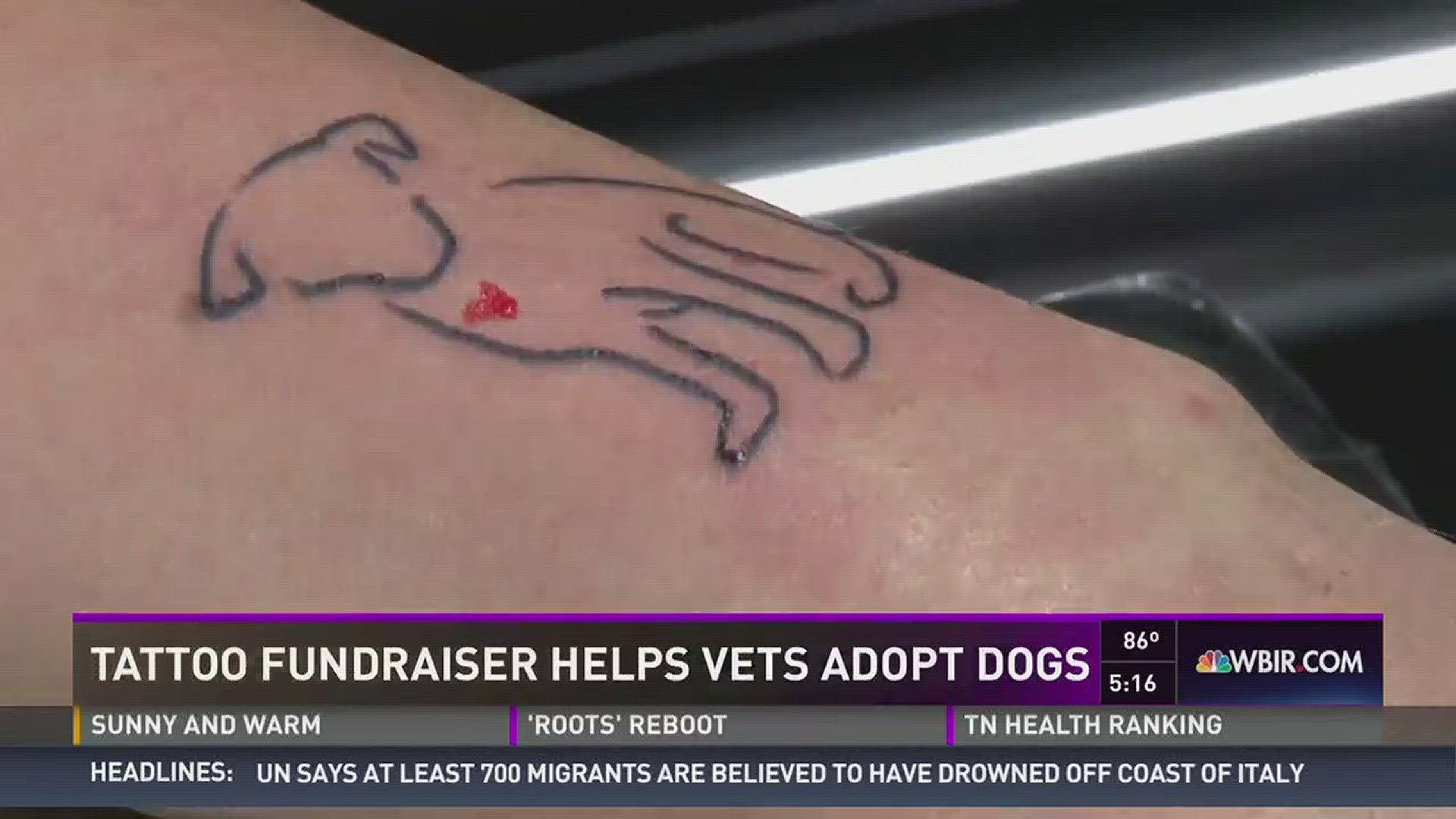
“Going back as far as 1976, the AVMA has recognized the importance of spay/neuter tattoos, but it still hasn’t become common practice in veterinary medicine,” Dr. Mielo said. “But back then, they were recommending really big tattoos, where it was the male or female symbol with an X through it, which really was intrusive. What we’re recommending is just a little 1.5 centimeter green line on their bellies. Once their hair grows back, you don’t even see it.”
Spay and Neuter Tattoo Usage Survey Methodology
Her first survey asked all 33 veterinary schools in the United States and Canada whether they educated students on the tattoos in didactic courses, surgical laboratories, and clinical surgery programs. The second survey was distributed to private veterinary practices, animal shelters, and spay/neuter clinics and asked about the frequency and other characteristics of tattooing in client-owned and shelter/rescue cats and dogs. More than 400 practices representing every state in the U.S. responded to the survey, as did every veterinary college in the U.S. and Canada.
“Every school at some point has students exposed to either tattooing or ear tipping, but it’s very inconsistent even within one school,” said Dr. Mielo. “For example, they may have a required surgery lab where the students are doing surgery on shelter pets, so they tattoo those animals. But then in surgery lectures and in surgery rotation in the teaching hospital, they don’t perform the tattooing. It’s really inconsistent training for students, which leads to confusion and lack of buy-in after graduation.”
Do Vets Tattoo Spayed Dogs? – PetGuide360.com
FAQ
Why do vets tattoo dogs when they are neutered?
In this article, we will explore why vets tattoo dogs when they are neutered, along with interesting trends, common concerns, and answers related to this topic. One of the main reasons why vets tattoo dogs when they are neutered is to indicate that the dog has been spayed or neutered.
Should veterinarians be trained to use tattoos?
Dr. Mielo’s report recommended enhanced training for veterinarians to encourage the use of tattoos and protect animals from unnecessary procedures. The tattoo on this young male dog was applied to the incision used for his neutering surgery. Photo by Nancy Kerns.
Why do vets have tattoos?
Educational tattoos: Some vets use tattoos as a way to educate pet owners about the importance of spaying and neutering their pets. The tattoo may include a message or symbol that promotes responsible pet ownership and encourages others to do the same.
How is a tattoo applied to a dog?
To apply a tattoo to a dog, the owner helps hold the animal still while the tattooist shows them how. The procedure involves clipping and disinfecting the area with alcohol, applying a light layer of petroleum jelly, and then applying the tattoo marker.
Can a dog get a tattoo after neutering?
Answer: There are no legal implications to tattooing dogs when they are neutered. It is a common practice that is done for the benefit of the dog and the pet owner. 10. Concern: Can the tattoo be done at the same time as the neutering surgery?
Where do dogs get tattoos?
Green is the most common tattoo color, and the most common placement is near or in the incision for male and female dogs. It’s mainly used in shelters and less so in private veterinary practices. The tattoo idea was developed in 2010 to prevent unnecessary exploratory surgery when the spay/neuter status of a dog is unclear.
How do they tattoo dogs after neutering?
That’s how spay neuter tattoos are done traditionally, it’s a small incision (not completely through the skin, just barely into it) with a scalpel and then you apply the tattoo ink into the cut and seal it with a little tissue glue. This one is way too deep though.
Do vets still tattoo dogs?
Yes indeed. Vets tattoo animals with identifying numbers, and also tattoo females that have been spayed so that other vets will know not to go opening them up to spay, if the animal is rehomed.
Does tattooing a dog hurt?
Tattooing does not hurt your pet, and does not bleed like a human tattoo.Jul 19, 2014
Do all spayed dogs have a tattoo?