
It is very important to know how to train pitbull puppies not to bite. You want to raise your pitbull puppy with a lot of leadership as pitbulls grow into very muscular and powerful dogs. Many are quite sweet and docile, but some go through various developmental periods where unwanted behaviors start to emerge. Addressing puppy biting properly and understanding what methods are appropriate for various puppy ages is extremely important for raising and training a pitbull puppy.
All puppies go through a phase where they explore the world with their mouths, leading to sharp puppy teeth finding their way to your hands and feet. It’s crucial to teach them bite inhibition as they grow older into adolescence. In this article I am going to talk about how to best address pitbull puppy biting so that you end up with an awesome adult dog that listens to you.
I will also be addressing how to fix puppy aggression and determining what is aggression verses normal teething. My methods are based in balanced training and positive reinforcement training and I will not be sugarcoating this information. I will be giving you a no-nonsense approach to how to train your pitbull puppies not to bite, so keep reading.
Hey there fellow pitbull parents! If you’ve landed on this article, chances are your adorable pitbull puppy has turned into a little chomping machine, and those razor-sharp puppy teeth are becoming a real problem. Don’t worry – you’re not alone! As someone who’s raised several pitbull puppies (including one particularly mouthy one named Bruno), I’ve been through the teething trenches and come out the other side with my fingers mostly intact.
Today, I’m gonna share my battle-tested methods for how to discipline a pitbull puppy for biting The good news? With consistency and the right approach, this is totally fixable!
Understanding Why Your Pitbull Puppy Bites
Before diving into discipline techniques, it’s important to understand why your pitbull puppy is biting in the first place:
- Teething discomfort: Puppies typically teethe between 2-8 months of age, causing sore gums that they want to soothe by chewing on anything (including your hands!)
- Play behavior: Puppies play with their littermates using their mouths, so they don’t realize human skin is more sensitive
- Exploration: Puppies discover their world through their mouths
- Witching hour: Sudden bursts of energy (especially in evenings) can lead to biting frenzies
- Boundary testing: Some pups bite to test dominance or see what they can get away with
None of these reasons mean your pup is “bad” – they’re just being a puppy! But that doesn’t mean we should let the behavior continue.
15 Ways to Discipline a Pitbull Puppy for Biting
1. Use Bite Inhibition Training (The Yelp Method)
This is one of the most effective first methods to try When your pitbull puppy bites you
- Make a high-pitched “yelp” or “ouch!” sound (similar to how puppies cry when hurt by littermates)
- Immediately stop playing and ignore them for 10-20 seconds
- Resume play once they’re calm
I tried this with my pup Bruno, and though I felt silly making squealing noises at first, it really worked! He quickly learned that biting = end of fun.
2. Redirect to Appropriate Chew Toys
Always keep chew toys nearby! When your puppy starts to bite:
- Say “No” firmly (but don’t yell)
- Immediately substitute a chew toy for your hand
- Praise lavishly when they chew the toy instead
My favorite toys for redirecting are those tough rubber ones with treats inside – keeps em busy for ages!
3. Implement Time-Outs
When a bite occurs:
- Say “No bite” in a firm voice
- Immediately remove yourself or place puppy in a designated time-out area (not their crate)
- Time-out should last only 30-60 seconds
- Return to play after the time-out with a calmer pup
4. Never Use Physical Punishment
This is super important! Hitting, slapping, or physical punishment:
- Doesn’t work
- Damages your relationship with your pup
- Can increase fear and aggression
- Teaches the wrong lesson
I’ve seen folks smack their pups’ noses for biting, and all it does is make the puppy scared or even more aggressive. Just don’t do it!
5. The Bonker Method (For Older Puppies Only)
This is a bit controversial, but some balanced trainers recommend it for puppies 5+ months showing persistent biting:
- Create a “bonker” – a rolled-up towel
- When your puppy bites, say “No” firmly
- Lightly bop them on the head with the towel (never hard!)
- This interrupts the behavior without causing pain
I personally didn’t need this method with my pups, but some trainers swear by it for stubborn cases in older puppies. It should NEVER be done forcefully.
6. Structure Their Day Better
Many biting issues stem from excess energy or boredom:
- Create a consistent daily routine
- Include adequate exercise appropriate for their age
- Implement short training sessions throughout the day
- Ensure they get enough crate/nap time (overtired puppies bite more!)
When I started giving Bruno more structured days with regular exercise, training, and naps, his biting reduced dramatically!
7. Teach Hand Acceptance
Pitbulls need to learn that hands near their mouth don’t mean it’s biting time:
- Hold a treat in your closed fist
- Let puppy sniff and lick (but not bite) your hand
- Only open your hand to give the treat when they’re gentle
- Gradually progress to touching their mouth area without biting
8. Train Food Bowl Manners
Food aggression can lead to biting, so:
- Regularly touch your puppy’s food bowl while they eat
- Add treats to their bowl while eating to create positive associations
- Practice picking up the bowl and returning it with something even better
9. Use Bitter Spray on Hands (Temporary Solution)
For persistent hand-biters:
- Apply pet-safe bitter spray to your hands
- Let puppy learn that hands taste awful
- Use this as a temporary measure alongside other training
I tried this once when Bruno was in a particularly bitey phase – the face he made was priceless, and it did help break the habit!
10. Socialize with Other Dogs
Puppy play with appropriate dogs teaches bite inhibition naturally:
- Arrange playdates with vaccinated, well-behaved dogs
- Attend puppy socialization classes
- Allow supervised play where other dogs can correct too-rough biting
Bruno learned more about appropriate biting pressure from our friend’s older Lab in one afternoon than from a week of my training!
11. Train Basic Commands
A well-trained puppy is less likely to bite inappropriately:
- Teach “leave it” and “drop it” commands
- Practice “sit” and “stay” before play sessions
- Use these commands to interrupt potential biting episodes
12. Avoid Rough Play with Hands
This was my biggest mistake with my first pitbull puppy! Never:
- Wrestle with bare hands
- Wave fingers in their face
- Play “chase the hand” games
These games teach puppies that hands are toys to be bitten.
13. Expose to Various Stimuli
Fearful dogs are more likely to bite defensively, so:
- Gradually expose your puppy to different sounds, people, environments
- Always keep experiences positive
- Never force interactions that clearly frighten your puppy
14. Be Consistent Across All Family Members
Everyone in the household must follow the same rules:
- Hold a family meeting to discuss the biting policy
- Ensure children understand how to interact appropriately
- Make sure visitors follow your training approach
When my sister came to visit and played rough with Bruno, we had a major setback in our training! Consistency is key.
15. Seek Professional Help When Needed
If your puppy’s biting seems aggressive (not playful) or doesn’t improve with consistent training:
- Consult your veterinarian to rule out medical issues
- Consider working with a professional balanced dog trainer
- Don’t wait until the behavior becomes established
Special Considerations for Pitbull Puppies
Pitbulls are wonderful dogs, but they do have some special considerations:
- They’re naturally muscular and strong, so biting habits can become more serious as they grow
- They benefit greatly from early, consistent training
- They’re very intelligent and respond well to positive reinforcement
- They typically go through developmental periods where unwanted behaviors emerge
I’ve found my pitties to be incredibly smart and responsive to training – they just need clear boundaries and lots of consistency!
When to Worry About Puppy Biting
Normal puppy biting:
- Decreases over time with consistent training
- Occurs mainly during play or excitement
- Doesn’t break skin (or rarely does)
Concerning biting that needs professional help:
- Seems truly aggressive (growling, stiff body, hard stares)
- Doesn’t improve despite consistent training
- Is directed at children or strangers specifically
- Draws blood regularly
Final Thoughts
Disciplining a pitbull puppy for biting isn’t about punishment – it’s about teaching them appropriate behavior in a way they understand. With patience, consistency, and positive reinforcement, your pitbull puppy can learn to be gentle with their mouth.
Remember that all puppies bite, and pitbull puppies are no exception. The key is addressing it early before those little teeth become big teeth and before the habit becomes ingrained!
Have you tried any of these methods with your pitbull puppy? What worked best for you? Drop me a comment below – I’d love to hear your experiences!
Disclaimer: I’m not a professional dog trainer, just a passionate pitbull owner sharing what’s worked for me. If your puppy’s biting seems aggressive or concerning, please consult with a professional trainer or veterinarian.
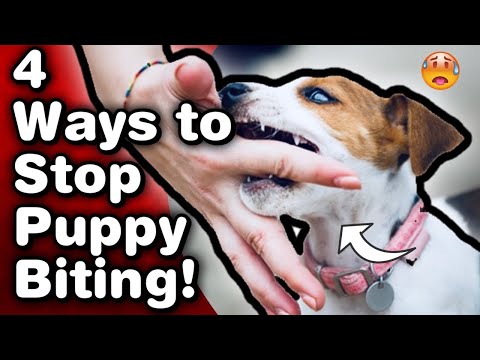
Tips To Stop Biting For Puppies at 2-4 Months Old
Wondering what to do if your 2 month old puppy keeps biting you? It’s totally normal and I will address positive reinforcement and techniques in my other blog on 2 month old puppy biting.
- Have your puppy play with other puppies (same age). Puppies teach each other when a bite is too hard by yelping loudly. The biting puppy usually stops, pauses, then gets back to playing but adjusts their bite pressure.
- You can also let your puppy bite your hand and yelp loudly if they bite too hard. Like really loud! This helps teach many puppies about bite pressure that is human appropriate. Try this many times over the course of weeks.
- Substitute a toy or chew when your puppy is biting your hands – this is redirection.
- If petting your puppy leads to playing and biting, pet less, and do more obedience and engagement exercises with food reward.
- Keep your puppy on a leash at all times. Keep their day structured so they aren’t running around the house free and attacking your feet. Prevent the behavior from happening by doing more constructive things with them.
- Play tug of war or fetch when they get mouthy – redirect them to the toys instead of your hands.
- Do not slap your puppy in the face when it bites. It won’t work and can make things worse.
What is Puppy Witching Hour?
Puppy witching hour is when a puppy has a sudden burst of energy, usually at night. This can be helped with creating a tighter structure for your puppy and doing more obedience training and crate training with them. Check out my blog on puppy witching hour. If you need more advice on how to train your pitbul puppy not to bite, the advice on structure and daily routines in this article will help you.
How to get a Pit bull Puppy to stop BITING!
FAQ
How to teach a pitbull puppy not to bite?
Give Your Puppy an Alternative Item to Chew
If they start nibbling at your fingers or toes while you’re playing, offer a toy instead. Again, if they continue to nip, stop the play session immediately. If you’ve been training your puppy to sit, you might also redirect them by asking them to sit and rewarding with a toy.
At what age do pitbull puppies stop biting?
What not to do with a pitbull puppy?
Pit Bulls are very active dogs that need a LOT of run around time and exercise, but are generally not compatible with off-leash dog parks. Don’t get a young Pit Bull if you live your life in the slow lane.
Why is my pitbull puppy trying to bite me?
Your Pitbull puppy bites because it is normal puppy behavior for exploring the world, teething, and playing, or it can be due to being overtired, overstimulated, or lacking physical and mental exercise. To stop the biting, provide plenty of chew toys, yelp to communicate pain like a littermate would, immediately stop play and remove yourself if they bite too hard, provide sufficient naps and exercise, and consider professional training for more serious issues.