
Most dog owners are aware of the need to prevent fleas in dogs, and heartworm prevention often gets a lot of attention as well. One of the pests that can infect dogs that gets overlooked in some parts of the country, however, are ticks. Ticks can be worse for your dog than you might think, and they can carry many diseases along with them that you do not want your dog to get.
Knowing the symptoms of ticks can help you to notice their presence right away so that your dog might be spared some of the ill effects of these pests. Being able to detect ticks is a necessary skill for all dog owners, even if your area is not known for being a high-risk tick region.
If you are ready to learn more about the symptoms of ticks on dogs, you will need to keep reading.
Ticks are small, blood-sucking arachnids. They live outdoors in grass, on trees, in shrubs, and in debris like leaf piles. Ticks are common in the US, but some regions have many more of them than others. Ticks can cause all kinds of diseases in both dogs and humans and can be very irritating to the skin as well. Allergies and skin damage from scratching at the tick are common, even if diseases are not transmitted to your pet during the time that the tick has attached itself to your pet.
Ticks can be as small as the head of a pin, or they can be big like a pencil eraser. They have eight legs and are related to spiders. Ticks can be reddish-brown or black, which can make it hard to see them in a dog’s coat. As ticks eat, they grow in size and get bigger while also changing color. You might not see a tick until it has started to feed and grow since some of these pests can be very small when they are not feeding.
As a dog owner I’ve had my fair share of panicky moments when I notice something strange on my furry friend. One of the most common parasites that affect our dogs are ticks – those nasty little blood-suckers that can cause everything from minor irritation to serious diseases. But how do you actually know if your dog has a tick? Let’s dive into the signs and solutions to keep your four-legged companion safe and healthy.
What Exactly Are Ticks?
Before we jump into the signs, let’s understand what we’re dealing with. Ticks are arachnids (related to spiders) with eight legs and no antennae. Unlike their cousin the flea, ticks are large enough to be seen with the naked eye. They feed by digging their entire head into your dog’s skin and can spend up to a week attached to their host. These parasites can live as long as three years, which means they’re quite resilient.
Ticks can’t jump like fleas; instead, they wait patiently on tall grass shrubs or wooded areas for an unsuspecting dog to brush against them. Then they climb aboard and find a nice spot to settle in and feed. The scary part? Ticks don’t mind cold weather, so your pooch can potentially pick them up any time of year.
5 Common Signs Your Dog Has Ticks
So how do you know if one of these unwelcome passengers has hitched a ride on your dog? Here are the main signs to watch for:
1. Excessive Scratching, Biting, or Chewing at the Skin
If you notice your dog suddenly scratching, biting, or chewing at a specific area of their body, it could be a tick Ticks cause irritation when they attach, and dogs naturally try to remove the source of discomfort Pay special attention if your dog seems fixated on one particular spot.
2. Visible Ticks on Your Dog’s Body
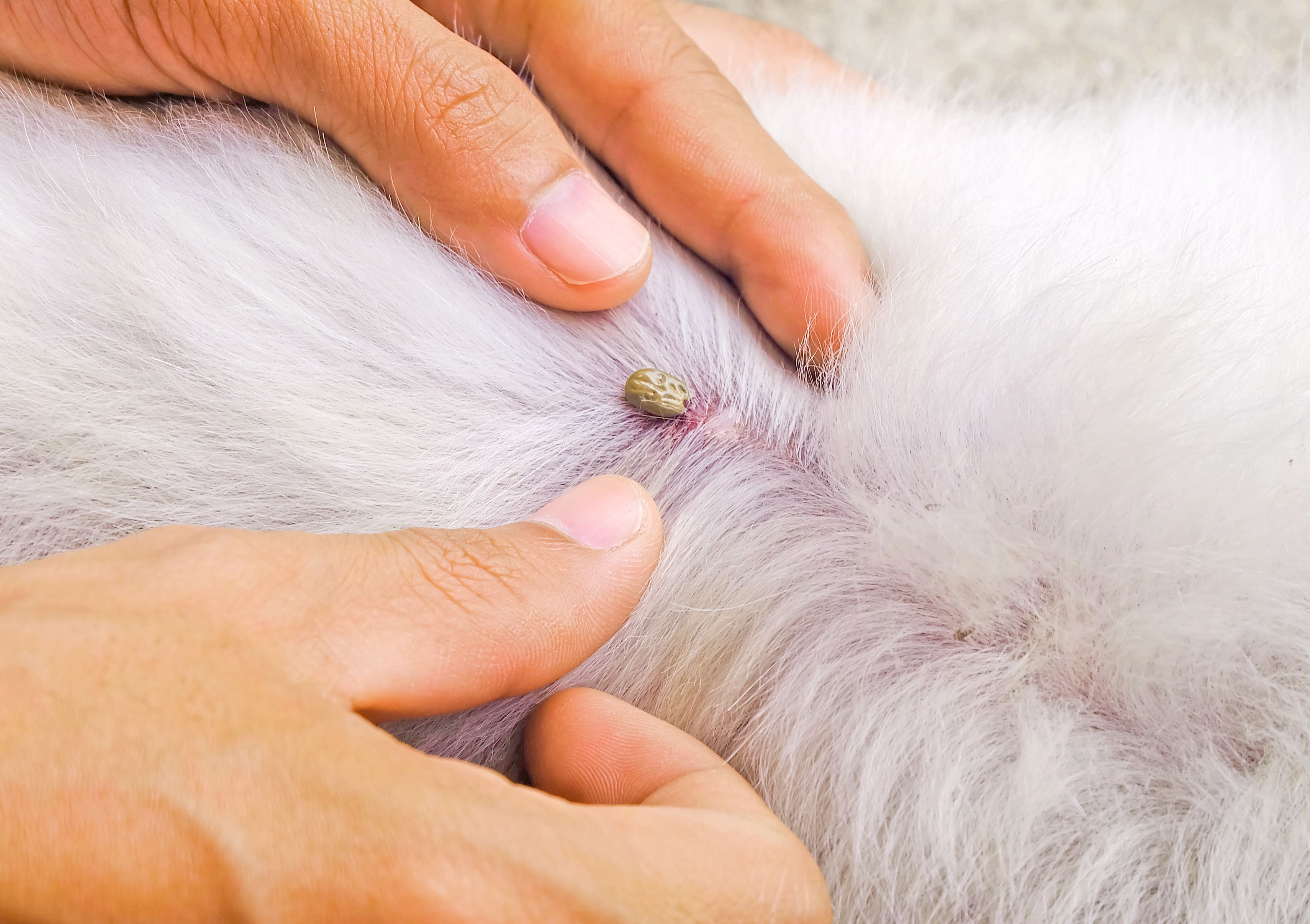
This might seem obvious, but actually seeing a tick is a clear sign! Ticks can vary in size and color, ranging from tiny and black to larger and grayish-brown. They prefer areas with less hair, such as:
- Inside and around the ears
- On the neck
- Between the toes
- In the armpits
- Around the genital area
- Under the collar
When looking for ticks, run your fingers through your dog’s fur and feel for small bumps on the skin. A tick might look like a small wart or a skin tag at first glance.
3. Redness and Irritation Around a Specific Area
Another sign is redness or irritation around the spot where a tick has attached. The area might be slightly raised, inflamed, or warm to the touch. This happens because the tick’s saliva can cause a local reaction as it feeds on your dog’s blood.
4. Fever, Lethargy, or Loss of Appetite
If your dog has been bitten by a tick carrying disease, they might develop more serious symptoms like fever, lethargy, or loss of appetite. These are particularly concerning signs and warrant an immediate trip to the vet, as they could indicate a tick-borne illness like Lyme disease or Rocky Mountain spotted fever.
5. Hair Loss, Especially Around the Neck and Tail
As your dog scratches to relieve the discomfort caused by ticks, they might lose hair in certain areas. The neck and tail are common spots where ticks like to hide, so hair loss in these regions could indicate a tick problem.
What To Do If You Find a Tick on Your Dog
So you’ve spotted a tick – now what? Here’s how to handle the situation:
Proper Tick Removal
- Gather your supplies: fine-tipped tweezers, rubbing alcohol, antiseptic, and gloves if available.
- Put on gloves to protect yourself.
- Use the tweezers to grasp the tick as close to your dog’s skin as possible.
- Pull upward with steady, even pressure – don’t twist or jerk the tick, as this can cause the mouthparts to break off and remain in the skin.
- After removal, clean the bite area with antiseptic.
- Place the tick in alcohol to kill it, or flush it down the toilet.
- Wash your hands thoroughly afterward.
It’s super important to avoid crushing the tick during removal, as this can release harmful bacteria into your dog’s bloodstream. If you’re not confident about removing the tick yourself, don’t hesitate to visit your vet.
After Removal
Keep an eye on the bite site for a few days. If you notice increasing redness, swelling, or if your dog develops a fever or seems unwell, contact your vet right away. These could be signs of a tick-borne disease.
The Dangers of Leaving Ticks Untreated
While it might be tempting to hope that a tick will just fall off on its own (which they do after feeding), the risks of leaving ticks untreated are significant.
Ticks can transmit several serious diseases to dogs, including:
- Lyme disease
- Ehrlichiosis
- Anaplasmosis
- Rocky Mountain spotted fever
- Babesiosis
The good news is that it typically takes 24-48 hours for a tick to transmit Lyme disease, so prompt removal can prevent infection. However, other diseases can be transmitted more quickly, so it’s always best to remove ticks as soon as you find them.
If a tick is left untreated, your dog could develop symptoms of these diseases weeks or even months later. That’s why regular tick checks are essential for keeping your pet healthy.
Preventing Ticks on Your Dog
As with most health issues, prevention is better than cure when it comes to ticks. Here are some effective strategies to keep ticks away from your furry friend:
1. Use Veterinarian-Recommended Tick Prevention Products
There are many excellent tick prevention products available today, including:
- Topical treatments
- Tick collars
- Oral medications
- Sprays
Talk to your vet about which option is best for your specific dog, taking into account their age, health status, and lifestyle.
2. Regular Grooming and Inspection
Make tick checks part of your regular grooming routine, especially after your dog has been outdoors in wooded or grassy areas. Use a fine-toothed comb to go through their fur, paying special attention to their ears, neck, and between their toes.
3. Keep Your Yard Tick-Free
Maintain your yard by keeping grass short, removing leaf litter, and creating a barrier of wood chips or gravel between your lawn and any wooded areas. This can help reduce the tick population in your immediate environment.
4. Avoid Tick Hotspots During Peak Seasons
When possible, steer clear of areas with tall grass, dense vegetation, and wooded areas during peak tick seasons (typically spring through fall, but this varies by region).
5. Consider Natural Remedies as Supplements
Some dog owners use essential oils and herbal sprays as natural tick repellents. While these shouldn’t replace veterinarian-recommended preventatives, they might provide additional protection for dogs sensitive to chemical products. Always check with your vet before using any natural remedies, as some essential oils can be toxic to dogs.
When to Consult Your Vet
While many tick situations can be handled at home, there are times when professional help is needed. Contact your veterinarian if:
- You’re uncomfortable removing the tick yourself
- The tick’s head or mouthparts break off in your dog’s skin
- The bite area becomes increasingly red, swollen, or appears infected
- Your dog develops a fever, lethargy, lameness, or other unusual symptoms after finding a tick
- You live in an area where tick-borne diseases are common and your dog has had a tick attached for an unknown period
My Personal Experience with Dog Ticks
Last summer, my border collie Rusty came back from a hike with what I thought was just a small skin tag on his ear. Upon closer inspection, I realized it was actually a tick that had already embedded itself! I was freaked out because we’d never dealt with ticks before.
I carefully removed it with tweezers (after watching about five YouTube videos to make sure I did it right), but Rusty developed a small red bump at the bite site. I monitored it for a few days, and luckily, it went away without any issues. After that scare, we started using a monthly preventative treatment, and I’ve become much more vigilant about checking him after outdoor adventures.
Frequently Asked Questions About Dogs and Ticks
How quickly should I remove a tick from my dog?
The sooner the better! Many tick-borne diseases require the tick to be attached for 24-48 hours before transmission occurs, but some can be transmitted more quickly.
Can my dog get ticks in the winter?
Yes! While ticks are most active during warmer months, they can survive in temperatures just above freezing. Some species, like the black-legged tick (deer tick), remain active throughout winter as long as temperatures aren’t consistently below freezing.
Can ticks live in my house?
While ticks prefer outdoor environments, they can survive indoors for short periods. They typically won’t infest your home like fleas might, but they can drop off your dog and lay eggs in carpeting, bedding, or furniture.
How often should I check my dog for ticks?
Ideally, you should check your dog after every outdoor excursion, especially if they’ve been in wooded or grassy areas. At minimum, perform a thorough tick check once a week during tick season.
Are certain dog breeds more susceptible to ticks?
Dogs with thick, long coats may provide more hiding places for ticks, making them harder to detect. However, all breeds can get ticks, and all should be protected with appropriate preventative measures.
Conclusion
Knowing how to identify if your dog has a tick is an essential skill for any responsible pet owner. By regularly checking your dog and being aware of the signs, you can catch these parasites early and prevent potentially serious health issues.
Remember, the best approach combines vigilance with prevention. Use appropriate tick preventatives, perform regular checks, and maintain your yard to create a tick-unfriendly environment. With these practices in place, you’ll be well-equipped to protect your furry friend from these pesky parasites and the diseases they carry.
Stay alert, stay informed, and keep those ticks away from your beloved pooch!
Hard Bump on the Skin
Once the tick has started to gorge itself on your dog’s blood, it will get bigger and bigger. This is usually the point at which owners notice that their dog has a tick. The bump will feel hard, and when you push back the hair, it will be obvious that there is a swollen, bluish-black ball on your dog’s skin. This is the abdomen of the tick, and the head is usually burrowed into the skin.
If you do see hard bumps on your dog’s skin that you think are ticks, you will want to take them to the vet to get the tick or ticks removed. Pulling on the tick can hurt your pet and can lead to breaking the tick in half, which will not remove all of it from the skin.
Symptoms of Ticks on Dogs
Many dogs will begin scratching at the place that the tick has burrowed into their skin. This is because of the tick’s movement and feeding can irritate the tissues around it. This might not happen in the earliest stages of the tick’s infestation, but it is a common symptom as the tick starts to grow. Even if your dog is not scratching, they might shake their head or chew at their feet and legs or even pick at their coat.
Licking can be a common symptom in dogs that are not itchy but are still bothered by the presence of the tick. Scratching and licking can be written off as your dog’s normal grooming behavior, but it is always worth it to verify that there is no tick present if your dog has been showing this symptom.