
As a pet parent, I’m always looking for ways to make my furry friend happy. Giving my dog a bone seems like such a natural thing to do – after all, dogs and bones go together like peanut butter and jelly, right? But when it comes to marrow bones specifically, there’s a lot of conflicting information out there.
So are bone marrow bones good for dogs? The short answer is it’s complicated. While marrow bones offer some benefits they also come with significant risks that might make you think twice before tossing one to your pup.
Let’s dig into the meaty details (pun intended!) about the pros and cons of giving marrow bones to your four-legged friend.
What Exactly Are Marrow Bones?
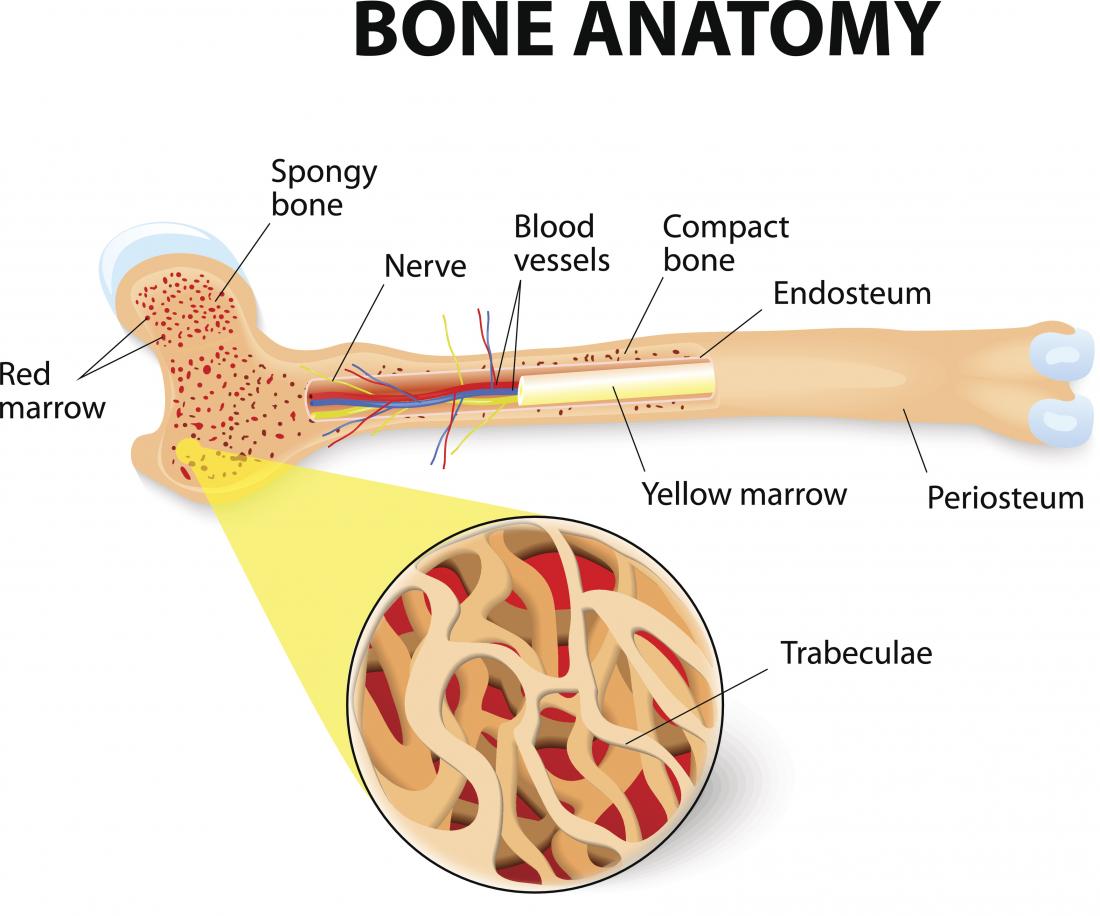
Before we jump in, let’s clarify what we’re talking about. Marrow bones are typically leg bones from cows or other large animals. They contain a soft, nutrient-rich tissue called bone marrow in the center cavity These bones are available either raw or cooked and come in various sizes
Potential Benefits of Marrow Bones for Dogs
When used appropriately, marrow bones can offer several benefits:
1. Mental Stimulation and Entertainment
- Provides a natural outlet for your dog’s chewing instinct
- Can keep your dog occupied and mentally stimulated
- May help reduce destructive chewing behavior around your home
2. Dental Health Benefits
- The mechanical action of chewing can help remove plaque and tartar
- May contribute to fresher breath and healthier gums
- Can provide a natural way to clean teeth (though not a substitute for proper dental care!)
3. Nutritional Value
- Bone marrow contains nutrients like calcium, phosphorus, and essential fatty acids
- Can be a good source of minerals that support bone health
- The marrow itself is rich in nutrients that may support your dog’s overall wellbeing
4. A Natural Option
Many dog owners prefer giving natural chews rather than synthetic alternatives. For dogs with food allergies or sensitivities, single-ingredient treats like marrow bones might be less likely to trigger reactions.
The Risks of Giving Marrow Bones to Dogs
Now, here’s where things get tricky. Despite the benefits, veterinary professionals have significant concerns about marrow bones:
1. Dental Damage
This is probably the biggest risk. Dogs have incredible jaw strength and when applied to hard bones they can fracture their teeth. Unlike humans, dogs don’t have as thick of an enamel layer on their teeth, making them more susceptible to fractures.
I’ve seen way too many cracked carnassial teeth (those big molars in the back) from dogs chewing on bones. These fractures often require expensive dental work or extractions.
2. Choking and Intestinal Blockage
- Pieces of bone can break off and become lodged in your dog’s throat
- Bone fragments can cause intestinal blockages requiring emergency surgery
- Sharp edges can perforate the digestive tract, leading to life-threatening situations
3. Bacterial Contamination
Raw bones, in particular, can harbor bacteria like Salmonella and E. coli. This poses risks not just to your dog but also to human family members handling the bones or coming into contact with your dog after they’ve been chewing.
4. Pancreatitis Risk
Bone marrow is extremely fatty. For some dogs, consuming this high-fat content can trigger pancreatitis – a painful inflammation of the pancreas that can be serious and even fatal in some cases. Dogs with a history of pancreatitis should definitely avoid marrow bones.
5. Digestive Upset
Even without full-blown pancreatitis, many dogs experience digestive issues like vomiting or diarrhea after consuming marrow bones.
What the Experts Say
I consulted with several veterinary professionals, and here are their insights:
“Marrow bones can be a great source of entertainment and enrichment for dogs, but it’s important to choose the right size bone for your dog’s breed and size to prevent any choking hazards.” – Veterinarian
“I recommend supervising your dog closely when giving them a marrow bone for the first time to ensure they are chewing safely and not at risk of tooth damage.” – Canine Nutritionist
“For dogs with digestive sensitivities, it’s best to introduce marrow bones gradually and monitor their reaction to ensure they can tolerate the treat without any adverse effects.” – Animal Behaviorist
“When selecting marrow bones for your dog, opt for raw bones that have not been cooked or processed to ensure they are safe for chewing and provide the most nutritional benefit.” – Pet Nutritionist
Raw vs. Cooked: Which is Better?
If you’re still considering giving your dog marrow bones, you might wonder whether raw or cooked is better. Here’s the consensus:
Raw Bones
- Softer and less likely to splinter
- More easily digested
- Better nutritional profile
- BUT: Higher risk of bacterial contamination
Cooked Bones
- NEVER give your dog cooked bones
- Cooking makes bones harder and more likely to splinter
- Increased risk of tooth fractures
- Higher chance of splintering into sharp fragments that can cause internal damage
The verdict from veterinary professionals is clear: if you choose to give bones, raw is safer than cooked, but both come with risks.
Better Alternatives to Marrow Bones
Given the risks, you might want to consider these safer alternatives:
- Commercial dental chews that are specifically designed to be safe for dogs
- Rubber toys like Kongs that can be filled with treats
- Nylon bones designed for dogs (though these still need to be appropriate for your dog’s size and chewing style)
- Carrots – a crunchy, low-calorie natural alternative
If You Still Want to Give Your Dog Marrow Bones…
If after all this you still want to give your dog marrow bones, here are some safety tips:
- Choose the right size – the bone should be larger than your dog’s muzzle to prevent choking
- Always supervise your dog when they’re chewing on a bone
- Limit chewing time to 10-15 minutes, then remove and refrigerate the bone
- Discard bones after 3-4 days, even if refrigerated
- Avoid giving bones to dogs with sensitive stomachs, history of pancreatitis, or dental issues
- Never give cooked bones under any circumstances
- Monitor for signs of trouble like vomiting, diarrhea, lethargy, or difficulty passing stool
Special Considerations for Different Dogs
Not all dogs should have marrow bones:
- Puppies with deciduous (baby) teeth should avoid hard chews
- Senior dogs with dental issues may be more prone to tooth damage
- Brachycephalic breeds (like Pugs, Bulldogs) may be at higher risk of choking
- Dogs with known digestive issues or past bouts of pancreatitis should avoid marrow bones
- Dogs who are “gulpers” (who try to swallow things whole) are poor candidates for bone chewing
Interesting Trends in Dog Bone Consumption
The pet industry has seen several trends related to marrow bones:
- Rise in natural products – As pet owners seek more natural options, interest in bones has increased
- Raw feeding movement – The popularity of raw diets has brought more attention to bones as part of a “species-appropriate” diet
- Homemade bone broth – Some pet owners use marrow bones to make nutrient-rich broths for their dogs
- Training applications – Marrow bones are sometimes used as high-value rewards in dog training
My Personal Take
I’ve been a dog owner for over 20 years, and I’ve seen firsthand the joy a dog gets from a good chew. But I’ve also witnessed the heartbreak (and expense) of broken teeth and emergency surgeries from bone-related injuries.
Personally, I don’t give my dogs marrow bones anymore. The risk just isn’t worth it to me when there are so many safer alternatives available. If I do give a bone-like treat, I opt for softer options like bully sticks (though these come with their own considerations) or commercial dental chews designed to be safer.
FAQs About Marrow Bones for Dogs
Q: How often can I give my dog marrow bones?
A: If you choose to give marrow bones, they should be an occasional treat only – perhaps once a week at most.
Q: What should I do if my dog chokes on a bone?
A: This is a medical emergency. If you can safely remove the bone, do so immediately. Otherwise, get to an emergency vet right away.
Q: Can puppies have marrow bones?
A: It’s generally not recommended for puppies whose teeth are still developing.
Q: Are there any breeds that should never have marrow bones?
A: Brachycephalic (flat-faced) breeds like Pugs and Bulldogs are at higher risk for choking and may be better off avoiding bones altogether.
Q: How can I tell if marrow bones are causing problems for my dog?
A: Watch for signs like vomiting, diarrhea, constipation, lethargy, or reluctance to eat. Also check their teeth regularly for fractures or excessive wear.
The Bottom Line
Marrow bones for dogs fall into that frustrating category of things that seem natural and good in theory but can cause serious problems in practice. While they do provide mental stimulation and some dental benefits, the risks of tooth fractures, intestinal blockages, and other complications make them a questionable choice for most dogs.
As with most things in pet care, it’s about weighing risks against benefits for your individual dog. Whatever you decide, make sure you’re making an informed choice with your dog’s specific needs in mind.
Have you given your dog marrow bones? What’s been your experience? I’d love to hear about it in the comments below!
Safe and Nutritious Marrow Bones for Your Dog from Nurturing by Nature
At Nurturing by Nature, we have over 20 years of expertise in the raw dog food community, serving thousands of satisfied customers each month. Whether you visit our stores near you or take advantage of our nationwide next-day delivery service, we are your trusted source for high-quality raw dog food and treats.
Marrow Bones: All raw bones, including marrow bones, are safe and beneficial for your dog. In the wild, there are no ovens, and despite domestication, dogs natural food source remains raw. Their instinctual behavior for chewing and gnawing is still very much alive. Dogs hinged jaws are specifically designed to chop and crush, making marrow bones a perfect and satisfying treat.
Why Choose Raw Bones?: Raw bones provide essential nutrients and help maintain dental health by reducing plaque and tartar build-up. They also offer mental stimulation and alleviate boredom, making them an excellent addition to your dogs diet.
Visit Us Near You: With multiple store locations, you can easily find Nurturing by Nature near you. Our knowledgeable staff is always ready to assist you in selecting the best marrow bones and other raw food products for your dog.
Nationwide Next Day Delivery: Cant make it to one of our stores? No problem! Our next-day delivery service ensures that your dogs favorite marrow bones and other raw treats are delivered right to your doorstep, no matter where you are in the country.
Trust Nurturing by Nature for the best raw dog food and marrow bones. With over two decades of experience, we are dedicated to providing the highest quality products to keep your furry friends healthy and happy.
What is the difference between bone meals and recreational bones?
Bone meals are just as they sound – meals that are bones! These include chicken carcasses, lamb necks, chicken wings, and a range of other delicious items. The bones of these are much easier to digest and arent quite as hard to chew through.
We offer a full selection of delicious marrow bones, all available to buy online for local or nationwide delivery. Choose from small, medium, large, or extra-large marrow bones. For help and advice on raw feeding or feeding bones, the Nurturing by Nature team is here and happy to help! Pop in-store or give us a call today.
Read more about the benefits of feeding marrow bones
“Dogs love the marrow bones keeps them quiet for a couple of hours” – Miss Michele Maton “Great quality and ideal size.” – Trusted Customer
“My two boxers LOVE these. Theyre great when Im trying to work at home and need some peace for 10 minutes!” – Trusted Customer
Our raw dog food specialists share their advice on feeding marrow bones to dogs and cats safely
Marrow bones have long been popular with our Raw Pet Food feeding community throughout the Bournemouth area and are regularly best selling products in our stores. Westmoors, Christchurch, Upton & Wimborne.
Feeding a marrow bones is more than a treat; its a nourishing experience that supports their physical and mental well-being through natural enrichment & the promotion of overal oral health. With a focus on safety and an understanding of our pets instincts, we offer a wide range of delicious marrow bones for all sizes, ensuring a satisfying and healthy experience.
From bone meals to recreational bones, our selection is crafted to nurture your pets nature. Join us in embracing this raw feeding lifestyle and discover the joy and vitality it can bring to your furry friend. Explore our marrow bone selection, and dont hesitate to reach out to our expert team for personalised advice. Shop now, and take a step towards a healthier, happier pet!
Feeding marrow bones to raw-fed dogs and cats is a great way to support them physically and mentally, offering them the opportunity to chew as they would in the wild as well as benefit from a range of natural nutrients found in the marrow and bone themselves.
Can Dogs Eat Cooked Bones?
No. Dogs should never be given cooked bones. While it might seem harmless to share leftover bones from your dinner, cooking changes the structure of bones, making them brittle and dangerous.
Cooked bones can easily splinter, and those sharp fragments can cause serious harm to your dog, including:
- Choking hazards
- Mouth or gum injuries
- Intestinal blockages or perforation
- Internal bleeding
Even small cooked bones — like chicken wings or lamb chop bones — are a risk. They should always be discarded safely where your dog can’t access them.
If you think your dog has eaten a cooked bone, it’s important to contact your vet immediately. They can advise on what signs to watch for and whether medical attention is required.
At Nurturing by Nature, we’re strong advocates of feeding raw bones only, as nature intended. Raw bones are safer because they’re more pliable, nutritionally rich, and better suited to a dog’s anatomy and digestive system.
More information can be found in our article, “How to introduce Bones in a Raw Diet.”
When feeding a raw marrow bone, it is important to keep an eye on your dog and ensure that they arent chewing for too long or to the point that they may cause damage to their teeth or gums. We recommend feeding marrow bones for around 20 minutes at a time – this is the perfect amount of time for your dog to enjoy chewing without them getting carried away and potentially harming themselves!
Feeding raw bones – Your questions answered.