
Your dog has cancer, and you’re trying to follow Dr. Dressler’s Dog Cancer Diet. If you have always fed your dog commercial kibble, diving into a home-cooked diet can be daunting. Especially when the recipe calls for… chicken necks?
Are you wondering if those chicken necks at the butcher counter might make a good treat for your furry friend? You’re not alone! Many dog owners are curious about feeding chicken necks to their pets, but there’s a lot of conflicting information out there. As a dog owner myself, I’ve done extensive research on this topic to bring you the most comprehensive guide to chicken necks for dogs.
What Are Chicken Necks Anyway?
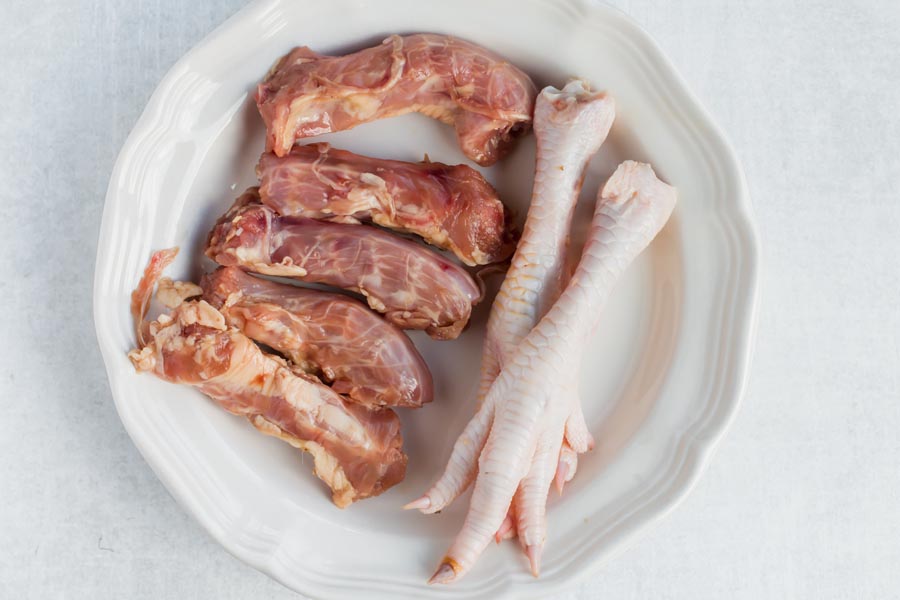
Before diving into whether they’re safe, let’s clarify what we’re talking about. Chicken necks are exactly what they sound like – the neck portion of chickens, including the spine, trachea, connective tissues, and muscles (but not the crop or head). They’re available in two main forms:
- Fresh (raw) chicken necks: Available from supermarkets, butchers, or farmer’s markets, these are unprocessed apart from feather removal.
- Dehydrated chicken necks: These are dried through various methods like slow air-drying, freeze-drying, or using heat/dehydrators.
The Benefits of Chicken Necks for Dogs
Let’s start with the good stuff! Chicken necks offer several benefits for our canine companions:
1. Dental Health Champion
One of the biggest advantages of chicken necks is their dental benefits. As dogs chew on them, the abrasive action helps remove plaque from teeth surfaces. And get this – they contain about half the calories of typical commercial dental chews while providing similar benefits!
2. Joint Health Support
Chicken necks contain loads of connective tissue and cartilage, which are packed with glucosamine and chondroitin. These compounds have been clinically proven to help improve pain, weight-bearing on affected limbs, and the severity of conditions like osteoarthritis.
3. Nutritional Profile
Here’s a quick breakdown of the nutritional content of dried chicken necks:
| Nutrient | Amount |
|---|---|
| Crude Protein | 52-53% |
| Crude Fat | 23-27% |
| Crude Fiber | 0.1-5% |
| Moisture | 6-12% |
Plus, they contain calcium, glucosamine, and chondroitin, which aren’t quantified as specifically in most analyses.
The Risks: Why Chicken Necks Aren’t for Every Dog
Despite their benefits, chicken necks aren’t without risks. Here are the main concerns to be aware of
1. Choking Hazard
The most significant risk is choking, especially for medium to large dogs who might not chew them thoroughly. If your dog tends to “inhale” their food rather than chew it properly, chicken necks could pose a serious danger.
2. Bacterial Infections
Raw chicken products, including necks, can carry bacteria like Campylobacter, Salmonella, and E. coli. One concerning study from the University of Melbourne found a potential link between raw chicken consumption (particularly necks and wings) and acute polyradiculoneuritis (APN), a condition similar to Guillain-Barré syndrome in humans.
3. Not Suitable for Certain Dogs
Chicken necks might not be appropriate for
- Overweight dogs (due to high fat content)
- Dogs with conditions triggered by fatty foods (pancreatitis, inflammatory bowel disease)
- Dogs with chicken allergies (more common than you might think!)
- Puppies (the high calcium content can disrupt bone growth)
Raw vs. Cooked: Which is Safer?
This is where things get tricky! Both approaches have pros and cons:
Raw Chicken Necks:
- Maintain natural nutrients
- Bones remain flexible and less likely to splinter
- Higher risk of bacterial contamination
- May be more difficult for some dogs to digest
Cooked Chicken Necks:
- Reduced bacterial risk
- May be easier to digest
- Cooking can make bones brittle and sharp, increasing injury risk
- Some nutritional value is lost in the cooking process
Most veterinarians and experts recommend raw over cooked if you do choose to feed chicken necks, as cooking can make the bones more dangerous. However, if you’re concerned about bacteria, dehydrated options from reputable sources might be your best bet.
Size Matters: Which Dogs Should Avoid Chicken Necks?
The size of your dog plays a huge role in determining whether chicken necks are appropriate:
- Small breeds: Might manage chicken necks well, but supervision is crucial
- Medium breeds: Higher risk of swallowing pieces that are too large
- Large breeds: Significant choking risk as they might swallow necks whole
For larger dogs, turkey necks might be a better alternative as they’re bigger and require more chewing.
How to Safely Introduce Chicken Necks to Your Dog’s Diet
If you’ve weighed the risks and benefits and decided to give chicken necks a try, here’s how to do it safely:
- Start slowly – Introduce just a small piece and monitor for any adverse reactions
- Supervise always – Never leave your dog alone with a chicken neck
- Choose quality – Look for free-range, organic options with high welfare standards
- Proper storage – Keep raw chicken necks refrigerated or frozen until use
- Practice hygiene – Wash hands and surfaces thoroughly after handling raw chicken products
- Adjust portion sizes – For medium-sized, healthy dogs, 1-2 chicken necks daily might be appropriate (with corresponding reduction in regular food)
Alternatives to Chicken Necks
Not comfortable with chicken necks? There are plenty of alternatives that offer similar benefits:
- Turkey necks: Larger size makes them safer for bigger dogs
- Chicken feet: Similar benefits but smaller bones that crumble more easily
- Bully sticks: Great for dental health through chewing
- Sprats: Tiny dried fish high in omega oils that support joint health
- Antlers: Low-calorie option for overweight dogs
FAQs About Chicken Necks for Dogs
Can puppies have chicken necks?
No, chicken necks are not recommended for puppies. The high calcium content can disrupt bone growth, and the choking risk is higher for inexperienced chewers.
How frequently can I feed my dog chicken necks?
Provided you adjust your dog’s regular food appropriately, you can give chicken necks daily. Small dogs should have no more than one per day, while larger dogs could have up to two daily.
Can chicken necks cause blockages?
Yes, this is one of the most common problems. Most blockages occur in the throat or esophagus before reaching the stomach, where they would normally be broken down by stomach acid.
Do chicken necks help with weight management?
While they’re lower in calories than many commercial treats, chicken necks are still high in fat (23-27%). They’re not ideal for overweight dogs or those prone to weight gain.
Can chicken necks trigger allergies?
Yes, chicken is actually a common allergen for dogs. If your dog develops itching, skin irritation, ear infections, or digestive issues after consuming chicken necks, they might have a chicken allergy.
My Personal Experience
I’ve tried giving my Border Collie chicken necks as an occasional treat, and she absolutely loves them! However, I always make sure to supervise her closely and only purchase them from a local butcher who sources from high-welfare farms. I’ve noticed her teeth do seem cleaner since introducing them, but I still limit them to once or twice a week as part of a balanced diet.
The Bottom Line: Are Chicken Necks Safe for Dogs?
The truth is, there’s no one-size-fits-all answer. Chicken necks can be a healthy, beneficial treat for many dogs when fed appropriately and with proper precautions. However, they’re not without risks and aren’t suitable for every dog.
As with any dietary decision for your pet, it’s best to consult with your veterinarian before introducing chicken necks, especially if your dog has existing health conditions or dietary restrictions.
Remember, the goal is to provide our furry friends with the best nutrition possible while keeping them safe and healthy. Sometimes that might include chicken necks, and sometimes it might not – and that’s perfectly okay!
Have you ever given your dog chicken necks? What was your experience like? I’d love to hear your thoughts in the comments below!
Where to Get Chicken Necks
Every supermarket that features a butcher probably has chicken necks in stock – even if they don’t put them out for sale.
Why? Because butchers have to cut up whole chickens to package the breasts and thighs separately… and inside each of those whole chickens is a neck, liver, and other lovely organ meats.
In many supermarkets, these nutritious and delicious items are thrown out. In areas where folks know how good these foods are for you (and your dog), they may be packaged separately and sold in the meat area.
If you do not see chicken necks available in the meat section, ask the butcher if they have any chicken or turkey necks in the back. They will likely be very inexpensive, or even, depending upon the store, free.
In a pinch, you can always buy a whole chicken to cook for yourself and give your dog the organ meats and chicken neck inside.
How to Cook Chicken Necks
If you do a quick internet search on feeding chicken necks to dogs, you will find that the majority of the sites strongly advocate for feeding the necks raw. While this can be a good option for healthy dogs, feeding raw meat to a cancer patient is asking for trouble.
Dogs with cancer have weakened immune systems. Not only are their bodies busy trying to fight cancer, but cancer itself suppresses the immune system.
Raw chicken can develop harmful bacteria such as E. coli and Salmonella both on the surface of the meat and within the tissue. Bacteria levels that might not be a problem for a healthy dog can cause infection in a dog with cancer.
Because of this, Dr. Dressler recommends cooking all chicken all the way through to ensure that all harmful pathogens have been killed.
There are several ways that you can cook chicken necks for your dog to eat safely.