
We’re big fans of goat horns. Goat horns are like the best kind of chew toy – but better – because they’re totally edible and completely delicious. There are innumerable benefits that chomping down on a goat horn offers your dog. The chomp helps promote dental health, vigorous mental stimulation and satisfying their instinctual need to chew.
Despite this, some people still balk before buying natural dog treats. And we get it – our dogs are our furry children. There are some unfortunate myths circulating, that might give you reason to pause before clicking purchase. So let’s myth-bust those misconceptions about goat horns.
Have you ever watched your furry friend gnaw away at something and wondered what’s actually safe for them to chew? If you’re considering horns as a natural treat option you’re not alone! Many pet parents are turning to natural alternatives like goat horns buffalo horns, and deer antlers as long-lasting chew options. But the big question remains – are these horns actually safe for our four-legged companions?
As a dog owner myself, I’ve spent countless hours researching the best treats for my power chewer. Let’s dive into everything you need to know about horns for dogs – the good, the bad, and everything in between!
The Benefits of Horn Chews for Dogs
Natural horn chews come with several advantages that make them appealing to both dogs and their owners:
Dental Health Champions
One of the biggest perks of horn chews is their dental benefits When your dog chews on a horn, the natural friction helps
- Remove plaque buildup
- Prevent tartar formation
- Keep teeth clean and strong
- Freshen breath naturally
As your dog gnaws away, they’re essentially giving themselves a dental cleaning, which can contribute to better oral health in the long run.
Mental Stimulation and Anxiety Relief
Dogs have an instinctual need to chew – it’s simply part of their nature! Chewing releases endorphins which creates a calming effect. This makes horn chews particularly beneficial for
- Dogs with separation anxiety
- Stressful situations like thunderstorms or fireworks
- Mental stimulation and boredom relief
- Satisfying natural chewing instincts
Nutritional Benefits
Unlike synthetic chews, natural horns offer some nutritional value:
- High in protein
- Low in fat (great for weight management)
- Contains minerals like calcium and phosphorus
- Supports bone and muscle health
Long-Lasting Entertainment
Perhaps one of the most appealing aspects of horn chews is their durability. While some treats disappear in minutes, horns can last for weeks or even months, depending on your dog’s chewing style. This makes them quite cost-effective in the long run!
Types of Horns for Dogs
Not all horns are created equal! Let’s explore the most common types of horn chews available for dogs:
Goat Horns
Goat horns are a popular choice among dog owners. These natural chews are 100% edible and don’t contain any additives or preservatives. The enzymes in your dog’s saliva naturally soften the horn’s edges as they chew, making them somewhat safer than completely rigid options.
WAG, a natural dog treat company, sources their goat horns from Victorian farms where goats are raised for human consumption. During processing, they remove the inner membrane, leaving an empty horn that can be filled with other treats like peanut butter for added excitement.
Buffalo Horns
Buffalo horns typically come from water buffalo that are free-range and grass-fed. These horns have a bone core covered in keratin (the same material as our fingernails). After harvesting, they’re cleaned, soaked in hot water to remove the inner core, sanded to eliminate sharp edges, covered in natural sunflower oil, and then sun-dried.
Buffalo horns are generally less greasy than other natural chews but may have a slight earthy smell that some people notice more than others. They’re excellent for dental health and can last for weeks or even months.
Deer Antlers
While not technically horns (antlers shed annually, unlike horns which last the animal’s lifetime), deer antlers are often grouped with horn chews. They’re extremely hard and durable, which can be both a benefit and a risk.
Antlers start as cartilage and gradually mineralize over several months. After the breeding season, they naturally shed, and new ones grow the following year. Many pet owners appreciate that antlers are naturally sourced without harming the animal.
Are Horns Safe for Dogs? The Risks to Consider
While horn chews offer many benefits, they aren’t without risks. Here are the potential downsides to consider:
Dental Damage
The hardness that makes horns long-lasting can also pose a risk to your dog’s teeth. Aggressive chewers may apply too much pressure, potentially resulting in:
- Cracked or chipped teeth
- Broken teeth exposing the sensitive pulp
- Painful dental injuries requiring veterinary care
- Expensive dental procedures like extractions or root canals
Choking and Digestive Risks
As your dog chews, pieces of the horn may break off. This creates several potential hazards:
- Sharp splinters that could cut your dog’s mouth
- Choking on larger fragments
- Intestinal blockage if pieces are swallowed
- Potential perforation of the digestive tract
Not Suitable for All Dogs
Horn chews aren’t one-size-fits-all treats. They may not be appropriate for:
- Puppies with delicate baby teeth
- Senior dogs with dental issues
- Dogs with a history of aggressive chewing
- Small breeds with more fragile jaw structures
How to Minimize the Risks of Horn Chews
If you decide to give your dog horn chews, follow these safety guidelines to minimize potential risks:
Always Supervise Chewing Sessions
Never leave your dog alone with a horn chew. Keep an eye on them to:
- Watch for splintering or breaking
- Remove the horn if large pieces break off
- Prevent excessive chewing that could damage teeth
- Intervene quickly if any problems arise
Choose the Right Size
Match the horn size to your dog’s size and chewing style:
- Larger, thicker horns for bigger dogs
- Smaller horns for small breeds
- Consider split horns for medium chewers
- Avoid horns with sharp points that could cause injury
Inspect Regularly
Routinely check horn chews for:
- Cracks or damage
- Sharp edges that could cut your dog’s mouth
- Signs of splintering
- Small pieces that could be swallowed
Know When to Replace
Discard horns when they:
- Become too small and pose a choking hazard
- Show significant wear or damage
- Develop sharp edges
- Begin to splinter or crack
Limit Chewing Time
Even with appropriate horns, it’s best to:
- Offer horn chews for limited periods (15-30 minutes)
- Remove the horn if your dog chews too aggressively
- Provide variety with different types of chews
- Give horn chews as occasional treats rather than daily
Are Horns Safe for Puppies?
Puppies require special consideration when it comes to chew toys. Most experts advise against giving hard horn chews to puppies who still have their baby teeth. The deciduous teeth of puppies are more fragile than adult teeth and more likely to break when chewing on hard objects.
For puppies, consider these alternatives instead:
- Softer puppy-specific chew toys
- Frozen washcloths for teething relief
- Puppy-appropriate dental chews
- Kong toys filled with soft treats
Once your puppy has all their adult teeth (typically around 6-7 months of age), you might gradually introduce softer horn options like split antlers, but it’s best to wait until they’re at least one year old for full horn chews.
Alternatives to Horn Chews
If you’re concerned about the risks associated with horn chews, there are plenty of safer alternatives:
Dental Chews
Specially formulated dental chews can help clean teeth without the hardness of natural horns. Look for options with the Veterinary Oral Health Council (VOHC) seal of approval.
Rubber Chew Toys
High-quality rubber toys like Kong products offer durability without the risk of splintering. Many can be stuffed with treats for added engagement.
Softer Natural Chews
Consider these natural alternatives that are generally safer than hard horns:
- Bully sticks (though watch for calories)
- Tendons and ligaments
- Fish skin treats
- Natural rubber or vegetable-based chews
Interactive Toys
Puzzle toys and interactive feeders provide mental stimulation without the risks associated with hard chews.
The Verdict: Are Horns Safe for Dogs?
So, are horns safe for dogs? The honest answer is: it depends on your individual dog. Horns can be relatively safe for some dogs when used with proper supervision and precautions, but they’re not right for every pup.
The safest approach is to:
- Consider your dog’s chewing style and dental health
- Always supervise chewing sessions
- Choose appropriately sized horns
- Inspect horns regularly for damage
- Remove them at the first sign of splintering
- Consult with your veterinarian about the best chew options for your specific dog
Remember that even the most natural treats come with some risks. What works perfectly for one dog may not be suitable for another. I’ve found that rotating different types of chews keeps my dog interested and reduces the risk of any single chew being overused.
Final Thoughts
When it comes to our furry friends, safety should always be the priority. While horns offer great benefits like dental care, mental stimulation, and long-lasting entertainment, these benefits must be weighed against the potential risks.
For many dogs, horns can be an excellent occasional treat when provided with proper supervision. For others, particularly aggressive chewers or dogs with dental issues, alternative chews might be a better choice.
Have you tried horn chews with your dog? What’s been your experience? We’d love to hear your thoughts and tips in the comments below!
Disclaimer: Always consult with your veterinarian before introducing new treats or chews to your dog’s routine, especially if they have existing health or dental conditions.
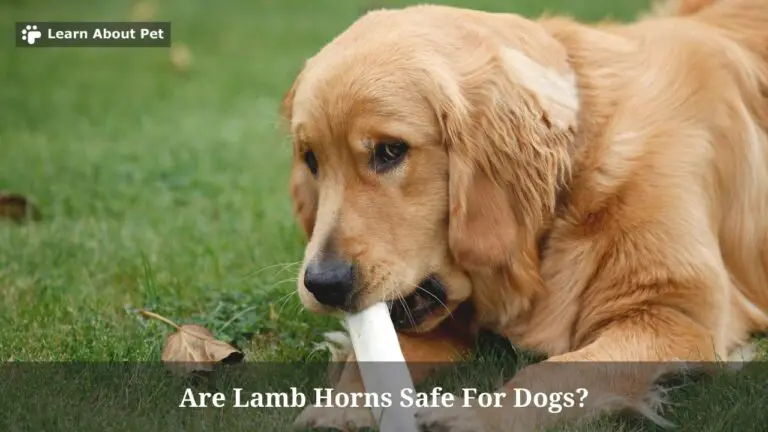
Why do dogs chew everything?
To get right to the marrow of why goat horns are so great for doggos, we’ve got to delve into the reasons why goat horns, and chewing them, is so addictive.
Chewing is a natural, instinctive, and super important part of a dog’s life. Not having hands, dogs instead use their mouths to investigate their world. Sometimes this investigation leads them to chow down on things they really shouldn’t, like our shoes or the inside of our couch.

Dogs often use chewing to relieve boredom and stress, and frequently to create their own fun (when you aren’t around to play catch or tug). If they’re not given an appropriate outlet to satisfy their need to gnaw, they’ll find their own alternatives for destruction.
Warning – it might not be human-approved. Here’s where occupy treats come in.
Are goat horns safe for dogs?
A resounding YES! Dogs are born to chew, with their jaw and teeth built for gnawing on tough animal parts. Goat horns are extra special — the enzymes in dogs’ saliva soften the edges and they break away for a satisfying crunch.
Are Deer Antlers Actually Safe For Your Dog?
FAQ
Are buffalo horns good for dogs?
If plaque builds up on the teeth, it can lead to wobbly teeth and inflamed gums, so preventing this will keep your dog’s mouth comfortable and healthy. Buffalo horns can therefore keep your dog’s teeth pearly white and breath smelling fresh due to the reduction in plaque. Buffalo horns are nutritious treats which are high in protein and low in fat.
Are horns safe for dogs to chew on?
Horns are generally considered safe for dogs to chew on, but like any chew toy, they come with risks. They are hard and durable, which makes them a long-lasting chew option, but they can also pose a risk of choking if a small piece breaks off and is swallowed. Additionally, the hard nature of horns can potentially fracture a dog’s teeth.
Are horns good for dogs?
Horns offer several benefits for dogs, making them a popular choice among pet owners for a natural and durable chew option. Here are some of the notable benefits of horns for dogs: Dental Health: Chewing on horns helps to naturally clean a dog’s teeth. It can help reduce the buildup of plaque and tartar, promoting overall oral health.
What happens if a dog chews a buffalo horn?
Heavy chewers may splinter a buffalo horn (which could also cut them), break off chunks (risking blockage) or break their teeth. If your dog is a heavy chewer you may want to find an alternative treat. Like many natural treats, buffalo horns can come with some risks.
Are goat horns good for dogs?
PRO: Horns for dog chews are about half the price of dog antlers. (You might spend $6 to $15 apiece for high-quality goat horns, compared to $10 to $25 apiece for premium antlers.) CON: The biggest downside is the fact that the marrow inside is rather hard to get at — so my dogs tend to get bored with chewing on a horn rather easily.
Are lamb horns good for dogs?
Whitetail Naturals offers a 2-pack of lamb horns for dogs, providing a long-lasting chew bone that satisfies a dog’s chewing instincts and can help with behaviors like boredom and anxiety. These all-natural chews promote dental hygiene by strengthening teeth, gums, and jaw muscles while reducing tartar, plaque, and bad breath.
Why do vets not like antlers for dogs?
Antlers can cause painful fractured teeth. Smaller antler pieces could pose a choking hazard. Ingested pieces of antler chews can cause an obstruction, which may require surgery.
Are deer horns ok for dogs to chew on?
Are horns ok for dogs to eat?
Digestible – Lamb horns are easily digestible due to them being a single source protein meaning they have no added additives or fillers. So don’t worry if a small part comes off the horn and your dog eats it, it shouldn’t cause them harm.
Do vets recommend antlers for dogs?
No, veterinarians do not generally recommend antlers for dogs due to significant risks of fractured teeth, choking, and gastrointestinal blockages, as antlers are harder than a dog’s teeth. While some vets may have different opinions, most advise against them and suggest safer, veterinarian-approved chew toys as alternatives for chewing needs and dental health.