
Hey there, fellow dog lovers! I’ve been getting tons of questions lately about whether our furry friends can safely munch on lentils With so many pet parents moving toward more plant-based options in their own diets, it’s natural to wonder if your pooch can share in these nutritional powerhouses So today, I’m diving deep into the big question are lentils toxic to dogs?
The Quick Answer: No, Lentils Aren’t Toxic to Dogs (But There’s More to Know!)
Let me cut straight to the chase – lentils are not toxic to dogs. In fact, they can be a healthy addition to your dog’s diet when prepared properly and given in moderation. But before you start serving up lentil soup to Fido, there are some important things you should know about how these little legumes might affect your furry friend.
As of June 28, 2023, it’s been confirmed that dogs can eat red lentils specifically, as they tend to have a mild taste that even picky pups might enjoy. But what about other types of lentils and potential concerns? Let’s dig deeper!
The Nutritional Benefits of Lentils for Dogs
Lentils pack a serious nutritional punch that can benefit your dog in several ways
- High in Protein (9g per 100g cooked) – Supports muscle maintenance, though it lacks some essential amino acids your dog needs
- Rich in Fiber (8g per 100g cooked) – Promotes healthy digestion and helps regulate stool consistency
- Good Source of Iron (3.3mg per 100g) – Supports red blood cell production and oxygen transport
- Low in Fat (0.4g per 100g) – Can help maintain healthy weight in overweight dogs
- Contains Antioxidants – May reduce inflammation and support long-term health
But remember, while these benefits sound great, lentils should be a supplement to your dog’s diet, not a replacement for high-quality animal proteins. Dogs are primarily carnivores and need meat-based proteins to thrive.
5 Key Benefits of Lentils for Your Pup
When prepared properly and fed in moderation, lentils can offer these benefits:
- May help diabetic dogs – Lentils have a low glycemic index, meaning they release energy slowly and can help regulate blood sugar levels
- Provide excellent energy source – The iron in lentils helps transport oxygen to cells and boosts metabolism
- Function as a superfood – The high fiber content may contribute to lower cholesterol and blood pressure
- Potential disease prevention – Contain selenium, which may reduce tumor growth and inflammation
- Weight management support – High fiber content helps dogs feel fuller longer, potentially aiding weight loss
The Potential Risks: When Lentils Might Not Be Good for Dogs
Even though lentils aren’t toxic, they do come with some potential downsides that every pet parent should know about:
1. Digestive Issues
Lentils can be harder for dogs to digest than other carbs like rice or potatoes The high fiber content might cause gas, bloating, or diarrhea in some dogs, especially if introduced too quickly or in large amounts
2. Incomplete Protein Source
While lentils contain protein, they lack essential amino acids like taurine and methionine that dogs need. This is why lentils should never replace meat in a dog’s diet.
3. Anti-Nutrients Concerns
Raw or undercooked lentils contain compounds called lectins and phytates, which can interfere with nutrient absorption and cause stomach upset. Always cook lentils thoroughly before feeding them to your dog!
4. Potential Link to Heart Disease
Here’s something worth paying attention to: In 2018, the FDA began investigating grain-free dog foods containing high amounts of lentils, peas, and other legumes for a possible link to dilated cardiomyopathy (DCM), a serious heart condition. While no direct cause has been proven, it’s something to be aware of if you’re considering adding significant amounts of lentils to your dog’s diet.
How to Safely Feed Lentils to Your Dog
If you’ve decided to introduce lentils to your dog’s diet, here are my top tips for doing it safely:
Proper Preparation is Crucial
- Always cook lentils thoroughly – Raw lentils contain anti-nutrients that can block digestion
- Serve plain – No salt, garlic, onions, or seasonings (these can be toxic to dogs!)
- Mix with protein sources – Combine with lean meats or eggs for a balanced meal
- Introduce slowly – Start with tiny portions to avoid digestive upset
Recommended Serving Sizes
Moderation is key when it comes to feeding lentils to dogs. Here’s a helpful guide:
| Dog Size | Maximum Lentil Serving (Cooked, Per Meal) | Recommended Frequency |
|---|---|---|
| Small Dogs (Under 20 lbs) | 1 teaspoon – ½ tablespoon | 2-3 times per week |
| Medium Dogs (20-50 lbs) | 1-2 tablespoons | 2-3 times per week |
| Large Dogs (50+ lbs) | 2-3 tablespoons | 2-3 times per week |
For puppies, even more caution is needed:
- Under 3 months: Not recommended (too fibrous for young puppies)
- 3-6 months: ½ teaspoon once per week
- 6+ months: 1 teaspoon 1-2 times per week
Different Types of Lentils for Dogs
Not all lentils are created equal when it comes to doggy digestion:
- Red lentils – Easiest to digest, cooks fastest, best for sensitive stomachs
- Green lentils – Slightly higher in fiber, firmer texture, takes longer to cook
- Brown lentils – Most commonly used, moderate digestibility
- Yellow lentils – Another option that dogs can safely eat
When to Avoid Giving Lentils to Your Dog
There are some situations where lentils might not be the best choice for your furry friend:
- Dogs with kidney disease – Lentils have moderate phosphorus levels, which may strain compromised kidneys
- Dogs taking certain medications – Lentils can interact with diabetes medications, blood pressure medications, and iron supplements
- Dogs with sensitive digestive systems – If your dog has IBS or is prone to gas and bloating, lentils might exacerbate these issues
Common Questions About Dogs and Lentils
Can dogs eat lentils every day?
Nope! Lentils should not be a daily staple in your dog’s diet. Feeding them too frequently may lead to digestive issues or interfere with nutrient absorption. Stick to 2-3 times per week in small amounts.
Can lentils help with my dog’s constipation?
Yes, lentils can help promote healthy digestion due to their high fiber content, but moderation is key to avoiding excess gas or bloating. Make sure your dog drinks plenty of water if you’re using lentils to relieve constipation.
Are lentils a good protein source if my dog is allergic to chicken or beef?
While lentils can be a supplemental protein source, they are not a complete replacement for animal proteins. Dogs require all 10 essential amino acids, and lentils lack taurine and methionine. If your dog has meat allergies, consider novel proteins like duck, venison, or fish instead of relying solely on lentils.
Do lentils cause gas in dogs?
Yes, lentils can cause gas because they contain complex carbohydrates and fermentable fibers that some dogs struggle to digest. Cooking lentils thoroughly and starting with small portions can help reduce gas formation.
Can I feed my dog lentil soup?
No! Most lentil soups contain ingredients that are toxic or unhealthy for dogs, including onions, garlic, salt, and various spices. If you want to share lentils with your dog, cook them separately and serve plain.
My Personal Experience with Feeding Lentils to My Dog
I’ve tried adding small amounts of cooked red lentils to my Labrador’s food occasionally, and he seems to digest them pretty well. But my neighbor’s Chihuahua had some serious gas issues after eating even a tiny portion! This just goes to show that every dog is different, and what works for one might not work for another.
When I first introduced lentils, I started with literally just a pinch mixed into his regular food. After seeing no adverse reactions, I gradually increased to about a tablespoon a couple times a week. It’s been a nice way to add some variety to his diet without breaking the bank.
The Bottom Line: Moderation is Key
So, are lentils toxic to dogs? No, they’re not toxic when prepared properly. But they should be viewed as an occasional supplement rather than a dietary staple. Here are the key takeaways:
- ✅ Lentils are safe in moderation and offer fiber, protein, and micronutrients
- ⚠️ They should never replace meat-based proteins as they lack essential amino acids
- ❤️ The DCM link remains inconclusive, but caution is advised for dogs on legume-heavy diets
- Cook lentils thoroughly and serve plain to avoid digestive issues
- Stick to small portions (1 tsp – 3 tbsp, depending on dog size) to prevent bloating or gas
Have you tried giving lentils to your dog? I’d love to hear about your experience in the comments below!

Reviewed by Joana Babo, DVM
Lentils are a highly nutritious legume that many people enjoy as part of their regular diet. But have you ever considered feeding lentils to your precious pooch? Can dogs eat lentils, or are they toxic to dogs?
- Dogs can safely eat cooked lentils, which can be a nutritious addition to their diet.
- Lentils are high in protein and fiber, supporting dogs energy, digestion, and overall health.
- Its important to cook lentils properly; avoid dried lentils and feed in moderation to prevent potential health issues.
Can dogs eat lentils?
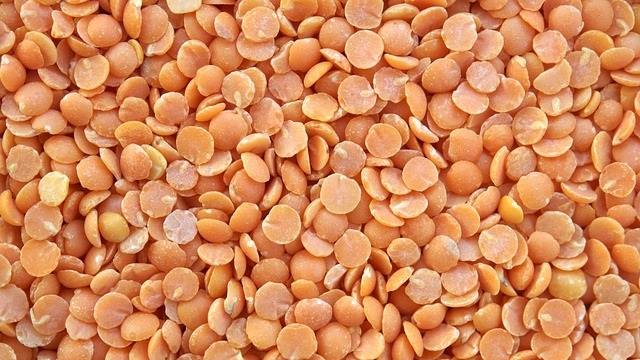
Dogs can eat lentils, and they can make a very nutritious addition to your dog’s diet. For this reason, you will often see lentils and other pulses on the ingredient list for commercial dog foods.
Lentils should be cooked before being fed to dogs, in the same way as we would eat them.
Most dogs seem to enjoy the flavor of lentils and, when fed correctly and safely, they are a delicious and nutritious foodstuff for your canine buddy.