
AKC is a participant in affiliate advertising programs designed to provide a means for sites to earn advertising fees by advertising and linking to akc.org. If you purchase a product through this article, we may receive a portion of the sale.
For humans, pistachios are a popular snack that’s high in fiber, protein, and vitamin B6. These nuts are also common ingredients in a variety of dishes from salads to desserts. If you’re snacking on pistachios or cooking with them, you might be asking yourself: Can dogs eat pistachio nuts? Are pistachios bad for dogs?
Have you ever been snacking on some delicious pistachios and noticed your furry friend giving you those big puppy eyes? I know I have! It’s so tempting to share our favorite treats with our dogs, but when it comes to nuts like pistachios, we need to be careful. So, are pistachio nuts OK for dogs? Let’s dive into everything you need to know about dogs and pistachios to keep your pup safe and healthy.
The Short Answer: Proceed with Caution
No pistachios are generally not recommended for dogs. While they aren’t explicitly toxic like some other nuts, they pose several health risks that make them a poor choice for canine treats.
According to Dr Jerry Klein, Chief Veterinarian for the American Kennel Club (AKC), “Though pistachios are not in themselves toxic to dogs, there are concerns with dogs eating large amounts of pistachios” For your dog’s safety, it’s best to avoid feeding them pistachios altogether.
Why Pistachios Can Be Problematic for Dogs
1. High Fat Content – A Recipe for Pancreatitis
Pistachios contain a high amount of fat which can be problematic for our four-legged friends. Dogs’ digestive systems aren’t designed to process large amounts of fat and this can lead to pancreatitis – a serious and potentially life-threatening condition.
Symptoms of pancreatitis in dogs include:
- Vomiting
- Diarrhea
- Loss of appetite
- Lethargy
- Abdominal pain
- Dehydration
- In severe cases, collapse and shock
2. Choking Hazards and Intestinal Blockages
Pistachios, especially when still in their shells, pose a significant choking risk for dogs of all sizes. The shells are hard and can get lodged in your dog’s throat or digestive tract.
Even without the shells, whole pistachios can cause problems. If your dog gulps them down without chewing properly (as many dogs tend to do), they might cause an intestinal blockage.
Signs of choking include:
- Panic
- Pawing at the mouth
- Coughing
- Difficulty breathing
Signs of intestinal blockage include:
- Vomiting
- Constipation or diarrhea
- Abdominal pain
- Lethargy
- Loss of appetite
3. Potential Toxic Components
While pistachios themselves aren’t toxic to dogs like macadamia nuts are, they can contain substances that are harmful:
-
Urushiol: This is the same compound found in poison ivy and can cause an allergic-type reaction in some dogs.
-
Aflatoxin: This is a toxin produced by mold that can grow on pistachios and other nuts. According to the FDA, aflatoxins can be present even without visible mold. Symptoms of aflatoxin poisoning include loss of appetite, sluggishness, vomiting, jaundice, unexplained bruising or bleeding, and diarrhea.
4. Salt Content
Most commercially available pistachios are salted, and excessive salt isn’t good for dogs. Too much salt can lead to sodium ion poisoning and dehydration.
What If My Dog Accidentally Eats Pistachios?
If your furry friend manages to sneak a few pistachios when you weren’t looking, don’t panic immediately. One or two pistachios probably won’t cause serious harm to a medium or large dog, but you should still monitor them closely for any adverse reactions.
However, if your dog consumes a large quantity of pistachios or if you have a small dog who’s eaten even a few, it’s best to contact your veterinarian or emergency vet clinic right away.
Watch for These Symptoms:
- Vomiting
- Diarrhea
- Lethargy
- Loss of appetite
- Abdominal pain
- Excessive thirst
- Difficulty passing stool
If You Still Want to Share (Rarely and Carefully)
If you’re absolutely determined to share pistachios with your dog (which I don’t recommend), here are some guidelines for minimizing the risks:
| Dog Size | Maximum Pistachio Amount (Occasional Treat Only) |
|---|---|
| Extra-small (2-20 lbs) | One pistachio |
| Small (21-30 lbs) | Two pistachios |
| Medium (31-50 lbs) | Three to four pistachios |
| Large (51-90 lbs) | Five to six pistachios |
| Extra-large (91+ lbs) | Small handful of pistachios |
When preparing pistachios for your dog:
- Choose completely plain, unsalted pistachios
- Remove ALL shells
- Crush or smash the nuts to prevent choking
- Consider sprinkling them over regular dog food instead of giving them whole
Remember, even when following these guidelines, pistachios should only be an OCCASIONAL treat, not a regular part of your dog’s diet. And treats of any kind should make up no more than 10% of your dog’s daily caloric intake.
Healthier Alternatives to Pistachios for Dogs
Instead of taking risks with pistachios, why not treat your dog to some safer, dog-friendly snacks? Here are some nutritious alternatives your pup will love just as much:
- Carrot sticks – Crunchy and full of vitamins
- Apple slices (without seeds) – Sweet and crisp
- Green beans – Low-calorie and satisfying
- Plain, cooked chicken – Protein-packed and delicious
- Commercial dog treats – Specifically formulated for canine nutrition
The Bigger Picture: Dogs and Nuts in General
Pistachios aren’t the only nuts that can cause problems for dogs. Here’s a quick reference guide for other common nuts:
- Absolutely avoid: Macadamia nuts (toxic to dogs), walnuts (can contain harmful mold)
- Use extreme caution with: Almonds, pecans, pistachios
- Safer options: Small amounts of plain peanuts (not peanut butter with xylitol)
My Personal Experience
I once made the mistake of leaving a bowl of pistachios on my coffee table while I went to answer the door. When I came back, my Lab mix, Buddy, had helped himself to quite a few! I called my vet immediately, who advised me to monitor him closely for the next 24 hours. Luckily, Buddy didn’t develop any serious symptoms, but I learned my lesson about keeping all nuts securely out of his reach.
The Bottom Line
While pistachios aren’t immediately toxic to dogs in the way that chocolate or grapes are, they come with enough risks that it’s best to keep them away from your furry friends. The potential for pancreatitis, choking hazards, intestinal blockages, and aflatoxin poisoning simply outweigh any nutritional benefits they might provide.
As pet parents, we want to share our lives and sometimes our food with our beloved dogs. But when it comes to pistachios and other nuts, it’s best to show your love in safer ways. There are plenty of dog-friendly treats that won’t put your pup’s health at risk!
Remember: when in doubt about any food item for your dog, it’s always best to consult with your veterinarian. They know your dog’s specific health history and can provide personalized advice.
Has your dog ever gotten into pistachios or other nuts? How did they react? Share your experiences in the comments below!
FAQs About Dogs and Pistachios
What should I do if my dog ate pistachio shells?
If your dog has consumed pistachio shells, contact your veterinarian immediately. Shells can cause choking or intestinal blockages which may require medical intervention.
Are there any nuts that are safe for dogs?
Plain, unsalted peanuts in small quantities are generally considered safe for most dogs, but all nuts should be given with caution due to their high fat content. Always consult your vet before introducing new foods.
Can puppies eat pistachios?
No, puppies should definitely not eat pistachios. Puppies have even more sensitive digestive systems than adult dogs and are at greater risk for choking.
What about pistachio ice cream for dogs?
Pistachio ice cream is even worse than plain pistachios for dogs. It contains high amounts of sugar and fat, and may contain ingredients like xylitol that are toxic to dogs. Plus, many dogs are lactose intolerant.
How long after eating pistachios might my dog show symptoms of problems?
Symptoms of digestive upset can appear within hours, while signs of pancreatitis might take 24-48 hours to develop. Always monitor your dog closely after they’ve consumed something questionable.
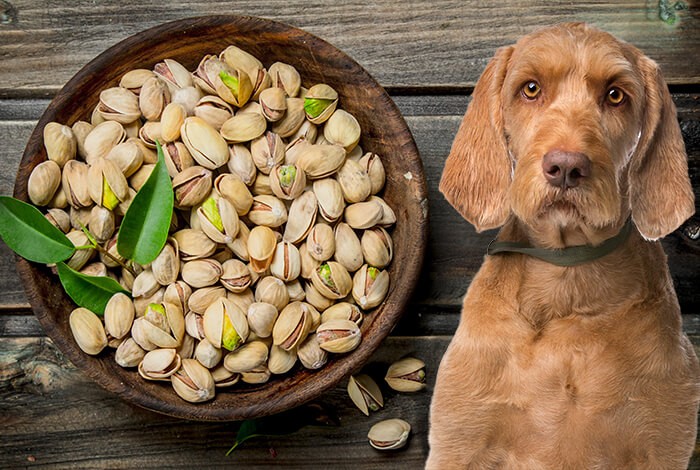
What to Do If Your Dog Eats Pistachios
In large quantities, pistachios can make your dog very sick. As a result, it’s best to keep all pistachios away from your dog. If your dog does get into your pistachios or discarded pistachio shells, it’s best to consult with your dog’s veterinarian or your closest emergency veterinary clinic right away.
Can Dogs Eat Pistachios?
“Though pistachios are not in themselves toxic to dogs, there are concerns with dogs eating large amounts of pistachios,” advises Dr. Jerry Klein, Chief Veterinarian for the AKC. For your dog’s safety, it’s best to avoid feeding them pistachios. Pistachios can upset your dog’s stomach, and when consumed in large quantities, pistachios can pose several health risks:
If your dog tries to swallow pistachios or their shells, they could become choking hazards and get lodged in your pet’s throat. If you’re eating nuts, be sure to properly dispose of the shells in a trashcan or compost bin that your dog can’t access.

Pistachios’ high fat content makes them dangerous for dogs. “The nut is high in fat, salt, and could cause gastrointestinal issues in some dogs,” explains Dr. Klein. Consumption of fatty, salty snacks can lead to pancreatitis in dogs.
Symptoms to watch for include diarrhea, vomiting, and loss of appetite. Pancreatitis is a serious condition and can progress quickly. If your dog seems lethargic or has any gastrointestinal upset after eating pistachios, consult a veterinarian immediately.
Although pistachios aren’t explicitly toxic, they do contain substances that are dangerous to dogs. Urushiol, which is also found in poison ivy, makes dogs sick with an allergy-like response. Aflatoxin is naturally produced from mold that grows on the shells of nuts. Consuming aflatoxin can make dogs weak and lethargic, cause gastrointestinal upset, and even lead to seizures.
