
Sometimes, in the name of ideology, families get torn asunder. During the Civil War, brothers faced each other across Union and Confederate lines. After World War II, the Berlin Wall separated families, and fates.
And in dogs more than a century ago, we had a similar philosophical divide between the fighting dog known as the American Pit Bull Terrier and their pacifist sibling, later to be called the American Staffordshire Terrier.
No use sugarcoating it: Pit bulls were created to be dogfighters and very good ones at that. In England after 1835, when bull- and bear-baiting were officially outlawed, blood sports pivoted to illegal matches that could be less visible, but just as lucrative. Since fighting another dog rather than a chained bear or bull required greater agility, Bulldogs were crossed with terriers to produce fearsomely fleet dogs that would excel in the fighting pit.
(Though it seems counterintuitive, dogs bred for fighting their own kind were intrinsically human-friendly. They had to be, in order for these high-stakes matches to run smoothly. According to the cold-blooded rules of the fighting pit, any dog that bit humans – whether the opponent’s handler, the referee, or anyone in the vicinity, even in the heat of battle – did not live to fight another day, and was dispatched on the spot.)
Within a few decades, these “bull and terriers” made their way across the Atlantic. While they were still used for fighting in the States, their rough-and-ready attitude and intense loyalty made them a logical choice for the frontier, where they herded livestock, caught hogs, and guarded home and hearth.
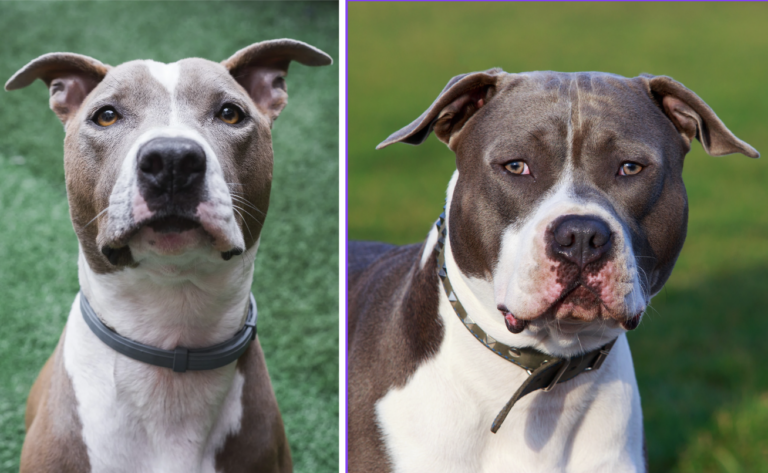
Ever looked at a muscular, short-haired dog and wondered if you’re looking at a Pit Bull or an American Staffordshire Terrier? You’re not alone! The confusion between these breeds is super common, and I’ve spent years trying to figure out the difference myself. Let’s dive into this topic and clear things up once and for all.
The Confusing World of “Bully Breeds”
First things first – “Pit Bull” isn’t actually a specific breed at all! This surprised me when I first learned it. The term “Pit Bull” is more like a catch-all phrase that covers several different bully breeds including
- American Staffordshire Terrier
- American Pit Bull Terrier
- American Bully
- American Bulldog
- Staffordshire Bull Terrier
So when someone says “Pit Bull” they could be referring to any of these dogs! No wonder there’s so much confusion.
American Staffordshire Terrier: A Recognized Breed
The American Staffordshire Terrier (often called AmStaff) is a specific breed recognized by the American Kennel Club (AKC). These dogs have:
- A muscular, stocky build
- Height of about 17-19 inches at the shoulder
- Weight between 40-70 pounds
- Short, stiff coat in various colors
- Natural, uncropped ears
- Broad head with pronounced cheek muscles
AmStaffs have a detailed breed standard and can participate in AKC dog shows and competitions They’re known for being loyal, intelligent, and good with families
American Pit Bull Terrier: Similar But Different
The American Pit Bull Terrier (APBT) is recognized by the United Kennel Club (UKC) but not by the AKC. They’re very similar to AmStaffs in many ways:
- Height of about 17-21 inches at the shoulder
- Weight of 35-60 pounds for males, 30-50 pounds for females
- Athletic, muscular build
- Short, dense coat
- Various colors and patterns
The APBT breed standard emphasizes balance in the dog’s proportions. They need to be both powerful and agile – not too leggy or too squat.
The Historical Connection
Here’s where it gets really interesting! Both breeds actually share the same ancestors. Back in the 19th century, these dogs were unfortunately bred for bloodsports like bull-baiting and dogfighting (horrible practices that are thankfully illegal now).
In the 1930s, the AKC wanted to distance the breed from this fighting heritage, so they registered these dogs as “Staffordshire Terriers” (later changed to American Staffordshire Terriers). Meanwhile, the UKC continued to register them as American Pit Bull Terriers.
So basically, these breeds started from the same stock but began to diverge when they were registered by different kennel clubs. It’s like they’re cousins with a shared family history!
Comparing Them Side by Side
Let’s break down the key differences:
| Characteristic | American Staffordshire Terrier | American Pit Bull Terrier |
|---|---|---|
| Recognition | AKC recognized | UKC recognized (not AKC) |
| Size | 17-19 inches, 40-70 pounds | 17-21 inches, 30-60 pounds |
| Build | More standardized, stockier | More variable, sometimes leaner |
| Purpose | Show dogs and companions | Originally more working/sporting |
| Temperament | Family-oriented, confident | Energetic, people-oriented |
Temperament: Busting the Myths
Both of these breeds have gotten a bad rap due to their history and misuse by irresponsible owners. But the truth is, both AmStaffs and APBTs were bred to be:
- Extremely loyal to humans
- Good with children (the Staffordshire Bull Terrier, a related breed, was even nicknamed “the Nanny Dog”)
- Non-aggressive toward people
- Eager to please their owners
The old “Little Rascals” TV show from the 1920s and 1930s featured a pit bull named Petey as the children’s faithful companion – that’s how trusted these dogs were with kids!
It’s worth noting that these breeds were historically bred to be dog-aggressive while remaining human-friendly. This means early socialization with other animals is super important. A well-bred, properly socialized AmStaff or APBT can be wonderful with other pets.
Activity Needs: Energetic Athletes
Both breeds are athletic powerhouses with tons of energy to burn. They excel at:
- Agility
- Weight pulling
- Flyball
- Dock diving (for those who like water)
- Obedience competitions
- Disc dog sports
Remember Wallace? He was a pit bull who became a world champion disc dog! These dogs thrive when given jobs and activities that challenge them physically and mentally.
After a good workout, though, they’re total couch potatoes who love nothing more than cuddling with their humans – preferably under the blankets!
The Confusion Factor
So why do people mix these breeds up? Well:
- They look very similar to the untrained eye
- The “Pit Bull” label gets applied to many different dogs
- Media often doesn’t distinguish between specific bully breeds
- Their shared ancestry makes them genuinely related
- In everyday conversation, the terms get used interchangeably
How to Tell Them Apart
If you’re trying to identify whether a dog is an AmStaff or APBT, here are some subtle clues:
- Size: APBTs can be slightly taller with a bit more leg
- Build: AmStaffs tend to be stockier with a more standardized appearance
- Head: AmStaffs often have a slightly broader head
- Papers: The simplest way is to check registration papers!
But honestly, without papers, even experts sometimes struggle to tell these breeds apart with 100% certainty.
Are They the Same Dog? The Final Answer
So, are Pit Bulls and American Staffordshire Terriers the same?
The answer is both yes and no:
-
No, they’re not exactly the same. They’re recognized as separate breeds by different kennel clubs, with slightly different standards and characteristics.
-
Yes, they share very close ancestry and were once essentially the same dogs before being split into separate registries.
-
It depends on what you mean by “Pit Bull” – if you’re using it as a catch-all term for bully breeds, then an AmStaff could indeed be considered a type of Pit Bull.
Choosing the Right Dog for You
If you’re considering adding one of these breeds to your family, here’s what to know:
Both AmStaffs and APBTs make wonderful pets for active families who can provide:
- Plenty of exercise
- Consistent training
- Early socialization
- Lots of love and attention
They’re not the right choice for everyone, though. These dogs need owners who understand their energy levels and are committed to responsible ownership.
Wrapping It Up
The confusion between Pit Bulls and American Staffordshire Terriers isn’t going away anytime soon. They share so much history and have so many similarities that the distinction often matters more to kennel clubs and breed enthusiasts than to the average dog lover.
What’s most important to remember is that both breeds can make incredible companions when properly trained and socialized. These dogs are loyal, affectionate, and eager to please – traits that make them fantastic family pets despite their unfair reputation.
So next time someone asks you if Pit Bulls and American Staffordshire Terriers are the same, you can give them the nuanced answer they deserve!
Have you ever owned an AmStaff or a Pit Bull? I’d love to hear about your experiences in the comments below!
So Did the AKC Register Pit Bulls?
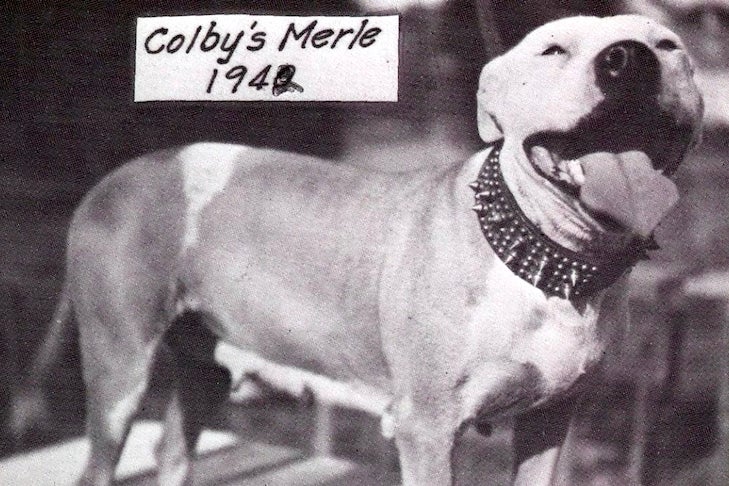
As pit bulls grew in popularity in the United States, so did their owners’ desire to have them registered as a bonafide breed. But the American Kennel Club – founded as it was by well-heeled gentlemen who lunched in Manhattan and shot over their Pointers on sprawling Long Island estates – did not want to be associated with the cruelties of the fighting pit. And so in the late 1800s, pit-bull enthusiasts were refused registration of their dogs.
Back in the United Kingdom, the bull and terrier had diverged into two breeds – the Bull Terrier, which left its fighting heritage behind and never looked back – and the Staffordshire Bull Terrier, whose fanciers continued their illegal contests, paralleling the trajectory of the pit bull in the United States. And like their American relatives, Staffordshire Bull Terriers could not gain official acceptance in their native land, for the same reason. No established registry wanted to be affiliated with a dog that drew the blood of its own kind for a living.
It wasn’t until 1935, decades after another round of anti-dog-fighting legislation, that the Kennel Club in Britain formally recognized and registered the Staffordshire Bull Terrier. That paved the way for the American Kennel Club to recognize a subset of the pit-bull population in the United States a year later, after being assured by breeders that they would not allow their dogs to be used for dogfighting.
After considering several names – including the American Bull Terrier (which promptly sent fanciers of the long-established Bull Terrier into a tizzy) and the Yankee Terrier – the AKC settled on Staffordshire Terrier, in a nod to the breed’s roots in Britain’s “black country,” known for its concentration of mines and foundries. That name stuck until 1972, when the AKC decided to recognize the Staffordshire Bull Terrier from across the pond. deciding that Staffordshire Terriers in the U.S. had evolved into a larger, distinctly different breed, the AKC added the word “American” to the name to clearly delineate the two related, but now separate breeds.
American Staffordshire Terrier vs. American Pitbull Terrier: What’s The Difference?
FAQ
What is the difference between an American Staffordshire Terrier and a pitbull?
Is American Staffordshire Terrier considered an aggressive breed?
Is a staffy a good family dog?
Is a staffy a bully breed?
Yes, a “Staffy,” or Staffordshire Bull Terrier, is considered a bully breed, as it is a type of bull-and-terrier dog with a distinct appearance and shared ancestry with other breeds like American Pit Bull Terriers and American Staffordshire Terriers. The term “bully breed” is a generic term that refers to a group of terrier-type dogs known for their stocky, muscular builds.