
Though they can’t put their love into words, they will follow you around, snuggle and cuddle you, lick your face, wag their tail and jump on you. They can sense your sadness, will share their favorite toys with you, and do many other things to show their affection.
It’s surprising how this dog breed is misunderstood to be aggressive and dangerous when they have so much care, kindness, and love within them.
Some dog lovers opt for this breed to be their four-legged companion because they believe they are loyal and can protect them from danger. But can they, really?
Are pit bulls even good guard dogs? Or can you train them to become good guard dogs if theyre not? Are they easy to train?
We will answer all these questions below. But to better appreciate these answers, let’s first learn about pit bulls temperament.
As a dog lover who’s owned several breeds over the years I’ve always been fascinated by the protective nature of pitbulls. These muscular loyal pups have gotten a bad rap in the media, but are they actually good guard dogs? Let’s dive into what makes a pitbull tick when it comes to protecting their home and family.
The Natural Protective Instincts of Pitbulls
Pitbulls are gaining popularity as guard dogs, and for good reason. These dogs possess several characteristics that make them potentially excellent protectors:
- Strong protective instincts: Pitbulls are fiercely loyal to their owners and have natural protective tendencies
- High intelligence: They can quickly assess situations and determine threat levels
- Physical strength and agility: Their muscular build allows them to respond quickly to potential dangers
- Unwavering loyalty: Pitbulls form incredibly strong bonds with their families
- Versatility: They can be trained for various protective roles beyond simple guarding
I remember when my neighbor’s pitbull Blue, alerted the entire family to a small kitchen fire that started in the middle of the night. He wasn’t trained as a guard dog specifically but his protective instincts kicked in when he sensed danger.
Misconceptions About Pitbulls as Guard Dogs
Let’s clear up some common concerns about pitbulls:
“Aren’t Pitbulls Inherently Aggressive?”
This is probably the biggest misconception out there. While pitbulls have unfortunately been stereotyped as aggressive their behavior is largely influenced by how they’re raised and trained – just like any other dog. With proper socialization and training pitbulls can be gentle, well-behaved companions.
My cousin’s pitbull, Rex, is the biggest softie you’ll ever meet. He’s more likely to lick an intruder to death than actually attack them! But he does have an impressive bark that would make anyone think twice about entering uninvited.
“Can Pitbulls Distinguish Between Threats and Non-Threats?”
Yes! Pitbulls can absolutely be trained to differentiate between actual threats and normal visitors. Their intelligence makes them excellent at learning these distinctions through proper training.
“Will a Pitbull Protect Without Training?”
While pitbulls do have natural protective instincts, proper training is essential to channel these instincts appropriately. An untrained pitbull might not know how to properly respond to a threatening situation, or might respond too aggressively in non-threatening situations.
How Pitbulls Compare to Traditional Guard Dog Breeds
When we talk about guard dogs, breeds like German Shepherds, Rottweilers, and Dobermans often come to mind first. Here’s how pitbulls stack up:
| Characteristic | Pitbulls | Traditional Guard Breeds |
|---|---|---|
| Protective instinct | Strong | Very strong |
| Trainability | High | Very high |
| Physical strength | Excellent | Excellent |
| Intimidation factor | Moderate to high | Very high |
| Family friendliness | Excellent | Good to excellent |
| Maintenance needs | Low to moderate | Moderate to high |
The biggest difference I’ve noticed is that pitbulls often have a “wait and see” approach. They might not immediately bark at strangers like some guard breeds, but they remain alert and watchful, ready to protect if needed.
Training a Pitbull to Be a Good Guard Dog
If you’re considering a pitbull as a guard dog, proper training is absolutely crucial. Here’s what worked for me:
-
Start with basic obedience training
Establish yourself as the pack leader and ensure your dog responds to basic commands like sit, stay, and come. -
Socialize extensively
Expose your pitbull to different people, animals, and environments to help them distinguish between normal and threatening situations. -
Teach boundary awareness
Train your pitbull to understand property boundaries and which areas they should protect. -
Use positive reinforcement
Reward good behavior rather than punishing mistakes. Pitbulls respond incredibly well to positive training methods. -
Consider professional training
If you’re serious about having a guard dog, working with a professional trainer experienced with pitbulls can be invaluable.
When I was training my pitbull mix, Stella, we spent months on socialization. This helped her become confident around friendly strangers while still remaining protective of our home. The most important command we taught her was “friend” to indicate when someone was welcome in our space.
The Reality of Pitbulls as Protectors
Will a pitbull actually protect you from an intruder? Based on their natural instincts and with proper training, many pitbulls will indeed defend their families from perceived threats.
However, it’s worth noting that individual personalities vary greatly. Some pitbulls may be naturally more protective than others. My friend’s pitbull, Daisy, once chased off someone who was trying to break into their garage, while my own pitbull mix is more likely to hide behind me if someone knocks too loudly on the door!
Potential Challenges with Pitbulls as Guard Dogs
Being honest, there are some challenges to consider:
- Breed restrictions: Many apartments, HOAs, and even some cities have breed-specific legislation against pitbulls
- Insurance issues: Some homeowners insurance policies charge more or won’t cover homes with pitbulls
- Public perception: You may face stigma or fear from neighbors or visitors
- Training commitment: Proper guard dog training requires significant time and consistency
We had to move from our previous neighborhood because the HOA suddenly changed their rules about “dangerous breeds.” It was frustrating to deal with prejudice against our sweet, well-trained dog.
Are Pitbulls Good with Families While Serving as Guard Dogs?
One of the best things about pitbulls is their ability to be both protective guardians and loving family pets. They’re known for being especially gentle with children when properly socialized. My pitbull mix is incredibly patient with my 4-year-old nephew who isn’t always gentle with her ears!
However, as with any dog, supervision is always recommended between dogs and young children, regardless of breed.
Pitbull Health and Maintenance as Guard Dogs
Compared to some traditional guard breeds, pitbulls are relatively low-maintenance:
- Grooming: Their short coats require minimal grooming
- Exercise: They need regular exercise but not as much as some working breeds
- Health: Generally healthy, though they can be prone to hip dysplasia and skin allergies
I’ve found that about 45 minutes to an hour of exercise daily keeps my pitbull happy and healthy. A tired pitbull is a good pitbull!
Final Thoughts: Are Pitbulls Good Guard Dogs?
So, are pitbulls good guard dogs? Based on their natural protective instincts, intelligence, and loyalty, pitbulls can absolutely make excellent guard dogs with proper training and socialization.
However, if you’re looking for a dog that will be inherently aggressive toward strangers without training, a pitbull is NOT the right choice. Their effectiveness as guard dogs comes from their loyalty and protective nature, not from aggression.
In my experience, the best approach is to focus on raising a well-balanced, confident pitbull who views you as their trusted leader. This creates a dog who can discern real threats and respond appropriately while remaining a loving family companion.
Remember that any dog, regardless of breed, requires proper training, socialization, and care to be a good canine citizen – whether they’re guarding your home or just sharing your couch.
If you’re considering a pitbull as a guard dog, I’d recommend:
- Research local breed restrictions in your area
- Commit to proper training and socialization
- Consider professional guidance, especially for guard-specific training
- Focus on raising a well-balanced dog first, guard dog second
In the end, my pitbull mix isn’t the most intimidating guard dog on the block, but her loyalty and protective nature give me peace of mind, and her loving personality makes her an irreplaceable family member.
Have you had experience with pitbulls as guard dogs? I’d love to hear your stories in the comments below!
FAQ About Pitbulls as Guard Dogs
Do pitbulls bark a lot as guard dogs?
Pitbulls are not typically excessive barkers. They tend to bark when there’s a genuine reason, making their alerts more meaningful.
Can pitbulls live in apartments while serving as guard dogs?
Yes, pitbulls can adapt to apartment living with proper exercise and mental stimulation. Their relatively low grooming needs make them suitable for smaller spaces.
Are male or female pitbulls better guard dogs?
Both can make excellent guard dogs. Males may be slightly more territorial, while females can be more discerning about threats. Individual personality matters more than gender.
At what age should I start guard dog training with my pitbull?
Basic obedience and socialization should start immediately (8-12 weeks), but specific guard dog training should wait until they’re mentally mature, usually around 1-1.5 years old.
Can pitbulls get along with other pets while being guard dogs?
With proper socialization from a young age, pitbulls can absolutely get along with other pets while maintaining their protective instincts toward the family.
Practice and Patience
Dogs mirror their owners behavior. That’s why you should be patient with them. Do not get angry or frustrated if they don’t get the commands immediately. It may take some time to learn the obedience commands, but they will eventually get worked up knowing or seeing that you also are.
Secure your puppy to a leash or durable tactical collar and walk them around the perimeter of the property you want them to protect. This will reinforce where their territory starts and ends. Soon, they will learn to defend anything within that area.
So, Are Pit bulls Good Guard Dogs?
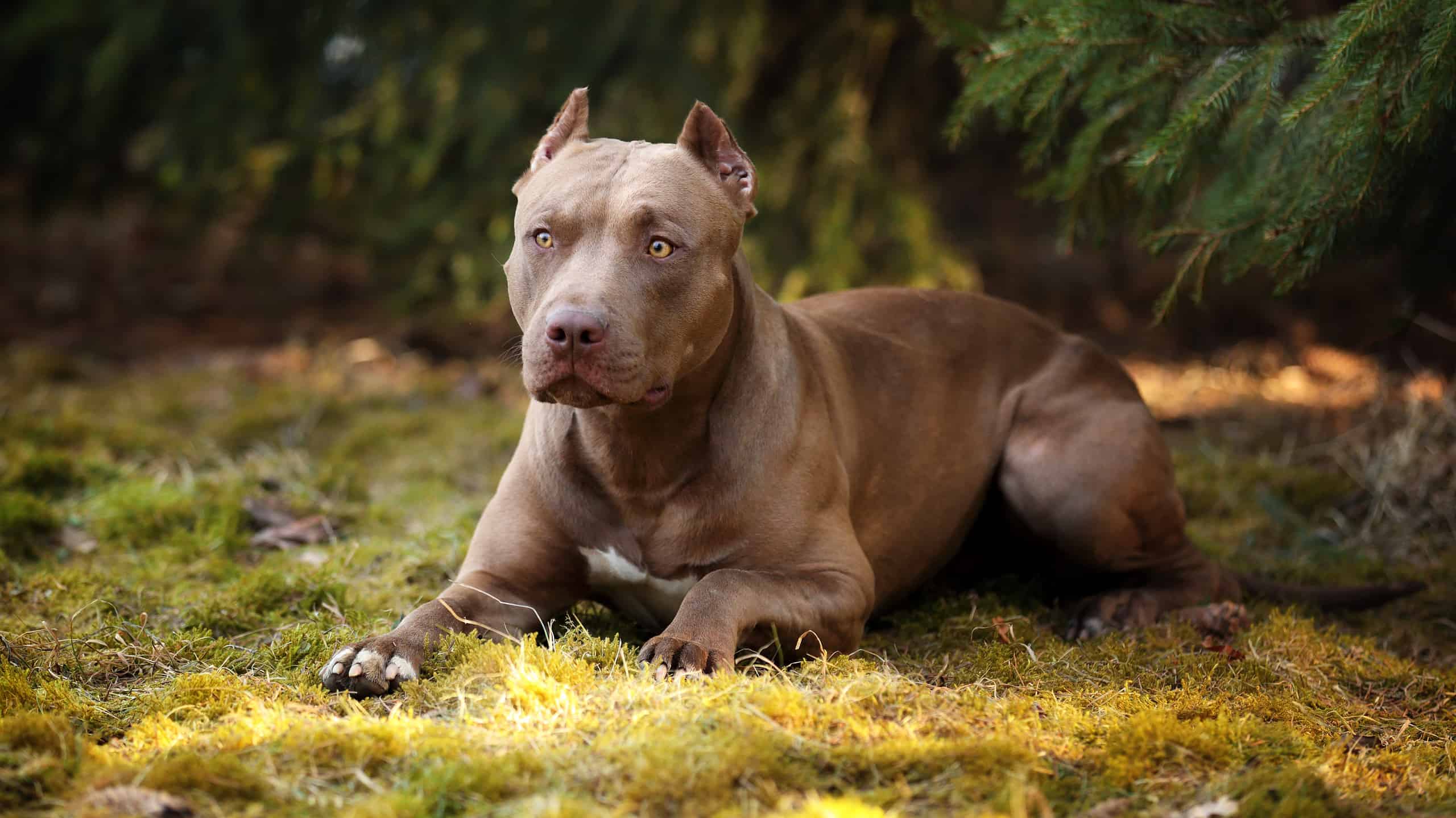
Yes, pit bulls can be good guard dogs.
They may not be the best breed for the job because they love people and are friendly, but their loyalty to their owner will make them step in if there’s an imminent danger.
Besides, their loud barking and intimidating appearance can also scare away potential threats.
Loyalty, bravery, obedience, and alertness are all personality traits you should look for when choosing a guard dog. And pit bulls’ deep love and loyalty for their human family will bring out their protective nature.
Just remember, however, that not all pit bulls react the same way. Protecting their owner doesn’t always mean attacking another individual. They may simply mean coming to their owners side and alerting them of potential danger and threats by barking.