
How long can a dog wear a muzzle? Many pup owners often ask themselves this question. Muzzles can serve a purpose in certain situations, like preventing accidental bites or unwanted behaviors. However, using one overnight requires careful consideration. In this article, Flat4Pet explores the nuances of leaving a muzzle on your dog at night, providing you with key safety tips, assessing the potential risks, and offering alternative strategies to ensure your pet’s nighttime safety without compromising their well-being.
Ever found yourself wondering if you can muzzle your pup through the night? Maybe your furry friend has some nighttime issues like excessive barking, destructive chewing, or even aggression that’s keeping everyone awake. As a veterinary professional who’s seen many challenging canine behaviors, I understand the temptation to reach for a muzzle as a quick solution – but there’s much more to consider before making this decision.
Is Overnight Muzzling Safe for Dogs?
The short answer generally, no While muzzles can be valuable tools for short-term use in specific situations, keeping a dog muzzled for extended periods like overnight presents several significant concerns
- Restricted breathing and panting – Dogs regulate their temperature primarily through panting, and a muzzle can interfere with this natural cooling mechanism
- Inability to drink water – Most muzzles limit a dog’s ability to drink properly, risking dehydration
- Discomfort and stress – Imagine wearing something restrictive on your face for 8+ hours while trying to sleep
- Potential for injury – Dogs may try to remove the muzzle, possibly hurting themselves in the process
Even with basket-style muzzles that allow some panting and drinking, extended wear is not recommended by most veterinary professionals. Dogs need the freedom to perform natural behaviors overnight, including drinking, panting, licking, and adjusting their position comfortably.
When Might People Consider Overnight Muzzling?
Despite the concerns, there are several reasons why dog owners might consider muzzling at night:
1. Excessive barking or howling
Some dogs vocalize extensively at night, disturbing household members and neighbors. While a muzzle might seem like a quick fix, it doesn’t address the underlying cause of the barking.
2. Destructive chewing behavior
Dogs that chew furniture, baseboards, or other household items while owners sleep can cause significant damage. Muzzling might prevent the immediate destruction but doesn’t solve the root problem.
3. Aggression toward household members
In multi-pet households or homes with children a dog with aggressive tendencies might prompt owners to consider nighttime muzzling for safety.
4. Post-surgical protection
After certain procedures, dogs might need temporary protection from licking or chewing at surgical sites.
Better Alternatives to Overnight Muzzling
Instead of reaching for a muzzle, consider these safer and more effective alternatives:
For Barking Issues:
- Identify and address the cause – Is your dog anxious, bored, or alerting to outside noises?
- Provide adequate exercise – A tired dog is less likely to bark excessively
- White noise machines can mask outside stimuli that trigger barking
- Behavioral training with positive reinforcement techniques
For Destructive Chewing:
- Crate training when done properly provides a safe space without restricting breathing or drinking
- Dog-proof a specific room where minimal damage can occur
- Provide appropriate chew toys to satisfy the natural urge to chew
- Increase daytime exercise and mental stimulation to reduce nighttime restlessness
For Aggression Concerns:
- Consult with a professional animal behaviorist for a comprehensive evaluation
- Create separate sleeping areas for pets if necessary
- Consider medication options prescribed by your veterinarian for anxiety-based aggression
For Post-Surgical Protection:
- Elizabethan collars (cones) are specifically designed for preventing access to surgical sites while allowing drinking and eating
- Surgical recovery suits can provide protection without restricting the mouth
- Supervised short-term muzzling only when actively monitoring your dog
If You Must Use a Muzzle: Safety Guidelines
In those rare situations where short-term muzzling might be necessary, follow these important guidelines:
- Choose the right type – Basket muzzles allow for panting and drinking, making them safer than fabric muzzles
- Ensure proper fit – The muzzle should be snug but not tight, with no rubbing or chafing
- Limit duration – Most experts recommend no more than a few hours maximum
- Supervise your dog – Never leave a muzzled dog completely unattended
- Take regular breaks – Remove the muzzle frequently to allow normal behavior
- Provide water access – Make sure your dog can drink with the muzzle on
- Positive association – Introduce the muzzle gradually with treats and positive reinforcement
Specific Scenarios: Expert Advice
Post-Surgery Care
Many dog owners wonder about muzzling after surgeries to prevent dogs from disturbing sutures or wounds. According to veterinary experts, this isn’t recommended for overnight use. As one veterinarian explained:
“After surgery, dogs need to be able to drink freely and regulate their temperature through panting. Instead of overnight muzzling, consider an E-collar (cone) or recovery suit, which protect the surgical site while allowing normal mouth function.”
Anxiety and Separation Issues
For dogs with anxiety that manifests in destructive behavior at night, a veterinary behaviorist offers this perspective:
“Muzzling an anxious dog overnight can actually increase their stress levels significantly. Instead, we recommend addressing the underlying anxiety through behavior modification techniques, possibly medication in severe cases, and creating a safe, comfortable environment.”
Excessive Barking
When it comes to noise complaints. one canine behavior consultant notes
“A muzzle might temporarily reduce the volume of barking but does nothing to address why the dog is barking in the first place. The dog remains stressed, frustrated, or bored—just unable to express it fully. This can lead to other problematic behaviors as the dog finds alternative outlets for their energy or anxiety.”
Special Considerations for Different Types of Muzzles
Not all muzzles are created equal, and some designs are more suitable for different purposes:
Basket Muzzles
- Allow panting and drinking
- More comfortable for longer wear
- Still not recommended for overnight use
- Better air circulation
Soft/Fabric Muzzles
- Restrict panting significantly
- Prevent drinking entirely
- Should only be used for very brief periods
- Never appropriate for overnight use
Homemade or Makeshift Muzzles
- Often unsafe and potentially dangerous
- Can cause injury if improperly designed
- No quality control or safety testing
- Not recommended under any circumstances
Training Your Dog to Accept a Muzzle
If you need to use a muzzle for short periods (vet visits, grooming, etc.), proper training is essential:
- Introduce gradually – Let your dog sniff and investigate the muzzle first
- Create positive associations – Offer treats and praise when your dog interacts with the muzzle
- Practice short sessions – Build up tolerance slowly over days or weeks
- Never force it – If your dog shows signs of distress, back up to the previous step
The Bottom Line: Expert Consensus
The overwhelming consensus among veterinarians, dog trainers, and animal behaviorists is that muzzling a dog overnight is not recommended. Even the most comfortable, well-fitted muzzle presents risks when worn for extended periods without supervision.
As one veterinary behaviorist summed it up: “Muzzles are tools for specific, short-term situations—not solutions for ongoing behavioral issues. Using them as a substitute for proper training, environmental management, or addressing medical causes of behavior can lead to greater problems down the road.”
When to Seek Professional Help
If you’re considering overnight muzzling, it’s probably time to consult with:
- Your veterinarian to rule out medical causes for the behavior
- A certified dog trainer for basic obedience and management strategies
- A veterinary behaviorist for complex or dangerous behaviors
- A professional dog walker or doggy daycare to ensure adequate exercise
Final Thoughts
I’ve seen many desperate pet parents who just want a good night’s sleep or to protect their property from damage. While I sympathize with these challenges, I always encourage finding solutions that address the root causes rather than just managing symptoms.
Remember that most problematic nighttime behaviors stem from unmet needs during the day—exercise, mental stimulation, security, or medical issues. By addressing these fundamental needs, you’ll likely find that the behaviors that had you considering a muzzle improve significantly.
Have you faced challenges with your dog’s nighttime behavior? What solutions have worked for you? I’d love to hear your experiences in the comments below!
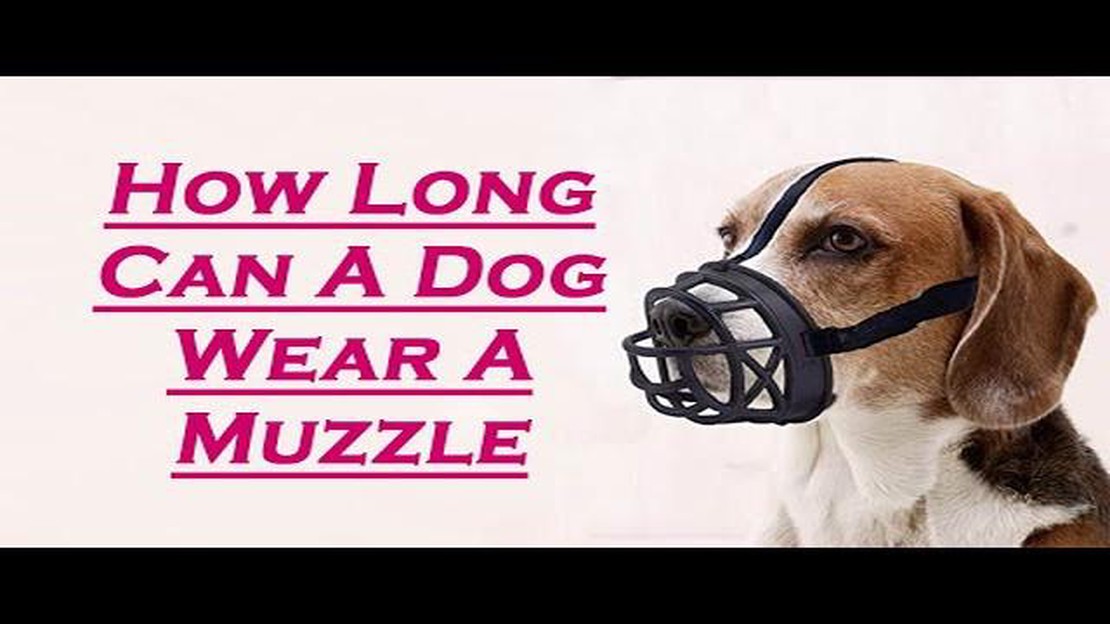
Can I Leave a Muzzle on My Dog at Night? Key Safety Tips
How long can you leave a muzzle on a dog? To find a proper answer, you need to understand some key factors. Using this tool must be as comfortable as possible for your dog. And to do this, pay attention to these important nuances.
- Understand the purpose of the muzzle. Muzzles are designed to protect others and prevent a dog from engaging in harmful behaviors. They are not meant for continuous restraint or for being used as a punishment. So, before asking can you leave a muzzle on a dog overnight, determine whether your dog’s behavior or environmental factors truly necessitate muzzling at all.
- Ensure a proper fit. If you think using a muzzle is essential, make sure to find the most appropriate one for your pup. It must be snug enough to prevent removal but not so tight that it restricts breathing. Basket muzzles are typically preferred as they allow for normal panting, drinking, and some degree of movement. Regularly check the fit, especially if your dog’s size or weight changes.
- Monitor breathing and comfort. Dogs rely on panting to regulate their temperature. A muzzle that limits airflow can lead to overheating. Test the muzzle during short, supervised sessions to ensure your pup can breathe easily, pant normally, and drink water if needed. If any signs of distress appear, discontinue use.
- Gradual acclimation. Introduce the muzzle gradually to avoid stress and anxiety. Start with short periods during the day; reward your dog with treats and praise. This helps create a positive association, making the experience less distressing over time.
- Prepare for emergencies. In case of an unexpected issue, ensure the muzzle is designed with a quick-release mechanism or that you can remove it swiftly. This readiness is essential for preventing accidents during unsupervised periods.
Can a dog wear a muzzle overnight? By following these tips, you can decide if an overnight muzzle is truly necessary, always prioritizing your dog’s health and comfort.
Alternatives to Using a Muzzle Overnight
So, using a muzzle is intended to help fix specific unwanted behaviors of your pup. However, given the potential drawbacks of overnight muzzling, it might be better to check other options available.
Behavioral Training
- Positive reinforcement. Reward-based training can effectively manage unwanted behaviors without the need for physical restraint.
- Desensitization techniques. Gradual exposure to stressors can help reduce anxiety and diminish the need for a muzzle.
- Professional guidance. Engaging a certified trainer or behaviorist can provide solutions that address the root cause of your dog’s behavior.
Environmental Adjustments
- Crate training. A well-sized crate offers a secure and familiar environment that minimizes the risk of self-harm without the drawbacks of a muzzle.
- Safe sleeping spaces. Create a dog-friendly area free from hazards such as loose wires, toxic substances, or breakable objects.
- Calming aids. Pheromone diffusers, calming beds, or soothing background music can help relax your dog, reducing anxiety at night.
Alternative restraint options
- Specialized dog beds. Some beds come with built-in barriers that help keep your dog safe without the need for a muzzle.
- Soft, removable collars. These can serve as a temporary measure to prevent your dog from harming themselves but should be used with caution and not as a long-term solution.
By focusing on these alternatives, you can maintain your pup’s safety and well-being without asking how long you can keep a muzzle on a dog.
How long can a dog wear a muzzle | Pets Dog World
FAQ
How long is it safe to leave a muzzle on a dog?
Is it cruel to leave a dog with the muzzle on?
When you are home, you should NOT muzzle your dog. The best approach is to properly socialize your dog, or take them to a canine behaviorist, if your dog is aggressive. Just like the Control collars, Muzzles should not be left on for long periods of time, as they can cause health issue and sores on your dog.
Is it okay for a dog to wear a muzzle all the time?
No, a dog should not wear a muzzle all day, as this is unsafe and inhumane. While basket muzzles are designed to allow drinking, panting, and occasional treats, and can be worn for longer periods than soft muzzles, they should never be worn unsupervised for extended lengths of time, especially overnight. Muzzles should be used for short, supervised periods, as dogs can still get injured, become overheated, or get the muzzle caught on something.
Can a muzzle stop a dog from breathing?
We use muzzles when necessary and without hesitation. Muzzles are not painful and do not inhibit dogs from breathing.”