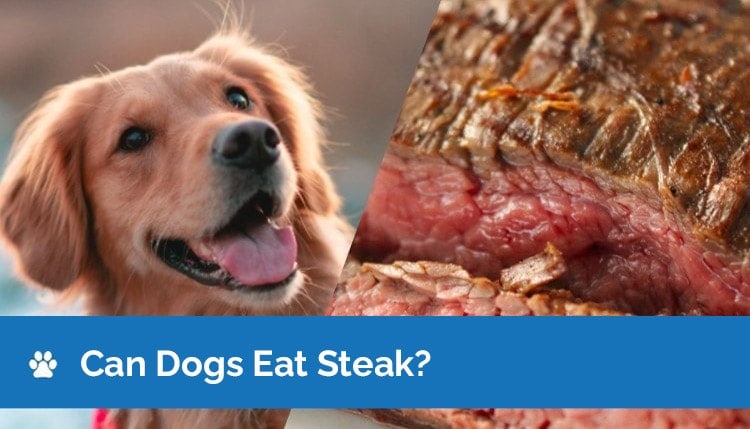
If you’re a dog owner who loves a good steak dinner, you’ve probably found yourself wondering if it’s okay to share those delicious fatty trimmings with your furry best friend Those pleading puppy eyes can be hard to resist when you’re cutting away excess fat from your ribeye! But before you toss that juicy morsel to your patiently waiting pooch, there are some important things you need to know.
In this comprehensive guide, we’ll dive into the meaty details about whether dogs can safely consume cooked steak fat, what the potential benefits and risks are, and how to safely incorporate it into your dog’s diet if appropriate.
The Quick Answer: Moderation is Key
Yes, dogs can eat cooked steak fat in small amounts, but it should only be given as an occasional treat and never as a regular part of their diet
While your dog might absolutely love the rich taste of steak fat, there are serious health considerations that make it something to offer sparingly, if at all. Let’s break down why.
Understanding Steak Fat: What Are We Talking About?
Before we dive deeper, let’s clarify what we mean by steak fat. When we talk about steak fat, we’re referring to:
- Intramuscular Fat: This is the marbling within the muscle fibers that gives steak its flavor and juiciness.
- Subcutaneous Fat: This is the visible white fat around the edges of the steak that many people trim off before or after cooking.
Both types of fat can be tempting to share with your dog, but they come with different considerations.
Potential Benefits of Steak Fat for Dogs
Despite concerns, there are some potential benefits when small amounts of steak fat are occasionally included in a dog’s diet:
- Energy Source: Fat provides more than twice the energy per gram compared to proteins and carbohydrates.
- Essential Fatty Acids: Fats support cell function and are necessary for hormone production.
- Vitamin Absorption: Fats help dogs absorb fat-soluble vitamins (A, D, E, and K).
- Coat Health: The right kinds of fats can improve skin moisture and give your dog’s coat a healthy shine.
The Risks: Why You Should Be Cautious
While there are some benefits, the risks of feeding your dog steak fat are significant and shouldn’t be ignored:
1. Pancreatitis Risk
Pancreatitis is one of the biggest concerns when feeding dogs fatty foods. This painful inflammation of the pancreas can be triggered by high-fat meals and can be life-threatening in severe cases.
Symptoms of pancreatitis include:
- Vomiting
- Abdominal pain
- Lethargy
- Loss of appetite
- Diarrhea
2. Obesity and Weight Gain
Dogs that regularly consume high-fat foods are at risk for obesity, which can lead to a cascade of other health problems:
- Joint issues
- Heart disease
- Diabetes
- Reduced lifespan
- Decreased quality of life
3. Digestive Upset
Even without developing pancreatitis, many dogs may experience digestive upset from consuming fatty foods like steak trimmings. This can result in:
- Diarrhea
- Vomiting
- Gas
- Stomach discomfort
4. Additives and Seasonings
If the steak was seasoned or cooked with other ingredients, these could be harmful or even toxic to your dog. Particular concerns include:
- Garlic
- Onions
- Salt
- Spices
- Butter or cooking oils
Which Dogs Should Never Have Steak Fat?
Some dogs should absolutely avoid steak fat completely:
- Dogs with a history of pancreatitis
- Overweight or obese dogs
- Dogs with digestive sensitivities
- Dogs with existing health conditions like diabetes or heart disease
- Breeds predisposed to weight gain or digestive issues (like Dachshunds or Bulldogs)
- Puppies with developing digestive systems
How to Safely Offer Steak Fat (If You Choose To)
If after weighing the risks, you still want to occasionally treat your dog to a tiny bit of steak fat, here’s how to do it as safely as possible:
- Keep portions extremely small – think teaspoon-sized for medium to large dogs, even smaller for small breeds
- Ensure the fat is completely cooked – raw fat can contain harmful bacteria
- Never use seasoned fat – only offer plain, unseasoned fat with no additives
- Mix it with regular food rather than giving it as a standalone treat
- Monitor your dog after they consume it for any signs of digestive upset
5 Safe Feeding Tips When Sharing Steak With Your Dog
If you want to share your steak dinner with your four-legged friend, here are some safer alternatives to fatty trimmings:
- Offer lean meat instead – trim the visible fat and give small pieces of the lean meat
- Cook it plain – don’t use seasonings, spices, garlic, or onions
- Let it cool before serving to prevent mouth burns
- Cut into appropriate sizes to prevent choking hazards
- Limit the amount – even lean steak should only be an occasional treat
Better Alternatives to Steak Fat
Instead of steak fat, consider these healthier options for treating your pup:
- Lean meats (chicken, turkey, lean beef)
- Commercial dog treats formulated with healthy fats
- Small amounts of fish oil (with vet approval)
- Dog-safe fruits and vegetables
Common Questions About Dogs and Steak Fat
Can dogs eat fat from raw steak?
While dogs technically can eat raw steak fat, it’s not recommended due to potential bacterial contamination risks like E. coli and Salmonella. These can affect both your dog and potentially you through handling or contact with your pet.
How much steak fat is too much for a dog?
For most healthy adult dogs, more than a teaspoon or two of steak fat is too much. For small dogs, even less should be offered. It should never be more than 10% of their diet and should only be given occasionally.
What should I do if my dog ate a lot of steak fat?
If your dog has consumed a large amount of steak fat:
- Monitor them closely for signs of distress
- Call your vet if you notice symptoms like vomiting, diarrhea, lethargy, or abdominal pain
- Provide plenty of fresh water
- Follow your vet’s advice, which may include bringing your dog in for examination
Can puppies eat steak fat?
It’s best to avoid giving puppies steak fat altogether. Their digestive systems are still developing, and they’re more sensitive to dietary changes and rich foods.
Real Talk: My Experience with Dogs and Steak Fat
I’ve been a dog owner for over 15 years, and I’ve made the mistake of giving my pups too much fatty food before. My Labrador Retriever once got hold of steak trimmings that had fallen on the floor during a BBQ, and we ended up at the emergency vet with a case of pancreatitis. The $1200 vet bill and seeing my dog in pain taught me a valuable lesson about being careful with high-fat treats.
Now, if I want to share my steak dinner, I’ll cut off a small piece of the lean meat, make sure it’s completely cool and free of seasonings, and give it as a special treat. The fat trimmings go straight into the trash – no matter how pitiful those begging eyes might be!
The Bottom Line: Moderation and Caution
While dogs can technically eat cooked steak fat in very small amounts, the potential risks often outweigh the benefits for many dogs. If you do choose to offer it, extreme moderation is essential, and many dogs would be better off avoiding it entirely.
Remember that a happy, healthy dog is more important than momentary treat satisfaction. When in doubt, consult with your veterinarian about the best treats for your specific dog’s needs and health condition.
Your furry friend depends on you to make good choices for their health, even when those puppy dog eyes are begging for a taste of your steak fat!
Have you ever shared steak fat with your dog? What was your experience? Share your stories in the comments below!