
We’ve all heard those tales of dogs lost miles from home, only to turn up on the doorstep days later. Even Homeward Bound is inspired by the real-life journeys that our canine companions make just to get back home.
It depends on the dog themselves, the intensity of their desire to get home, the environment they need to travel through, the distance and much more.
Our dogs’ sense of smell is incredible. It’s about 10,000 times stronger than ours, and it’s how they navigate the world around them.
When we go on a walk with our dog, we’re admiring the pleasant surroundings. Our dog, on the other hand, is sniffing up a storm. They’re sampling a veritable smorgasbord of scents from other dogs, wildlife, people, vehicles, machinery and much more.
Studies show that our pups also recognise the specific scents associated with humans and dogs that they know. That means, if they ever lost track of you, they would be able to pick up your scent and follow it home.
Of course, this may be more difficult for them if you’ve driven to a location for a walk, or you’re far from home. That’s why if you lose your dog, it’s recommended that you leave out clothes that smell of you so they can navigate to those instead.
Magnetoreception sounds like something from a popular superhero movie, but it’s actually a little-acknowledged sense which allows an animal to detect the earth’s magnetic field.
Well, maybe. Studies from the Czech University of Life Sciences found that dogs finding their way back to their handler used one of two methods: ‘tracking’ returning via their outbound track or ‘scouting’ which involved a short run along the North-South axis followed by a return back via a new route. The authors suggested that the short ‘compass’ run is necessary for the dogs to bring their mental map in line with the magnetic fields.
We’ve all heard those amazing stories about lost dogs traveling miles to reunite with their families. Remember that heartwarming movie “Homeward Bound”? It turns out there’s actually some truth behind these incredible journeys! As a dog owner myself, I’ve always been fascinated by our furry friends’ ability to navigate the world. Let me share what I’ve learned about how dogs find their way back home.
The Simple Answer: Yes, But It’s Complicated
Can dogs find their way back home? The simple answer is yes! The not-so-simple answer is that it depends on several factors
- The individual dog’s abilities
- How strong their desire is to get home
- The environment they need to travel through
- The distance they need to cover
- Their familiarity with the area
Dogs’ Superpower #1: That Amazing Nose
Our canine companions have an incredible sense of smell that’s approximately 10000 times stronger than ours. This isn’t just a cool party fact—it’s their primary way of experiencing and navigating the world around them.
When you’re out walking with your dog, you’re probably admiring the scenery while your pup is experiencing something entirely different. They’re sampling a complex buffet of scents from
- Other dogs
- Wildlife
- People
- Vehicles
- Machinery
- And countless other sources
Research has shown that dogs can recognize specific scents associated with humans and other dogs they know. This means if they lose track of you, they can potentially pick up your scent and follow it back home.
Of course, this becomes much more difficult if:
- You’ve driven to a walk location far from home
- Your scent trail has been disrupted by weather or time
- There are too many competing scents in the area
That’s why experts recommend leaving out clothes with your scent if your dog goes missing—it gives them a beacon to navigate toward.
Dogs’ Superpower #2: Magnetic Navigation (Really!)
This might sound like something from a Marvel movie, but magnetoreception is a real sense that allows animals to detect the Earth’s magnetic field. While we know homing pigeons use this ability, what about our dogs?
Fascinating research from the Czech University of Life Sciences suggests dogs might actually have this ability too! In their study, researchers equipped 27 dogs from 10 different breeds with cameras and GPS collars, then monitored 622 trials in Czech forests.
They discovered dogs use two methods to return to their handlers:
- Tracking: Following their own outbound scent trail back (about 60% of cases)
- Scouting: Taking a short run along the North-South axis before returning via a new route (about 33% of cases)
The researchers believe this initial “compass run” helps dogs orient themselves with the Earth’s magnetic field. Even more impressive—dogs using this magnetic method completed their journey significantly faster than those relying solely on scent tracking!
The study’s author, Kateřina Benediktová, suggests all dog breeds likely have this magnetic sense, though it may be dormant in many pet dogs who don’t need to use it regularly.
Dogs’ Superpower #3: Landmark Recognition
Just like us humans, dogs can use visual landmarks to find their way around familiar areas. If your dog spends a lot of time in a particular neighborhood or park, they’ll remember key features that help them navigate.
They might recognize:
- Distinctive buildings
- Trees or natural features
- Street corners
- Familiar yards
- Places with strong scent markers
This is why many lost dogs are found relatively close to home—they know their local territory quite well!
Amazing Real-Life Stories of Dogs Finding Their Way Home
World War I Messenger Dogs
During World War I, several breeds including Airedale Terriers, Border Collies, Old English Sheepdogs, and Retrievers were used as messengers between battle headquarters and trenches. One particularly brave Airedale Terrier named Jack ran through half a mile of enemy fire to deliver a message that saved many lives.
Bucky’s 500-Mile Journey
In 2012, a 3-year-old Labrador named Bucky traveled an incredible 500 miles from Virginia to South Carolina to find his owner, Mark Wessells. Wessells had left Bucky with his father in Virginia because his new place didn’t allow dogs. Eight months later, Bucky showed up in a forest in South Carolina, where he was found, scanned for a microchip, and reunited with his astonished owner.
Ben & Jade: A Love Story
In Terre Haute, Indiana, a shelter took in two stray dogs—Ben and Jade—when Jade became pregnant. After living together at the shelter for months, Ben was adopted. Just three weeks later, he escaped from his new home and crossed 10 miles of urban landscape, including streets and railroad tracks, to reunite with Jade at the shelter. The family who had adopted Ben was so moved by their bond that they decided to adopt Jade too!
What To Do If Your Dog Gets Lost
Despite dogs’ amazing navigation abilities, getting lost is still a frightening possibility. Here’s what you can do to help your dog find their way back:
- Leave familiar scents out – Put some of your worn clothing outside your home
- Stay where you lost them – If possible, remain in the area where they went missing
- Spread the word – Alert neighbors, post on social media, and contact local shelters
- Use technology – Consider a GPS tracker like PitPat Dog GPS Tracker for prevention
- Check microchip information – Make sure your contact details are up to date
Prevention Is Better Than Cure
To avoid the stress of a lost dog scenario:
- Train solid recall – Make sure your dog reliably comes when called
- Keep them within sight – Don’t let them wander too far off-leash
- Use proper identification – Tags and microchips are essential
- Consider GPS technology – Devices like the PitPat Dog GPS Tracker can help you locate your pet in just two taps
- Secure your yard – Check for holes in fences or other escape routes
Why Do Dogs Run Away in the First Place?
Understanding why dogs might leave can help prevent it. Common reasons include:
- Chasing prey animals
- Following interesting scents
- Looking for a mate (especially if not spayed/neutered)
- Fear or anxiety (like during fireworks)
- Boredom or lack of stimulation
- Separation anxiety
The Science Behind Dogs’ Homing Abilities
Research suggests dogs’ abilities to navigate long distances might be connected to similar mechanisms seen in other animals:
- Magnetoreception – Like migratory birds and sea turtles
- Scent mapping – Creating mental maps based on smells
- Visual memory – Recognizing landmarks and terrain
- Celestial navigation – Possibly using the sun or stars (though this is less proven in dogs)
What’s fascinating is that these abilities seem to exist across all breeds, though hunting and herding dogs might have more developed navigation skills due to their working heritage.
I remember when my neighbor’s Golden Retriever, Max, slipped out during a thunderstorm. Everyone was worried sick! Three days later, he showed up at their back door—tired, muddy, but wagging his tail like crazy. He’d traveled over 5 miles through unfamiliar territory to get back home.
Dogs truly have remarkable abilities to find their way back to the people they love. Their combination of powerful senses, possible magnetic detection, and sheer determination makes them incredible navigators. But as responsible pet owners, we should still do everything possible to keep them safe and prevent them from getting lost in the first place.
Next time you watch your dog sniffing intensely during a walk, remember—they’re not just enjoying smells, they’re creating a complex mental map of their world that could one day guide them home.
Do you have any amazing stories about dogs finding their way home? I’d love to hear them in the comments!

They know their way back
Just like us, if your dog is out and about in a familiar area, the chances are they already know their way back home. Not only will they be able to follow their own scent back, but they can also use landmarks to help navigate themselves toward home.
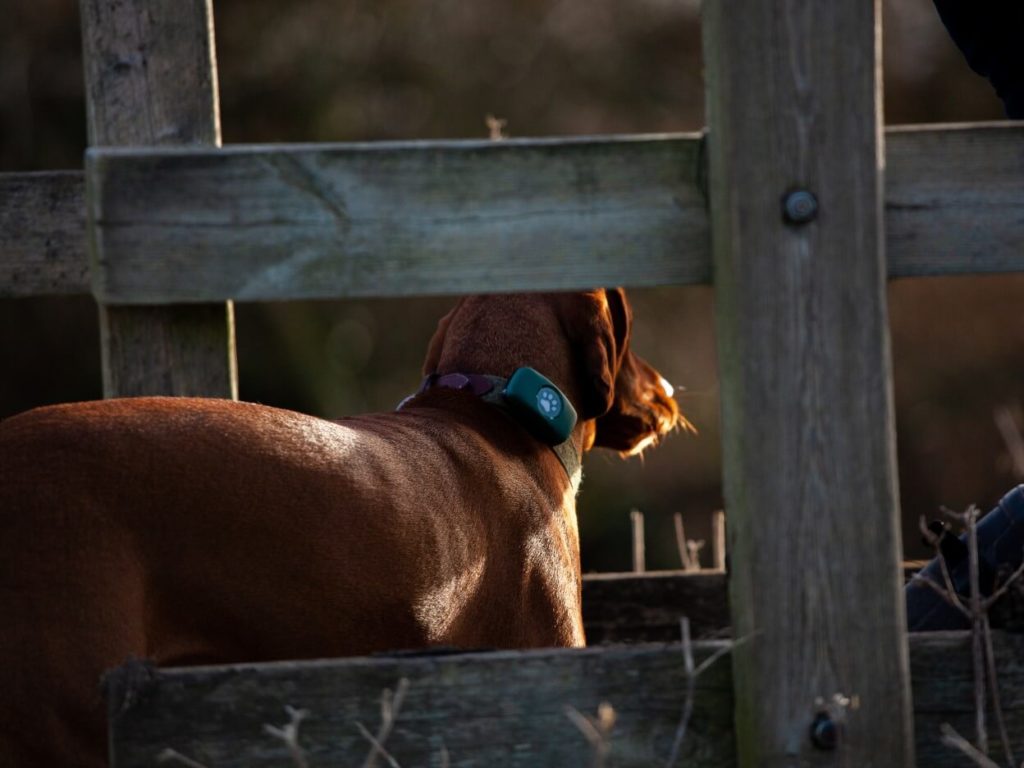
How can you help your dog find their way home?
If you lose your dog out and about, you’ll want to do all you can to help them find their way back. We’ve written a comprehensive guide on ‘What to do if you lose your dog’ with loads of tips for helping to locate them.
Of course, prevention is better than cure. If you’re letting your dog off lead you need to make sure they have a solid recall and that they stay within a safe distance of you at all times.
For the unexpected moments when a squirrel catches their nose before you can grab them, make sure they’re wearing a PitPat Dog GPS Tracker, so you can find them in two taps. That way, you’ll get to them long before they start needing to find their way home!
Do LOST DOGS Find Their Way Home?
FAQ
How can a lost dog find its way back home?
In the case of dogs that have had to travel long distances to return home, it comes as no surprise that their strong sense of smell is their primary tool for determining which way to go. Along with a sort of internal visual map, this is how can a lost dog find its way back home. 1. Sense of Smell and Scent Markers
Can a lost dog return home?
Although not all lost dogs can return home, some may be able to find their way back if they are close enough to their home. However, they might face challenges like highways or rivers. In such cases, it’s crucial to take immediate action to increase their chances. Using burned wood and the owner’s urine can help bait the dog.
Where can I find a dog to rehome?
To find a dog to rehome, visit your local dog shelter websites like RSPCA, Blue Cross, Wood Green, and Dogs Trust. Many shelters now have online platforms where you can view the dogs available for rehoming due to COVID-19 restrictions on visits.
Can dogs find their way home using magnetic homing powers?
Even more fascinating: the dogs that did compass runs completed the trial significantly faster than dogs who returned home on the outbound route using scent tracking. In short: dogs’ incredible ability to find their way home seems to spring from an ability to detect magnetic fields. Can We Learn From Dogs’ Magnetic Homing Superpowers?
Do dogs come back if they run away?
Do dogs know they’re way back home?
Just like us, if your dog is out and about in a familiar area, the chances are they already know their way back home.
How likely is it for a dog to find its way home?
Studies from the Czech University of Life Sciences in Prague found that around 60% of dogs used their noses to track their way back to their handlers, while …Sep 7, 2022
How do dogs find their way home after being lost?
Dogs Navigate Using Magnetic Fields
The team then studied the dogs’ return journeys to their owners. It might be no surprise to learn that many dogs used their powerful noses to navigate, with almost 60% of them following their outbound route by tracing their own scent.