
For us humans, the concept of dogs eating dirt is not something we can relate to. No doubt, the first time you saw your dog eating mud or soil came as a shock. So is it normal for dogs to eat soil? And can eating soil make your dog sick?
Have you ever caught your furry friend munching on some backyard dirt and wondered, “Is this normal or should I be freaking out right now?” Well, you’re not alone! As a dog owner myself, I’ve witnessed my Lab mix Bella with a mouthful of soil more times than I can count. Today, I’m diving deep into this muddy topic to help fellow pet parents understand the risks and solutions.
Why Do Dogs Eat Dirt in the First Place?
Before we talk about health risks, let’s understand why our four-legged pals develop this strange habit. Dogs eat dirt (a behavior called geophagia) for several reasons:
Nutritional Deficiencies
One of the most common reasons dogs eat dirt is because they’re missing something in their diet. Just like humans who crave certain foods when they need specific nutrients, dogs may instinctively eat soil to get minerals they’re lacking.
Your pup might be trying to tell you
- Their commercial dog food lacks essential minerals
- They need more phosphorus, iron, or calcium
- Their feeding schedule isn’t adequate (especially if only fed once daily)
Medical Issues
Sometimes, dirt-eating points to underlying health problems:
- Gastrointestinal disorders: Dogs with inflammatory bowel disease (IBD) might eat soil to self-medicate their discomfort
- Anemia: Low red blood cell count might trigger dirt-eating behavior
- Liver problems: Conditions like portosystemic shunts can cause unusual cravings
- Dental pain: Some dogs chew dirt to relieve tooth or gum discomfort
Behavioral Causes
Not all dirt-eating is physical – sometimes it’s psychological:
- Boredom: Just like humans who snack when bored, dogs might eat dirt to pass time
- Anxiety: Particularly separation anxiety can lead to unusual behaviors
- Stress: Changes in routine or environment might trigger dirt consumption
- Exploration: Especially common in puppies who explore with their mouths
So… Can Dogs Actually Get Sick From Eating Dirt?
The short answer is YES, dogs can definitely get sick from eating dirt. While occasional tiny amounts may pass through without incident, regular dirt consumption poses several health risks.
Common Health Problems From Dirt-Eating
1. Gastrointestinal Issues
Dirt can wreak havoc on your dog’s digestive system:
- Upset stomach with vomiting and diarrhea
- Intestinal blockages that may require surgery
- Abrasions to the digestive tract lining
- Constipation from ingesting indigestible materials
2. Parasite Infections
Soil is basically a parasite playground
- Hookworms (particularly dangerous for puppies)
- Roundworms
- Whipworms
- Giardia
- Capillaria
- Tapeworms (if they ingest fleas from the soil)
3. Toxic Exposure
Not all dirt is created equal:
- Pesticides in treated lawns and gardens
- Fertilizers containing harmful chemicals
- Bacteria that can cause infections
- Environmental toxins that accumulate in soil
Warning Signs Your Dog’s Dirt-Eating Has Caused Illness
Keep an eye out for these symptoms that might indicate your dog has gotten sick from eating dirt:
- Frequent vomiting (especially right after eating or drinking)
- Diarrhea or irregular bowel movements
- Lethargy and lack of energy
- Decreased appetite
- Pale gums (a sign of anemia)
- Abdominal pain or bloating
- Gagging or coughing (could indicate an obstruction)
- Straining to poop
- Weight loss
- Dehydration
If you notice any of these symptoms, don’t wait – contact your vet immediately! These could indicate serious conditions like gastrointestinal obstructions that might require urgent medical attention.
How to Stop Your Dog From Eating Dirt
Address Nutritional Needs
- Switch to a high-quality dog food that meets WSAVA guidelines (brands like Royal Canin, Hill’s Science Diet, and Purina)
- Feed smaller meals more frequently (2-3 times daily instead of once)
- Consider adding supplements after consulting with your vet
- Some vets might recommend a raw diet to fill nutritional gaps
Treat Medical Conditions
- Visit your vet for a thorough checkup
- Complete blood work to check for anemia or other issues
- Fecal testing for parasites
- Dental examination if tooth pain is suspected
Behavioral Solutions
- Increase exercise: At least 30 minutes daily to reduce boredom
- Provide mental stimulation: Puzzle toys, training sessions
- Reduce anxiety: Create a consistent routine
- Supervise outdoor time: Use leashes to prevent dirt-eating
- Try a basket muzzle for walks if needed
Preventative Measures Every Dog Owner Should Take
- Keep your dog on year-round parasite prevention to protect against worms and other parasites
- Avoid using chemicals in your yard where your dog plays
- Check your soil for any attractive scents or tastes that might be drawing your dog to it
- Provide plenty of toys as alternatives to dirt
- Create a designated digging area if your dog enjoys digging
When to Seek Professional Help
If you’ve tried everything and your dog is still regularly eating dirt, it’s time to call in the professionals:
- Veterinarian: To rule out or treat medical causes
- Canine nutritionist: To address dietary needs
- Dog trainer or behaviorist: For persistent behavioral issues
- Animal Poison Control (888-426-4435): If you suspect your dog has ingested something toxic
My Personal Experience
My Bella went through a dirt-eating phase last summer that had me worried sick. After a vet visit, we discovered she had mild anemia from a tick disease! Once we treated the underlying condition and improved her diet, the dirt-eating stopped completely.
Don’t ignore this behavior – it’s often your dog’s way of telling you something’s not right.
Bottom Line: Take Dirt-Eating Seriously
While occasional dirt sampling might not harm your dog, regular consumption is definitely cause for concern. By addressing the underlying causes – whether nutritional, medical, or behavioral – you can help your furry friend kick this dirty habit for good.
Remember that dogs explore their world through their mouths, so some curiosity is normal. But when dirt-eating becomes habitual, it’s time to dig deeper (pun intended!) into what’s really going on.
Have you caught your dog eating dirt? What worked to stop the behavior? Share your experiences in the comments below!
Disclaimer: While I’ve researched this topic thoroughly, I’m not a veterinarian. Always consult with your vet about your pet’s specific health concerns.
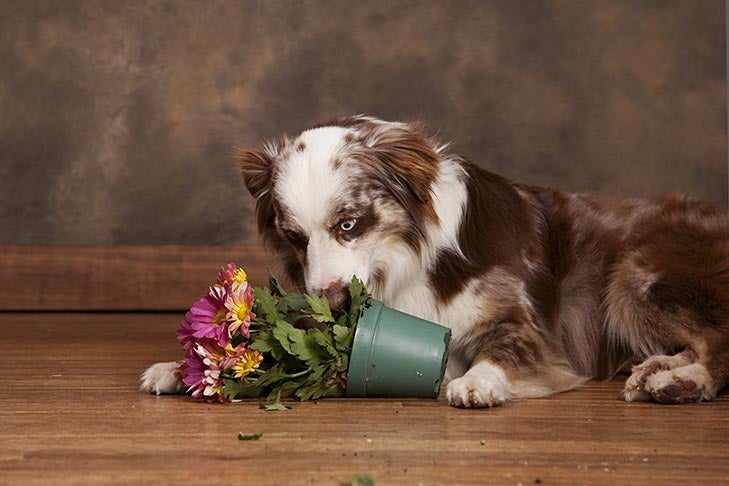
The common reasons why dogs eat soil
When dogs eat things that aren’t food, items with no nutritional value, it’s known as ‘pica’. This behaviour occurs in humans too. When it comes to dogs eating soil, this can be driven by several nutritional, behavioural or medical reasons.
The best lifetime dog insurance
Protect your dog with the UKs Number 1 pet insurer, with up to £25,000 cover for vet fees.
Why Your Dog Eats Dirt
FAQ
Can dogs eat dirt?
On the behavior side, make sure your dog is getting enough physical and mental exercise to curb dirt eating that stems from boredom. If all else fails, “denying access to favorite dirt-eating areas may be required,” Dr. Coger says.
Can dogs eat soil?
While it is a common behaviour, it’s not a good idea for your dog to be eating soil or mud. There are potential side effects, including eating parasites or pesticides, ingesting something which may cause an intestinal blockage or they may even damage their teeth while munching on sticks or stones. How do I stop my dog eating soil?
Why does my dog eat soil & mud?
As puppies grow, it’s normal for them to be curious and to wonder what soil tastes like. Dogs eating soil and mud is all part of growing up. However, if the habit persists as they get older, it may indicate that something else is afoot. Sometimes dogs eat soil because they have an upset tummy or even certain types of parasites.
Why do dogs eat soil?
Additionally, some dogs also eat soil because they have problems with their teeth or gums that cause them pain when chewing on food or treats. In these cases, eating soil can give them temporary relief from this discomfort, but only until their teeth or gums worsen again.
What should I do if my dog eats soil?
If you see your dog eating soil, don’t scold them or make a fuss. Gently distract them and get them with something else. If your dog likes to dig up the backyard and eat soil in the process, consider restricting their access to parts of the garden using barriers or fencing. Give them other things to do instead, like chew toys, treats and puzzles.
What happens if a dog eats dirt?
If your dog eats dirt, they risk gastrointestinal problems like blockages, parasitic infestations, and poisoning from toxins like pesticides. A small amount of dirt is usually harmless, but frequent ingestion or consuming large quantities, especially from contaminated soil, requires immediate veterinary attention. You should contact your vet if your dog eats dirt and shows symptoms such as coughing, gagging, vomiting, lethargy, or abdominal pain.
What do I do if my dog eats a lot of dirt?
If your dog eats dirt, contact your veterinarian, especially if the behavior is new, frequent, or accompanied by other symptoms like vomiting, lethargy, or changes in bowel movements. A vet visit can rule out medical causes such as nutritional deficiencies, intestinal parasites, anemia, or organ problems. To prevent dirt-eating, provide a balanced diet, ensure adequate exercise and mental stimulation, offer safe chew toys, and supervise outdoor time.
Can dogs get sick from dirt?
Possible Illness: Dirt can contain parasites, bacteria, or harmful substances that might make a dog sick. Eating contaminated dirt can lead to gastrointestinal upset, including vomiting or diarrhea.
When should I see a vet about dirt eating?
When Should You Call a Vet? While occasional dirt eating may not be a major concern, there are times when it’s important to seek veterinary advice. If your dog is eating dirt frequently or showing other symptoms like lethargy, vomiting, diarrhea, or a loss of appetite, it’s best to get professional advice.