
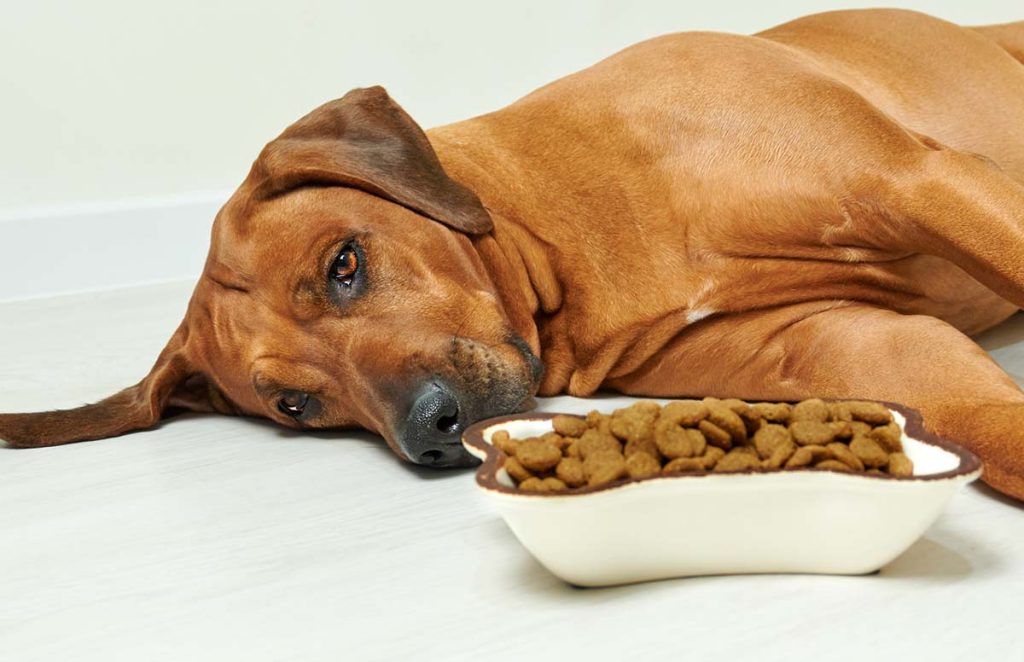
Have you ever prepared your dog’s usual dinner only to watch them sniff it and walk away? Trust me, I’ve been there – standing confused while my furry friend looks at me like I’ve just served them a bowl of rocks instead of their normal kibble. It’s one of those head-scratching moments that makes you wonder: can dogs just stop liking their food?
The short answer is yes, absolutely. Dogs can indeed develop preferences and suddenly decide they’re no longer interested in what used to be their favorite meal. But before you rush out to buy every brand of dog food on the market, let’s dive into why this happens and what you can do about it.
Why Your Dog Might Suddenly Turn Their Nose Up at Dinner
I remember when my Lab mix, Cooper, suddenly decided his regular food wasn’t good enough anymore. It drove me crazy! After a vet visit and some research, I discovered several reasons why dogs might suddenly become food critics:
Medical Reasons (Always Check These First!)
- Dental problems – Tooth pain, decay, gum disease or broken teeth can make eating uncomfortable
- Tummy troubles – Viruses, infections, inflammation, or something stuck in their gut
- General illness – Just like us, dogs lose appetite when they’re feeling under the weather
- Medication side effects – Some drugs can make your pup feel queasy
- Organ issues – Problems with heart, lungs, liver, pancreas or kidneys
As a rule of thumb, contact your vet if your dog hasn’t eaten for 24 hours or if they’re showing other concerning symptoms. Better safe than sorry!
Behavioral and Environmental Factors
Sometimes it’s all in their head (in the nicest possible way)
- Changes in environment – Moving home, construction noise, new pets
- Routine disruptions – Family changes, schedule shifts, returning to work
- Separation anxiety – Some dogs won’t eat until their favorite human returns
- Stress or fear – Fireworks, storms, or other anxiety triggers
Our furry friends are creatures of habit and emotion. My neighbor’s dog refused to eat for two days after they rearranged their furniture! Dogs are weird sometimes but we love them anyway.
The Fussy Eater Phenomenon
Here’s something interesting – your dog probably wasn’t born picky! According to the research, dogs often become selective eaters because they’ve figured out a pretty clever trick:
Some dogs develop picky eating habits over time. If your dog refuses to eat their regular food but enjoys treats, they might just be being selective. Dogs, like people, can have food preferences and may decide they don’t like the taste or texture of their food.
Basically, your dog has realized that if they hold out long enough, they might get something tastier! They’re smarter than we give them credit for.
Dogs can also experience “neophilia” – a preference for new tastes. They’ll gobble up a new food enthusiastically at first, then gradually become less excited about it as the novelty wears off.
Food-Related Issues That Might Be Turning Your Dog Off
Sometimes the problem is with the food itself:
- Old or stale food – Dogs have amazing noses and can tell when food isn’t fresh
- Expired products – Always check those dates!
- Spoiled food – Store properly in cool, dry places
- Formula changes – Many companies update their recipes without obvious packaging changes
I once bought what I thought was my dog’s regular food, only to find they’d changed the formula. My pup noticed immediately, even though I couldn’t tell the difference!
Is Your Dog Overfed?
Here’s something many pet parents don’t realize – sometimes dogs refuse meals because they’re already full from too many treats or table scraps throughout the day.
Treats should make up no more than 10% of your dog’s daily calories. Otherwise, you risk:
- Unbalanced nutrition
- Weight gain
- Creating a picky eater
And don’t forget to check if other family members are sneaking treats! My dad was slipping Cooper chicken every time I wasn’t looking, then wondering why he wouldn’t touch his dinner. ♀️
How to Get Your Dog Eating Again
If medical issues have been ruled out, try these tricks to entice your picky pup:
Make Their Food More Appealing
- Warm it up – Heating food to body temperature releases more aroma (stir well and test first!)
- Add moisture – A bit of warm water on kibble can enhance smell and texture
- Mix it up – Try adding a spoonful of wet food to their dry kibble
- Hand feeding – Sometimes personal attention makes all the difference
- Add toppers sparingly – A little plain chicken or bone broth can work wonders
For Stressed or Anxious Dogs
- Feed in a quiet, calm location
- Stick to consistent feeding times
- Don’t move their bowl around
- Provide non-slip mats for older dogs who struggle to stand on slippery floors
For The Truly Picky Eater
If you have a confirmed picky eater (after ruling out medical issues), sometimes tough love is necessary:
- Put down their food for 15-20 minutes
- If they don’t eat, pick it up
- No treats or snacks between meals
- Offer the same food at the next mealtime
- Healthy dogs won’t starve themselves (but consult your vet if this goes on too long)
Special Situations
New Dogs or Puppies
Just moved homes? Give them time to adjust. Make sure puppies eat regularly though – contact your vet if a puppy hasn’t eaten in 12 hours.
Pregnant Dogs
Pregnant dogs might go off food in early pregnancy or late pregnancy when there’s less room in their tummy. Try smaller, more frequent meals of high-quality food.
Senior Dogs
Older dogs might stop eating due to dental issues, decreased sense of smell, joint pain making it hard to reach their bowl, or even canine dementia. Keep routines consistent and consider specially formulated senior foods.
When to Worry and Call the Vet
Don’t hesitate to get professional help if your dog:
- Hasn’t eaten anything in 24+ hours
- Hasn’t eaten for 12+ hours AND has vomiting or diarrhea
- Isn’t drinking water either
- Is losing weight
- Shows other signs of illness (lethargy, coughing, etc.)
- Has gurgling stomach sounds and won’t eat
Final Thoughts
The good news is that most cases of picky eating can be resolved with patience and the right approach. I’ve been through this journey with my own dogs, and while it can be frustrating, understanding why your dog might suddenly reject their food is the first step toward solving the problem.
Remember, our dogs can’t tell us exactly what’s wrong, so it’s up to us to play detective. And sometimes, just like humans, they simply decide they don’t like something anymore! That’s just part of their unique personality.
Have you experienced a suddenly picky dog? What worked for you? I’d love to hear your stories in the comments below!
Disclaimer: While this article provides general information, it’s not a substitute for veterinary advice. If you’re concerned about your dog’s eating habits, please consult your veterinarian.
Why Did My Dog Stop Eating? | Loss Of Appetite In Dogs | Veterinarian Explains | Dogtor Pete
FAQ
What if my dog doesn’t eat?
If your dog doesn’t eat, go for a couple days and make sure they know that the food you give them is their only option. If they still refuse, then it’s time to take some steps to make their food more appealing. There are several simple things you can do to make your dog’s food more appealing to them.
Why has my dog stopped eating its food?
A hungry, healthy dog should not stop eating its food just because it has been out for a while. However, if it seems like your dog is not eating, it might actually be due to getting too many tasty treats or pieces of human food.
Do dogs like to eat when they eat?
Many human companions of dogs think their pet loves to eat while they are watched or they see food as a social event. Although some dogs like to eat when their owners eat, for the dog the act of eating is a personal moment.
How can I Help my Dog Eat a lot?
Limit Treats: Be mindful of how many treats you’re giving your dog. Treats should make up no more than 10% of their daily caloric intake. Stick to a Feeding Schedule: Set regular mealtimes and avoid free-feeding (leaving food out all day). This helps establish a routine and ensures your dog is eating when they’re hungry.
How do you eat a dog if he is hungry?
Stick to a Feeding Schedule: Set regular mealtimes and avoid free-feeding (leaving food out all day). This helps establish a routine and ensures your dog is eating when they’re hungry. Monitor Portion Sizes: Ensure you’re feeding your dog the correct portion sizes based on their age, size, and activity level.
What if my dog loses interest in food?
If your dog’s loss of interest in food persists for more than a couple of days, or if there are other concerning symptoms (such as lethargy, vomiting, diarrhea, or changes in behavior), it’s important to consult your veterinarian. A professional can help diagnose any underlying health conditions and provide treatment or dietary recommendations.
Do dogs suddenly stop liking their food?
Suddenly being off their food is often a sign that something is wrong, either with them, how they feel or their food. If you notice a change in your dog’s appetite, and there’s no clear explanation, such as food that’s gone off because of a breach in a tin, then it’s best to contact your vet.
Why is my dog being a picky eater all of a sudden?
Picky eating can relate to a dog’s character, medical problems, unsuitable food, and pet parent habits. Age, weight, activity level, and health status influence the ration a dog needs for a healthy meal. Contact a board-certified veterinary nutritionist if preparing homemade meals for your dog.
What do I do if my dog doesn’t want to eat his food anymore?
- Warming the food.
- Offering a more palatable or different flavor of food.
- Adding a food topper.
- Offering for a short term boiled rice and chicken (without spices or seasonings)
Will a dog eventually eat food it doesn’t like?
Yes, a dog can potentially starve itself if it refuses to eat food it doesn’t like, especially if the refusal to eat persists for an extended period. Dogs, like humans, can be picky eaters and may turn away from food that doesn’t appeal to them. However, most dogs will eventually eat if they are hungry enough.