Do dogs fake injuries? You might notice your pup holding up their paw while you’re watching, but as soon as dinner time rolls around, they dash to their bowl without any signs of discomfort. These puzzling behaviors leave many dog owners wondering what’s really going on.
Have you ever experienced that heart-stopping moment when your furry best friend suddenly starts limping across the room only to sprint around like a maniac moments later when the doorbell rings? If you’re nodding your head right now. you’re definitely not alone! As a dog parent who’s witnessed this dramatic performance multiple times. I’ve often wondered can dogs really pretend to limp? Is my pup secretly auditioning for a doggy drama series. or is something else going on?
Today, I’m diving deep into this fascinating behavior that has left countless dog owners scratching their heads and sometimes even making unnecessary trips to the vet (Been there, done that!) Let’s uncover the truth behind your dog’s mysterious limping episodes and what they might actually mean.
The Surprising Reality: Yes, Dogs Can Fake Injuries!
Let’s cut right to the chase—yes, dogs can absolutely pretend to limp or fake injuries! While they might not be “lying” in the same way humans do (they’re too pure for that kind of deception) they are incredibly smart animals that can learn which behaviors get them what they want.
In fact, this behavior is more common than you might think. A viral story from 2020 featured a dog named Bill from London who was caught on camera limping alongside his owner who had recently had leg surgery. Veterinarians found absolutely nothing wrong with Bill’s leg—he was simply mirroring his owner’s behavior either out of empathy or to get some extra attention!
Why Would My Sweet Pup Pretend to Be Injured?
Before you start thinking your dog is some kind of manipulative genius, let’s understand why this behavior happens. Dogs are incredibly perceptive creatures that learn through association and reinforcement. Here are the main reasons your dog might be putting on a limping show:
1. The Attention Jackpot
The most common reason dogs fake limp is simple: ATTENTION. Let’s be honest, what happens when your dog starts limping? You probably:
- Rush over to them
- Speak in that special “poor baby” voice
- Give extra pets and cuddles
- Offer treats or special food
- Cancel plans to stay home with them
From your dog’s perspective, that’s hitting the attention jackpot! As one dog behaviorist explains, “Dogs are incredibly smart animals and they know that when they act like they’re in pain, their owners will shower them with love and attention. It’s a way for them to get the extra care and affection they crave.”
2. Learned Behavior Through Reinforcement
Dogs are masters at understanding cause and effect. If limping once got them treats, cuddles, or a day off from their walk, they might try it again when they want those same rewards.
This isn’t your dog being manipulative—it’s just smart learning! According to research cited by NutriPaw, a 2017 study found that dogs can intentionally exhibit behaviors to get what they want, like food or toys. It’s not lying; it’s strategic communication!
3. Boredom or Lack of Mental Stimulation
Sometimes fake limping isn’t about manipulation at all—it’s about entertainment! As one professional dog trainer notes, “Dogs need mental and physical stimulation to stay healthy and happy. When they are bored, they may resort to fake limping as a way to entertain themselves and break up the monotony of their day.”
If your pup doesn’t have enough mental and physical enrichment in their life, they might resort to dramatic behaviors just to create some excitement.
4. Copying Their Humans (Sympathy Limping)
Dogs are natural mimics, and they pay close attention to their human family members. If someone in your household has been limping or using crutches, your dog might copy that behavior—either out of empathy or because they’ve noticed it gets that person special treatment.
This mirroring behavior is actually a testament to how deeply connected dogs are to their humans!
How to Tell If Your Dog’s Limp Is Fake or Real
Now for the million-dollar question: how do you know if your dog is actually hurt or just putting on a show? While you should ALWAYS err on the side of caution and check with your vet if you’re unsure, here are some telltale signs that your dog might be faking it:
The “Now You See It, Now You Don’t” Limp
Perhaps the biggest giveaway is inconsistency. A dog with a genuine injury will show consistent signs of pain or discomfort. If your dog is limping dramatically one minute, but then sprints after a squirrel the next without any signs of discomfort, you might be dealing with some canine theatrics.
The Audience Factor
Pay attention to when the limping occurs. Does it only happen when you’re watching? Does the limp magically disappear when they think nobody’s looking? This is a classic sign of attention-seeking behavior rather than actual pain.
Lack of Physical Symptoms
Real injuries usually come with other physical signs:
- Swelling or redness
- Warmth around the affected area
- Visible cuts, scrapes, or wounds
- Consistent licking or chewing at the area
- Visible discomfort when the area is touched
If none of these symptoms are present but the limping continues, you might be dealing with a faker!
The Treat Test
This isn’t foolproof, but sometimes offering a high-value treat or toy and placing it across the room can be revealing. A dog who’s truly in pain will still show signs of discomfort even when motivated, while a faker might suddenly “recover” completely when something exciting is offered.
A Real-Life Example From My Experience
Last summer, my Golden Retriever Max suddenly developed a dramatic limp while we were at the dog park. I immediately panicked and rushed him home, checking his paw for thorns, cuts, or anything that could be causing pain. Finding nothing, I called the vet and made an emergency appointment.
But as we waited to leave for the vet, something interesting happened. My husband came home with groceries, and Max—who had been dramatically limping around all afternoon—suddenly sprang up and ran to the door completely normally when he heard the rustle of the treat bag in the shopping! The limp had vanished instantly.
We still took him to the vet (better safe than sorry!), who confirmed after thorough examination that there was nothing physically wrong. The vet explained that Max had likely learned that limping got him extra attention and care from me earlier in his life when he’d had a real injury.
What To Do If Your Dog Is Faking Injuries
So, you’ve caught your furry friend in the act of fake limping. What now? Here’s how to handle your little canine actor:
1. Always Rule Out Medical Issues First
This point cannot be stressed enough: always consult with your veterinarian if your dog displays any signs of limping or pain. Even if you suspect they’re faking, it’s better to be safe than sorry. Sometimes real injuries can come and go, or your dog might be experiencing intermittent pain.
2. Don’t Reinforce the Behavior
If your vet has given your dog a clean bill of health and you’re confident the limping is for attention, be careful not to reinforce the behavior. This means:
- Don’t rush over with concern when the limping starts
- Avoid extra treats, baby talk, or special privileges
- Don’t make a big fuss about the behavior at all
As a professional animal behaviorist points out, “Dogs are incredibly perceptive animals and they pick up on subtle cues from their owners. If they notice that their fake limping elicits a strong emotional response from their owner, they may continue to do it as a way to get that same reaction in the future.”
3. Redirect Their Attention
When your dog starts the fake limping routine, try redirecting their attention to a more appropriate activity:
- Initiate a training session
- Offer a puzzle toy
- Start a game of fetch or tug (if they suddenly “recover” to play, that’s another sign they were faking!)
4. Address the Root Cause
Think about why your dog might be seeking extra attention through fake limping:
- Are they getting enough exercise?
- Do they have enough mental stimulation?
- Has your routine changed recently?
- Are they feeling neglected or bored?
Addressing these underlying issues can help reduce attention-seeking behaviors like fake limping.
Can This Behavior Lead to Problems?
Most of the time, fake limping is harmless and even a little amusing. However, there are some potential concerns to be aware of:
The Boy Who Cried Wolf Scenario
If your dog frequently fakes injuries, you might become desensitized to their displays of discomfort. This could potentially lead to a situation where you miss signs of genuine pain or injury because you assume they’re faking again.
Reinforcing Negative Attention-Seeking
If fake limping consistently gets your dog the attention they want, they might escalate to other unwanted behaviors to achieve the same result. This is why addressing the behavior appropriately is important.
Possible Signs of Anxiety or Stress
Sometimes fake limping or other dramatic behaviors can be signs of underlying anxiety or stress. A certified animal behaviorist explains, “Fake limping in dogs can sometimes be a symptom of more serious behavioral issues such as separation anxiety, fear, or aggression.”
Final Thoughts: Understanding Your Dramatic Dog
At the end of the day, your dog isn’t “lying” to you when they fake a limp—they’re communicating in the best way they know how. Dogs don’t have the moral concept of deception; they simply learn what works to get their needs met.
When your dog puts on these performances, remember that it comes from a place of intelligence and deep connection with you. They’ve observed, learned, and figured out what behaviors get a response from their favorite human—you!
So next time your perfectly healthy dog starts dramatically limping across the living room floor, you can smile knowing that while they might not deserve an Oscar, they definitely deserve credit for their problem-solving abilities and emotional intelligence.
And remember—always check with your vet if you’re unsure! It’s better to feel a little silly for bringing in a perfectly healthy dog than to miss a real injury because you assumed they were faking.
Has your dog ever put on a dramatic limping performance? I’d love to hear your stories in the comments below!

When to Be Concerned
While your dog’s limping might start as a bid for attention, there are times when that slight limp signals something more serious. If the limping persists for more than 24 hours, it’s time to pay closer attention to dog limping causes. Watch how your pup behaves during their favorite activities – a dog who typically bounds after tennis balls but suddenly shows little interest might be dealing with real discomfort.
Changes in your dog’s daily patterns offer important clues too. Perhaps they’re more hesitant to climb stairs, or they’re sleeping more than usual. Maybe they’re not as eager for their morning walk, or they’ve become less interested in their food bowl. These subtle shifts in behavior, especially when combined with consistent limping, suggest it’s time for a closer look at what’s really going on.
Can Dogs Fake a Limp?
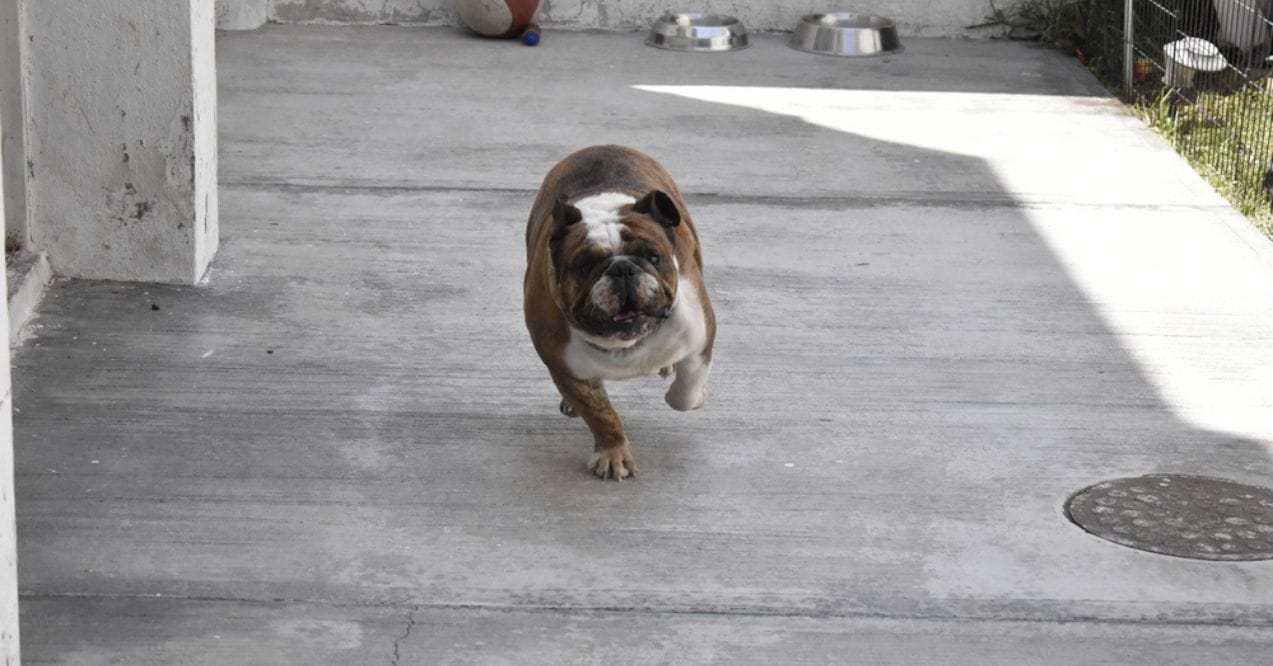
Let’s tackle the big question – can dogs fake a limp? The answer lies in watching their patterns. Here’s how to tell what’s really going on:
Try observing your pup from a distance or through a window. A dog fake limping often drops the act when they think no one’s watching. Next, try the distraction test. Shake their treat bag or grab their favorite toy – those seeking attention often forget all about their “injury” in their excitement.
Here’s what to look for:
Signs of a Real Injury
- Your pup favors the leg consistently, even during exciting moments
- They avoid putting weight on the affected leg throughout the day
- Gentle touches to the area cause them to pull back or show discomfort
Signs of Attention-Seeking
- The limp vanishes during mealtime or play sessions
- They switch which leg seems “sore”
- When you gently check the area, they show no signs of tenderness
Dog faking injury || ViralHog
FAQ
How do I know if my dog is faking a limp?
Why do dogs imitate limping?
Yes, dogs can sometimes fake a limp or exhibit other signs of injury to gain attention from their owners. This behavior is often a learned response, where the dog realizes that limping may elicit more care, sympathy, or treats.
Why does my dog pretend to have a sore leg?
In short, the answer to this question is “Sometimes, it’s possible for some dogs to ‘fake’ injuries, although this is not very common, and more often than not …Sep 3, 2025
Can a dog limp then be fine?
Limping may be short-lived—sometimes a dog may limp for a few moments and then be fine. A dog may have a long-term or progressively worsening limp. In other cases, a dog may limp on and off intermittently. Occasionally, the limp may appear to shift between legs.