
Have you ever stared at your freshly fertilized lawn and wondered if it’s safe for Fido to roam around? Trust me, you’re not alone! As both a dog lover and someone who takes pride in my lawn, I’ve faced this dilemma countless times.
The simple answer is no, dogs should not walk on freshly fertilized grass – at least not immediately. You’ll need to wait anywhere from 24 to 72 hours, depending on the type of fertilizer used. But there’s much more to understand about keeping your furry friend safe while maintaining that Instagram-worthy lawn.
Key Takeaways
- Waiting Period: Keep dogs off fertilized grass for 24-72 hours depending on fertilizer type
- Safety First: Chemical fertilizers require longer waiting periods (up to 72 hours) than organic options (about 24 hours)
- Visual Check: For granular fertilizers, ensure no pellets remain visible before allowing pets back
- After Application: Water your lawn thoroughly to help fertilizer absorb into soil faster
- Warning Signs: Watch for symptoms like vomiting, diarrhea, or skin irritation if your dog may have been exposed
Understanding Fertilizer Risks for Dogs
Let’s face it – our pups love to sniff, roll in, and sometimes even taste everything they find outdoors This natural curiosity puts them at risk when it comes to lawn chemicals
What Makes Fertilizers Harmful to Dogs?
Most lawn fertilizers contain a mix of nitrogen, phosphorus, and potassium (those N-P-K numbers you see on bags). While these nutrients help your grass grow, they can cause significant health issues if your dog ingests them. Some fertilizers also contain additional harmful ingredients:
- Herbicides: Added to kill weeds but can be toxic to pets
- Insecticides: Used to eliminate bugs but potentially dangerous if licked or ingested
- Iron: Common in some fertilizer blends and can cause stomach problems
- Blood meal/bone meal: In organic fertilizers, these can attract dogs to eat the fertilizer
When your dog walks on freshly treated grass, these chemicals can stick to their paws, which they might later lick during grooming Even worse, some curious pups might directly eat fertilizer granules they find interesting.
Types of Fertilizers and Their Safety Profiles
Not all fertilizers pose the same level of risk to your four-legged friend Understanding the differences can help you make safer choices
Chemical Fertilizers
These synthetic fertilizers deliver concentrated nutrients for quick lawn results but present the highest risk to pets.
- Wait Time: At least 72 hours before allowing dogs on the lawn
- Risks: Can cause vomiting, diarrhea, and more serious health problems if ingested
- Appearance: May be liquid or granular format
Organic Fertilizers
Derived from natural sources like compost, manure, or bone meal, these are generally safer but still require caution.
- Wait Time: Minimum 24 hours
- Risks: Lower toxicity but can still cause stomach upset if consumed
- Attraction: Some organic materials might actually smell appealing to dogs
Slow-Release Fertilizers
These provide nutrients gradually over time and can be either chemical or organic.
- Wait Time: Follow manufacturer instructions, typically 48 hours
- Benefit: Lower concentration of chemicals at any given time
Liquid vs. Granular: Which is Safer?
Both types can be harmful, but they present different challenges:
Liquid Fertilizers
- Absorb quickly into soil
- Harder to see when fully dried/absorbed
- Wait until completely dry plus 24-48 hours
Granular Fertilizers
- Easier to see on lawn surface
- Pellets might interest curious dogs
- Wait until no visible granules remain plus 24 hours
Personally, I’ve found granular fertilizers easier to work with when you have pets because you can actually see when they’re gone from the surface.
The Waiting Game: When Can Dogs Safely Return to the Lawn?
The million-dollar question: how long should Fido be banned from his favorite bathroom spot? Let’s break it down:
General Guidelines for Different Fertilizers
| Fertilizer Type | Minimum Waiting Time | Additional Steps |
|---|---|---|
| Chemical | 72 hours | Water thoroughly after application |
| Organic | 24 hours | Check for remaining materials |
| Slow-Release | 48 hours | Follow product instructions |
| Liquid | Until completely dry + 24hrs | Water if recommended |
| Granular | Until no visible granules + 24hrs | Check carefully in grass |
Factors That Affect Waiting Time
Several things can impact how quickly it’s safe for your pup to return:
- Weather conditions – Rain can help wash fertilizer into soil but may also require reapplication
- Application method – Professional services may use different concentrations
- Your dog’s habits – Dogs who dig or frequently eat grass need longer waiting periods
- Lawn watering – Thorough watering after application speeds up absorption
I learned this the hard way when I let my Lab mix Bella out too soon after fertilizing last spring. She immediately started rolling in the grass, and I spent the next hour giving her an emergency bath while worrying if she’d ingested anything harmful!
Signs Your Dog May Have Been Exposed to Fertilizer
Even with careful planning, accidents happen. Know what to watch for if your dog manages to access recently fertilized areas.
Common Symptoms of Fertilizer Exposure
- Vomiting or diarrhea
- Excessive drooling
- Lethargy or unusual behavior
- Redness or irritation on paws or skin
- Difficulty breathing (in severe cases)
If you notice any of these symptoms and suspect fertilizer exposure, contact your vet immediately. It’s always better to be safe than sorry when it comes to potential chemical exposure.
Creating a Pet-Safe Lawn Care Routine
You don’t have to choose between a beautiful lawn and your dog’s safety. With some planning, you can have both!
Alternative Fertilization Options
Consider these safer approaches:
- Compost – Natural and generally safe once fully integrated into soil
- Fish emulsion – Smelly but effective and less toxic
- Bone meal – Nutrient-rich but may attract dogs to dig, so use cautiously
- Pet-friendly commercial fertilizers – Specially formulated to be safer around animals
Practical Tips for Dog Owners
These strategies have helped me maintain both a nice yard and a healthy pup:
- Section off your yard – Fertilize one area at a time so your dog always has a safe zone
- Keep records – Mark on your calendar when you fertilize so you know when it’s safe
- Create dog-specific areas – Designate parts of your yard that remain chemical-free
- Morning applications – Apply fertilizer early so it has maximum drying time before evening potty breaks
- Rinse paws – Wipe your dog’s feet after outdoor time during the waiting period
- Read labels carefully – Follow all safety instructions on fertilizer packaging
FAQs About Dogs and Fertilized Lawns
Q: Is it safe for dogs to walk on grass treated with fertilizers?
A: No, not immediately. Wait 24-72 hours depending on the fertilizer type. Chemical fertilizers require at least 72 hours, while organic options need at least 24 hours.
Q: What should I do if my dog accidentally walks on freshly fertilized grass?
A: Wash their paws thoroughly with mild soap and water. Monitor them for any symptoms like vomiting or unusual behavior. If symptoms appear, contact your veterinarian.
Q: Are organic fertilizers completely safe for dogs?
A: While organic fertilizers are generally safer, they can still cause stomach upset if ingested. Always wait until the recommended time has passed before allowing dogs on treated areas.
Q: Does watering the lawn after fertilizing make it safer for dogs?
A: Yes! Watering helps the fertilizer absorb into the soil, reducing the amount available on the surface where your dog can contact it. This is an important step in making your lawn safer faster.
Q: What’s the safest type of fertilizer to use if I have dogs?
A: Pet-friendly or organic fertilizers labeled as safe for pets typically pose lower risks. Products containing bone meal or blood meal may attract dogs, so use these with caution.
Conclusion
Balancing a beautiful lawn with your dog’s safety isn’t always easy, but it’s definitely possible with some knowledge and planning. The key is understanding the waiting period required for your specific fertilizer type and being diligent about keeping your furry friend away from treated areas during that time.
Remember, when in doubt, wait longer than the minimum recommended time. Your lawn will still benefit from the fertilizer, and you’ll have peace of mind knowing your dog is safe from potential chemical exposure.
I’ve learned that a little patience goes a long way – both in growing great grass and in keeping my pup healthy! With the right approach, you can have a lawn that’s the envy of the neighborhood and a safe play space for your four-legged family member.
Have you had any experiences with dogs and fertilized lawns? I’d love to hear your stories and tips in the comments below!
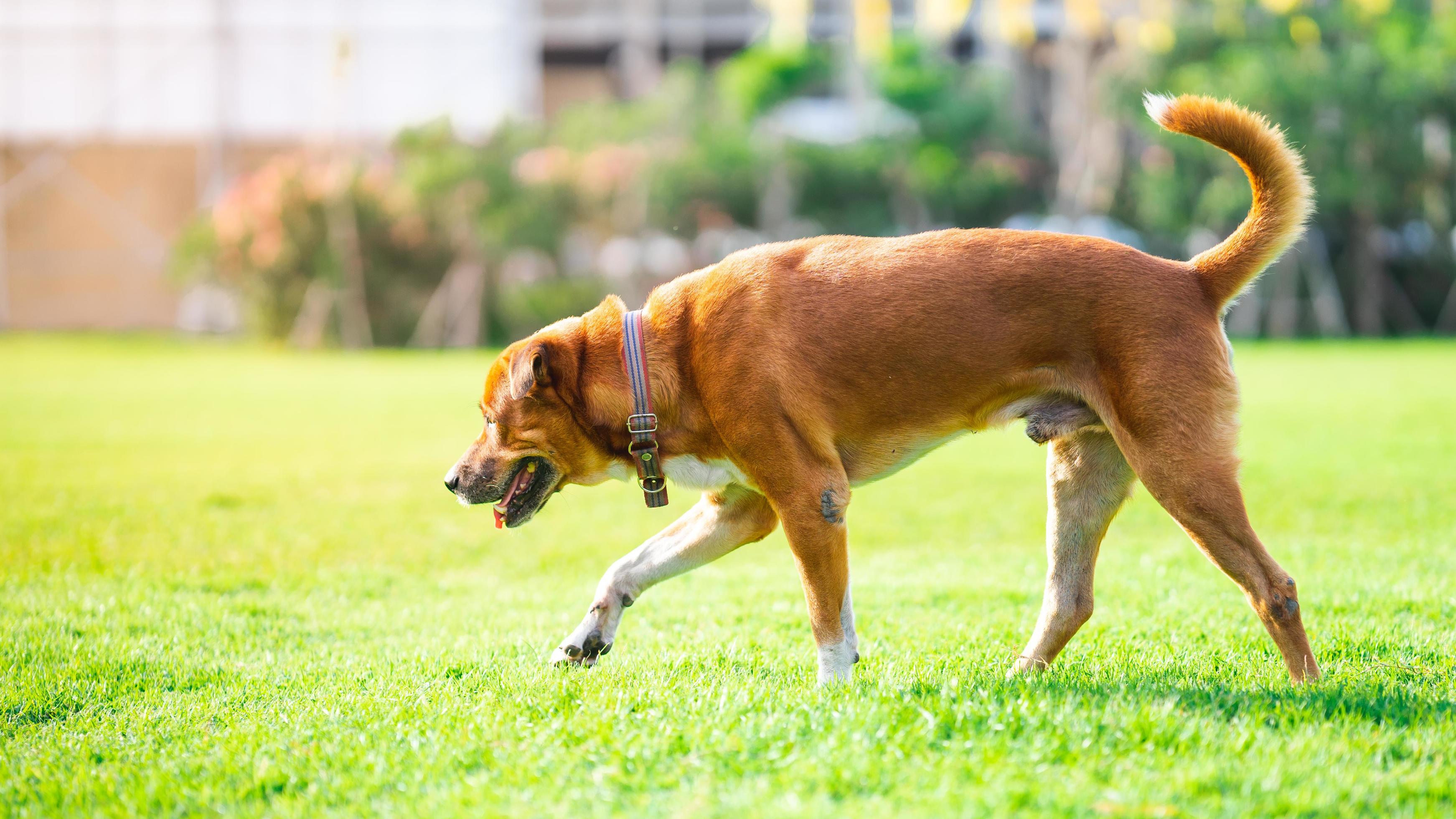
When Can Dogs Go On Lawn After Fertilizing
Our lawns are an important extension of our homes, not only for us but also for our dogs. We all know just how important our furry friends are to us, so we must ensure their safety.
Your dog might love to spend time in the yard, but springtime can bring the possibility of illness for pets. Many of us fertilize our lawn at this time of year, and excessive fertilizer ingestion can cause some pretty nasty health issues for our dogs.
Due to the risk of fertilizer ingestion, many people wonder precisely when dogs can go on the lawn after fertilizing.
This article will look at exactly when your dog can go on the lawn after fertilizing, so you no longer need to take any risks.
What is in fertilizer that is harmful to dogs?
Some fertilizer blends are coated with selective herbicides that can be harmful to our dogs. In the Reno/Sparks high desert regions, fertilizer rarely contains insecticides.
When insecticides are present, they can cause a real problem. Insecticides are used to kill small insects like grubs and bugs. They contain ovicides and larvicides that eliminate larvae and eggs; therefore, they can have a much more significant impact on your dog’s health.
Ingestion of insecticides can result in symptoms of diarrhea, changes in behavior, skin sores, and lethargy.
There are two popular types of fertilizer used, liquid and granular fertilizers. Both can be harmful to your dog (if ingested), but choosing one over the other may be more beneficial in knowing when it is safe for pets to go back on the lawn.
Below you will find a description of both fertilizers.
Liquid fertilizer is the quickest absorbing fertilizer available. The liquid is absorbed by the plant and the soil. It has the benefit of letting the soil absorb the nutrients faster, making the lawn safer to use sooner.
However, determining grass safety after applying a liquid fertilizer can be tricky. With the liquid application, you will find it tough to see the fertilizer on the lawn, creating a difficult decision. Is all the fertilizer absorbed?
The only solution to this problem is to wait until the lawn is completely dry. The lawn’s dryness will provide a good indication that the fertilizer has been absorbed fully by the soil.
Some manufacturers recommend watering the lawn before letting your dog on it after waiting at up to 48 hours. Watering will simply reduce the risk of any fertilizer still being present.
Granular fertilizer is probably the easiest fertilizer to apply evenly and correctly. This fertilizer is made up of tiny pellets that are spread across the lawn.
Fertilizer prills or pellets fall down in the canopy of the grass. It is usually when there are pellets on patios, driveways, and walkways that pets will be interested in licking.
Once you can no longer see the pellets, wait 24 hours. After this time, check the lawn to ensure no granules are still present. If there are none, your dog can go back on the lawn.
Checking the lawn for fertilizer is much easier and more time-efficient than using liquid fertilizer.