
What should you do when you find a tick on your dog? My grandma used to say that you can remove a tick from a dog by putting a hot match against the tick, or, apply salt, or douse it with gasoline. Please! None of those methods work. And your dog probably wonât appreciate being doused with gasoline either.
Have you ever found a tick on your furry friend and panicked? Maybe you’ve heard that good ol’ Vaseline (petroleum jelly) might be the quick fix you need. It’s one of those home remedies that gets passed down through generations – along with using hot matches, nail polish, or even gasoline to remove these pesky parasites. But does it actually work? Let’s dive into the truth about using Vaseline on ticks and discover the right way to handle these unwelcome visitors on your dog.
The Vaseline Myth: Why It Doesn’t Work
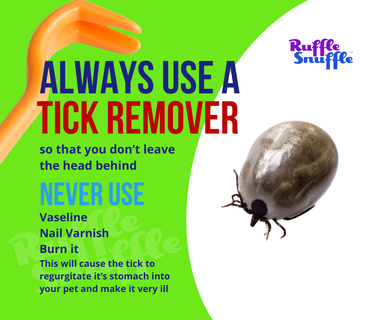
I’ll be straight with you – putting Vaseline on a tick attached to your dog is NOT an effective method for tick removal. Despite what your grandma might have told you this common home remedy simply doesn’t work as advertised.
The theory behind using Vaseline (or petroleum jelly) is that it supposedly “suffocates” the tick, forcing it to back out of your dog’s skin on its own. Sounds convenient, right? Unfortunately, this approach has several major problems:
- Ticks can survive without air for long periods (they’re incredibly resilient)
- While waiting for the tick to detach, it continues feeding on your dog
- The tick may actually inject MORE saliva (and potentially disease) into your dog when stressed
- It significantly delays proper removal of the tick
The same goes for other similar “remedies” like nail polish, gasoline, or applying heat with a match. None of these methods work effectively, and some (like gasoline) can actually harm your dog!
Why Fast Tick Removal Matters
When it comes to ticks on dogs time is literally of the essence. The longer a tick remains attached and feeding on your dog the higher the risk of disease transmission.
Ticks can transmit several serious diseases to dogs, including:
- Lyme disease
- Ehrlichiosis (most common tick-borne disease in North Texas)
- Rocky Mountain Spotted Fever
- Babesiosis
Many of these diseases can be life-threatening if not caught early. That’s why waiting around for Vaseline to “work” is not just ineffective – it’s potentially dangerous for your pup.
The Right Way to Remove a Tick from Your Dog
Now that we’ve busted the Vaseline myth, let’s talk about what actually works. Removing a tick properly isn’t complicated, but it does require the right technique and tools.
What You’ll Need:
- Fine-tipped tweezers or a commercial tick removal tool
- Gloves (to protect yourself)
- Alcohol or soap and water
- A container with a lid or tape
Step-by-Step Tick Removal:
- Put on gloves – This protects you from potential disease transmission
- Part your dog’s fur to clearly see where the tick is attached
- Grab the tick with tweezers as close to your dog’s skin as possible
- Pull upward with steady, even pressure – don’t twist or jerk!
- Dispose of the tick safely by placing it in alcohol, wrapping in tape, or putting in a sealed container
- Clean the bite area with soap and water or alcohol
- Wash your hands thoroughly after removal
What About the Tick’s Head?
One common concern is getting the tick’s head stuck in your dog’s skin during removal. Here’s the truth – unless you find and remove the tick very soon after it attaches, you likely won’t be able to remove the tick with its head intact.
Ticks secrete a substance that helps their mouth parts remain firmly embedded in the skin. This is why the head often stays behind when you remove a tick that’s been attached for a while.
If the head does remain in your dog’s skin:
- Don’t dig at it or try to remove it
- Apply a bit of antibiotic ointment to the area
- Let your dog’s body naturally reject it
- The site will heal on its own over time
Tick Prevention is Best Protection
While knowing how to remove ticks properly is important, preventing them in the first place is even better. There are several excellent products designed specifically to protect dogs from ticks:
- Frontline Tritak – Starts killing ticks in as little as 1 hour
- Frontline Certifect – Begins killing ticks in under 6 hours and actually detaches ticks
- Various chewable tablets, collars, and topical solutions
These products work much faster and more effectively than any home remedy ever could. When choosing a product, make sure it’s:
- Specifically designed for dogs (some products are dangerous for cats)
- Approved by your veterinarian
- Appropriate for your dog’s age and weight
- Used according to directions
Annual Testing for Tick-Borne Diseases
Even with good prevention, it’s wise to have your dog tested annually for tick-borne diseases. When your vet does your dog’s yearly heartworm test, ask for the 4X heartworm test, which also screens for common tick-transmitted diseases.
This comprehensive screening can detect infections before your dog shows any symptoms, allowing for earlier treatment and better outcomes.
What NOT To Do When You Find a Tick
Let’s summarize what methods to avoid when dealing with a tick on your dog:
❌ Don’t use Vaseline/petroleum jelly – It doesn’t work and delays proper removal
❌ Don’t apply nail polish – Another ineffective “suffocation” method
❌ Don’t use a hot match – Can cause the tick to inject more saliva
❌ Don’t apply gasoline or kerosene – Dangerous for your dog and ineffective
❌ Don’t squeeze the tick’s body during removal – May cause it to inject more saliva
❌ Don’t crush the tick with your fingers – Its blood may carry diseases
❌ Don’t dig at the tick’s head if it remains – Let the body naturally reject it
When to Call Your Vet
Most of the time, proper tick removal at home is all that’s needed. However, there are times when you should consult your veterinarian:
- If you’re uncomfortable removing the tick yourself
- If your dog develops a rash or swelling around the bite area
- If your dog shows signs of illness after a tick bite (lethargy, fever, lameness)
- If you live in an area with high rates of tick-borne disease
- If you find ticks on your dog frequently despite prevention efforts
FAQs About Ticks and Dogs
Q: How long does a tick need to be attached to transmit disease?
A: It varies by disease, but many require the tick to be attached for at least 24-48 hours. This is why fast removal is crucial.
Q: Can I get sick from removing a tick from my dog?
A: Yes, ticks can transmit diseases to humans too. Always wear gloves and wash your hands after handling ticks.
Q: What does a tick look like on a dog?
A: Ticks can vary in size from a pinhead to a grape, depending on how long they’ve been feeding. They’re typically brown or black and have a round, flat body that becomes engorged after feeding.
Q: Where do ticks commonly attach on dogs?
A: Ticks often attach to areas with thin skin and less fur, such as ears, eyelids, under the collar, armpits, between toes, and in the groin region.
Q: How can I check my dog for ticks?
A: Run your hands over your dog’s entire body, feeling for small bumps. Separate the fur to look at the skin in areas where you feel anything suspicious. Pay special attention to the head, neck, ears, and feet.
Conclusion: Skip the Vaseline, Save Your Pup
When it comes to tick removal, forget what grandma told you about Vaseline, nail polish, or matches. These old wives’ tales not only don’t work – they can actually increase the risk of disease transmission to your beloved pet.
Instead, keep a pair of fine-tipped tweezers in your pet first aid kit, use proper technique for removal, and talk to your vet about the best tick prevention products for your dog. Your furry friend will thank you with many healthy, tick-free years of companionship!
Remember, the faster you remove a tick properly, the lower the chance of disease transmission. So next time someone suggests slathering Vaseline on a tick, you’ll know better – and your dog will be safer for it.
Ticks Can Transmit Diseases
Pets and humans are at risk from tick transmitted diseases. Diseases that can be transmitted to your dog include Lyme disease, Rocky Mountain Spotted Fever, Ehrlichiosis and Babesiosis. We are concerned about your dog getting ticks. Ticks are more than just a âyuckâ factor, the diseases can be life threatening.
The biggest threat in dogs that we see in North Texas is Ehrlichiosis, and occasionally Lyme disease. When your dog is tested for heartworm disease each year, make sure that your veterinarian uses the 4X heartworm test. The 4X test will test for heartworms AND tick transmitted diseases. This is a wonderful screening test which allows us to detect dogs that have been infected but are not manifesting signs of the disease yet.
How Do You Remove a Tick?
The best way to remove a tick is to use tweezers, apply steady pressure, and pull the tick out. It is very important, that when you remove a tick, use gloves, or tweezers and do not come into contact with the tick. You should protect yourself because ticks can transmit diseases to people, such as Lyme disease.
A commonly asked question is how to remove the tick AND the tickâs head. People often find that when you remove the tick, the head gets left behind. You wonât be able to remove the tick with the head intact, unless you find and remove the tick right after it has burrowed into the skin. Ticks secrete a substance that helps the tickâs head to remain buried. This is why when you remove the tick after it has been there a while, the head remains. If the head is left behind, try applying an antibiotic ointment to help with any skin reaction that may occur. The area will eventually heal.