
Are you sure you want to add just 1 tablet to your cart, or would you like to change the quantity?
Have you ever noticed a strange bump on your furry friend and wondered, “Can I just use my own wart remover on my dog?” I know I have! As a pet parent, finding a wart on your dog can be worrying, and it’s tempting to reach for that human wart remover in your medicine cabinet. But hold up before you do that!
Today, I’m diving deep into everything you need to know about dog warts, safe treatment options, and why human wart removers might not be the best idea for your four-legged companion.
What Are Dog Warts Actually?
First things first, those bumpy growths on your pooch aren’t the same as human warts, even though they might look similar.
Dog warts (officially called canine papillomas) are benign growths caused by the canine papillomavirus (CPV). According to veterinary experts, there are two main strains:
- CPV-1: Typically causes warts on a dog’s face
- CPV-2: Usually appears on the belly and feet
These warts have a distinctive cauliflower-like appearance that makes them fairly easy to spot, especially on younger dogs who haven’t fully developed their immune systems yet.
What Do Dog Warts Look Like?
If you’re trying to identify whether that weird bump is actually a wart, here’s what to look for:
- Appearance: Cauliflower-like with rough, pebbly texture
- Color: Usually pink or gray
- Shape: Often longer than they are wide, somewhat protrusive
- Common locations:
- Mouth area (gums, tongue, lips)
- Face (nose, eyelids)
- Paws (between toes or on pads)
- Belly
CPV-1 warts typically appear in clusters and are commonly found around the mouth area, while CPV-2 warts are usually singular and might show up on your dog’s belly or feet.
The Big Question: Can You Use Human Wart Remover on Dogs?
Short answer: No, you should NOT use human wart remover on your dog.
I know it’s tempting to try a quick fix, but human wart removers contain chemicals that can be harmful to dogs. These products aren’t formulated with canine skin in mind, which is actually quite different from human skin in terms of sensitivity and pH balance.
Dr. Sylvalyn Hammond, a veterinarian based in South Carolina, emphasizes that dog warts require different treatment approaches than human warts. Using human wart removal products could lead to:
- Skin irritation
- Chemical burns
- Pain and discomfort
- Infection
- Worsening of the condition
Plus, your dog might lick the area after application, ingesting potentially toxic chemicals.
When Should You Worry About Dog Warts?
Good news! Most dog warts are harmless and will disappear on their own within about 3 months as your dog’s immune system fights off the virus.
However, you should consult your vet if:
- The wart has persisted for longer than 3 months
- The wart is changing in size, shape, or color
- The wart is located in an uncomfortable spot (like on a paw pad)
- Your dog has numerous warts at once
- The wart appears infected or inflamed
- Your dog seems bothered by the wart (excessive licking or scratching)
Professional Treatment Options for Dog Warts
If your vet determines that your dog’s warts need treatment, there are several safe, veterinary-approved options:
1. Surgical Removal
Vets can surgically cut off warts under local anesthesia while your dog is mildly sedated. This is often recommended for problematic warts that cause discomfort.
2. Crushing Technique
This interesting method involves crushing the wart to stimulate an immune response, prompting your dog’s body to eliminate the wart naturally. This is also performed under mild sedation and local anesthesia.
3. Wait-and-See Approach
For many dogs, especially those with small, non-bothersome warts, vets often recommend monitoring the wart and allowing it to resolve on its own as the dog’s immune system fights off the virus.
The Cost of Professional Wart Removal
Let’s talk money, cuz we all know vet bills can add up! The cost of dog wart removal varies depending on:
- Your location
- The veterinarian you choose
- The number of warts
- The complexity of the procedure
For a young, healthy dog with one or two problematic warts, you’re typically looking at $300-$500 for removal, including local anesthesia and sedation.
If multiple warts need removal or if general anesthesia is required, costs can jump to over $1,000. And if your dog is older or has a compromised immune system, additional monitoring might be needed, potentially increasing the cost further.
This is where pet insurance can be super helpful! Coverage like MetLife Pet Insurance could help manage these unexpected costs.
Are Dog Warts Contagious?
Here’s something that might surprise you – dog warts ARE contagious, but only to other dogs!
The canine papillomavirus can spread easily between dogs, especially in places like:
- Dog parks
- Doggy daycare
- Kennels
- Grooming facilities
Transmission typically occurs through direct contact or sharing of toys and bowls. Young dogs are particularly susceptible due to their immature immune systems.
But the good news? You can’t catch warts from your dog! Dr. Hammond emphasizes that while both humans and dogs can get warts, dog warts aren’t contagious to humans. So no need to worry about catching anything from your furry friend!
Preventing Warts in Dogs
While you could technically prevent warts by keeping your dog away from other dogs, veterinarians don’t actually recommend this approach. As Dr. Hammond puts it, “Keeping your puppy in a bubble just isn’t fair to the puppy.”
Dr. Elfenbein adds that it’s “unnecessary to be concerned about preventing warts, since they are benign and do not cause any harm to your dog.”
In other words, the social benefits of letting your dog play with other dogs far outweigh the minor inconvenience of the occasional wart!
Home Care for Dogs with Warts
If your vet has advised a wait-and-see approach, here are some things you can do at home to keep your dog comfortable:
- Monitor the wart: Keep an eye on the size, shape, and appearance of the wart
- Prevent irritation: Consider using a cone or deterrent if your dog is excessively licking or scratching the wart
- Keep the area clean: Gently clean around the wart with pet-safe cleansers recommended by your vet
- Boost immune health: Ensure your dog is eating a nutritious diet and getting proper exercise to support their immune system
Why You Should Always Consult a Vet
I can’t stress this enough – always consult with a vet before attempting any treatment for warts on your dog!
Veterinarians have the expertise to:
- Confirm that the growth is actually a wart (and not something more serious)
- Determine if treatment is necessary
- Recommend the safest and most effective treatment options
- Provide proper pain management during procedures
- Monitor for any complications
With a MetLife Pet Insurance policy, you might even have access to 24/7 veterinary chat through their app, allowing you to ask questions and seek medical advice about your dog’s warts without an immediate clinic visit.
Final Thoughts: Keep It Professional
So, to answer the original question: No, you should not put human wart remover on your dog. While it might seem like a convenient solution, it could cause more harm than good.
The best approach is to:
- Have your vet confirm the bump is actually a wart
- Monitor the wart if your vet recommends it
- Follow your vet’s professional treatment recommendations
- Consider pet insurance to help with unexpected costs
Remember, most dog warts are harmless and will resolve on their own within a few months. In the meantime, give your furry friend some extra love and maybe an extra treat for being such a good boy or girl!
Have you ever dealt with warts on your dog? What was your experience like? Share your stories in the comments below!
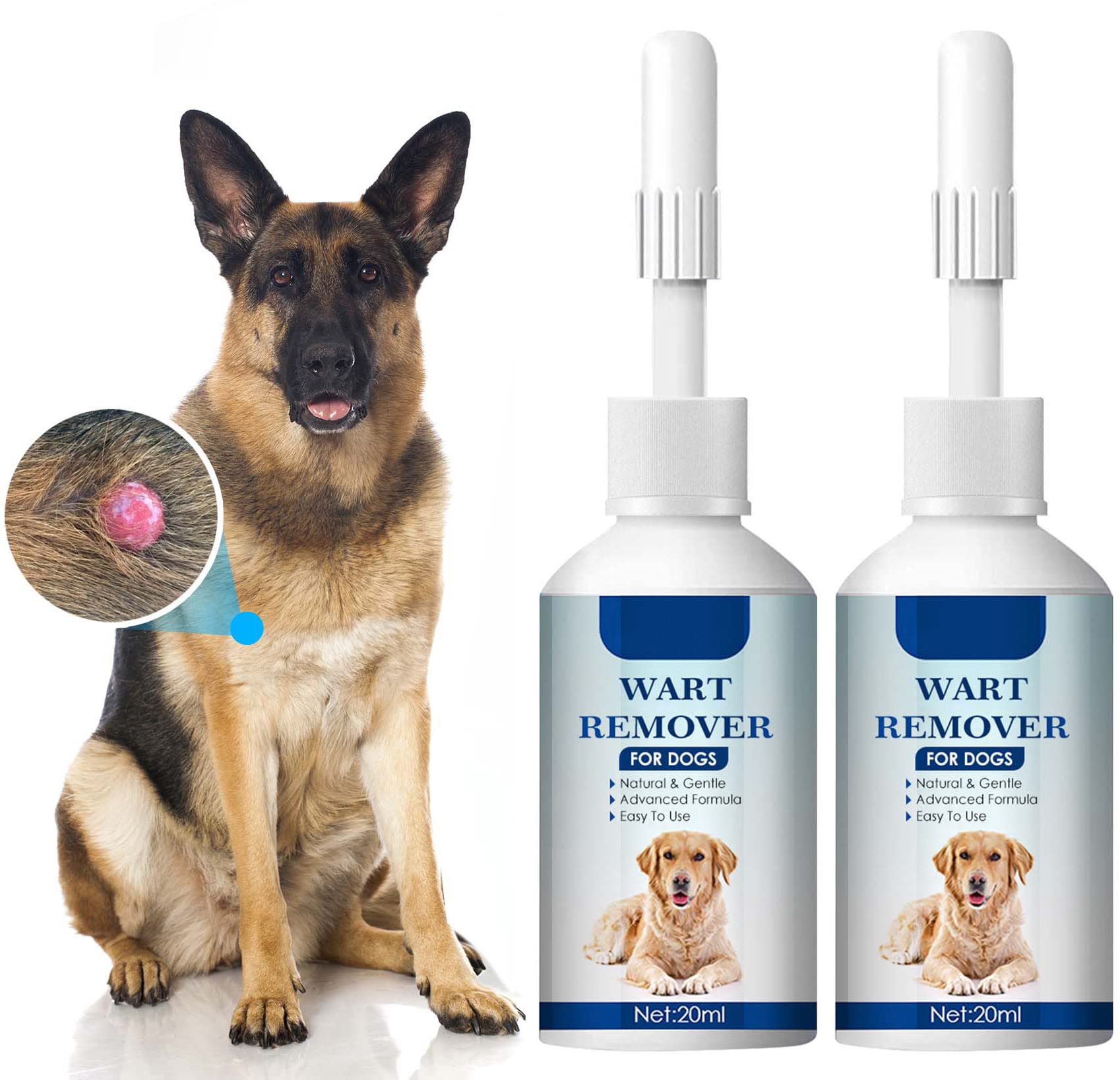
What is Wartsoff Wart Ointment?
- Wartsoff™ Ointment is for use as an Aid in the Removal of External Warts in dogs.
Why is Wartsoff Wart Ointment given to dogs?
- Effective Aid in Removing Warts Without Causing Bleeding.
- Painless Treatment.
- Easily Applied.
What problems could my dog have with Wartsoff Wart Ointment?
- Avoid contact with eyes.
- Wash hands thoroughly with soap and warm water after applying this product to animals.
How do you use Wartsoff Wart Ointment?
- Apply directly on the wart twice daily.
- Rub in well leaving wart completely covered with Wartsoff.
- If no benefit is apparent after two weeks of treatment or for warts that grow rapidly, consult a veterinarian.
What is in Wartsoff Wart Ointment?
- Ingredients: Castor Oil 39%, Salicylic Acid 17%, Inert Ingredients 44%.
Will I get what I see in the picture?
- Wartsoff Wart Ointment is a brand name. You will receive the exact brand that you request.
Is it important for my dog to finish all of the Wartsoff Wart Ointment?
- Dogs may use this product for different lengths of time. Please consult your veterinarian if you have any questions.
Who makes Wartsoff Wart Ointment?
- Wartsoff Wart Ointment is made by the manufacturer Creative Science.
Enroll in VetRxDirect’s Autoship program to save 5% (up to $ today and 5% off on all recurring orders.
For more information on VetRxDirects Autoship program, check out our Frequently Asked Questions.
- At checkout, we’ll collect information about your pets and veterinarian.
- When your order is complete, we’ll quickly confirm new prescriptions, and existing prescriptions without refills, with your veterinarian.
- We’ll ship your order, usually within one business day.
Are you sure you want to add just 1 tablet to your cart, or would you like to change the quantity?
- Guaranteed lowest authorized price. Learn more.
- Usually ships the same weekday before 3pm CT.
- Apply directly on the wart twice daily. Rub in well, leaving wart completely covered.
Dog Wart Removal Step by Step Guide
FAQ
Does human wart remover work on dogs?
How do I get rid of warts on my dog?
What is the best cream for dog warts?
- Thuja Cream Horse Dog Cat Bird Wart Remover Skin Tag Growths Itch Treatment 150g. …
- Pet Wart Remover Lotion Dog Skin Tag Rapidly Eliminate Removal Treatment 20ml UK. …
- Natural Dog Wart Remover Dog Skin Tags, Dog Wart Removal Treatment P4W0 UK. …
- Natural Dog Wart Remover Dog Skin Tags, Dog Wart Removal Treatment P4W0 UK.
Should dogs have warts removed?
Since they are largely considered a cosmetic problem, wart-like growths in older dogs may not need treatment, but exceptions are often made, especially if the …Jan 3, 2023