
As a dog owner who’s been through the ups and downs of pet parenthood I’ve heard this question pop up more than a few times in conversation with fellow dog lovers. Whether you’re regretting a decision to spay your female dog or considering future breeding options it’s natural to wonder if dog sterilization can be undone. Let’s dive into this topic and separate fact from fiction.
The Short Answer: No, Traditional Spaying Cannot Be Reversed
I’ll be straight with you – if your female dog has undergone a traditional spaying procedure, this cannot be reversed Spaying involves the surgical removal of reproductive organs, and once they’re gone, they’re gone for good.
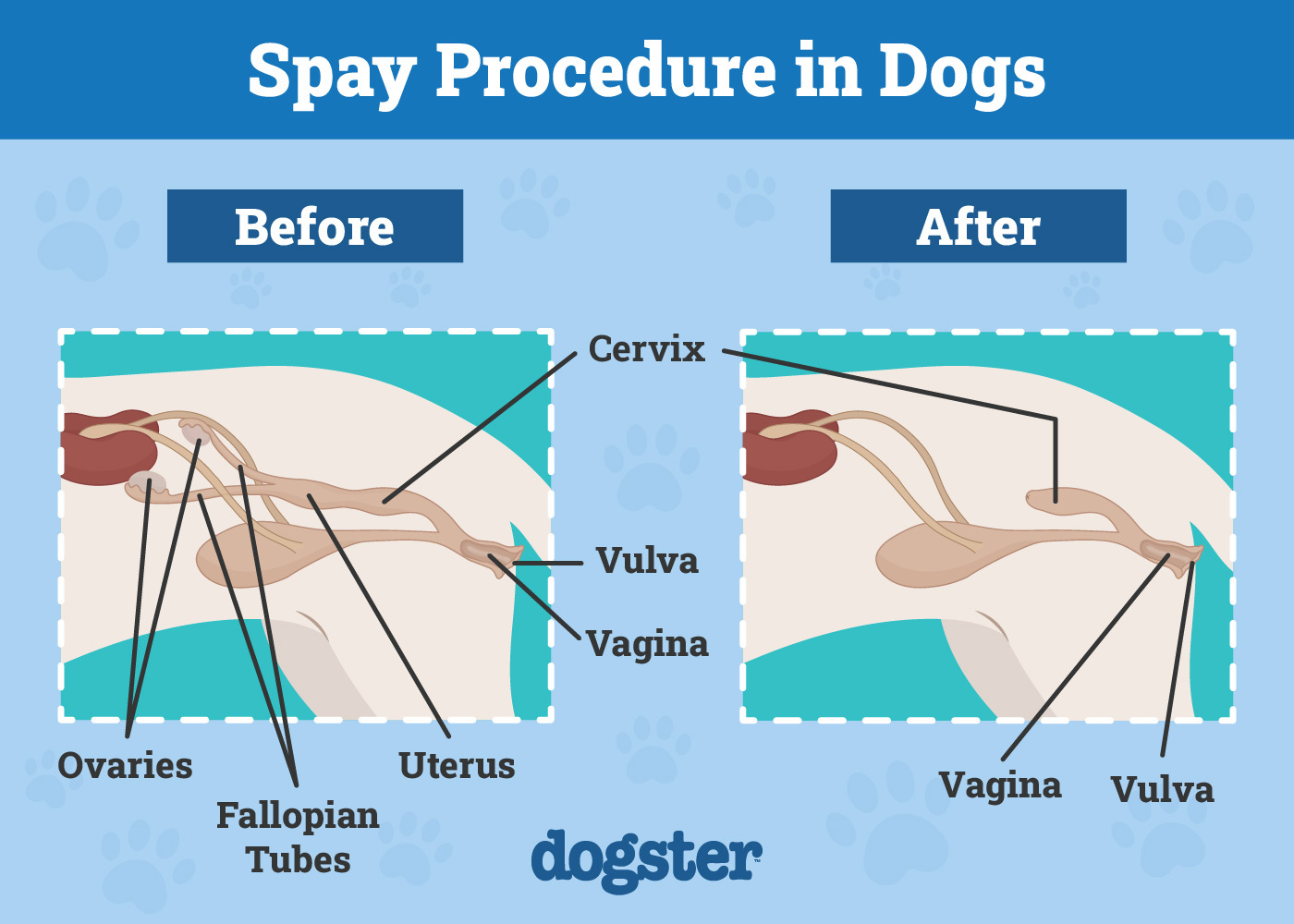
Traditional spaying typically involves one of these procedures
- Ovariohysterectomy – removal of both the uterus and ovaries
- Ovariectomy – removal of just the ovaries
Since these organs are physically removed from your dog’s body during surgery, there’s no way to put them back. This makes traditional spaying a permanent form of sterilization.
Alternative Sterilization Methods: Are They Reversible?
Not all hope is lost if you’re looking for non-permanent options. There are alternative sterilization methods that might offer more flexibility:
Tubal Ligation
This procedure is less commonly performed in dogs but is gaining popularity. During tubal ligation:
- The fallopian tubes are cut or blocked
- All reproductive organs remain intact
- Hormones continue to be produced normally
- Your dog will still go into heat
While tubal ligation theoretically could be reversible, there’s very little research on reversing this procedure in dogs. Most veterinarians still consider it permanent, though it’s less invasive than traditional spaying.
Deslorelin Acetate Implants
Now here’s where things get interesting! Deslorelin acetate implants offer a truly reversible form of birth control for dogs:
- Small implants (about the size of a rice grain) placed under the skin
- Temporarily suppress reproductive hormones
- Last 6-12 months depending on dosage
- Can be removed if you want your dog to return to fertility
- Currently approved for male dogs in Australia, New Zealand, and Europe
- Have been successfully used off-label in female dogs
Dr. Judith Samson-French, who uses these implants to control feral dog populations, notes they “last over a year with no side effects.” This could be a game-changer for dog owners wanting temporary sterilization.
Why Consider Alternatives to Traditional Spaying?
You might be wondering why someone would want reversible sterilization instead of permanent spaying. Here are some valid reasons:
- Future breeding considerations – You may want the option to breed your dog later
- Health concerns – Recent research suggests potential health benefits to keeping hormones intact
- Surgical risks – Some dogs have health conditions making surgery risky
- Trial period – Owners of working dogs might want to confirm behavioral effects before permanent surgery
Health Implications: Spayed vs. Intact
Recent studies have shifted our understanding of the health impacts of spaying. Let’s look at both sides:
Potential Benefits of Keeping Reproductive Organs Intact:
- Proper hormonal development
- Reduced risk of hip dysplasia in some breeds
- Lower risk of bone cancer
- Fewer issues with urinary incontinence
- Less risk of obesity
- Better bone development
- Lower incidence of certain behavioral issues like noise phobias
Benefits of Traditional Spaying:
- No risk of pregnancy
- Eliminated risk of pyometra (life-threatening uterine infection)
- Reduced risk of mammary tumors
- No chance of ovarian or uterine cancers
- Some behavioral improvements
- Helps reduce pet overpopulation
Every dog is different, so it’s worth discussing these factors with your vet to determine what’s best for your specific pet.
The Recovery Process: What to Expect
Whether your dog undergoes spaying or an alternative procedure, proper recovery care is essential:
- First 24 hours: Your dog may be groggy, off-balance, or even slightly aggressive as anesthesia wears off
- Activity restriction: Limit jumping and running for about two weeks
- No bathing: Keep your dog dry for at least 10 days post-surgery
- Incision monitoring: Check regularly for redness, swelling, or discharge
- E-collar: The dreaded “cone of shame” may be necessary to prevent licking
- Pain management: Administer any prescribed medications as directed
With proper care, most dogs recover fully within a couple of weeks.
The Future of Dog Birth Control
Veterinary medicine is constantly evolving, and new options for reversible dog sterilization may become available in the future. Deslorelin acetate implants show promise, though they do have limitations:
- Initial stimulation of the reproductive system (females may be fertile for three weeks after insertion)
- Males may remain fertile for 2+ months until residual sperm are gone
- Not yet widely available in all countries
- May not be suitable for all dogs
Making the Right Choice for Your Dog
When deciding on sterilization options for your female dog, consider:
- Your dog’s age, breed, and health status
- Your future breeding plans (if any)
- Your comfort level with managing an intact female
- The availability of alternative options in your area
- Cost considerations
- Your vet’s recommendations
So, can you reverse a female dog sterilization? The answer depends on what procedure was performed:
- Traditional spaying (ovariohysterectomy or ovariectomy): No, these cannot be reversed
- Tubal ligation: Generally considered permanent, though theoretically could be reversible
- Hormonal implants: Yes, these are temporarily reversible birth control options
I always recommend having a thorough discussion with your veterinarian before making any decisions about your dog’s reproductive health. They can provide guidance specific to your dog’s breed, age, and health status.
While traditional spaying remains the most common approach in the US, it’s worth exploring all options if permanent sterilization doesn’t feel right for your situation. Remember, the goal is finding the solution that’s best for both you AND your four-legged friend.
Have you had experience with alternative sterilization methods for your dog? I’d love to hear about it in the comments below!
FAQs About Dog Sterilization
Can a dog get pregnant after being spayed?
No, a properly spayed dog cannot get pregnant as the reproductive organs have been removed.
At what age should a female dog be spayed?
Traditionally around 6 months, but this can vary from 8 weeks to 2 years depending on breed size and health factors.
Does spaying change a dog’s personality?
Spaying may reduce certain hormone-driven behaviors but doesn’t fundamentally change your dog’s personality.
Are there non-surgical birth control options for dogs?
Yes, hormonal implants like deslorelin acetate offer temporary, reversible birth control.
How much does dog spaying cost?
The cost varies widely by location and clinic, ranging from $50-$500, with specialty surgeries costing more.
Can a Neutered Dog Impregnate a Female Dog?
Technically it could happen immediately after the surgery, due to the phenomenon of dormant sperm. Males of most animal species, dogs included, can remain fertile for up to six weeks after operation. Though unlikely, your freshly neutered male dog could get a female dog pregnant if they engaged in sex the first few days or weeks after your neutered dog’s surgery.
After a neutering procedure, sperm will no longer be produced. This means that, except for any dormant sperm those first few weeks after neutering, your male dog is no longer able to father any litters.
For this reason, it is best to take precautions to always watch your dog after their surgery and keep any female dogs (especially female dogs in heat) away from your newly neutered pup. This is suggested regardless as you do not want your dog to lick themselves and accidentally open their stitches after their surgery.
Ultimately though, it would be nearly impossible for your dog to get a female dog pregnant week or more after the neutering procedure. If the neutering procedure wasn’t affective, after all, it is unlikely vets and other animal experts would continue to recommend it.

What Exactly is the Neutering Procedure?
When a dog is neutered, both testicles and their respective structures are removing from the body permanently. The goal of the procedure is to render the male unable to produce sperm and therefore unable to impregnate female dogs. The procedure itself is known as castration.
While veterinarians can technically perform vasectomies on dogs (where the dogs’ tubes from the sperm sack are severed), it is not commonplace.