
Car rides can be a thrilling adventure for some, while for other dogs, they might be a source of stress and discomfort.
If you’ve ever struggled with a nervous pup or dealt with the aftermath of car sickness, you’re not alone. The truth is, whether car rides are good for dogs largely depends on how they’re handled.
In this post, we’ll explore how to turn those car journeys into enjoyable experiences for both you and your dog, ensuring that each trip is as smooth and fun as possible.
Ever notice how your furry friend conks out after a car ride? You’re not alone! Many dog owners wonder if those four-wheel adventures are actually tiring their pups out The short answer? Yes, car rides definitely make dogs tired – but there’s so much more to the story!
As a longtime dog owner myself, I’ve watched my German Shepherd mix Bella transform from an energetic ball of fur to a sleepy puddle after just a 30-minute drive It’s almost like magic how quickly she goes from bouncing off the walls to peacefully snoozing in her bed.
Let’s dive into why car rides have this sleepy effect on our canine companions and how you can use this knowledge to your advantage!
Why Do Car Rides Make Dogs Tired?
Car rides can be physically and mentally exhausting for dogs for several reasons
1. Sensory Overload
Think about all the things your dog experiences during a car ride:
- New and intense smells coming through the windows
- Constantly changing visual scenery rushing by
- The sound of the engine, road noise, and other vehicles
- The physical sensation of movement and vibration
All these stimuli bombard your dog’s senses simultaneously, giving their brain a serious workout. As Melissa Pezzuto, a canine behavior consultant, points out, this sensory overload can lead to mental exhaustion, which often results in sleepiness.
2. The Motion Effect
The gentle, rocking motion of a car has a similar effect on dogs as it does on humans. Just like how parents rock babies to sleep or how we might feel drowsy on a train, the rhythmic movement of a vehicle can lull your dog into relaxation.
The vibrations from the engine and the road create a consistent, soothing sensation that many dogs find calming – especially once they’re used to car travel.
3. Mental Stimulation
Car rides are incredibly mentally stimulating for dogs. According to Juniper Pets, they engage your dog’s brain in multiple ways:
- Visual Processing: Dogs must process countless new sights at high speeds
- New Smells: Their powerful noses are constantly detecting and analyzing new scents
- Hunting Behavior Simulation: The motion of pursuing other vehicles can trigger ancestral hunting instincts
- Territory Exploration: Dogs view the car as an extension of their home territory
- Anticipation: Many dogs learn to associate car rides with rewards or fun destinations
This mental workout can tire out your dog just as effectively as physical exercise!
4. Emotional Factors
A dog’s emotional state during car rides also influences their energy levels:
- Excitement: Initial excitement about the car ride can lead to an energy crash later
- Anxiety: Some dogs find car rides stressful, which can be emotionally draining
- Security: The feeling of being in a confined space with their owner can make some dogs feel safe enough to relax
Different Dogs, Different Reactions
Not all dogs respond to car rides the same way. While many dogs do get tired from car rides, their individual reactions depend on:
- Past experiences: Dogs with positive car ride experiences tend to relax more easily
- Personality: Some dogs are naturally more anxious or excited about travel
- Age: Puppies and senior dogs may tire more quickly from the stimulation
- Health: Dogs with motion sickness may feel more stressed and exhausted
I remember when we first adopted our rescue pup Max – he was terrified of car rides and would pant anxiously the entire time. After a few months of short, positive trips, he now happily snoozes in the backseat within minutes of setting off. Every dog has their own timeline for adjustment!
Signs Your Dog Is Tired From a Car Ride
How can you tell if your dog is getting tired from the car journey? Look for these telltale signs:
- Yawning frequently
- Heavy or slow blinking
- Settling down and finding a comfortable position
- Decreased interest in looking out the window
- Stretching or slow body movements
- Curling up or snuggling into their seat
- Actual snoozing or light sleeping
If you notice these behaviors, your dog is likely experiencing that car ride fatigue.
Is This Tiredness Good or Bad?
In most cases, the tiredness that comes from car rides is completely normal and even beneficial! A mentally stimulated, pleasantly tired dog is often a well-behaved, content dog.
However, there are some situations where you should pay closer attention:
When to Be Concerned
- If your dog seems excessively lethargic or unresponsive after car rides
- If they show signs of motion sickness (drooling, vomiting, whining)
- If they seem anxious or stressed rather than pleasantly tired
- If the sleepiness persists long after the car ride has ended
In these cases, it might be worth consulting with your vet to rule out any underlying issues.
Making Car Rides a Positive Experience
Want to ensure car rides are a good kind of tiring for your pup? Here are some tips:
Safety First
- Secure your dog properly: Use a dog seatbelt, crate, or barrier to keep them safe
- Provide ventilation: Make sure your dog gets fresh air by cracking a window
- Take breaks: On longer trips, stop regularly for water, bathroom breaks, and short walks
- Monitor temperature: Never leave your dog in a hot or cold car
Comfort Matters
- Bring a familiar blanket or toy to make the car feel like a safe space
- Consider using a specially designed dog car seat for smaller dogs
- Gradually build up the duration of car rides if your dog is new to travel
Create Positive Associations
One of the best ways to ensure your dog enjoys car rides is to make them associate cars with good things:
- Take your dog on short trips to fun destinations like parks or pet-friendly stores
- Offer special treats that are only available during car rides
- Keep your energy calm and positive to help your dog stay relaxed
Using Car Rides Strategically
Once you understand that car rides can make your dog tired, you can actually use this knowledge strategically!
Before Training Sessions
A short car ride before a training session can help take the edge off an overly excited dog, making them more focused and receptive to learning.
For High-Energy Dogs
If you have a dog with boundless energy, a car ride can be part of your exercise routine. Combining a car ride with physical exercise at your destination (like a park or hiking trail) gives your dog both mental and physical stimulation.
Before Vet Visits
A quick drive around the block before arriving at the vet might help calm an anxious dog, making the appointment less stressful for everyone.
For Calming Hyperactive Dogs
When you need your dog to settle down (maybe you have guests coming over or you need to work from home), a short car ride can help burn off some mental energy.
Alternative Travel Methods
If traditional car rides aren’t working well for your dog, consider these alternatives:
- Public transportation: Some buses and trains allow dogs and provide a different motion experience
- Walking or biking: For shorter distances, these give your dog physical exercise too
- Pet-specific transportation services: Some areas have pet taxis designed with dogs in mind
Frequently Asked Questions
How long should car rides be to tire out my dog?
Even short 15-20 minute drives can provide mental stimulation. Start with brief trips and gradually increase the duration based on your dog’s comfort level.
Why does my dog fall asleep instantly in the car?
Some dogs find the motion and vibration of cars extremely soothing, similar to how humans might be lulled to sleep by a train or plane. If your dog immediately relaxes in the car, they likely feel very secure there.
Is it normal for my dog to be extra sleepy after a long car ride?
Yes! Just like humans might feel tired after a road trip, dogs often need recovery time after processing all that stimulation. Don’t be surprised if your pup takes an extra-long nap after an extended car journey.
My dog seems anxious in the car but still gets tired afterward. Why?
Anxiety and stress are emotionally draining. The combination of stress and sensory stimulation can leave your dog exhausted, even if they didn’t seem to enjoy the ride. Working on making car rides more positive can help reduce this stress-related fatigue.
Final Thoughts
Car rides do indeed make dogs tired, primarily through mental stimulation, sensory experiences, and the soothing effects of motion. For most dogs, this is a positive form of enrichment that contributes to their overall wellbeing.
By understanding why your dog gets tired from car rides, you can better plan your outings together and use this knowledge to help manage your dog’s energy levels. Whether you’re taking a quick trip to the park or embarking on a cross-country adventure, those car rides are doing more than just transporting your furry friend—they’re giving them valuable mental exercise!
So next time you see your pup yawning in the backseat or curling up for a post-car ride nap, remember that their brain has been working hard, processing all the exciting sights, sounds, and smells of the journey. And that’s a pretty paw-some benefit of something as simple as a drive around town!
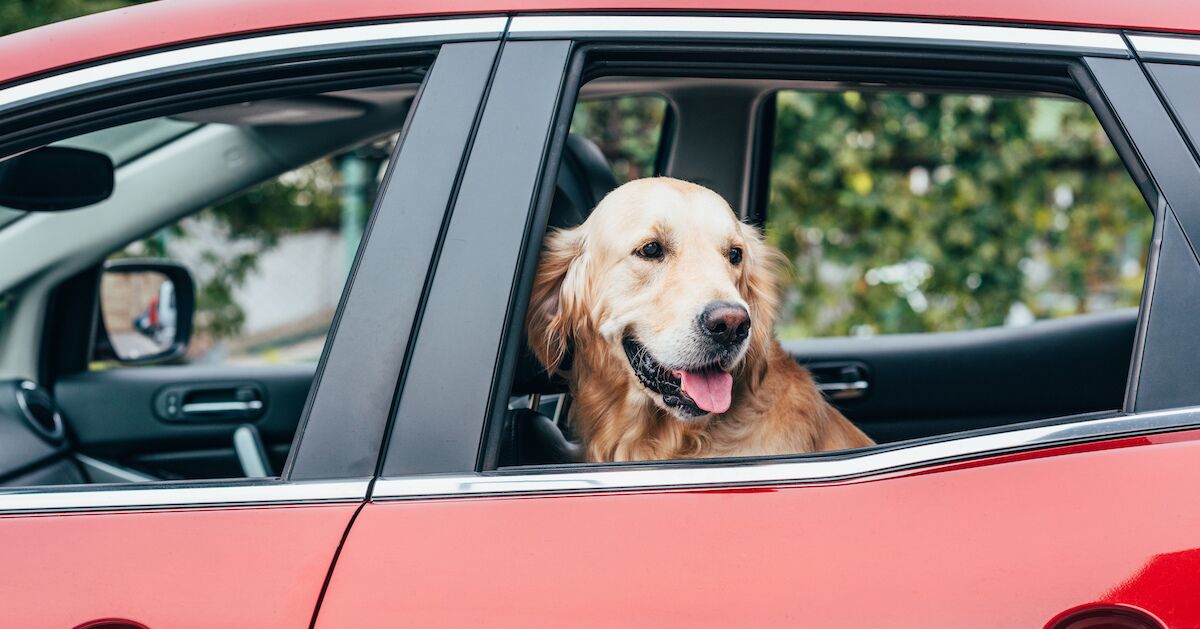
Safety Tips for Car Rides with Dogs
Ensuring your dog’s safety during car rides is not just about making the journey comfortable—it’s about protecting your pet from potential dangers that can arise on the road.
From sudden stops to changing weather conditions, there are several factors that can affect your dog’s experience while traveling.
This subsection tells you how to keep your furry friend safe and secure during car rides.
One of the most critical aspects of dog safety in the car is a proper car restraint system. Allowing your dog to roam freely inside the vehicle may seem harmless, but it significantly increases the risk of injury for both your pet and yourself. In the event of a sudden stop or accident, an unrestrained dog can become a projectile, leading to severe injuries not only to them but also the other passengers.
To prevent this, invest in a high-quality harness or a crash-tested crate. These tools keep your dog secure in one place, reducing the risk of distraction while driving and protecting your pet in case of a collision.
Temperature control is another essential consideration when taking your dog on car rides. Dogs are highly sensitive to temperature changes. Puppies, most especially, have a hard time maintaining a stable temperature—what feels comfortable to you might be dangerous for them.
Take note, overheating is a serious risk, especially in warm weather. Dogs can quickly suffer from heat stroke if left in a hot vehicle, even for just a few minutes.
To avoid this, always keep the car well-ventilated, and if necessary, run the air conditioning to maintain a cool temperature. If it’s a parked car and you need to leave your dog inside, never leave them unattended.
It’s also wise to bring along a cooling mat or portable fan designed for pets to help regulate their body temperature during long trips.
Just like humans, dogs need regular breaks during long car rides. These breaks allow your dog to do the following:
- Stretch their legs
- Relieve themselves
- And burn off some energy
All these help reduce restlessness and anxiety in the car.
Additionally, plan your route with designated stop points every two to three hours, depending on your dog’s needs. During these breaks, take your dog for a short walk, offer them water, and allow them to explore the new surroundings safely on a leash.
These pauses not only keep your dog physically comfortable but also mentally stimulated, making the remainder of the journey more manageable.
Essential Items to Bring
To make car rides more comfortable for your dog, there are a few essential items you should always bring along:
- Water and bowl: Staying hydrated is crucial, especially on long distance trips. Bring a portable water bowl and offer your dog water during breaks.
- Treats and toys: Keep your dog occupied and happy with their favorite toys and treats. This can help reduce anxiety and make the ride more enjoyable.
- Dog seat belt or crate: Safety should be a top priority. Use a dog harness or crate to keep your dog secure during the ride and prevent them from moving around the car.
- Blanket or bedding: Providing a familiar blanket or bedding can help your dog feel more at ease in the car. It also adds extra comfort, especially on longer trips.
- Cleaning supplies: Accidents can happen, especially with dogs prone to motion sickness. Having cleaning supplies on hand, such as wipes and paper towels, can help manage any unexpected messes.