
From Chihuahuas to Great Danes, dogs are some of the most affectionate creatures that we have the pleasure of sharing our lives with. Their love for us is unconditional, and they stick with us no matter what happens.
But how about when we leave them for longer periods of time, sometimes weeks? A dog plays a big part in the family, and going on holiday without them for an extended period can be hard for both humans and pets. Do they know that we are leaving them behind (temporarily) when we are going on holiday without them?
Ever packed your suitcase only to turn around and find your furry friend giving you those sad puppy eyes? It’s like they know you’re about to leave them behind for that beach getaway But do dogs actually know when you’re leaving for vacation, or are we just projecting our own guilt onto them?
As someone who’s left my own pup behind more times than I’d like to admit I’ve spent years trying to figure out if my dog actually understands what’s happening when I start packing. The answer might surprise you!
Your Dog Definitely Knows Something’s Up
Dogs might not understand the concept of “vacation” specifically but they absolutely pick up on departure cues. According to Robin Bennett, a certified dog trainer and author of “All About Dog Daycare” dogs rely heavily on associative memory – they connect specific objects and behaviors with certain outcomes.
When your suitcase appears from the closet, your dog isn’t thinking “My human is going to Cancun for a week.” Instead, they’re thinking “That big thing means my human disappears for days.”
Tell-Tale Signs Your Dog Knows You’re Leaving
Your dog picks up on several clues that signal your upcoming absence:
- The dreaded suitcase – Many dogs immediately show anxiety when luggage appears
- Changes in routine – Staying up late to pack, skipping walks, or unusual cleaning
- Your emotional state – Dogs sense when you’re stressed about travel plans
- Previous experience – If you’ve traveled before, they remember the pattern
My own dog, Max, starts following me from room to room the minute I pull out my travel bag. He’s made the connection between that specific bag and my disappearance. It’s both heartbreaking and fascinating!
How Dogs React When They Know You’re Leaving
Dogs respond differently when they sense an upcoming separation. Some common reactions include:
- Becoming extra clingy and following you everywhere
- Acting out with destructive behavior
- Excessive whining or barking
- Going into hiding
- Looking sad with those irresistible puppy eyes
- Refusing to eat
A study found that dogs don’t necessarily understand the length of your absence – whether you’re gone for a few hours or several days might not make much difference in how they perceive time. What matters most is that you’re gone and they miss you.
The Science Behind Your Dog’s Sixth Sense
Dogs possess an uncanny ability to read human emotions and behaviors. They combine several senses to figure out what’s happening:
- Visual recognition – They recognize objects associated with your departure
- Scent detection – Dogs can smell your emotional state and detect packing-related scents
- Pattern recognition – They remember the sequence of events that led to past separations
- Routine disruption – They notice when normal schedules change
According to research referenced by CVETS, dogs learn primarily through association – connecting sights, sounds, and odors to specific outcomes. Your dog’s anxiety about your vacation stems directly from this associative learning.
Preparing Your Dog For Your Absence
Instead of feeling guilty (which we all do anyway!), focus on preparing your dog for a positive experience while you’re away. Here’s how:
Before You Leave:
-
Desensitize them to departure cues
- Leave suitcases out randomly when you’re not traveling
- Create positive associations by giving treats near your luggage
- Practice short departures to show that you always return
-
Introduce them to their caretaker
- Set up a meet-and-greet with your dog sitter or boarding facility staff
- Schedule a trial day/night at the boarding facility before your trip
- Have the sitter visit your home several times before you leave
-
Maintain consistency
- Spend extra quality time with your dog before leaving
- Keep their routine as normal as possible leading up to departure
- Exercise them thoroughly before drop-off so they’re tired and relaxed
Detailed Care Instructions Are Essential
When I travel, I provide my dog sitter with a comprehensive care sheet that includes:
- Feeding schedule – Exact amounts, times, and any special instructions
- Medication details – Dosages, timing, and how to administer
- Exercise needs – Walk frequency, length, and favorite activities
- Behavioral quirks – Any triggers or fears the sitter should know about
- Emergency contacts – Your vet’s info and a local emergency contact
- Comfort items – Which toys/blankets provide security
Choosing The Right Care Option
Where your dog stays while you’re away significantly impacts their experience. Options include:
| Care Option | Cost Range | Best For |
|---|---|---|
| Friends/Family | Free – Low cost | Dogs who know the caregiver well |
| House Sitting | $75-$200/day | Dogs who prefer staying in their environment |
| Home Boarding | $50-$150/day | Sociable dogs who enjoy company |
| Kennels | $50-$140/day | Confident, crate-trained dogs |
| Pet Hotels | $80-$150/day | Active dogs who enjoy stimulation |
For puppies, it’s best to find a sitter who can provide constant attention and isn’t watching other dogs simultaneously. This ensures proper supervision and continued training.
The Drop-Off: Keep It Short & Sweet
How you say goodbye can significantly impact your dog’s stress levels. Follow these tips:
- Keep goodbyes brief – Long, emotional farewells only increase anxiety
- Exercise first – A tired dog adjusts more easily to new surroundings
- Project calm confidence – Dogs pick up on your emotions
- Leave when they’re settled – Wait for a calm moment rather than during excitement
Do Dogs Feel Abandoned When You Go On Vacation?
This is the question that keeps many pet parents up at night. The good news is that with proper preparation, most dogs don’t feel abandoned at all.
Dogs are incredibly adaptable creatures. If they’re in a safe, enriching environment with consistent care and attention, they typically adjust well to temporary separations.
However, dogs with separation anxiety may struggle more. If your dog has shown signs of separation anxiety in the past, consider working with a trainer or behaviorist well before your trip to address these issues.
What To Expect When You Return
The reunion with your dog after vacation is usually joyful and excited – lots of jumping, wiggling, and maybe even happy peeing! But occasionally, you might notice some unusual behaviors:
- Acting distant or “punishing” you – This isn’t actually punishment but could be confusion or stress
- Extra clingy behavior – They might follow you constantly for a few days
- Temporary regression in training – House training or commands might need refreshing
- Excessive excitement – May take time to calm down
Most dogs return to normal within a day or two of your return. If unusual behavior persists, consult your veterinarian to rule out any health issues that might have developed during your absence.
My Personal Experience
I remember the first time I left my dog for a week-long vacation. I was a nervous wreck, constantly checking the pet cam and texting my sitter for updates. Meanwhile, the little traitor was having the time of his life with his temporary human! The photos showed him playing, snuggling, and completely unbothered by my absence.
Did he miss me? Probably. Was he traumatized? Definitely not. The reality is that our dogs are often more resilient than we give them credit for.
When It’s Better To Take Your Dog Along
Sometimes, bringing your dog on vacation is actually the better option, especially if:
- Your dog has severe separation anxiety that hasn’t responded to training
- You’re going somewhere dog-friendly with appropriate accommodations
- Your dog is small, well-behaved, and enjoys travel
- The trip is relatively short and doesn’t involve extreme temperatures
If you do bring your dog, remember to research emergency vet clinics at your destination. Having this information handy provides peace of mind in case of unexpected health issues.
Final Thoughts
Yes, your dog knows when you’re leaving for vacation – they’re intuitive creatures who pick up on subtle cues and patterns. But with proper preparation and care, your absence doesn’t have to be traumatic for them.
The key is finding the right caregiver who’ll maintain your dog’s routine and provide plenty of love and attention while you’re gone. And remember – that excited greeting when you return proves that absence really does make the heart grow fonder!
Do you have any special rituals to prepare your dog when you leave for vacation? What works best for your furry friend? I’d love to hear about your experiences in the comments!
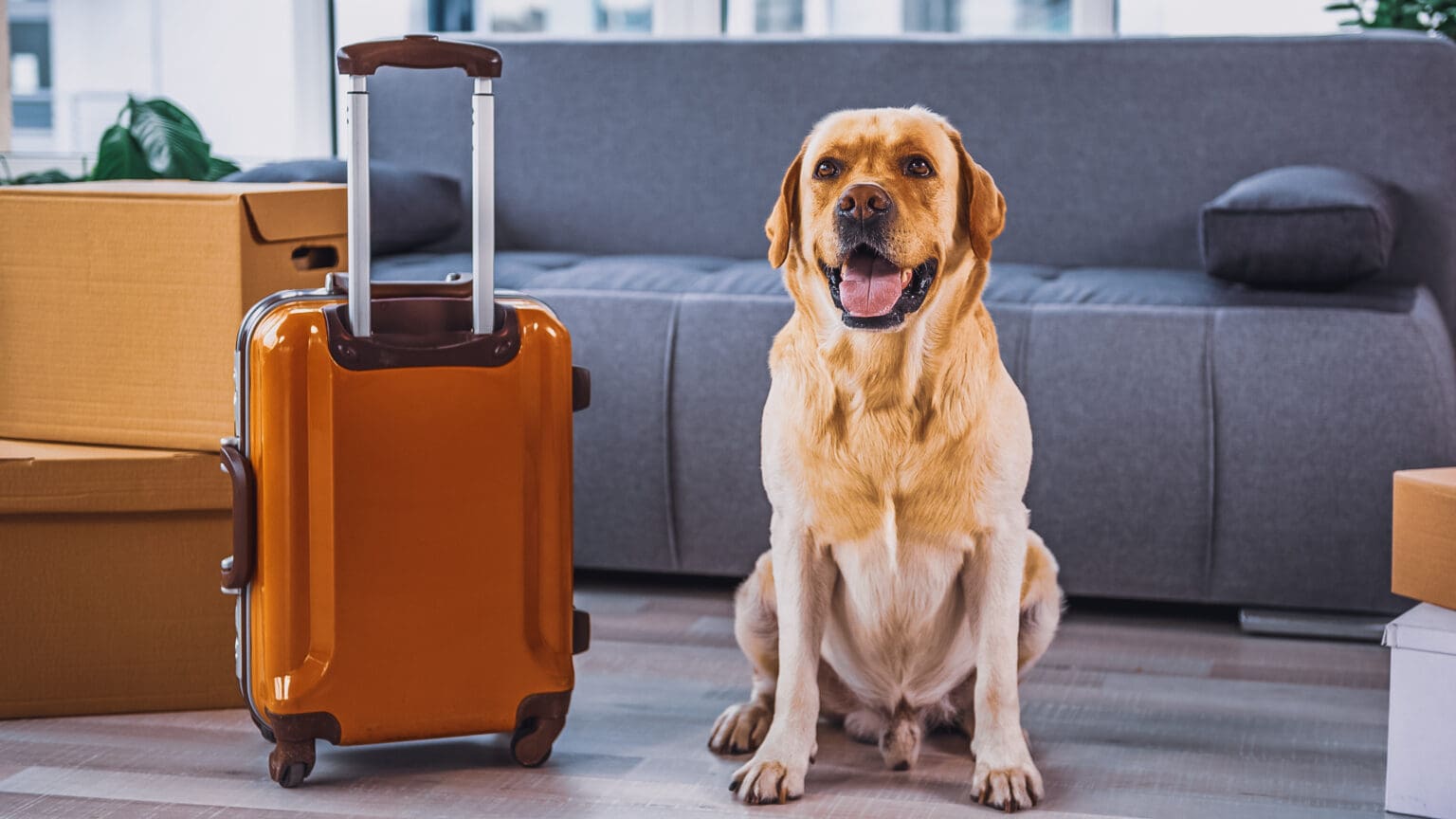
Signs that they know we are leaving
No matter how frequently we leave the house, our dogs still find it challenging to get used to being left alone. They pick up signs that tell them were about to leave, such as seeing the luggage, putting our shoes on, and even when we get the keys. That is not surprising because dogs are really smart! They can recognise specific objects like their favourite toy, the shoes that they always wear, and other things that are based on their sense of smell and sight.
Not too long ago, our understanding of dogs memory was quite simplistic. We believed that they relied solely on a fundamental form of memory called associative memory. This type of memory involves connecting two different things in their minds. A classic example of associative memory in action is when you pick up your dogs leash, and they immediately associate it with the upcoming walk.
However, recent research has brought to light compelling evidence suggesting that dogs possess a more advanced memory known as episodic memory, which plays a crucial role in their recollection of us. Episodic memory allows dogs to forge links between people and the experiences theyve shared. To put it simply, the more memorable moments you create with your dog, the more significant you become to them.
Do dogs miss their owners when they go on holiday?
Your dog will naturally miss you when you go away on holiday.
They are one of the few pets capable of feeling love in the same way as humans do. Dogs also want to protect you, so their anxiety levels rise when you’re away and their sense of purpose disappears.
It’s impossible to fully understand how a dog feels when you’re away somewhere else, but they tend to behave differently without their owner.
Although your dog will miss you dearly, you can make the separation easier for your dog by leaving them at a reputable dog boarding facility while youre on holiday.
What Do Dogs Think When You Leave the House? Do They Miss You?
FAQ
Should you leave your dog on vacation?
Either way, a little planning will help relieve any anxiety you and your dog feel about you leaving them – so that you can enjoy your vacation. Having a dog means you need to plan when you travel. Leaving your dog while on vacation can be stressful for both of you. It’s best to have a few trusted options for when you need to leave your dog at home.
Do dogs get a lot out of vacations?
Like humans, dogs can get a lot out of a good vacation. The chance to get out of the house and experience something new can provide a much-needed bit of mental and physical stimulation that will relieve some of the boredom and anxiety of being cooped up in the house.
What should I do if my dog goes on a vacation?
Take your dog to visit the house they will be staying at before your planned vacation. Spend an hour or so just visiting. Don’t make a big deal about this visit. If you can, visit several times before your vacation. Schedule a one-day practice run.
Do dogs need vacations?
Graeme Hall, the star of the television show Dogs Behaving Badly, suggests that dogs need vacations just as much as humans. He says that wolves are active and work within their packs to hunt down food, which requires them to keep moving around. While dogs are not wolves, they do retain some of their instincts from their ancestors.
How do you know if a dog is left alone?
Most dogs experience some level of separation distress when their owners leave, but the extent varies by breed, personality, and training. Some signs that your dog notices and reacts to longer absences include: Increased excitement when you return after a long time. Whining, pacing, or destructive behavior when left alone too long.
Does a dog know if you’re gone?
Since a dog’s sense of smell is incredibly powerful—up to 100,000 times more sensitive than a human’s—they may detect how their owner’s scent fades over time. As your scent dissipates throughout the house, your dog might be able to estimate how long you’ve been gone based on its intensity. Does Your Dog Miss You More the Longer You’re Gone?
Do dogs know how long you are gone on vacation?
They can’t tell how many hours, days, or weeks you have been absent. But they can sense the passage of time through many mechanisms while you are gone.Sep 29, 2023
Do dogs get sad when you leave on vacation?
Do dogs miss owners when they go on vacation?
How long does 2 weeks feel to a dog?