
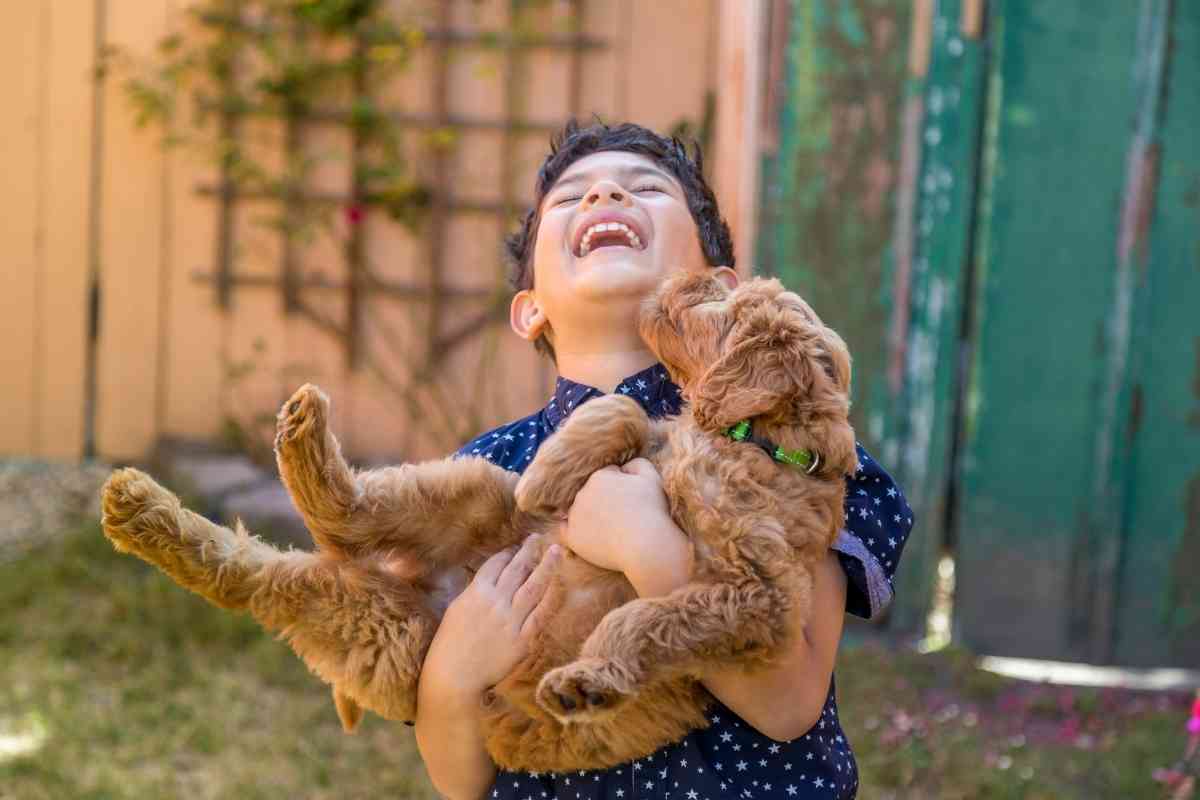
The answer to this question isn’t a simple “yes” or “no.” Dog owners know that each dog is an individual with different personalities and preferences. So some dogs love to be carried around while others may find it uncomfortable or even upsetting.
So does your dog like to be carried? Here are signs that your dog likes to be carried and signs your dog doesn’t like to be carried, plus alternatives for transporting your dog so they don’t need to be in your arms all the time.
Ever looked at your furry friend and just wanted to scoop them up for a cuddle? Maybe you’ve noticed some dogs practically leap into their owner’s arms while others dash away at the mere hint of being lifted. It’s one of those questions that doesn’t have a simple yes or no answer, because just like us humans, dogs have their own unique personalities and preferences.
I’ve spent years observing different doggy behaviors, and I can tell you that when it comes to being carried the answer is truly individual to each pup. Let’s dig into the fascinating world of canine preferences and figure out if your dog is a “carry me everywhere” type or more of a “four paws on the ground please” kinda pooch.
Why Some Dogs Love Being Carried
Early Experiences Matter
Dogs that enjoy being carried often have positive associations from their early days Think about it – all dogs start life being carried by their mom (by the scruff as puppies) But beyond that
- Puppyhood handling: Pups that were gently carried and held from a young age often grow comfortable with it
- Rescue experiences: Some dogs associate being carried with being saved from a scary situation
- Consistent positive reinforcement: If being picked up always leads to treats, praise, or comfort, dogs learn to enjoy it
I remember my neighbor’s Chihuahua who literally tries to climb up people’s legs when he wants to be held He was handled constantly as a puppy, and now being carried is his preferred mode of transportation!
Evolution and Domestication
Believe it or not, your dog’s DNA might play a role in whether they enjoy being carried:
- Domestication has actually changed canine genetics to be more receptive to human affection
- Some breeds were specifically developed to be companion animals, making them more naturally inclined to enjoy close physical contact
- Smaller breeds have often been selectively bred to be “lap dogs” who enjoy being held
The Security Factor
Many dogs view being carried as protective and comforting:
- It provides a sense of safety in overwhelming environments
- Small dogs especially may feel more secure when elevated above potential threats
- The physical contact can be soothing for anxious dogs
Why Some Dogs Hate Being Carried
On the flip side, plenty of dogs would rather keep all four paws firmly on the ground. Here’s why:
Past Negative Experiences
Unfortunately, not all dogs have positive associations with being picked up:
- Traumatic experiences: Maybe they were dropped accidentally or handled roughly in the past
- Veterinary visits: If being picked up usually leads to shots or uncomfortable exams, they’ll make the connection
- Pain or discomfort: Dogs with joint issues or injuries might associate being carried with pain
It’s Just Not Natural
From an evolutionary standpoint, being carried isn’t exactly part of a dog’s natural behavior repertoire:
- Adult dogs in the wild don’t carry each other
- Being lifted removes their ability to escape if they feel threatened
- It puts them in a vulnerable position with limited control
My friend’s Lab absolutely hates being picked up, and it makes sense – he’s a 70-pound dog who probably feels awkward and unstable when his paws leave the ground!
No Prior Experience
Some dogs simply haven’t been carried enough to get used to it:
- If a dog wasn’t handled much as a puppy, being carried feels foreign
- Larger breeds often have less experience being carried than smaller dogs
- Rescue dogs with unknown backgrounds may not have positive carrying experiences
How to Tell If Your Dog Likes Being Carried
Your dog is constantly communicating with you through body language. Here are the signs to look for:
Signs Your Dog Enjoys Being Carried:
- Relaxed body – muscles are loose, not tense
- Affectionate behavior – tail wagging, gentle licking
- Leaning into your body – seeking more contact
- Relaxed ears – not pinned back or on high alert
- Willing to stay put – not struggling to get down
- May actually ask to be picked up by pawing at your legs or jumping up
Signs Your Dog Dislikes Being Carried:
- Tense body – stiffness throughout their muscles
- Growling, whining, or barking
- Showing teeth – an obvious sign of discomfort
- Trying to escape – squirming, wriggling to get free
- Excessive panting, lip licking, or yawning – stress signals
- Flattened ears – sign of anxiety or fear
- Avoiding you when you reach down to pick them up
How to Properly Carry Your Dog
If your dog does enjoy being carried (or if you need to carry them for safety reasons), doing it correctly is super important:
For Small Dogs:
- Squat down to your dog’s level
- Place one arm between the front legs, supporting the chest and belly
- Support the back legs with your other arm
- Lift gently and hold them close to your body
For Larger Dogs:
- Squat down to your dog’s level (always lift from this position to protect your back!)
- Wrap one arm across the breastbone (between front legs and below neck)
- Place your other arm (preferably your dominant arm) across the back of the hind legs
- Lift slowly and carefully to your feet, keeping the dog close to your body
The key is making sure your dog feels secure. If they’re dangling or unstable, they’ll definitely hate the experience!
What If Your Dog Doesn’t Like Being Carried?
Don’t worry – there are plenty of alternatives and ways to help them become more comfortable:
Alternative Transportation Methods
If you need to transport your dog but they hate being carried, try these options:
- Dog strollers – great for small dogs who need a break on long walks
- Backpack carriers – allows small dogs to ride comfortably while keeping your hands free
- Wheeled carriers – similar to luggage, these let you pull your dog behind you
- Combination carriers – some products function as backpacks, car seats, and beds all in one
I know a couple who takes their senior Pomeranian hiking in a special backpack carrier. He loves seeing the sights without having to walk the whole trail!
Desensitization Techniques
If you’d like to help your dog become more comfortable with being carried:
- Start with very brief lifting sessions – just a few seconds
- Always pair being lifted with high-value treats
- Stay calm and confident during the process
- Never force a frightened dog to endure being carried
- Gradually increase the duration as they become more comfortable
Remember that this process should be taken very slowly – it could take weeks or months to change your dog’s feelings about being carried.
When to Consult a Professional
Some situations call for expert help:
- If your dog shows aggression when approached for lifting
- If their aversion seems extreme or sudden (could indicate pain)
- If you’ve tried gentle desensitization with no progress
A veterinarian can rule out physical causes, while a professional dog behaviorist can create a custom training plan.
Special Considerations
Breed Tendencies
Some breeds are naturally more amenable to being carried than others:
- Toy breeds like Chihuahuas, Maltese, and Yorkies often enjoy being carried
- Independent breeds like huskies and many terriers typically prefer to move on their own
- Working breeds are usually less inclined to want carrying
Age Factors
A dog’s age can influence their carrying preferences:
- Puppies often accept carrying more readily than adult dogs
- Senior dogs with mobility issues might appreciate being carried occasionally
- Adult dogs who’ve never been carried may find it more stressful
Health Considerations
Always consider your dog’s health when carrying them:
- Dogs with back problems (like Dachshunds) need proper support
- Overweight dogs may find being carried uncomfortable
- Arthritic dogs might experience pain when lifted incorrectly
When Carrying Is Necessary
Sometimes, you’ll need to carry your dog regardless of their preference:
- Emergency situations
- Dangerous environments (busy roads, extreme temperatures)
- When they’re injured or unwell
- Certain medical procedures
In these cases, knowing the proper carrying techniques is essential, even if your dog isn’t a fan.
Final Thoughts
Each dog is unique with their own personality, experiences, and preferences. The key is to respect your dog’s individual feelings about being carried while ensuring their safety.
If your dog loves being carried – great! Just make sure you’re doing it properly to prevent injuries to both of you.
If your dog isn’t a fan, don’t force it unless absolutely necessary. There are plenty of alternative transportation methods available, and with patience, you might help them become more comfortable over time.
Remember, the goal is to maintain trust and a positive relationship with your furry friend. By recognizing and respecting their preferences, you’re strengthening your bond and ensuring they feel safe and secure in your care.
So, do dogs like being carried? Some do, some don’t – and that’s perfectly OK! The most important thing is listening to what your particular pup is telling you.
Have you noticed any unique behaviors in your dog when it comes to being carried? I’d love to hear about your experiences in the comments below!
A wheeled dog carrier.
Wheeled dog carriers look a lot like wheeled luggage. Your dog sits in the fabric-and-mesh carrier low to the floor while you pull them behind you.
A dog stroller or carriage.
Some dog strollers position your dog higher up, like a baby carriage or stroller, while others let your dog ride lower to the ground. If you have mobility issues or have trouble picking up your dog, the latter may be better for you. Most dog strollers are made with fabric and mesh panels that ensure your dog is kept secure inside and allow for visibility and air flow.
If your dog is small enough, they can ride around in a dog backpack on your back, so you can travel hands-free.
Do dogs like being carried?
FAQ
Do dogs like to be carried?
Dogs don’t like to be picked up. Truthfully, most of them only tolerate the act. Though, some dogs might enjoy being carried. However, that depends on many factors. Specifically, a dog’s size, temperament, and health should be considered. These factors influence a canine’s reaction to being held. Do dogs like to be carried around?
Do dogs like being picked up or held?
Whether a dog likes to be picked up or held depends on the breed and their unique personality. Some dogs enjoy being picked up and cradled. Others, especially dogs that are nervous and anxious by nature, may be less enthused. Once you know your dog’s preferences, you’ll know if they like being picked up and held.
Do large dogs dislike being carried?
It is common for large dogs to dislike being carried. It could be uncomfortable or even scary for some. However, certain circumstances make it necessary to do so. It pays to know how to carry your dog safely and to keep them calm when those situations arise.
How should I carry a dog?
To carry a dog properly, your shoulder should provide support for the chest as your non-dominant arm wraps around the torso. Slowly stand and tuck the dog firmly on your body. If you’re having resistance even when carrying the dog correctly, try practicing the method for a few seconds and then setting them down.
How do I know if my dog likes being carried?
Here’s how you can tell whether your dog likes being carried (or at least tolerates it): Their breathing is normal. Your pooch doesn’t whine. Your pup has a relaxed posture. Fido doesn’t bite or snap at you. They don’t make any weird noises. Your dog doesn’t try to wiggle away or escape. Fido isn’t kicking your arms to break free from you.
Do small dogs like being picked up?
Small dogs often enjoy being picked up and held more than large breeds. Dogs like Chihuahuas, Pomeranians, and Pugs may even go to their owners and jump up on them, asking to be picked up. This gives them a chance to be closer to their owners and makes them feel safe and loved.
How do dogs feel when we carry them?
Dogs feel differently when picked up, experiencing emotions ranging from comfort and security to fear, pain, or discomfort. How a dog feels depends on its personality, size, age, and any underlying health conditions, like arthritis or back problems. Observe your dog for signs of enjoyment, such as clinging or relaxing into your arms, or signs of distress, such as lip licking, ear shifting, or struggling, to understand their individual feelings.
Do dogs like getting carried like a baby?
Dog owners discuss their pets’ affection for being held like babies. Yes. Oh yes! Mine will literally be sitting up in my recliner with me then all of a sudden without warning trust fall backwards onto my lap…
What is the 3-3-3 rule with dogs?
The “3-3-3 Rule” for dogs is a general guideline for the adoption and adjustment period of a new rescue dog, suggesting it takes 3 days for a dog to decompress and feel somewhat safe, 3 weeks to learn and settle into the new routine, and 3 months to fully feel comfortable, bonded, and at home. This framework helps set realistic expectations for new owners, emphasizing patience, consistency, and positive reinforcement to help the dog build trust and confidence in its new environment.
Do dogs enjoy being carried?
Whether a dog enjoys being picked up depends on the individual dog’s personality, breed, temperament, and previous experiences, with some small dogs enjoying it and many larger dogs feeling anxious or uncomfortable. It is essential to look for body language cues like tension or a stiff body, and to avoid forcing a dog to be held if they are clearly unhappy. To help a resistant dog feel more comfortable, use positive reinforcement by pairing being picked up with high-value treats and gradually work in small steps to build a positive association and trust.