
One thing dogs love so much is getting affectionate scratches by the people they love. You might have observed your dog come to you just to get kind strokes.
The funny fact is that, sometimes, a friendly pup might meet a stranger to get scratches, and you tend to wonder why they love getting stroked affectionately.
Well, most times, scratching your dog at their favorite spot helps ease a lot of stress and helps them relax.
Yeah, I mentioned “favorite spot” because every dog has a particular place they love being pet. In other words, all pups have preferences, and there are some points that you would touch and you would notice the ecstasy they get.
Have you ever wondered why your furry friend turns into a leg-kicking tail-wagging bundle of joy when you hit that just right spot with a good scratch? As a dog lover myself I’ve spent countless hours finding those magical sweet spots that make my dog practically melt with happiness.
The truth is, most dogs absolutely LOVE getting scratched! But not all scratches are created equal, and different pups have their own preferences for where they enjoy being petted the most.
Why Dogs Love a Good Scratch
Before we dive into the sweet spots, let’s understand why our canine companions enjoy being scratched so much
Dogs experience pleasure from scratching for several reasons
- It releases feel-good endorphins
- It mimics social grooming they’d experience with other dogs
- It provides relief for itchy spots they can’t reach themselves
- It strengthens the bond between you and your pet
As one veterinarian explained, “Dogs have certain areas on their bodies that are more sensitive to touch, such as their ears, belly, and chest. When you scratch these areas, it can release endorphins that make them feel good.”
7 Sweet Spots Where Dogs Love to Be Scratched
1. Under the Chin
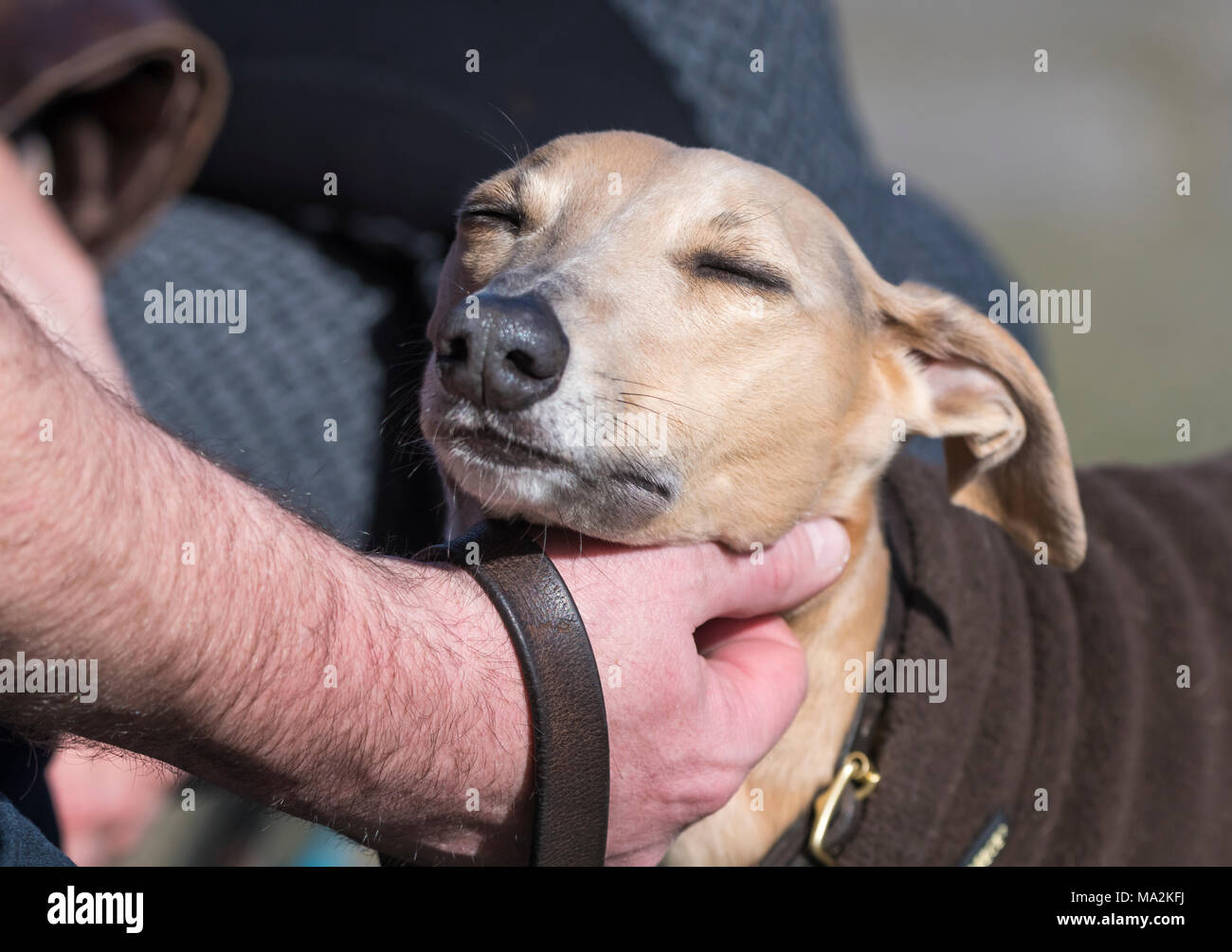
This is my go-to spot when meeting a new dog! While many people instinctively reach for a dog’s head, this can actually be threatening to some pups. Going under the chin is a much better approach, especially for skittish dogs.
PetMD explains that dogs often perceive reaching over their head as a potential threat. By scratching under the chin instead, you’re approaching from a less intimidating angle, allowing the dog to keep you in view. It’s also a super sensitive area with lots of nerve endings that feel amazing when scratched!
2. Chest Scratches
The chest area is perfect for dogs who might be a bit nervous or unsure. When you scratch a dog’s chest, they can keep you in full view so they don’t feel vulnerable or like you’re going to “sneak up” on them.
Many dogs absolutely melt when you find that sweet spot right in the center of their chest. It’s also an area that’s less frequently touched, making it a special treat for them. I’ve noticed my own dog will often press his chest against my hand when he wants attention – it’s his way of saying “scratch here, please!”
3. Base of the Tail
Ever notice how your dog might turn around and present their rear end when you’re petting them? While it might seem weird to us humans, dogs absolutely love being scratched at the base of their tail!
Dr. Bonnie Beaver, professor of veterinary medicine at Texas A&M University, explains: “The reason most dogs like their rears scratched is because that is a very hard area for them to reach themselves…Think about the hardest place you have to reach in the middle of your back, and how nice it is if someone will scratch that for you.”
This area can be particularly itchy for dogs, so scratching here often provides both pleasure and relief. Just be gentle, as it’s also a sensitive spot!
4. Under the Collar
If your dog wears a collar regularly, the area underneath it can become itchy and uncomfortable. Taking off the collar when you’re safely inside and giving this area a good scratch can provide immense relief and pleasure for your pup.
The skin under the collar doesn’t get much air circulation and can collect dirt, oils, and dead skin cells. A thorough scratching session here feels amazing to most dogs – you might even notice them leaning into your hand or closing their eyes in bliss!
5. Shoulders and Lower Back
Another spot dogs have trouble reaching themselves is their shoulders and lower back. VetStreet says that these areas are prime spots for extra pets!
Scratching your dog’s shoulders can help them relax and feel comforted. It’s like giving them a little massage – and who doesn’t love that? The lower back area, especially near the base of the tail, can be particularly itchy for dogs, so scratching here provides both relief and pleasure.
6. Ear Rubs
Many dogs go absolutely crazy for ear rubs! Their ears are filled with sensitive nerve endings that can trigger pleasure when stimulated. When you massage or scratch a dog’s ears, you’re hitting a jackpot of sensitive nerve endings.
Just be gentle and stick to scratching the outer part of their ears. Avoid inserting your fingers too deeply into their ear canal, as this could potentially cause discomfort or injury.
7. Belly Rubs (For Some Dogs)
Belly rubs are often considered the ultimate dog pleasure – but here’s the thing – not ALL dogs enjoy them! When a dog rolls over and exposes their belly, they’re showing incredible trust. This vulnerable position mimics the feeling of being groomed by their mother.
However, some dogs may roll over as a submissive gesture without actually wanting their belly touched. Always pay attention to your dog’s body language. If they seem tense or uncomfortable when you touch their belly, move to another sweet spot instead.
Reading Your Dog’s Body Language
Understanding whether your dog is actually enjoying being scratched comes down to reading their body language. Here are some signs your dog is loving the scratches:
- Tail wagging enthusiastically
- Leaning into your touch
- Relaxed facial expression, maybe even “smiling”
- The famous “scratch reflex” (leg kicking)
- Nuzzling or pawing at you for more
Signs your dog may NOT be enjoying it:
- Tensing up
- Moving away from your touch
- Growling or showing teeth
- Whale eye (showing whites of eyes)
- Ears pinned back
Every dog is different, and your furry friend might have their own unique favorite spot. Some dogs might even change their preferences over time!
Scratching Safety Tips
While scratching your dog is generally safe and enjoyable for them, there are a few things to keep in mind:
- Be gentle – Pressing too hard can be uncomfortable for your pup
- Watch for skin issues – Excessive scratching can potentially cause skin irritation
- Respect boundaries – If your dog shows signs of discomfort, stop and try a different area
- Avoid sensitive areas – Steer clear of the genital area, which can be uncomfortable for dogs
- Pay attention – Your dog will tell you what they like if you observe their reactions
Why Some Dogs Kick Their Leg When Scratched
Have you ever hit that perfect spot that makes your dog’s leg start kicking uncontrollably? This funny reaction is called the “scratch reflex” and it’s completely normal!
When you scratch certain spots on your dog’s belly or sides, it can trigger a nerve response that causes them to kick their leg involuntarily. It’s similar to when a doctor tests your reflexes by tapping your knee. This reflex actually evolved to help dogs scratch themselves when something (like a flea or tick) is irritating their skin.
While it looks like they’re enjoying themselves (and they probably are!), the kick itself is just an automatic response. It doesn’t necessarily mean they’re in heaven – though many dogs do enjoy the sensation that triggers the reflex!
Building Bonds Through Scratching
One of the best things about scratching your dog is that it helps strengthen your bond. A dog trainer I spoke with mentioned, “Scratching your dog in their favorite spots can help strengthen the bond between you and your pet, as it provides positive reinforcement and shows them affection.”
Taking the time to learn your dog’s preferred scratching spots shows them you care about their comfort and happiness. It’s a form of communication between you and your pet – they show you what they like, and you respond by giving them the pleasure of a good scratch.
When NOT to Scratch
While most dogs enjoy a good scratch, there are times when it’s best to hold off:
- If your dog has skin irritations or hot spots
- When your dog is showing signs of anxiety or stress
- If they growl or show other signs of discomfort
- Around open wounds or surgical sites
- When a dog is eating or sleeping
My Personal Experience
I’ve found that my own dog has changed his preferences over time. As a puppy, he LOVED belly rubs and would flop over for them constantly. As he’s gotten older, he seems to prefer chest scratches and that sweet spot right at the base of his tail.
It’s like a little game we play – I try different spots and watch his reaction to see what he’s in the mood for that day. Sometimes he’ll even guide my hand with his nose to exactly where he wants to be scratched!
So, do dogs like getting scratched? The answer is a resounding YES for most pups! Finding those sweet spots that make your dog’s tail wag with joy is one of the simple pleasures of being a dog parent.
Whether it’s under the chin, the chest, base of the tail, under the collar, shoulders, ears, or belly – experiment to find what your unique furry friend loves most. Just remember to be gentle, respect their boundaries, and pay attention to their body language.
Now go give your good boy or girl some well-deserved scratches! Your bond will be stronger for it, and who can resist that look of pure doggy bliss?
What’s your dog’s favorite scratching spot? Every pup is different, and I’d love to hear about your experiences in the comments!
The best spots where dogs love to be scratched
These are the 7 best spots that make most dogs melt and wag their tail in pleasure:
Some dogs love to get soft scratches on their upper chest area. This is common among dogs that are still trying to bond with you.
Most times, they tend to roll over to get a rub on their tummy and this position is less vulnerable.
As you scratch your pooch on their chest, they tend to keep you in full view so they can be sure you’re not going to sneak upon them.
Don’t let your hands go over their head as you scratch them. Otherwise, they might lose vision of it and think you’re about to hurt them.
However, the good part of scratching your furry friend’s chest is that they get a chance to sniff your hand or arm, and this helps them get to know you better.
Dogs also love to get gentle strokes on the underside of their snouts. You can try this on a dog you’ve just met, but ensure you get permission from the owner and the dog sniff you first.
You may instinctively want to extend the scratching to the dog’s head, but many pooches will see this as a threat and this can be dangerous.
So a better bet is to go under the chin of your furry friends, especially the skittish dogs.
The back of a dog’s neck, particularly under the collar, may be hard for them to reach, and this is one of the spots they love to get good scratches.
More so, when dogs wear a collar, the area feels a little itchier, and you can give them a nice, thorough scratching when you’re both safely inside.
The base of the tail
If you’ve ever stroked your dog’s velvety soft ears, you’d have noticed that they tend to turn around and offer you their rear. Although it might not look cute, dogs love being scratched on their lower back.
Dr. Bonnie Beaver, a professor at Texas A&M University, explains, “Most dogs love to get good scratching on their rear because they find it very hard to reach that region themselves.
You can think about it yourself- The hardest place to reach on your body is definitely the middle of your back. And sometimes, you tend to get someone to help you scratch that region.
Another spot that dogs love to get good scratches is their shoulders. When you give your pup’s shoulder some extra attention, it won’t make them feel vulnerable. Besides, that spot is also a difficult one for them to reach themselves.
Just like humans, dogs also love to get a good shoulder massage. So do this often and your feline friend would be so happy and pleased.
There are a large number of nerve endings on dogs’ ears, and these nerves reach internal organs. When you scratch a dog behind their ears, they tend to feel more relaxed and might even sleep off.
Studies have shown that when a dog gets good scratching behind the ears, their brain releases endorphins, the same chemical that humans release when they experience the “runner’s high” from a physical exercise.
So if you notice that your dog is nervous, stressed, or needs to calm down, you can spend some time scratching behind their ears.
It’s very rare to see a dog that does like getting a belly rub or scratch. Most dogs even ask for it rolling onto their back when you pet them. This move does not mean they’re submitting to you, instead, they are asking to get a good scratch on their belly.
Science has not been able to prove why dogs love to get belly scratch so much. However, the major theory right now states that the hair follicles on the dog’s belly are very sensitive, and when you scratch their belly area, they sense it and get a good feeling.
You would notice that dogs don’t grow much hair on their belly. That makes it easier for you to have close access to their skin through good scratching.
where dogs like to be scratched? #shorts
FAQ
Do dogs actually like being scratched?
Yes, many dogs generally enjoy scratches because they provide pleasure, relieve itching, and strengthen the bond with their owner. However, individual preferences vary, so it’s crucial to observe your dog’s body language to learn their specific likes and dislikes, as some areas like the muzzle or paws may be off-limits for some dogs.
What is the 7 7 7 rule for dogs?
The 7-7-7 rule is a puppy socialization guideline recommending that by seven weeks of age, a puppy should have encountered seven different people, experienced seven different locations, and encountered seven different surfaces to promote confidence and prevent fear. It also suggests seven different toys, seven brief car rides, seven crate experiences, and seven gentle challenges to build a positive foundation for a well-adjusted adult dog.
How long does 1 hour feel to a dog?