
Whether taking a long afternoon walk on a country trail or prancing along side you on city sidewalks, scent hounds are happy, friendly companions with talented noses and sweet personalities that few people can resist!
As long-time hound dog owners, we know first-hand Bassets are FULL of personality; Beagles make wonderful companions for kids; and Dachshunds love to snuggle under the covers or wrap themselves into a cozy blanket burrito.
When it comes to living with hounds, there’s certainly more to consider. It’s important to think about the pros and cons of hound dogs and whether they are a good fit for you and your family.
But first, why are certain breeds of hounds called scent hounds? All dogs have good sniffers, right?! Consider this…
Are you considering adding a hound dog to your family but wondering if they’ll be a good fit? I’ve been there too! Hound dogs, with their distinctive howls and incredible sense of smell, have captured the hearts of many dog lovers around the world. But before you bring one home, it’s important to understand both the joys and challenges that come with hound ownership.
In this article, we’ll dive deep into the world of hounds to help you decide if these scent-driven companions are right for your lifestyle. From their loyal nature to their sometimes stubborn personalities, we’ll cover it all!
What Exactly is a Hound Dog?
Hound dogs were bred specifically for hunting, and that’s about the only characteristic they all share. These dogs come in many different shapes and sizes, making them a diverse group with varied traits. Some popular hound breeds include:
- Afghan hound
- Basset hound
- Beagle
- Bloodhound
- Dachshund
- Greyhound
- Irish Wolfhound
- Rhodesian Ridgeback
- Whippet
What makes a hound a hound? Primarily it’s their exceptional hunting abilities especially their keen sense of smell or sight that helps them track prey. But beyond this shared purpose, hounds can vary dramatically in terms of size, appearance, and specific personality traits.
The Pros of Owning a Hound Dog
1. Exceptional Sense of Smell
Hounds have been bred for centuries to track scents, making them amazing hunting companions This remarkable ability can bring excitement to your daily routine as your hound will find interesting scents during walks or playtime Some owners even find their hound’s nose helpful for finding lost items around the house!
2. Loyalty That Knows No Bounds
Once a hound forms a bond with you, they’ll show unwavering loyalty to their family members. This devoted nature makes them wonderful companions who will stick by your side through thick and thin.
3. Great Family Dogs
Many hound breeds are excellent with children. With proper socialization and training, they tend to be patient, gentle, and tolerant – making them suitable pets for families with kids of all ages.
4. Low-Maintenance Grooming
Most hound dogs have short coats that require minimal grooming. This is great news if you’re someone who doesn’t have a lot of time for extensive grooming routines. A quick brush now and then is usually sufficient to keep their coat in good condition.
5. Perfect Exercise Partners
Hounds are naturally active and energetic dogs that need regular exercise. If you enjoy outdoor activities like hiking or jogging, a hound can be the perfect companion to join you on your adventures.
6. Intelligence and Problem-Solving Skills
Despite some misconceptions, hounds can be quite clever. They excel at problem-solving and independent thinking, which can be fascinating to watch (though sometimes challenging to manage!).
The Cons of Owning a Hound Dog
1. That Famous Hound Howl
Hounds are vocal by nature and have a tendency to howl and bark. This can be problematic if you live in an apartment or close to neighbors who might not appreciate the noise. Their distinctive howl carries far and can be quite loud!
2. Independent and Sometimes Stubborn
Hounds were bred to work independently, which means they can be stubborn and challenging to train. They often have a mind of their own and may choose to follow their nose rather than your commands.
3. Strong Prey Drive and Wanderlust
Perhaps the biggest challenge with hounds is their tendency to follow their nose without looking back. They may run off or try to escape from your yard if they catch an interesting scent. This wanderlust means extra precautions are necessary, such as secure fencing and careful monitoring during outdoor activities.
4. Potential Health Issues
Like all breeds, hounds can be prone to certain health problems:
- Ear issues: Breeds with heavy drop-over ears (like Beagles and Basset Hounds) can trap dirt and moisture, leading to infections if not regularly cleaned.
- Obesity: Hounds can be prone to weight gain, so proper diet and regular exercise are crucial.
- Bloat: Also known as gastric torsion, this serious condition occurs when the stomach distends and potentially twists, which can be life-threatening.
5. Easily Distracted
That amazing nose can be a double-edged sword. Hounds can become easily distracted by interesting scents, making training and obedience work challenging at times.
Common Health Problems in Hounds
While each hound breed has its specific health concerns, there are some issues that tend to be more common across hound varieties:
- Ear Infections: Especially in breeds with long, droopy ears that trap moisture
- Obesity: Many hounds love to eat and can gain weight easily
- Bloat: A serious condition where the stomach fills with gas and potentially twists
- Hip Dysplasia: Common in larger hound breeds
- Separation Anxiety: Many hounds are pack animals and can become distressed when left alone
Regular veterinary check-ups, proper diet, and adequate exercise can help prevent or manage many of these conditions. Pet insurance might be worth considering to help with potential vet bills.
Are Hounds Good Family Pets?
Hounds can make excellent family pets for the right households. They’re generally good with children and often patient with kids’ energy and noise. Their friendly and sociable nature helps them integrate well into family life.
However, the ideal family for a hound should be prepared for:
- Regular exercise requirements
- Potential noise (howling/barking)
- Secure fencing to prevent escapes
- Consistent training approach
Training and Care Tips for Hound Dogs
Successfully raising a hound requires understanding their unique needs and characteristics. Here are some tips to help you provide the best care for your hound:
Training Tips
- Start early: Begin socialization and obedience training when they’re puppies.
- Use positive reinforcement: Hounds respond best to treats, praise, and positive methods.
- Be patient and consistent: Their independent nature means training might take longer.
- Make it fun: Turn training into games to keep their interest.
- Short sessions: Keep training sessions brief to maintain their attention.
Exercise Needs
Hounds need regular physical activity to stay happy and healthy. Without adequate exercise, they may develop behavioral problems out of boredom or excess energy. Aim for:
- Daily walks (at least 30-60 minutes)
- Playtime in a securely fenced yard
- Scent-based games that engage their natural abilities
- Mental stimulation through puzzle toys
Containment Considerations
Due to their strong scent drive and wanderlust, proper containment is essential:
- Secure fencing (at least 6 feet high for some breeds)
- Check regularly for potential escape routes
- Always use a leash during walks
- Consider microchipping as an added precaution
Is a Hound Right for You?
To determine if a hound would be a good pet for your situation, ask yourself these questions:
- Do I have enough time for regular exercise? Hounds need daily activity.
- Is my living situation suitable for a potentially vocal dog? Consider neighbors and noise restrictions.
- Do I have a securely fenced yard? This is almost essential for hound ownership.
- Am I patient enough for training a sometimes stubborn dog? Hounds require consistent, positive training.
- Can I provide the mental stimulation a scent hound needs? They thrive with engaging activities.
Types of Homes Best Suited for Hounds
Hounds tend to do best in:
- Homes with yards
- Active households
- Families with older children
- Rural or suburban environments
- Homes where someone is present most of the day
They may struggle in:
- Apartments or condos (due to noise and space)
- Very busy households with little time for exercise
- Homes with small pets that might trigger prey drive
Final Thoughts: Would a Hound Make a Good Pet for You?
Hounds can make wonderful, loving companions for the right owners. Their loyalty, intelligence, and affectionate nature make them beloved pets in many households. However, they do come with specific challenges that require understanding and patience.
If you’re an active person who enjoys the outdoors, has space for a dog to run, and appreciates a pet with character and independence, a hound might be perfect for you! Just be prepared for their vocal tendencies, potential stubbornness, and strong hunting instincts.
Remember that within the hound group, there’s tremendous variety. A Basset Hound has very different energy levels and exercise needs than a Greyhound, for instance. Research specific breeds that interest you to find the perfect match for your lifestyle.
With proper training, socialization, and care, a hound can become a cherished member of your family, bringing joy, adventure, and those adorable howls into your life for many years to come!
Have you ever owned a hound? We’d love to hear about your experiences in the comments below!
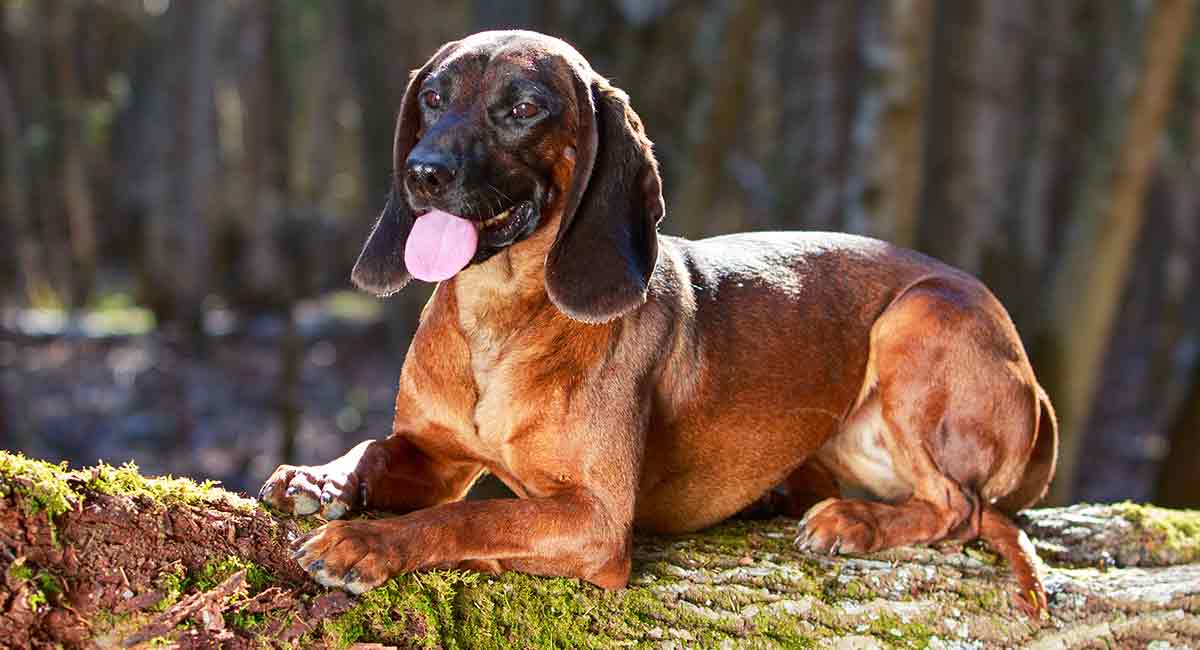
Why The Name Scent Hound
When your scent hound (or scenthound) lowers her head to the earth and takes in a big, deep breath through her nose, suddenly, the air around her gives up all of its mysteries, literally flooding her senses with scent-based information!
Studies have shown http://www.pbs.org/wgbh/nova/nature/dogs-sense-of-smell.html quite clearly how the scent hound is unique in this way. Those big floppy ears waft up odors into that fantastical structure of their eloooongggated nose giving them their superpower sniffing abilities.
In fact, did you know that when your scent hound breathes in fresh air, only half of that air will reach her lungs? The other portion of air is directed down a separate protected pathway straight into her olfactory center for processing. There goes another nosey ninja on the trail of something smelly!
Ok, so without further ado…. Let’s get to those pros and cons about this amazing canine companion and see if a scent hound is the right pup for you!
Scent hounds offer something for just about everyone. So let’s take a closer look at the core hound traits that make these dogs so enduringly popular!
Hounds are gentle, loyal, sociable and truly enjoy the company of people. They are happy, friendly pups, who aim to please, and make wonderful companions and therapy dogs. With their sturdy bodies and patient souls, these hounds make for loving companions for family members of all ages. If you have young ones at home, it’s good to know that some scent hounds are generally more patient with younger kids than others, such as the Basset Hound and Beagle.
Most hounds require simple exercise, such as a daily walk or two, and many have smooth easy-to-care for coats. With only seasonal or occasional shedding, there’s not much need for regular spa days with the groomer. (Note, some hounds have long or wire coat types, that may require a little more brushing…and those with longer ears should have them cleaned regularly.)
Smaller hounds are great for first-time dog owners, seniors, apartment dwellers, and city residents who don’t have big yards or active lifestyles. Thinking big(ger)? Check out more medium-sized to larger hounds like the Foxhound, Grand Basset Griffon Vendéen, Harrier or Treeing Walker Coonhound.
Of course, that’s exactly what these hunting dogs were bred to do… stick with a scent and follow it for long distances over rough terrain. A scent hound has such a sensitive sniffer they can pick out individual strong scents to the level of parts per trillion. (Ah-ma-zing!) You’ll frequently hear stories of working hounds doing everything from detecting cancer to being on bed bug patrol. It’s no wonder hunters, ranchers, search and rescue teams, military and law enforcement professionals, also find the scent hound their dream canine partner.
Those big soulful eyes, floppy ears and sweet face are almost impossible to resist! With each bouncy step and wiggly rear, happy-go-lucky hounds will shower you with affection, make you laugh at the smallest things and easily capture your heart forever.
As much as we adore living with scent hounds, the breed does have other traits to consider:
Hounds are truly smart individuals. This can often lead to trouble when they are alone or bored – looking for ways to entertain themselves through excessive chewing, barking or digging. Fortunately boredom is easily fixed with activities hounds excel in such as: competitive obedience, agility, frisbee, flyball, and of course activities that use their natural tracking ability.
Hounds have a reputation for being headstrong and difficult to train. But they are also very social and food motivated pups. So, be creative with your training techniques. Find ways to draw on their natural talents and abilities. When it comes down to it, training is really all about having a good relationship. Which means the more time you spend working with your hound, the stronger your lifelong bond will be. And before you know it, your efforts rewarded!
All dogs bark, but some hounds (like the Beagle, Bloodhound, Coonhound and Foxhound) add a little howl into the mix. And although the scent hound enthusiast might describe their pup’s distinctly resonant howl as comical or musical, this characteristic may not be so well-received by sleeping neighbors.
The scent hound finds every square inch of lawn fascinating. (Ooh, ahh, ohh!) This natural instinct to follow their nose and take off after a scent can have them wandering off and getting lost. Even with a well-trained and obedient hound, it’s best to keep your dog safe on a leash when enjoying the open outdoors.
While this can be a good thing during training, it can spell trouble on the scale and for your dog’s overall health. Why? Well, our lovable hounds have perfected the art of begging! Basically they will eat anything and everything, if you’re not careful… using their award-winning sniffers to locate food wherever it can be found. So weight-gain is a definite concern for our hounddog companions, as it can cause major health issues. And for the longer hounds, like Dachshunds and Bassets, the extra pounds can bring about troubling back problems. The best advice then is to keep a close eye on their weight and ensure they get regular exercise.
Now that we have a good idea of general characteristics, let’s take a quick look back at their history…
Do Basset Hounds Make Good Guard Dogs? – PetGuide360.com
FAQ
Do Hound Dogs make good pets?
Hound dogs can make great pets, but there are some considerations to keep in mind, too. Let’s talk about the pros and cons of having a hound dog for a pet and cover some common health problems you can expect to find in hounds. What Is A Hound? What type of dog qualifies as a hound and what were hounds originally bred to do?
Are hounds good family dogs?
Many types of hounds are good family dogs and excellent around kids. They’re also fairly low-maintenance as far as grooming and other care. Because of their strong nose, hounds can be helpful dogs to have around on a ranch or a farm, and they’re also very intelligent. Of course, hounds aren’t perfect.
Are Hound Dogs Good Companions?
Exercise Partners: Hound dogs are active and energetic dogs that require regular exercise. This makes them great companions for individuals who enjoy outdoor activities like hiking or jogging. Good with Children: With proper socialization and training, hound dogs can be great with children.
What makes a Good Hound Dog?
1. Excellent nose: Hound dogs are known for their exceptional sense of smell. They have been specifically bred for their tracking and hunting abilities, making them highly skilled in scent detection. If you are interested in activities such as search and rescue or nose work, a hound dog can be a great partner. 2.
Are Hound Dogs loyal?
Loyalty: Hound dogs are known to be loyal and devoted to their owners. Once they form a bond with their human family, they will go to great lengths to protect and please them. Their loyalty can make them excellent companions and family pets.
Why should you buy a Hound Dog?
In summary, owning a hound dog can bring many advantages. Their excellent nose, loyalty, intelligence, and compatibility with children make them great companions. Hound dogs also excel in various activities and can become beloved exercise partners.
Are hound dogs affectionate?
Yes, hounds can be very affectionate, forming close bonds with their families and enjoying human interaction. While some may show their affection more subtly, many are devoted, loving companions who thrive on closeness. However, individual personality and specific breed traits can influence their level of demonstrativeness, with some hounds exhibiting a more reserved or independent nature.
Can a hound dog be a house dog?
So, yes, you can have a hunting dog that is also a family pet. But you need to understand that your dog will gravitate to the lowest expectation of him. And if the rules are different in the home than in the field or in the hunting blind, your dog is not going to excel.
Which hound makes the best pet?
- #1 Bloodhound. The Bloodhound is not just the furfect hunter; they are also the most patient and lovable hounds there are. …
- #2 Basset Hound. …
- #4 American Foxhound. …
- #5 Afghan Hound. …
- #6 Bluetick Coonhound. …
- #7 Black and Tan Coonhound. …
- #8 Greyhound. …
- #9 Otterhound.
What could be a concern with owning a hound?
Stubborn streak.
Hounds have a reputation for being headstrong and difficult to train. But they are also very social and food motivated pups. So, be creative with your training techniques. Find ways to draw on their natural talents and abilities.